


 Claim Ownership
Best Story Wins
Subscribed: 7Played: 79
Subscribe

© Column Five
Description
Welcome to “Best Story Wins,” a podcast for marketing and branding professionals looking to unlock their growth potential. Hosted by Column Five—a B2B marketing agency that specializes in brand and content marketing for SaaS companies—each episode features insightful conversations with industry leaders who are winning customers’ hearts and minds by building world-class brands.
Tune in to hear expert insights, hard-won lessons, and key strategies to take your own marketing efforts to the next level.
Tune in to hear expert insights, hard-won lessons, and key strategies to take your own marketing efforts to the next level.
141 Episodes
Reverse
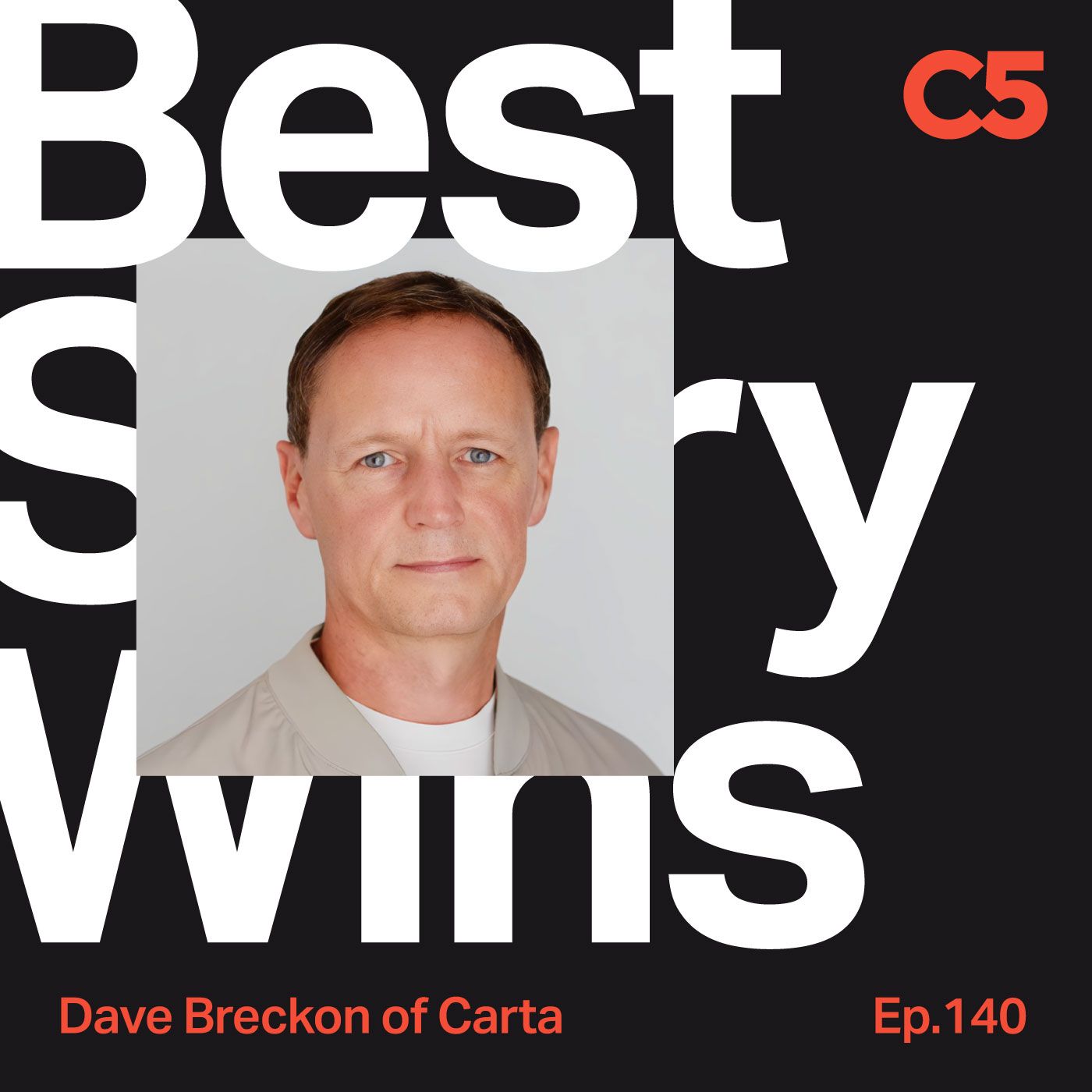
Your CFO just found out AI agents can do the buying, and now they want to know why you still need a creative team. If the brand's only job is getting picked by an algorithm, what's left for you to build?Dave Breckon has done this work from almost every seat: rave-era record covers, a branding studio in Madrid, a startup design team built from scratch, and now Head of Brand Design at Carta. His case is that the marketers racing to optimize for AI agents are walking into a trap. When everyone can produce work instantly, the only edge left is being different, and that comes from personality, which comes from people, not from systems, org charts or a 30-slide brand deck.We discuss:Brand archetypes are "kind of fun, but ultimately pretty useless." Personality can't be planned in a workshop. It shows up in the small corners of a company where good people are working on good problems.Why a furry owl is a better strategy than a world-changing mission. Duolingo's personality gets to new markets before its business plan does, which is why it can move into new categories without rebranding.Leaning hard into "brand to agent" puts you back in a price war. A brand with charisma never gets compared by an LLM in the first place. People just go straight to its site."Buying moments" may be on the way out. Dave expects people to sign up for a lifestyle through an agent instead of picking products, so B2B has to become a personality buyers want to spend time with, not a store they shop at.
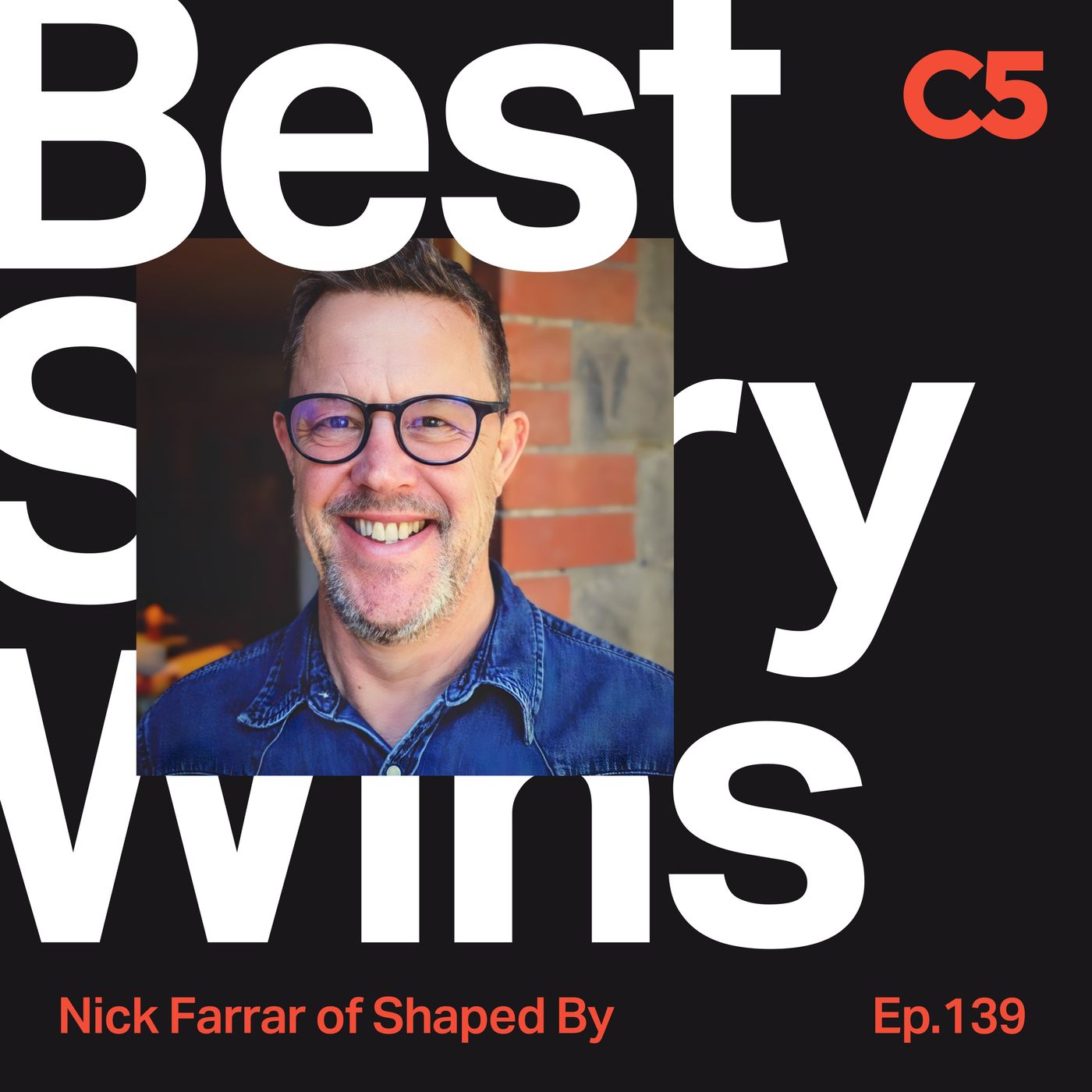
A CEO shows up ten minutes late to his own rebrand kickoff, announces he doesn't have time for it, and hands the whole thing to a marketing manager. Nick Farrar has watched that exact meeting kill more good creative work than any recession ever could. Nick runs Shaped By, the Bristol-based agency that spent fifteen years operating under a name its own founder couldn't stand before he torched it and rebuilt from scratch. He's since built a specialty in B2B tech brands and learned, the hard way, where most companies get branding wrong: they treat the launch as the finish line, reach for AI to shortcut the thinking that actually makes them different, and let anyone but the real decision-maker sit in the room. This is a working postmortem on what separates brands that compound from brands that quietly fade. Why Nick killed a name with fifteen years of built-up equity behind it, and what it cost him to start over The exact meeting-room moment that predicts a rebrand is doomed before a single concept gets shown Where he draws the line on using AI in the creative process, and why using it too early guarantees a race to the bottom What actually needs to happen the day after a brand launches, and why most agencies treat that day as "done"
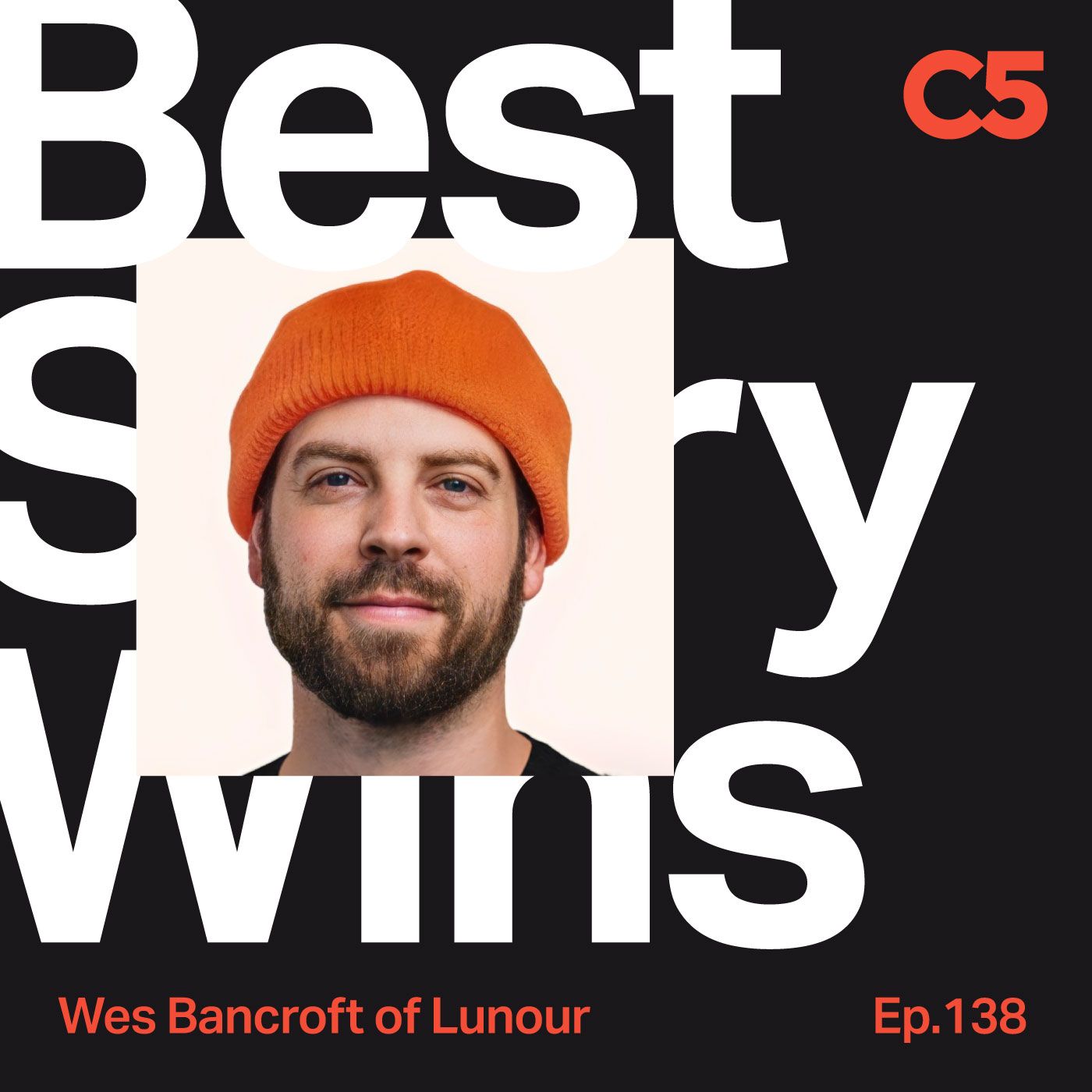
Your logo hasn't changed in three years and your brand still feels broken. That's not a design problem, it's everywhere else you stopped paying attention.Wesley Bancroft co-founded Lunour, a small B2B creative agency, and he's watched AI compress a year of brand production into a season without compressing anyone's hours, he's busier now, not less. His argument cuts against how most companies actually treat brand: not a guidelines deck someone polices, but every touchpoint the company has. A buddy of his at a Fortune 500 company diagnosed his org's broken cross-department communication as a brand problem, not an ops one, and Wes thinks he's right. He gets specific about what Lunour builds instead of mood boards, why B2B branding beats consumer work, and the mindset shift that changed how he works entirely.• Why Wes calls B2B "blue ocean" next to consumer brand work and admits it makes his agency look cooler than it actually is• The Fortune 500 sales exec who diagnosed his company's broken cross-department communication as a brand problem, not an ops one• Why Lunour refuses to build moody, vibey mood boards for clients and what it hands them on day one instead• The unlikely, fourth-grade-level book that convinced Wes the output never mattered, only the process did
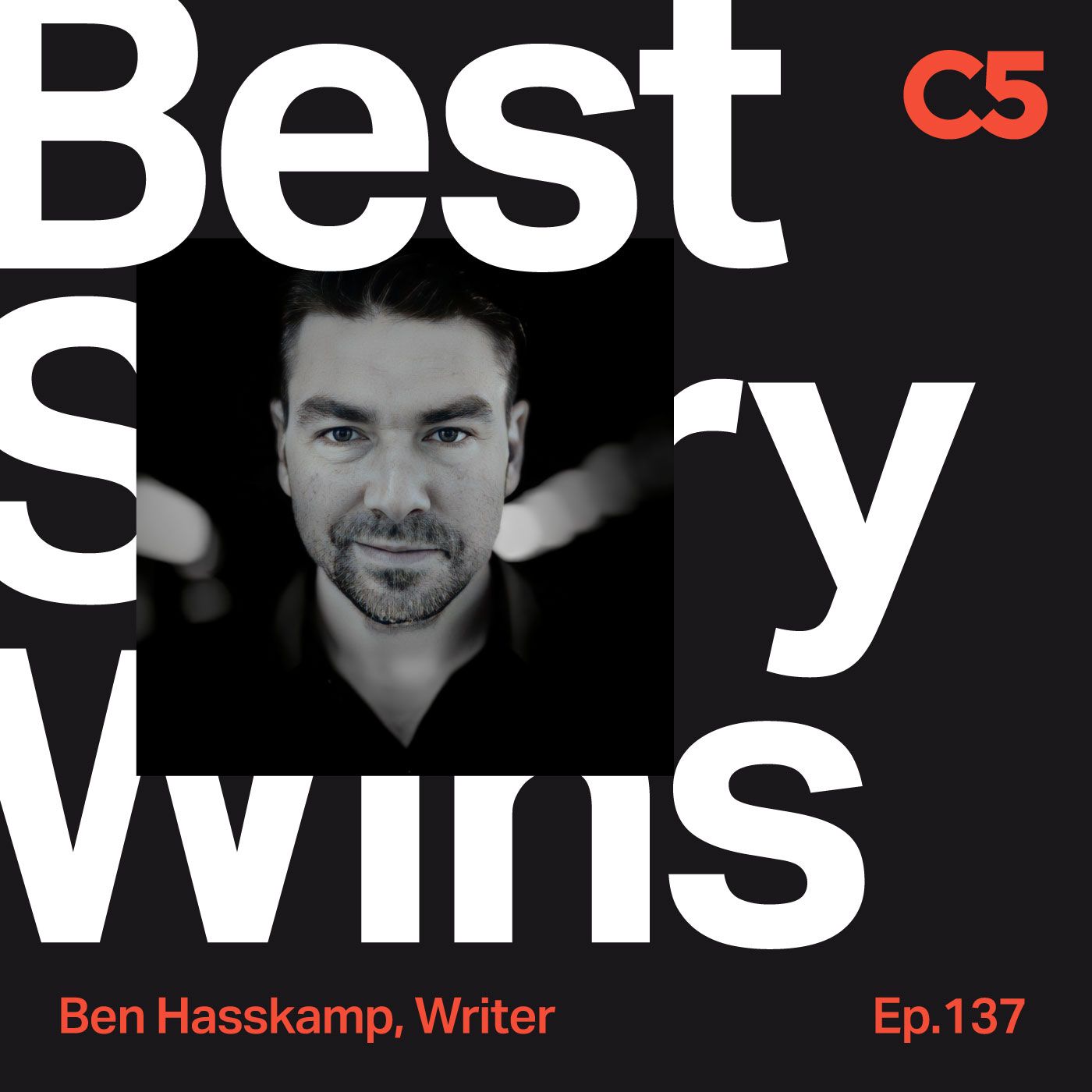
You've published four posts a week for a year, and your buyers still can't tell anyone what your company believes. Somewhere in all that output there should be one sentence you could be wrong about. There isn't.Ben Hasskamp spent years running thought leadership inside a company where the executive bench included some of the sharpest people in security and watched most of what shipped turn into product brochures wearing a byline. His argument: thought leadership is a point of view you could be wrong about, and everything else is volume cosplaying as authority. He gets specific about the formats that fake it best, including the one your team is probably scoping right now.We also cover:Why every "State of the Industry" report reaches the same conclusion — and the tell that gives it awayThe exact reason polished SEO writing now reads as noise to the models people actually search withHow Ben cut executive review cycles from 14 days to 3 by feeding AI everything an exec had ever said on record and what happened when one of them insisted he'd never say thatThe film-school question that works on a CISO as well as it works on a protagonist
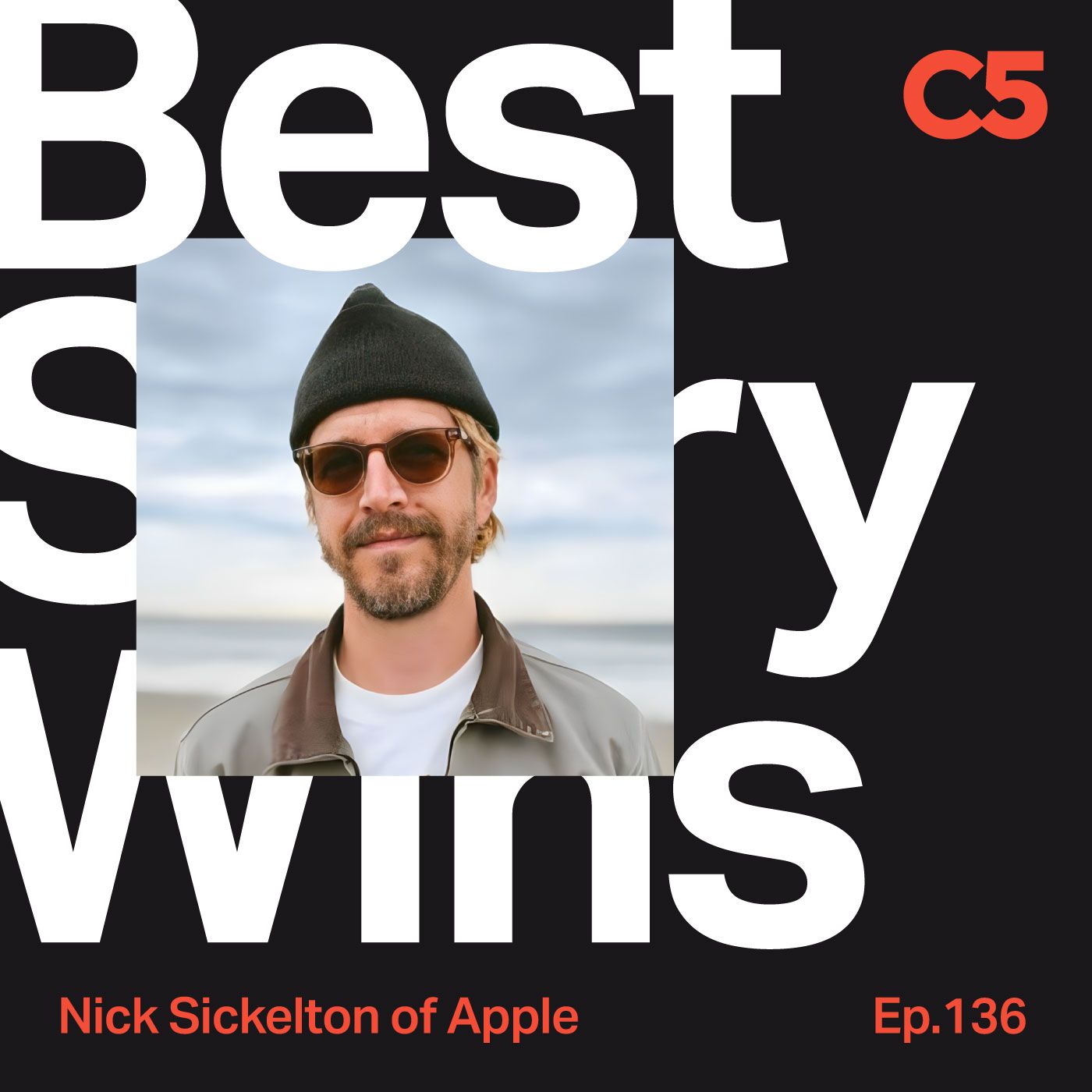
Everyone with a prompt window now calls themselves a creative, and the feed shows it: the same look, the same motion, the same instantly forgettable output on repeat. The teams still cutting through aren't generating more than everyone else. They're the ones who figured out what a machine can't fake.Nick Sickleton has directed creative across software, consumer tech, and even defense, an industry where the people paying for the product never actually see it. His argument for this moment is blunt: AI isn't here to replace your taste, it's here to expose whether you have any. The winning brands build the picture frame before they ever touch the picture, and the creatives who lean hardest into trends are the first ones getting cut.We also cover:Why AI-generated design already has a visible "tell," and the one discipline that still can't be automated awayThe "picture frame vs. the picture" rule that keeps Apple, Netflix, and Airbnb cohesive no matter how wild the artwork getsWhat directing creative in defense (where the buyer is never the user) quietly teaches you about every consumer brandThe counterintuitive reason junior creatives who chase AI trends are getting cut, while the ones forced to explain why are accelerating their careers by five years

Comments

Download from Google Play

Download from App Store
 United States