


Alcohol Minimalist: Mindful Drinking & Behavior Change
Subscribed: 184Played: 11,484
Subscribe

©2023
Description
Join coach Molly Watts on the Alcohol Minimalist Podcast to explore mindful drinking, behavior change, and mental wellness. This show offers science-based strategies to help you break drinking habits and overcome anxiety linked to alcohol use. Whether you're an adult child of alcoholics or seeking peace with your drinking, discover tools for lasting change without shame or guilt. New episodes every Monday and Thursday.
Becoming an alcohol minimalist means:
Choosing how to include alcohol in our lives following low-risk guidelines.
Freedom from anxiety around alcohol use.
Less alcohol without feeling deprived.
Using the power of our own brains to overcome our past patterns and choose peace.
The Alcohol Minimalist Podcast explores the science behind alcohol and analyzes physical and mental wellness to empower choice. You have the power to change your relationship with alcohol, you are not sick, broken and it's not your genes!
This show is intended for educational purposes and does not constitute medical advice. If you are physically dependent on alcohol, please seek medical help to reduce your drinking.
Becoming an alcohol minimalist means:
Choosing how to include alcohol in our lives following low-risk guidelines.
Freedom from anxiety around alcohol use.
Less alcohol without feeling deprived.
Using the power of our own brains to overcome our past patterns and choose peace.
The Alcohol Minimalist Podcast explores the science behind alcohol and analyzes physical and mental wellness to empower choice. You have the power to change your relationship with alcohol, you are not sick, broken and it's not your genes!
This show is intended for educational purposes and does not constitute medical advice. If you are physically dependent on alcohol, please seek medical help to reduce your drinking.
411 Episodes
Reverse
What does “drink less” actually mean?In this episode of the Alcohol Minimalist podcast, Molly explores the changing alcohol guidelines and why there isn’t one simple number that guarantees a “safe” level of drinking.She breaks down the difference between a standard drink and what’s actually in your glass, explains why alcohol-related risk exists on a continuum, and shares a more useful question than, “How much am I allowed to drink?”Instead, consider:What is the lowest amount of alcohol that still gives me what I value without creating consequences I don’t want?You’ll learn:What counts as a standard drinkWhy higher-ABV drinks can add up quicklyWhy alcohol guidelines aren’t guaranteesHow to think about alcohol risk more realisticallyHow to find your own “minimum effective dose”Why tracking your real drinking patterns can help you make better decisionsAlcohol Minimalism isn’t about following someone else’s perfect number. It’s about removing excess alcohol from your life so alcohol doesn’t remove you from your life.Until next time, choose peace.Resources Mentioned: More Sober OctoberSunnyside MedLow risk drinking guidelines from the NIAAA:Healthy men under 65:No more than 4 drinks in one day and no more than 14 drinks per week.Healthy women (all ages) and healthy men 65 and older:No more than 3 drinks in one day and no more than 7 drinks per week.One drink is defined as 12 ounces of beer, 5 ounces of wine, or 1.5 ounces of 80-proof liquor. So remember that a mixed drink or full glass of wine are probably more than one drink.Abstinence from alcoholAbstinence from alcohol is the best choice for people who take medication(s) that interact with alcohol, have health conditions that could be exacerbated by alcohol (e.g. liver disease), are pregnant or may become pregnant or have had a problem with alcohol or another substance in the past.Benefits of “low-risk” drinkingFollowing these guidelines reduces the risk of health problems such as cancer, liver disease, reduced immunity, ulcers, sleep problems, complications of existing conditions, and more. It also reduces the risk of depression, social problems, and difficulties at school or work.
★ Support this podcast ★
What happens when a thought gets repeated so often that it stops feeling like a thought and starts feeling like a fact?In this Think Thursday episode, Molly explores the illusory truth effect, processing fluency, self-schemas, and self-verification to explain why familiar ideas can feel more believable simply because we’ve practiced thinking them over and over.In this episode:Why repetition can make information feel more trueThe difference between familiarity and evidenceHow self-schemas shape what we notice and rememberWhy we tend to collect evidence that supports existing beliefsHow repeated thoughts can quietly become identity statementsWhy changing your thinking isn’t about forced positive affirmationsHow to question old beliefs with more accuracy and curiosityA question to take with you:Is this something I know, or is this something I’ve practiced thinking?Sometimes behavior change begins not with immediately creating a new belief, but with realizing that an old one may never have been a fact in the first place.Research MentionedHasher, Goldstein & Toppino — early research on the illusory truth effectDechêne et al. — meta-analysis on repetition and perceived truthLisa Fazio and colleagues — repetition and prior knowledgeHazel Markus — self-schema researchWilliam Swann — self-verification theory
★ Support this podcast ★
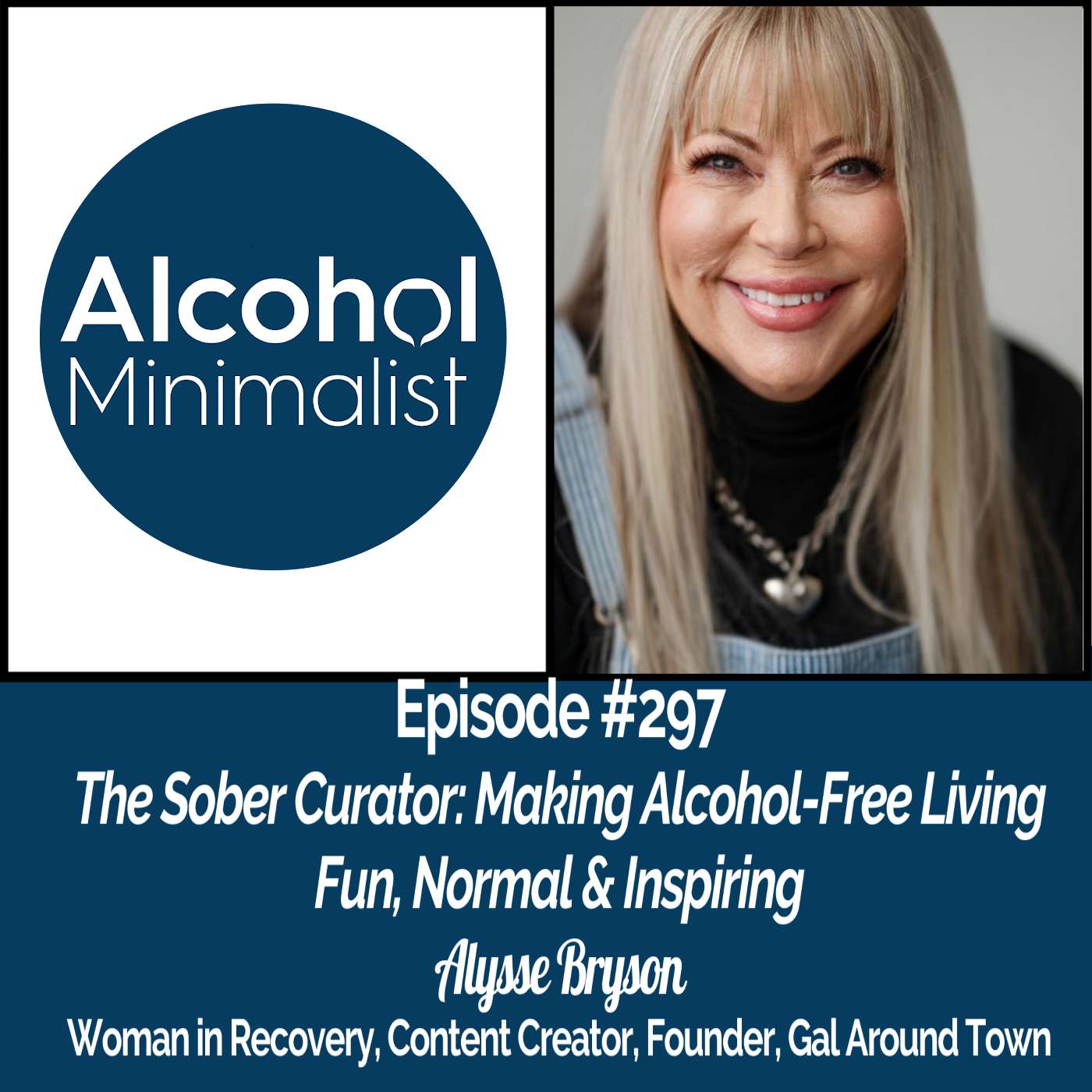
What does it look like to build a fun, fulfilling life with less alcohol—or none at all?In this episode of the Alcohol Minimalist Podcast, Molly talks with Elise Bryson, CEO and curator of The Sober Curator, about sober curiosity, recovery, non-alcoholic drinks, and the changing culture around alcohol.They explore why alcohol-free living is becoming more mainstream, how the non-alcoholic beverage movement is helping normalize drinking less, and why choosing not to drink should never feel awkward or restrictive.If you’re sober curious, exploring a mostly alcohol-free lifestyle, or working to change your relationship with alcohol, this conversation offers encouragement, practical resources, and a refreshing reminder that drinking less can actually open the door to more.In This EpisodeHow The Sober Curator started and grew into a global alcohol-free lifestyle resourceWhy Elise believes alcohol may be having its own “cigarette moment”How attitudes toward sobriety and sober curiosity have changedThe growth of non-alcoholic beer and zero-proof optionsWhy choosing not to drink is becoming more normalizedThe difference between recovery, sobriety, and an Alcohol Minimalist lifestyleWhy alcohol-free living doesn’t have to feel restrictive or boringHow community and support can make change easierWhy it matters to pay attention when alcohol starts raising red flagsHow to create more fun, connection, and celebration without relying on alcoholResources Mentioned:The Sober CuratorMore Sober OctoberSunnyside MedLow risk drinking guidelines from the NIAAA:Healthy men under 65:No more than 4 drinks in one day and no more than 14 drinks per week.Healthy women (all ages) and healthy men 65 and older:No more than 3 drinks in one day and no more than 7 drinks per week.One drink is defined as 12 ounces of beer, 5 ounces of wine, or 1.5 ounces of 80-proof liquor. So remember that a mixed drink or full glass of wine are probably more than one drink.Abstinence from alcoholAbstinence from alcohol is the best choice for people who take medication(s) that interact with alcohol, have health conditions that could be exacerbated by alcohol (e.g. liver disease), are pregnant or may become pregnant or have had a problem with alcohol or another substance in the past.Benefits of “low-risk” drinkingFollowing these guidelines reduces the risk of health problems such as cancer, liver disease, reduced immunity, ulcers, sleep problems, complications of existing conditions, and more. It also reduces the risk of depression, social problems, and difficulties at school or work.
★ Support this podcast ★
In this revisited Think Thursday episode, Molly explores ADHD through the lens of the brain’s energy economy—how neurodivergent brains may use mental fuel differently, and why that matters for motivation, behavior change, and alcohol.You’ll learn why routine tasks can feel more costly for an ADHD brain, why novelty and stimulation can feel energizing, and how differences in dopamine and norepinephrine may help explain the connection between ADHD and substance use.Molly also shares six practical ways to support the ADHD brain:Externalize memoryReduce frictionUse novelty as a leverBreak tasks into smaller stepsTry body doublingProtect sleep, movement, and downtimeThe goal isn’t to make a neurodivergent brain work like a neurotypical one. It’s to understand the brain you have and build strategies that work with it.Choose peace.
★ Support this podcast ★
This week on the Alcohol Minimalist Podcast, we’re revisiting the most-downloaded episode from the Alcohol & series: Alcohol & ADHD.ADHD is a personal topic for me, and it also comes up often with coaching clients and members of the Alcohol Minimalist community.In this episode, we explore how ADHD can affect attention, impulsivity, emotional regulation, and reward-seeking—and why those traits may make alcohol especially appealing as a way to quiet a busy brain or temporarily reduce discomfort.In this episode:What ADHD is and how symptoms can varyHow the ADHD brain may differ from a neurotypical brainWhy impulsivity and emotional regulation matterWhy alcohol can feel calming or rewarding for people with ADHDThe connection between ADHD and increased risk for problematic alcohol useWhy alcohol can become a coping strategy instead of just a drinking habitImportant considerations around ADHD medications and alcoholThe goal isn’t to create fear or shame. It’s to understand what alcohol may be doing for you and to get curious about whether there are better, more sustainable ways to meet that need.If ADHD or alcohol use is affecting your daily life, talk with a qualified healthcare professional for individualized support.Changing your drinking habits and creating a peaceful relationship with alcohol is possible. Choose peace.Low risk drinking guidelines from the NIAAA:Healthy men under 65:No more than 4 drinks in one day and no more than 14 drinks per week.Healthy women (all ages) and healthy men 65 and older:No more than 3 drinks in one day and no more than 7 drinks per week.One drink is defined as 12 ounces of beer, 5 ounces of wine, or 1.5 ounces of 80-proof liquor. So remember that a mixed drink or full glass of wine are probably more than one drink.Abstinence from alcoholAbstinence from alcohol is the best choice for people who take medication(s) that interact with alcohol, have health conditions that could be exacerbated by alcohol (e.g. liver disease), are pregnant or may become pregnant or have had a problem with alcohol or another substance in the past.Benefits of “low-risk” drinkingFollowing these guidelines reduces the risk of health problems such as cancer, liver disease, reduced immunity, ulcers, sleep problems, complications of existing conditions, and more. It also reduces the risk of depression, social problems, and difficulties at school or work.
★ Support this podcast ★

Comments

Download from Google Play

Download from App Store
 United States