


 Claim Ownership
The Great Coaches: There Is No Algorithm For Leadership
Subscribed: 100Played: 5,273
Subscribe

© Paul Barnett & Jim Woolfrey
Description
There is no algoirthim for leadership, so we ask the world's great sports coaches how they do it.
Hosted on Acast. See acast.com/privacy for more information.
342 Episodes
Reverse

We believe that there is no algorithm for leadership. So we ask the world's great coaches how they do it.In this episode, Paul speaks with Gordon Herbert about the leadership lessons behind a life in elite basketball. From early influences and painful setbacks to championship success with Germany, Gordon reflects on authenticity, adversity, mental fitness, role clarity and the importance of creating joy inside high-performing teams.In This Episode•Why great coaches are authentic, knowledgeable teachers with deep passion for their work.•How Gordon’s mother taught him to face adversity rather than make excuses.•The meaning behind his phrase, “Life’s a mountain, not a beach.”•Why asking better questions and listening more carefully became central to his leadership.•How pressure can never be allowed to exceed the pleasure of the journey.•The role of laughter, competition and care in championship environments.•Why elite teams need clear roles, strong individuals and a shared team mentality.•How mental health, psychological safety and the human element shape Gordon’s approach to coaching.Memorable Quotes•“Life’s a mountain, not a beach.”•“Pressure cannot exceed the pleasure of the journey.”•“I’d rather tame a lion than teach a cat to roar.”•“A committed person is focused on what he can give. A non-committed person is focused on what he can get.”•“One alone we cannot reach greatness. Together, united as one, we can.”Key Takeaways•Authentic leadership starts with knowing who you are and having the courage to lead from that place.•Adversity becomes useful when it is embraced as a chance to learn, adapt and improve.•Great teams are built on vision, direction and support, reinforced by values that leaders model every day.•Role clarity helps individuals understand how their contribution serves the team.•Joy, laughter and care are not distractions from performance; they are part of what makes performance sustainable.If you would like to send us any feedback or if you know a great coach, who has a unique story to share, then we would love to hear from you, please contact us at [email protected] and if you would like to receive our newsletter with 5 ideas to help you improve your leadership, then sign up at: https://thegreatcoaches.beehiiv.com/subscribe Hosted on Acast. See acast.com/privacy for more information.

Naeimeh Zafar: Coaching Across Cultures, Resilience, and Leading Beyond BarriersWe believe that there is no algorithm for leadership. So we ask the world's great coaches how they do it. Naeimeh Zafar shares how coaching across Iran, Serbia, Qatar, Oman, Vietnam, Thailand, and France demanded cultural adaptation, humility, and clear communication when language and perceptions created barriers, and how she learned to respect athletes’ privacy and judge only commitment and performance. She describes building resilience amid restrictions in Iranian women’s sport, using her Serbian studies to raise coaching standards, and pursuing opportunities abroad when institutional constraints outweighed development. She reflects on the controversy and success of coaching a men’s team in Oman—reaching a grand final and being voted best coach—and on staying focused while unable to contact family during war. She hopes her legacy is defined by discipline, professional values, and six coaching books. If you would like to send us any feedback or if you know a great coach, who has a unique story to share, then we would love to hear from you, please contact us at [email protected] and if you would like to receive our newsletter with 5 ideas to help you improve your leadership, then sign up at: https://thegreatcoaches.beehiiv.com/subscribe Hosted on Acast. See acast.com/privacy for more information.
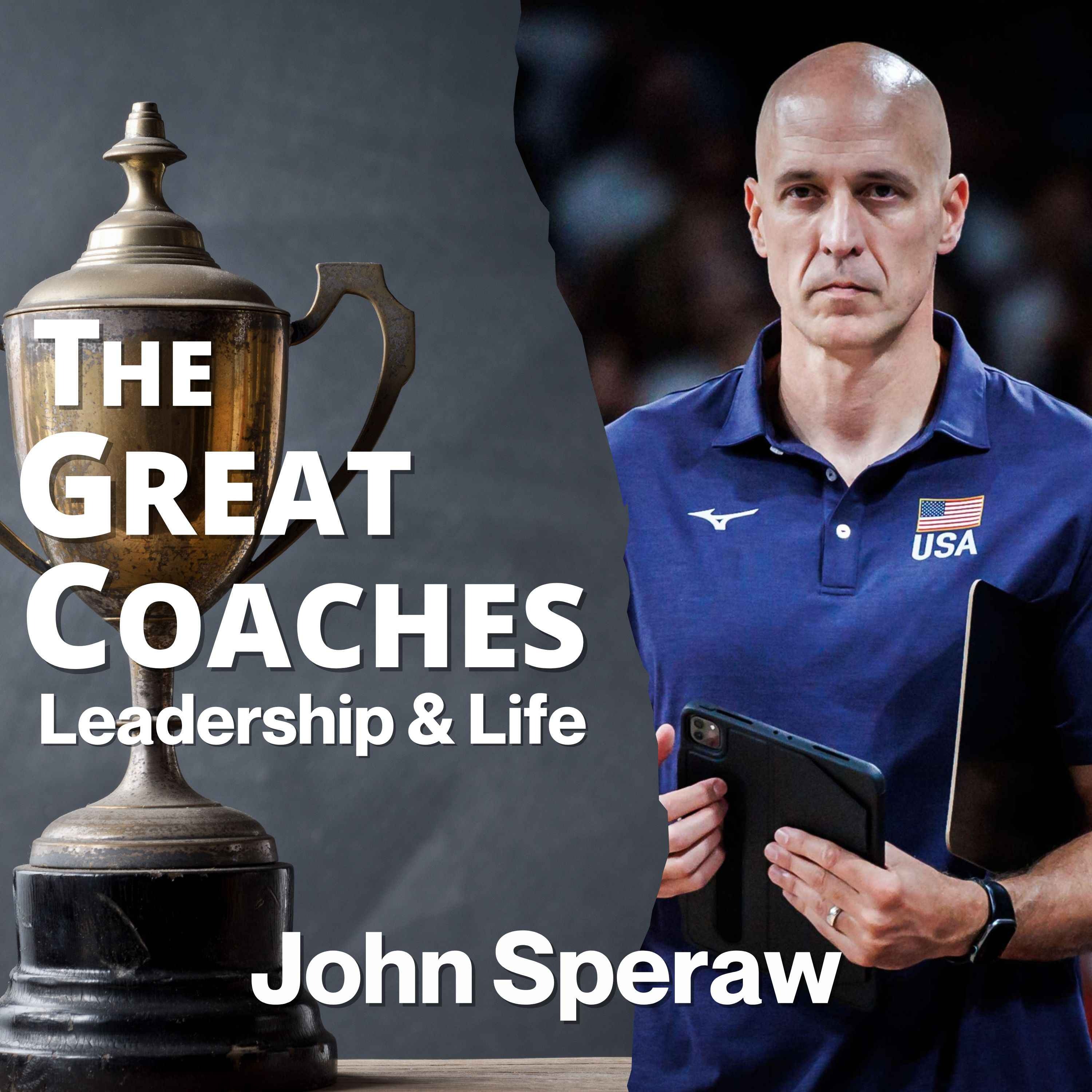
John Speraw on Systems, Feedback, and Winning Under PressureWe believe that there is no algorithm for leadership. So we ask the world's great coaches how they do it. John Speraw reflects on how great coaches lean into singular strengths while staying humble and learning from staff, and how early mentors helped him see what was possible. He describes choosing coaching over medical school, building a “systems coach” identity at UC Irvine by maximizing limited resources, and returning to UCLA ready to follow Al Scates by being himself. Speraw shares practical lessons on feedback—asking athletes how they want to hear it, creating cultures that accept critical input, and using routines for mistake recovery—plus integrating visualization, breathwork, and journaling into practice to prepare for championship moments when things go sideways. Now as USA Volleyball CEO, he’s focused on scaling culture, improving communication, increasing volleyball’s cultural relevance, lowering barriers to play, and ensuring kids have great growth experiences through sport. If you would like to send us any feedback or if you know a great coach, who has a unique story to share, then we would love to hear from you, please contact us at [email protected] and if you would like to receive our newsletter with 5 ideas to help you improve your leadership, then sign up at: https://thegreatcoaches.beehiiv.com/subscribeHere are 3 self-reflective questions based on the interview:1.What are one or two strengths I naturally bring to a team, and how could I use them more intentionally?2.what routine or mindset could help me stay composed and useful in high pressure moments?3.Who has helped me see a possibility for myself that I could not yet see, and how can I now do that for someone else? Hosted on Acast. See acast.com/privacy for more information.
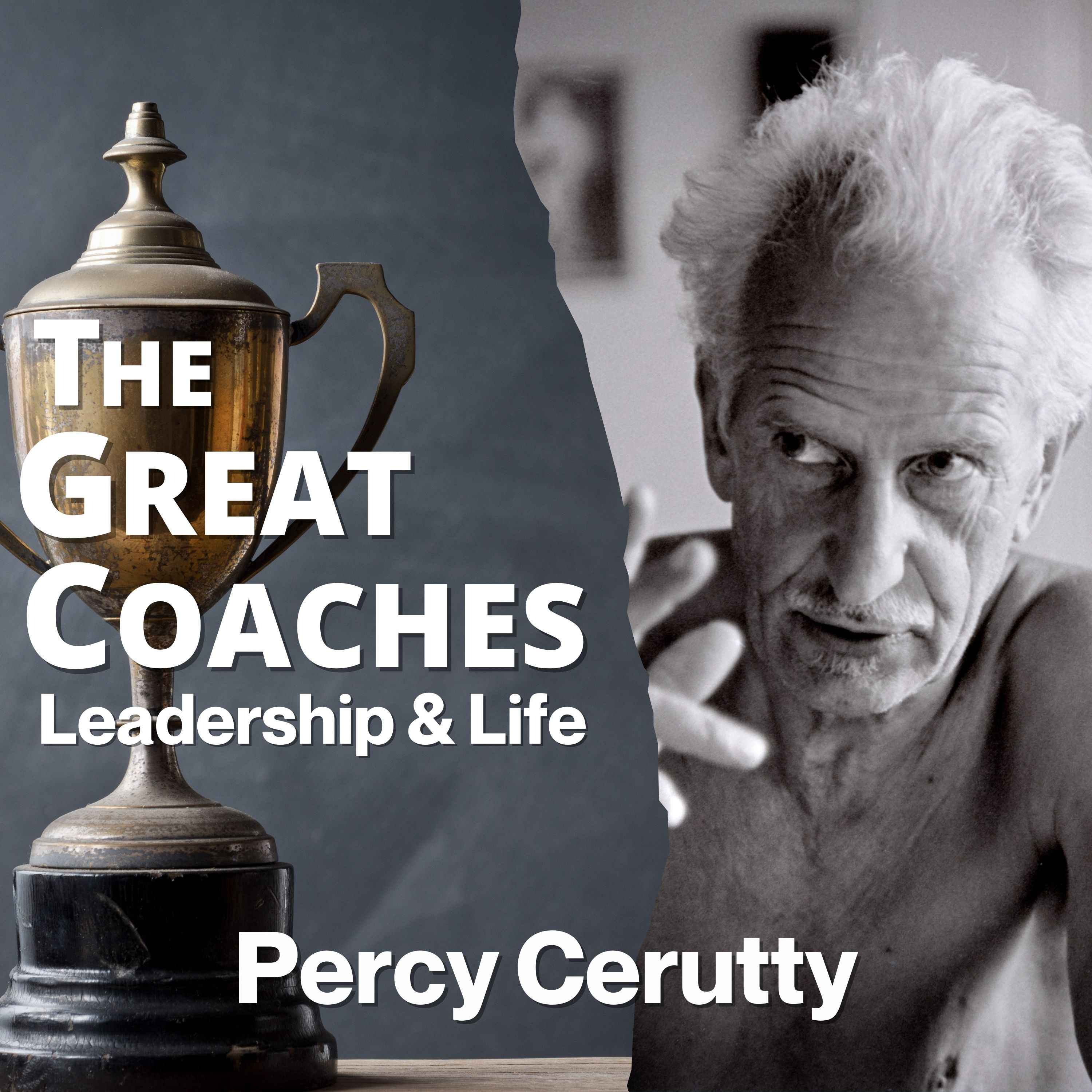
This episode is a recording of our book club. The book we discuss is Why Die? The Extraordinary Percy Cerutty, 'Maker of Champions' by Graem Sims (Author).Percy Cerutty was an Australian athletics coach who transformed distance running in the 1950s and 1960s. Based at his rugged Portsea training camp, he developed the Stotan philosophy, blending Stoic discipline, Spartan toughness, natural diets, sand-hill running, weight training and intellectual growth. Best known for coaching Herb Elliott to world records and Olympic gold, Cerutty inspired athletes to pursue physical excellence and personal mastery. Our discussion is led by Dr David Turner, a Senior Lecturer in Sports Coaching at Anglia Ruskin University in the United Kingdom, and we are also joined by Andrew Gunn the author of Percy Cerutty: Life Lessons From A Remarkable Coach by Andrew Gunn.I scribbled down these 3 self-reflective questions:· Where in my life could I benefit from choosing growth over comfort?· What is one challenge I have already overcome that shows I am capable of reinvention?· How do I personally measure success: by outward achievement, or by how far I have come from where I started? If you would like to send us any feedback or if you know a great coach, who has a unique story to share, then we would love to hear from you, please contact us at [email protected] and if you would like to receive our newsletter with 5 ideas to help you improve your leadership, then sign up at: https://thegreatcoaches.beehiiv.com/subscribe Hosted on Acast. See acast.com/privacy for more information.

Mick Byrne on Preparation, Player Education, and Coaching Across Codes and CulturesWe believe that there is no algorithm for leadership. So we ask the world's great coaches how they do it. Mick Byrne reflects on elite coaching influences from Allan Jeans to Rod McQueen and the All Blacks, arguing great cultures are built on education, clarity of roles, consistent messaging, and disciplined weekly preparation so coaches and players can “sleep when the wind blows.” He explains his rare shift from AFL to rugby through skill transfer in kicking and high-ball work, and how he approached pressure roles by bringing an attacking kicking philosophy that manipulates defenses and makes fly-halves a triple threat. Byrne also shares how he tailors communication across countries through questioning rather than telling, helping players own solutions, recall them under pressure, and shape positive self-talk, while personally learning patience and healthy conflict. If you would like to send us any feedback or if you know a great coach, who has a unique story to share, then we would love to hear from you, please contact us at [email protected] and if you would like to receive our newsletter with 5 ideas to help you improve your leadership, then sign up at: https://thegreatcoaches.beehiiv.com/subscribeThree self-reflective questions based on this conversation:1.Where in my own leadership do I need to create better preparation, so that I can “sleep when the wind blows” and respond calmly when pressure arrives?2.Am I telling people what to do too often, or am I asking the kinds of questions that help them discover the answer, build confidence, and take ownership?3.What part of my leadership has grown most over time? Hosted on Acast. See acast.com/privacy for more information.

Comments

Download from Google Play

Download from App Store
 United States