


 Claim Ownership
The Global Story
Subscribed: 335,478Played: 5,788,753
Subscribe

© (C) BBC 2026
Description
Where the world and America meet, with episodes each weekday. The world is changing. Decisions made in the US and by the second Trump administration are accelerating that change. But they are also a symptom of it. With Asma Khalid in DC, Tristan Redman in London, and the backing of the BBC’s international newsroom, The Global Story brings clarity to politics, business and foreign policy in a time of connection and disruption.
519 Episodes
Reverse
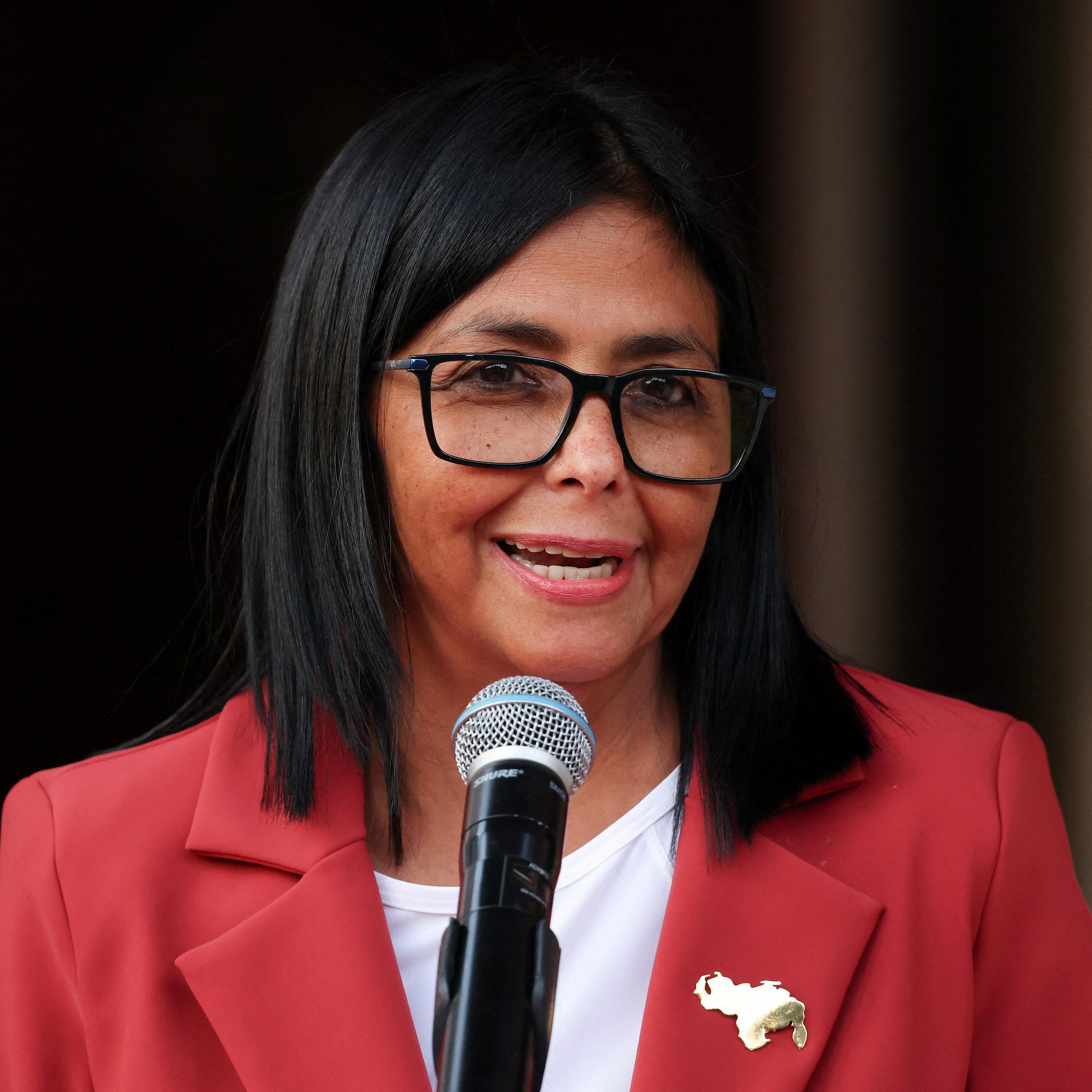
Nicolas Maduro, the deposed president of Venezuela, is due to appear in court in New York this week alongside his wife, Cilia Flores. The pair face charges of cocaine trafficking and possession of machine guns, which they deny. Meanwhile in their home country, the Trump-approved interim president, Delcy Rodriguez, has been making deals with the US government over Venezuela’s oil and critical minerals. The BBC’s South America correspondent, Ione Wells, has been in Caracas to find out how much life has altered under Rodriguez’s leadership, and to what extend Donald Trump may see this regime change as a blueprint for US intervention elsewhere. Producers: Sam Chantarasak, Valerio Esposito and Hannah Moore Executive producers: Bridget Harney and James Shield Mix: Travis Evans Senior news editor: China CollinsPhoto: Venezuela's interim President Delcy Rodriguez. Credit: Reuters/Leonardo Fernandez Viloria
 1
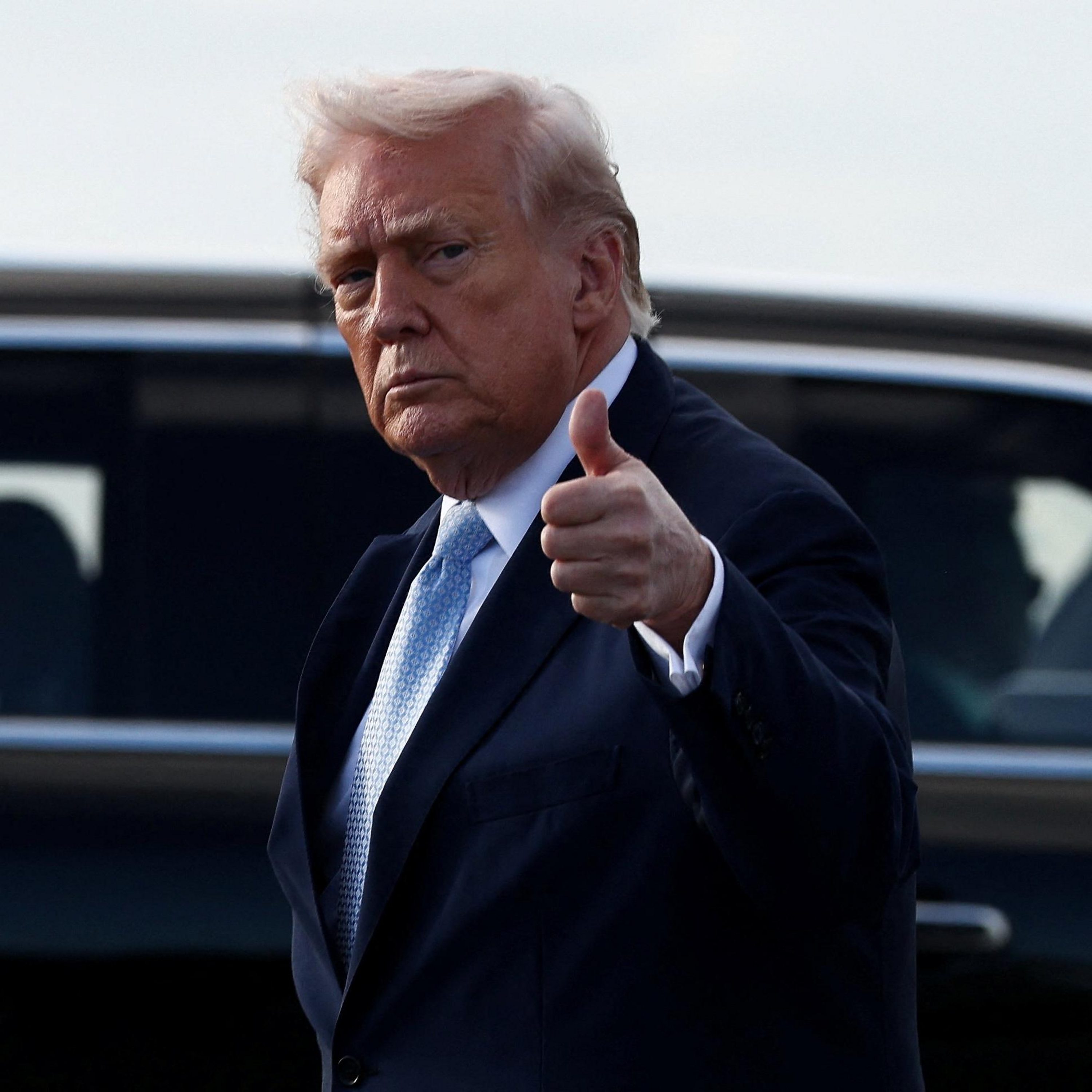
1As the US and Israel war with Iran enters its fourth week, there are growing number of people in the United States calling for it end. But the military operations are increasing, not winding down. This is a critical moment where the war could turn into a long drawn-out conflict. Or it could be a moment where Donald Trump dashes for a quick exit. The BBC’s world affairs correspondent Joe Inwood and the BBC’s Persian service’s Ghoncheh Habibiazad discuss with Tristan where this could all go next?Producers: Cat Farnsworth and Xandra EllinSound engineer: Travis Evans Senior news editor: China CollinsPhoto: U.S. President Donald Trump gestures as he steps from Air Force One, March 20, 2026. Credit: Kevin Lamarque/Reuters
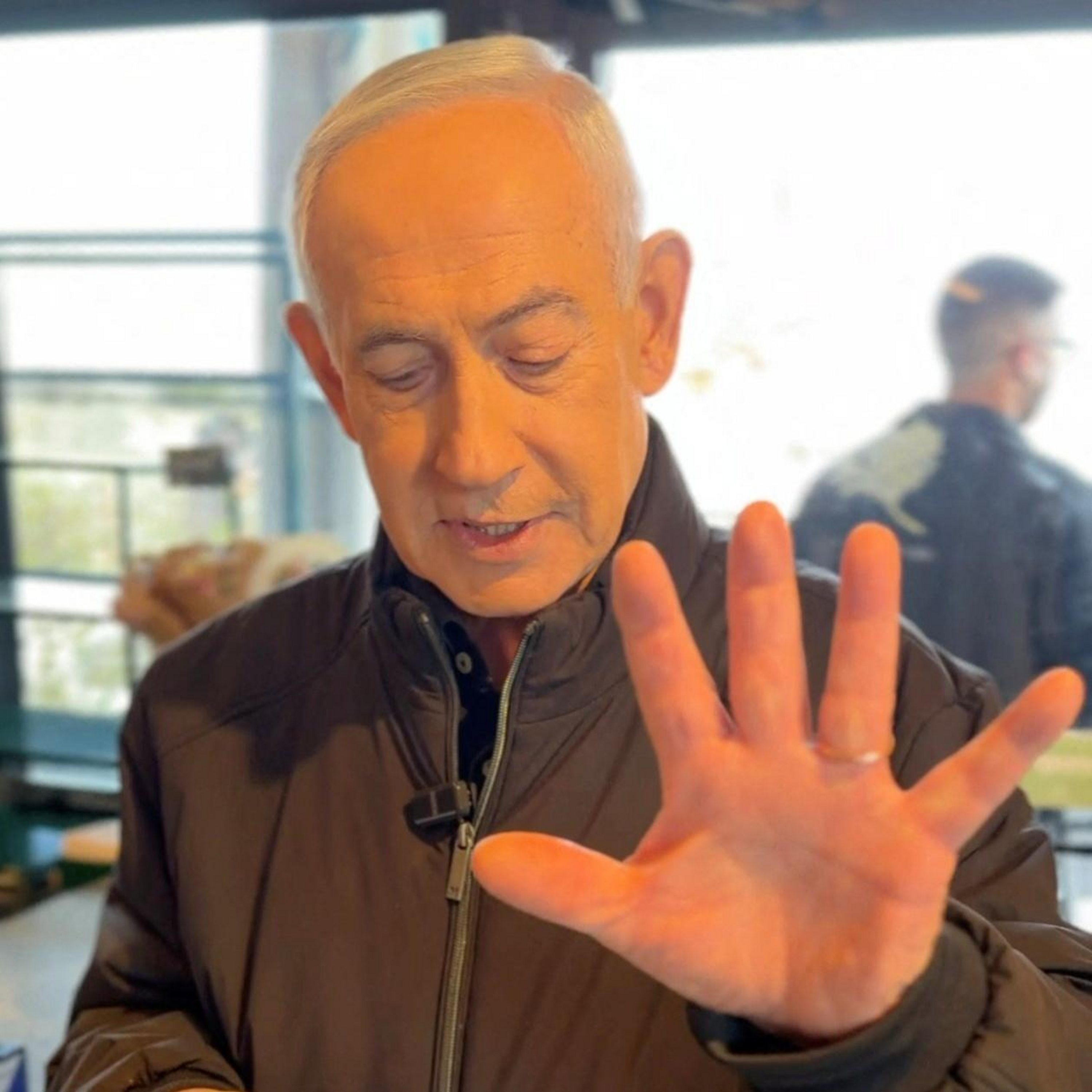
Social media platforms this week have been flooded with a wild rumour: that Benjamin Netanyahu was dead (which he is not). Fake photos and videos of his body, coated with dust and debris, seemed to show that the Israeli prime minister had been killed in an Iranian air strike. The rumour was false – Netanyahu had not died, nor been involved in a strike. The photos and videos were AI-generated. But when Netanyahu posted several videos of himself, debunking and mocking the rumour, some people on social media still refused to believe these were really him.Today on the show, Thomas Copeland from BBC Verify explains how the economics of social media drive the creation of AI-generated fake videos – sometimes by people with no strong feelings about the war itself. And we speak to Peter Pomerantsev, author of Nothing Is True and Everything is Possible, who says the essential strategy behind wartime disinformation remains unchanged since ancient times.Producers: Viv Jones, Valerio Esposito and Xandra Ellin
Executive producer: James Shield
Sound engineer: Travis Evans
Senior news editor: China Collins(Photo: Israeli Prime Minister Benjamin Netanyahu shows his hand as he speaks at a cafe Credit: Benjamin Netanyahu/Reuters)
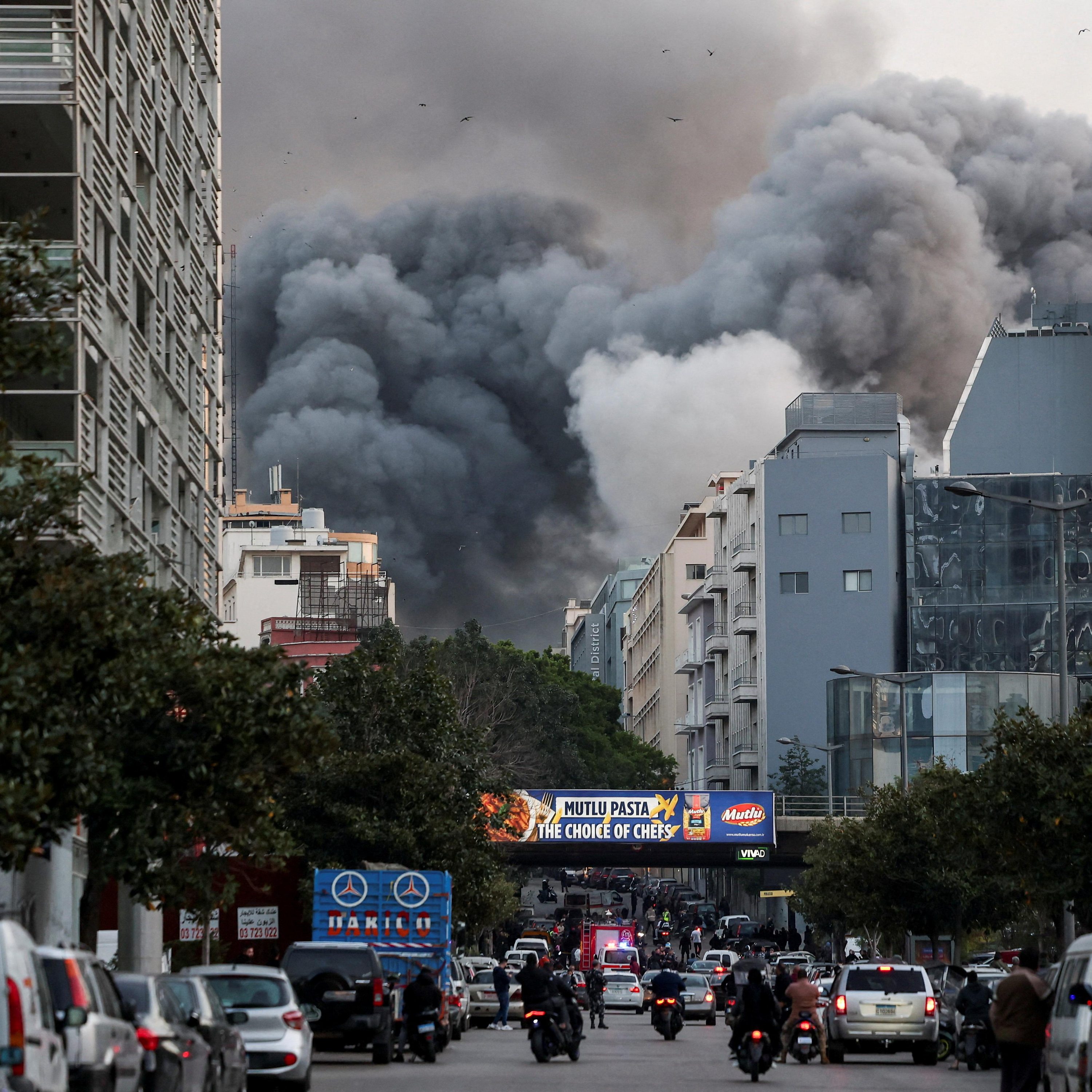
Shortly after the US-Israeli war with Iran began, a second war broke out between Israel and Hezbollah in Lebanon.Lebanese authorities say that more than 900 people, including at least 111 children, have been killed in Israeli attacks since 2 March. More than a million others have been forced to leave their homes.On Wednesday, Israel widened its air strikes from the southern suburbs of Beirut into the city centre. And there are fears that what Israel has called a “limited” ground operation could lead to an occupation of the south. Israel says it is targeting not only Hezbollah fighters and leaders, but also businesses it claims are linked to the group and help finance its military operations.
From his post in Beirut, BBC Middle East correspondent Hugo Bachega explains the long history of the conflict between Hezbollah and Israel, and we ask what could come next.Producers: Chris Benderev and Aron Keller
Sound engineer: Travis Evans
Senior news editor: China CollinsPhoto Credit: Smoke rises after an Israeli strike in central Beirut's Bachoura neighbourhood, following an escalation between Hezbollah and Israel, amid the US-Israeli conflict with Iran, in Beirut, Lebanon, 12 March, 2026. Creit: Claudia Greco/Reuters
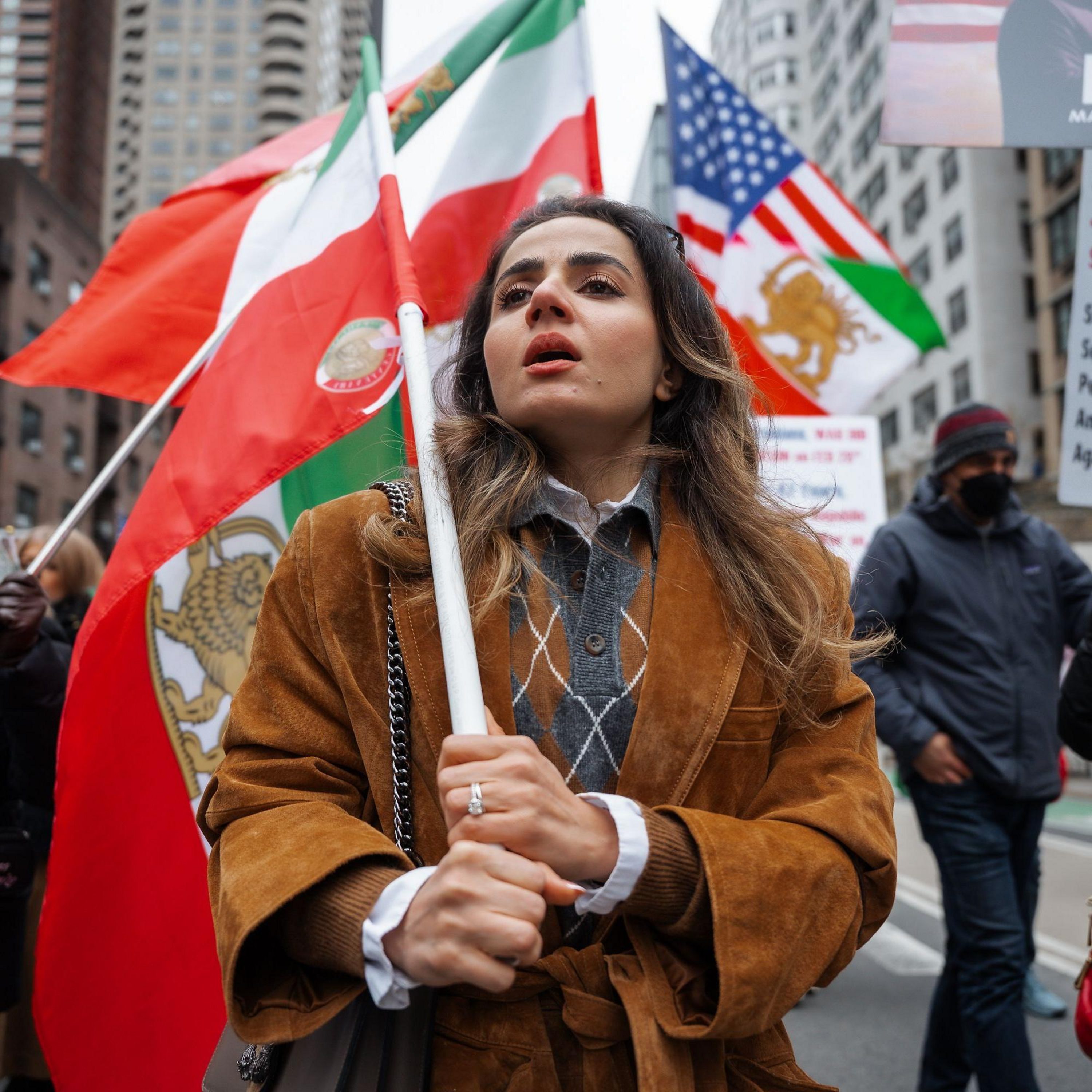
Since the start of the US-Israel war on Iran, The Global Story listeners have been contacting us with questions: about the causes of the war, the legality of it, and how other countries are responding. As Gulf states get drawn further into the conflict, might they send military reinforcement? And if the Iranian regime were to fall, could islamist groups such as Isis seize an opportunity to claim more power? In today’s episode, we answer all of these and more, with BBC world affairs editor, John Simpson.
Producers: Hannah Moore and Xandra Ellin
Sound engineer: Travis Evans
Senior news editor: China CollinsPhoto: A woman marches with an Iranian monarchy flag during a 'Freedom for Iran' protest in New York, New York, USA, 15 March 2026. Credit: Olga Fedorova/Shutterstock
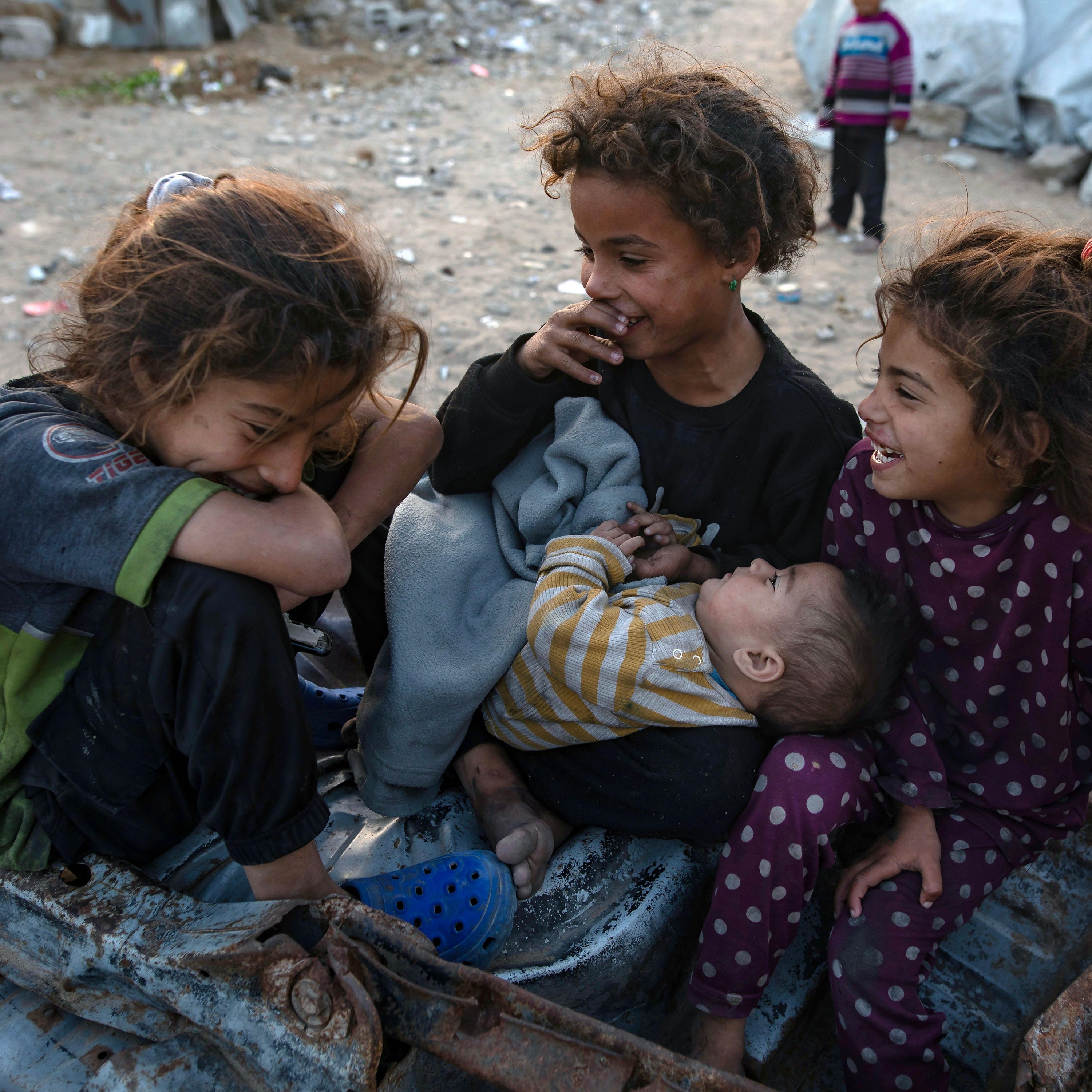
For nearly forty years, Fergal Keane has reported for the BBC from some of the world’s most brutal conflicts – in Gaza, Iraq, Rwanda, Sudan, Ukraine and beyond – and in that time interviewed scores of children who are the innocent victims of adult wars. As he came to understand the impacts of trauma on young minds, Keane began too to experience his own mental breakdowns – the result of a troubled childhood and a career spent running towards danger – and was eventually diagnosed with PTSD. In today’s episode, he reflects on what he has learned from his own experiences and reporting about how childhood traumas can be treated, and the hope for those living through today’s wars.
Producer: Hannah Moore Executive producer: Bridget Harney Mix: Travis Evans Senior news editor: China CollinsPhoto: Displaced children play in Gaza, amid a ceasefire between Israel and Hamas. Haitham Imad/ EPA/ Shutterstock.
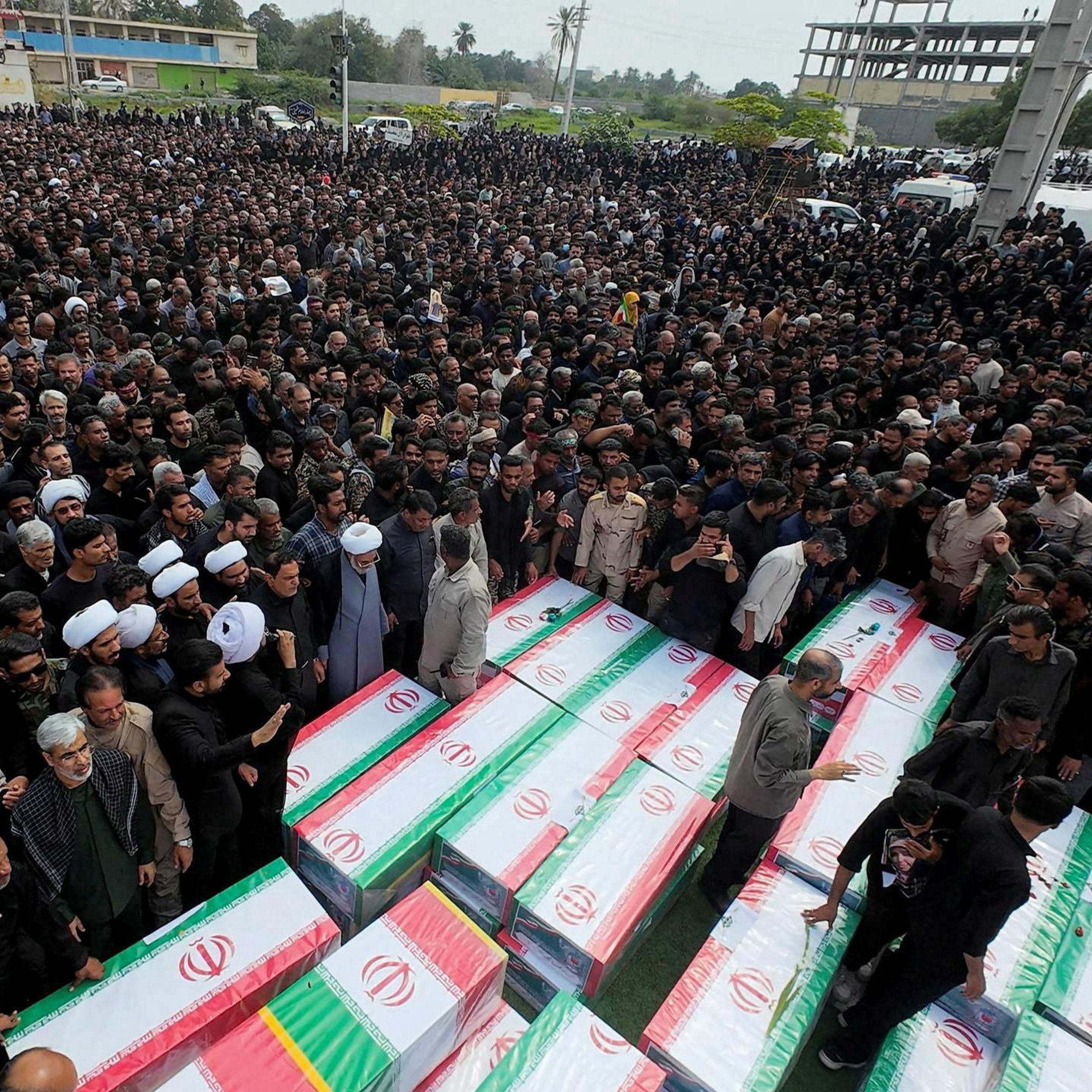
WARNING: This episode contains some graphic descriptions of violence. Since an air strike on a school in Iran two weeks ago, the Pentagon has faced mounting questions over the possible involvement of the US military. Iranian officials say the strike killed 168 people, including about 110 children. US media have reported that military investigators believe American forces were likely responsible for hitting the school unintentionally – but that they have not reached a final conclusion. Today, Merlyn Thomas from BBC Verify explains what we know so far about the strike. And we speak to Oona Hathaway, a professor of international law at Yale University who previously worked at the US Department of Defence, about the potential legal consequences. Producers: Sam Chantarasak and Aron Keller Executive producer: James Shield Mix: Travis Evans Studio manager: Mike RegaardSenior news editor: China Collins Photo: People attend the funeral of the victims following a reported strike on a school in Minab, Iran, March 3, 2026. Credit: Amirhossein Khorgooei/ISNA/WANA via Reuters.
In this special essay, the BBC’s international editor Jeremy Bowen explains what can happen when an American president calls for an uprising – and then doesn’t get involved when it starts.A version of this piece first ran on BBC Radio 4's Today programme on 11 March.Producer for The Global Story: Xandra EllinMix: James ShieldSenior news editor: China CollinsPhoto: Jeremy Bowen, October 2025
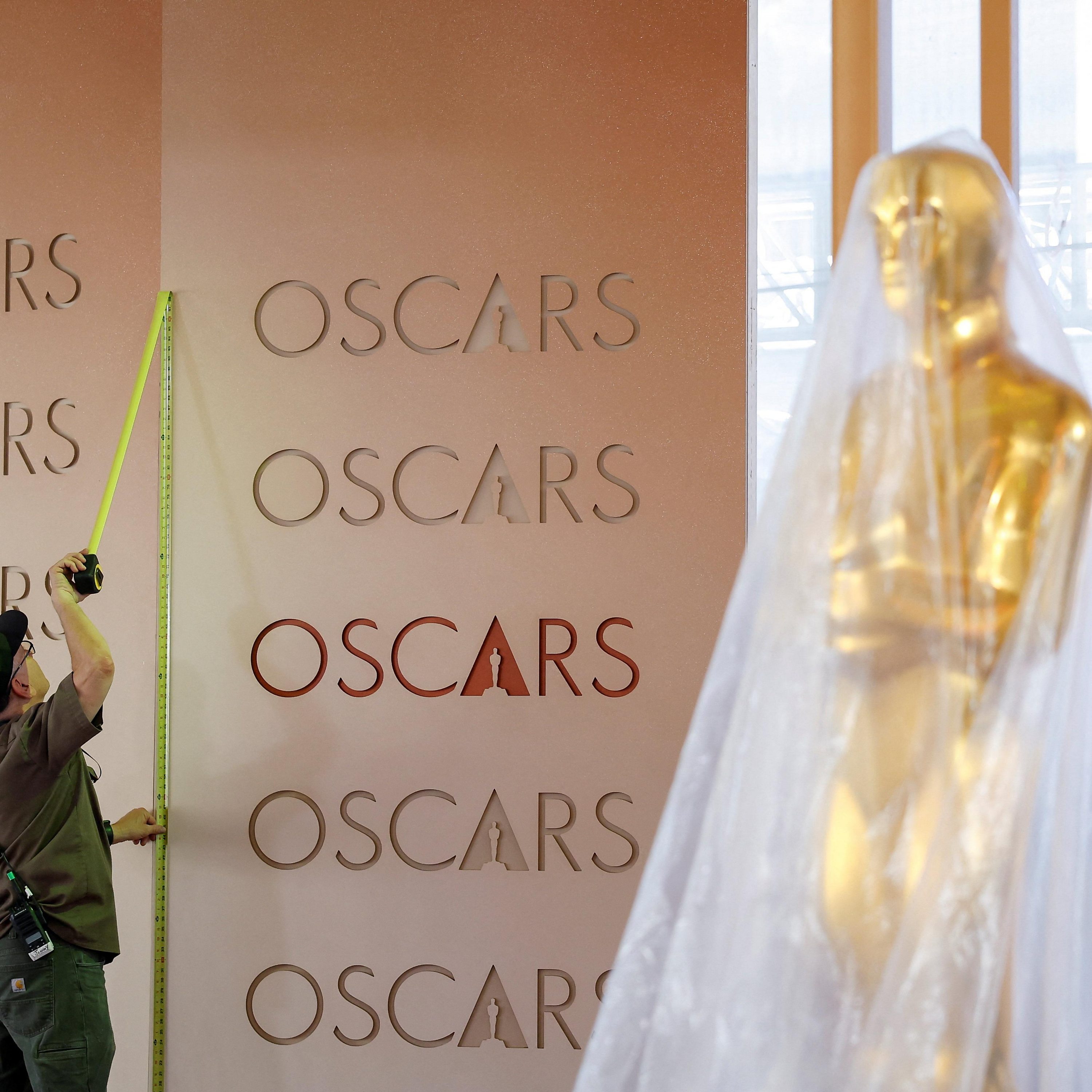
On Sunday, many of the film industry’s biggest stars will gather in Los Angeles for Hollywood’s biggest night: the 98th annual Academy Awards.Looming over the celebrations are some major upheavals in Hollywood: big corporate mergers, the incursion of AI, and mass layoffs. And it’s against that backdrop that the Oscars are increasingly nominating films, filmmakers, and actors from elsewhere in the world.BBC film reporter and critic Tom Brook explains how the Oscars went global, and what it can tell us about the status of American soft power.Producers: Xandra Ellin and Valerio EspositoExecutive producer: James ShieldMix: Travis EvansSenior news editor: China CollinsPhoto: Workers make preparations for the 98th annual Academy Awards ceremony in Los Angeles Credit: Reuters / Caroline Brehman

At a recent White House event, President Trump assessed how America’s allies have responded to the US-Israel war in Iran. He praised some, but was angry with others, notably Britain and its prime minister Keir Starmer. His anger with the UK seemed to centre around a British-owned island in the Indian Ocean, which he referred to as “that stupid island”. The island is one of about 60, known as the Chagos Islands. Tropical, remote, and very mysterious. So mysterious that one person who knows what goes on there said that if you did too, it would give you vertigo. The BBC’s diplomatic correspondent James Landale joins us to discuss what happens on the Chagos Islands that makes them so important to President Trump. What have they got to do with Iran, and why are they at the centre of an ever-growing diplomatic row? Producer: Lucy Pawle Executive producer: James Shield Sound engineer: Travis Evans Senior news editor: China Collins Photo: File photo of Diego Garcia, the largest island in the Chagos archipelago and site of a major United States military base in the middle of the Indian Ocean. Credit: Reuters
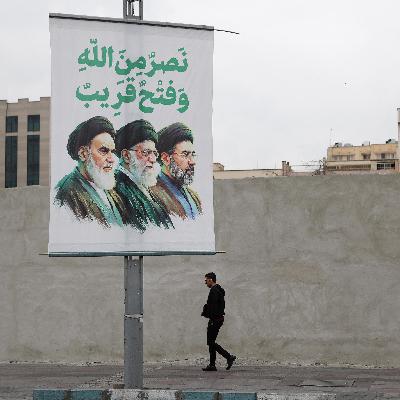
As the US-Israeli strikes on Iran continue and the death toll continues to rise, so too does the war of words. President Trump has described Mojtaba Khamenei, Iran's choice for new supreme leader, as "unacceptable". He has also said he believes the war will be over “pretty quickly”, but it’s not clear how - or when. Nate Swanson, a former State Department official who spent nearly two decades in the US government working on American policy towards Iran, answers our questions on how the next stage of the conflict is likely to unfold - and whether a negotiated peace with Iran is still an option. Producers: Chris Benderev, Cat Farnsworth and Valerio Esposito Executive producer: Bridget Harney Studio managers: James Piper and Mike Regaard.Mix: Travis Evans Senior news editor: China Collins Photo: People walk past a banner depicting the Iran's supreme leaders since 1979. The late supreme leader Ayatollah Ruhollah Khomeini; the late supreme leader Ayatollah Ali Khamenei; and his son, the new supreme leader Mojtaba Khamenei. Credit: Majid Asgaripour/WANA via Reuters.

Oil prices surged to a four-year high on Monday, before dipping after President Trump said the Iran war will end “very soon”. Just days ago, Trump said that he would not stop the war until Iran’s “unconditional surrender”.Turmoil in the region had led to the near complete shutdown of shipping traffic through the Strait of Hormuz, and Iran has reportedly said it will not allow “one litre of oil” to be exported from the Gulf if US-Israeli attacks continue.We speak to BBC economics correspondent Andy Verity about the lessons both the US and Iran might be learning from the oil crises of the 1970s, and ask whether oil could determine how and when the war ends.Producers: Sam Chantarasak and Xandra Ellin
Executive producer: James Shield
Studio manager: Mike Regaard
Mix: Travis Evans
Senior news editor: China CollinsPhoto: 3D-printed oil pump jacks, Iranian flag, and a rising stock graph appear in this illustration. Credit: Reuters/Dado Ruvic/Illustration/File Photo

As European leaders have struggled to find a unified response to the US-Israel war in Iran, Pedro Sanchez has stood out as a voice of dissent. He said in a televised address last week: “The position of the government of Spain can be summarised in three words: no to war.” The Spanish Prime Minister and US President have butted heads on many issues; the war in Gaza, immigration and defence spending among them, but in the past week their relationship got even more fiery, with Donald Trump threatening to cut off all trade with Spain. What makes Sanchez willing to stand up to Trump? And will his gamble be worth it? Guy Hedgecoe, a reporter for the BBC based in Madrid, joins us to discuss. Producers: Hannah Moore, Valerio Esposito and Chris Benderev
Executive producer: Bridget Harney
Mix: Travis Evans
Senior news editor: China Collins Photo: Spanish Prime Minister Pedro Sanchez delivers a speech during closing ceremony of the 'Spain, Vanguard in the Green Industry', in Madrid, Spain, 08 September 2025. Credit: Daniel Gonzalez/EPA/Shutterstock.

For Israel’s prime minister, Benjamin Netanyahu, the war on Iran is the culmination of a long-standing political ambition. On Sunday, Netanyahu said he was finally doing what he had “hoped to achieve for 40 years – to crush the regime of terror completely.” Polling suggests the war is popular in Israel too. But it’s a lot more complicated for Donald Trump. He was elected on a promise to end foreign wars, and current polling suggests the war is not supported by most Americans. We talk to the BBC’s international editor Jeremy Bowen about whether this war, which Netanyahu says is an opportunity, complements or collides with Donald Trump’s own interests. And ask if Benjamin Netanyahu has everything to gain from this war, and Donald Trump a lot more to lose? Producers: Lucy Pawle and Sam ChantarasakSound engineer: Travis Evans Senior news editor: China CollinsPhoto: Jonathan Ernst/Reuters. U.S. President Donald Trump points his finger towards Israeli Prime Minister Benjamin Netanyahu as they shake hands during a press conference after meeting at Trump’s Mar-a-Lago club in Palm Beach, Florida, U.S., December 29, 2025.
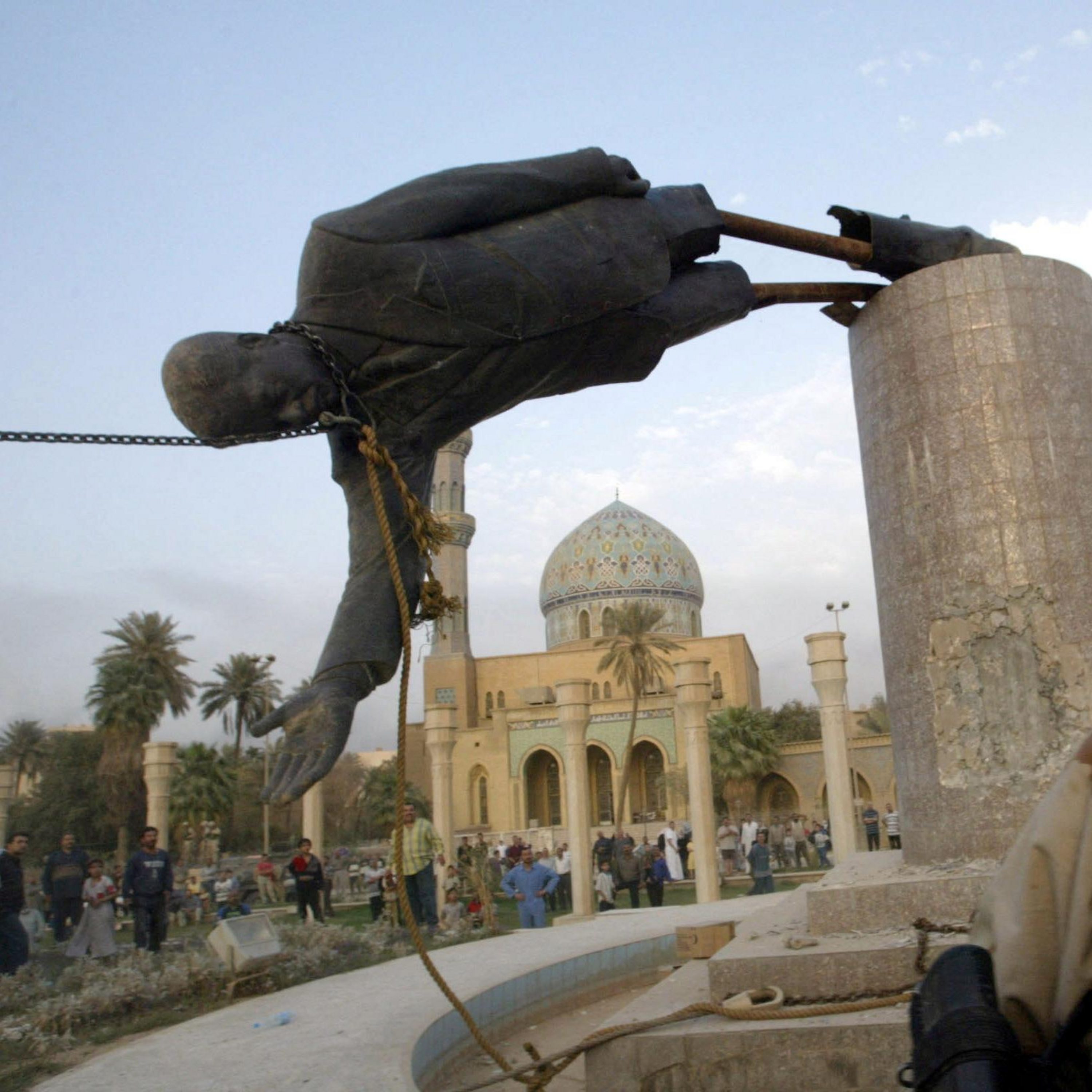
Following President Donald Trump’s announcement over the weekend that the United States was launching an offensive in Iran alongside the Israeli military, comparisons to past US interventions in the region began to proliferate. Many Americans asked whether this latest military operation would become another ‘forever war’, as the US invasions of Iraq and Afghanistan came to be called. We talk to Gordon Correra, security analyst for the BBC, about America’s complicated history of intervention in the Middle East and surrounding region, and ask what these past conflicts might tell us about possible outcomes for the war in Iran. Producer: Viv Jones, Aron Keller and Xandra Ellin Sound engineer: Travis Evans Senior news editor: China Collins Photo: A US soldier watches as a statue of Iraq's President Saddam Hussein falls in central Baghdad in 2003. Credit: Reuters/Goran Tomasevic
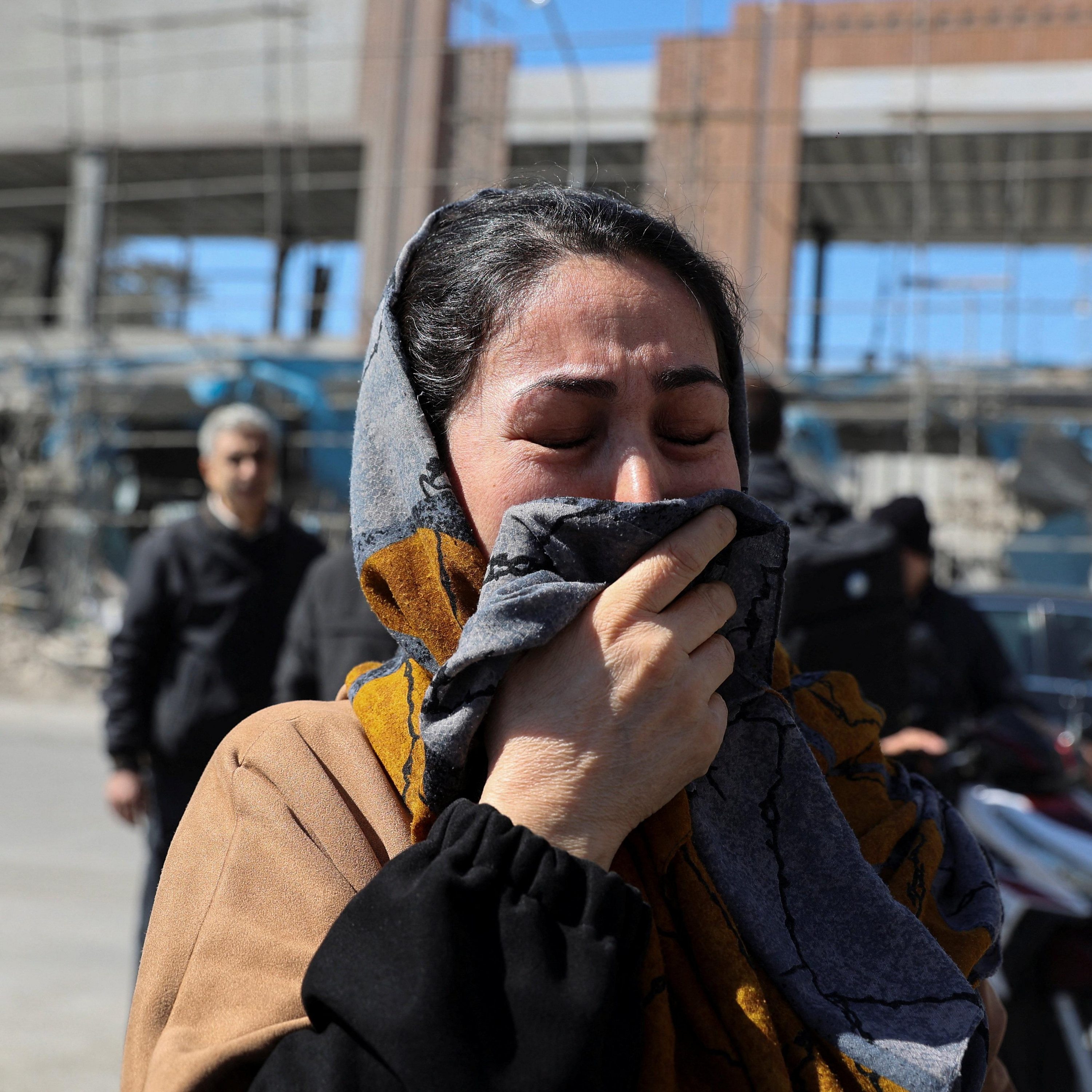
Five days since the first US–Israeli strikes on Iran, and the death of supreme leader Ayatollah Khamenei, the country is once again in a communications blackout. With limited access to reliable information, it is difficult to know how ordinary Iranians are coping.Parham Ghobadi, senior reporter and presenter at BBC Persian, has been speaking to people inside Iran to guage their fears, their expectations, and how they are navigating a moment that could reshape their country’s future.Producer: Viv Jones, Valerio Esposito and Chris BenderevExecutive producer: Bridget HarneySound engineer: Travis EvansSenior news editor: China Collins(Photo: A woman reacts on the street following an Israeli and US strike on a police station, amid the US-Israeli conflict with Iran, in Tehran. Credit: Majid Asgaripour/West Asia News Agency/Reuters)

The Gulf states are some of the wealthiest places on earth, and have until recently been mostly insulated from Middle East conflicts. But the US-Israel war with Iran is now engulfing the Gulf. The BBC’s security correspondent Frank Gardner joins us to discuss whether this is a moment that could change the entire region and affect all of us. Producers: Cat Farnsworth and Xandra Ellin
Mix: Travis Evans
Senior news editor: China CollinsPhoto: Smoke billows from Jebel Ali port in Dubai after an Iranian attack. Credit: Raghed Waked/Reuters.
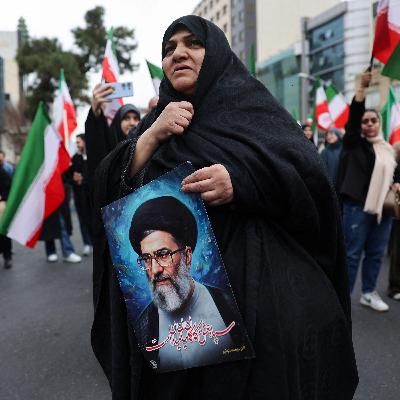
This weekend, Iranian state media confirmed that Ayatollah Ali Khamenei, who ruled Iran with an iron fist for more than 30 years, had been killed in joint US-Israeli strikes. In Iran, his death was met with an outpouring of grief by his supporters, while many across the country and in the diaspora met the news with jubilation and a tentative sense of hope. But what happens now? President Trump has urged Iranians to “seize control of your destiny, and to unleash the prosperous and glorious future that is close within your reach,” but how realistic are the prospects of them forming a new – and significantly different - government? And how will the weakened regime retaliate against the US and Israel’s strikes? Caroline Hawley, Diplomatic Correspondent for the BBC, joins us to discuss. Producers: Hannah Moore, Aron Keller and Chris Benderev Executive producer: Bridget Harney Mix: Travis Evans Senior news editor: China Collins Photo: A woman holds an image of Iran's Supreme Leader Ayatollah Ali Khamenei in Tehran, Iran. Credit: Majid Asgaripour/WANA via Reuters.
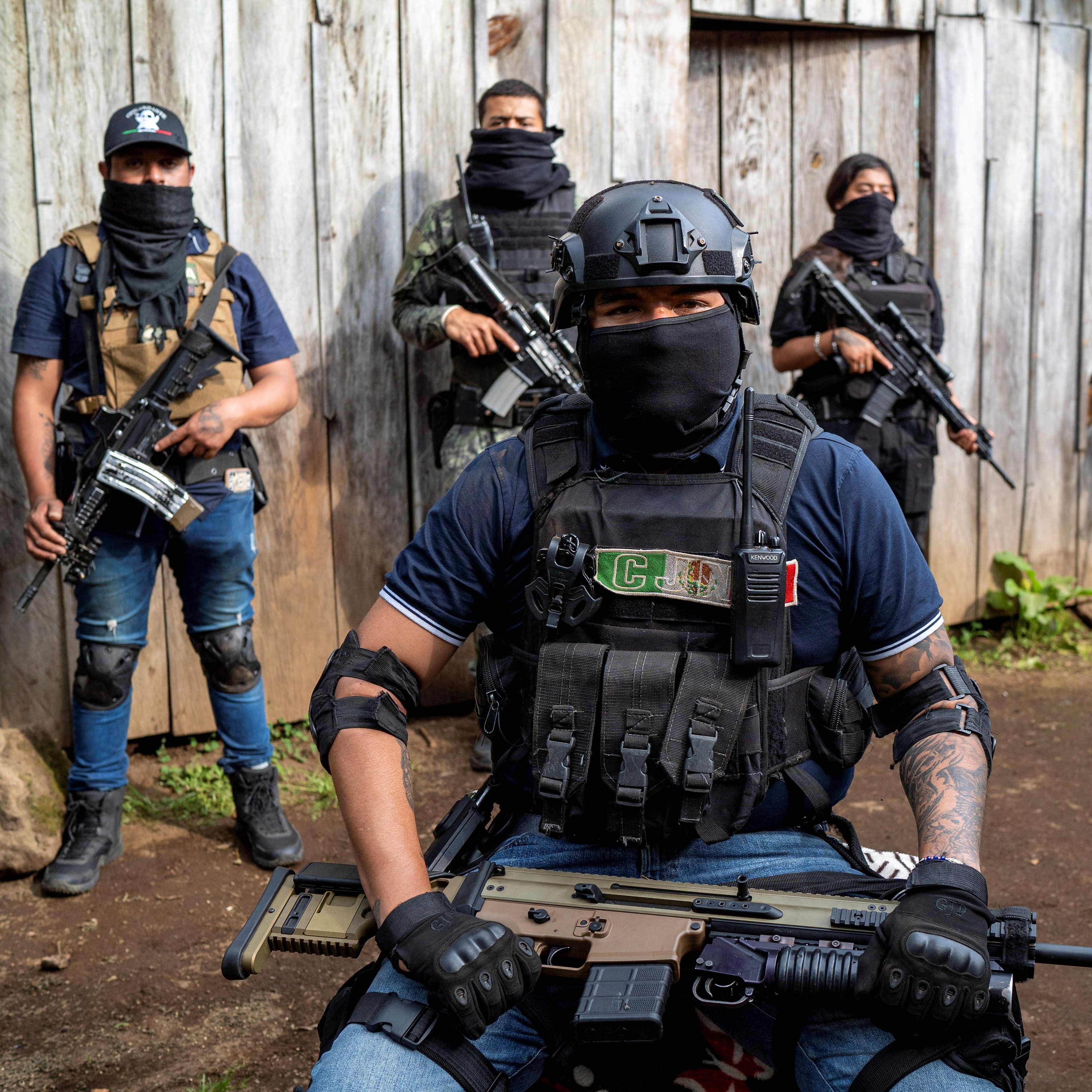
Mexico’s most wanted man – Nemesio Oseguera Cervantes, better known as “El Mencho” – was killed during a security operation to arrest the cartel leader on Sunday. In the days that followed, the operation was celebrated by President Trump in his State of the Union address. But it came at a cost, as cartel members carried out retaliatory rampages across Mexico and turned many towns and cities into war zones.El Mencho’s death came after months of pressure from the Trump administration on Mexico to do more to fight the drug cartels. According to one NBC News report, the US even considered sending troops into Mexico. Our correspondent, Will Grant, examines the dilemma Mexican President Claudia Sheinbaum now faces – and we ask if she is now caught between Trump and the cartels. Producers: Chris Benderev and Aron Keller Executive producer: James Shield Mix: Travis Evans Senior News Editor: China CollinsImage Credits: FILE PHOTO: Members of the Jalisco New Generation Cartel (CJNG), led by Nemesio Oseguera, known as “El Mencho,” poses for a photo at an undisclosed location in Michoacan state, Mexico, October 15, 2022. REUTERS/Stringer
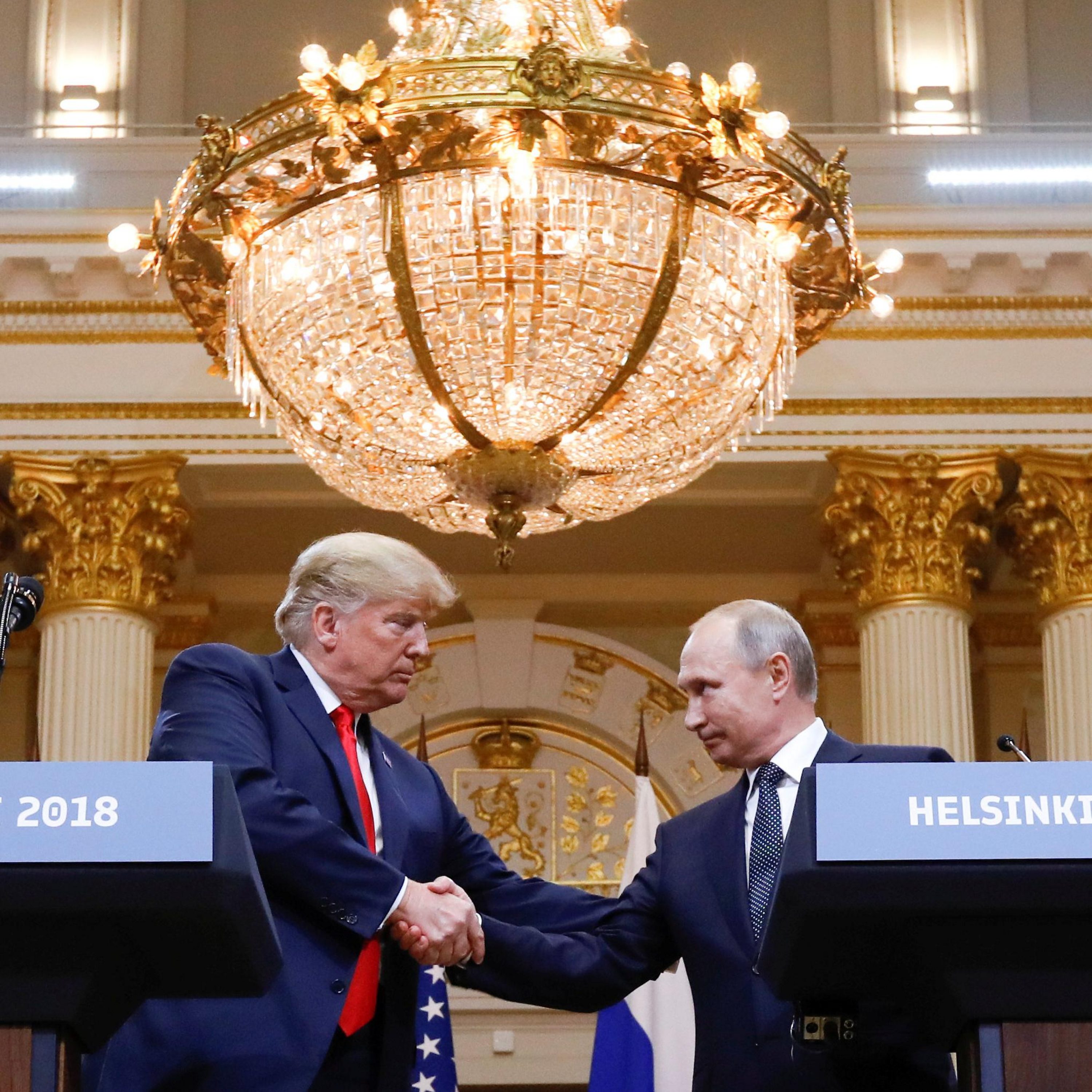
As the war in Ukraine enters its fifth year, the prospect of peace feels as distant as ever. President Trump hasn’t yet succeeded in striking a deal, and negotiations between the US, Russia and Ukraine have yet to produce a breakthrough. Fiona Hill is one of the foremost authorities on Vladimir Putin and a former White House advisor on Russia during Trump’s first term. Over the course of her career, she has sat across the table from the Russian president and helped shape US policy at the highest level. She tells us what it is really like to be in the room Putin and Trump, and whether a durable peace in Ukraine is still within reach. Producers: Chris Benderev and Valerio Esposito Executive producer: James Shield Sound engineer: Travis Evans Senior news editor: China Collins (Photo: Donald Trump and President Vladimir Putin together. Credit: Kevin Lamarque/Reuters)


Download from Google Play

Download from App Store
 United States
it is amazing how journalist still refuse to acknowledge climate change and the most destabilising of forces in the next decades.
thanks for great production. I am a big fan of this podcast. Similarly a fan of geography and history. About this especific episode, the guest of the episode mentioned gulf several times, and I was confused about which golf he meant. once he mentioned Arab Gulf, this one is could not find on any map 😅. please help.
Discover The Global Story, a journey that connects cultures, ideas, and innovations worldwide while exploring transformative insights and celebrating diversity. At the same time, advance your cybersecurity career with the Microsoft Certified: Security Operations Analyst Associate SC-200. DumpsBuddy provides comprehensive study materials, real exam questions, and practice tests to help you master security operations, detect threats, and achieve first-attempt certification success with confidence. Click Here: https://www.dumpsbuddy.com/sc-200-certification-exam.html
Parham bullshitting you! & you are naively echo it here, at least ask someone else! His history in white washing regime is notorious!
I’ve been going through a lot of discussions here about managing daily responsibilities, and one tool that really stood out to me is Sorry it’s your problem now . It’s a practical planner designed to help keep things organized, reduce stress, and make handling both personal and work tasks much easier. If anyone is looking for a straightforward way to stay on track, it’s definitely worth checking out.www.sorryitsyourproblemnowplanner.com
Is this podcast ever going back to normal, or did it just get replaced by a Trump podcast?
It is called Persian Gulf. Did they even teach you geography in school? From the Persian Gulf to the Gulf of Mexico, we stand against the distortion of history.
babe it's not just gulf, it's Persian gulf.
dear god kill this string already there are other things going on in the world.
we need Transltion to Arabic
I need Transltion to Arabiczee
poor audio
Absolutely devastating. So deeply sad that it hurts my very soul.
Finally we're free.✌️💚🕊️
Prefabrik evler, modern yaşamın ihtiyaçlarına uygun olarak tasarlanmış, pratik ve ekonomik konut çözümleridir. Fabrikada üretilen modüllerin hızlı bir şekilde inşa alanında birleştirilmesiyle oluşan bu yapılar, kullanıcılarına zaman ve maliyet avantajı sağlar. Çeşitli mimari stiller ve iç mekan düzenlemeleri ile kişiselleştirilebilirler. Enerji verimliliği ve dayanıklılık özellikleri sayesinde uzun ömürlü bir yaşam alanı sunar. Ayrıca, sürdürülebilir malzemelerin kullanımıyla çevre dostu bir alternatif oluşturur. https://prefabrikhazirev.com/prefabrik-ev-fiyatlari/
death to zionism
Many of us here in Australia definitely don't want a foreign Head Of State. That was also the case for the 1997 referendum, which failed. Not for lack of support for an Australian Republic, but because of a squabble as to how The President should be chosen. Still unresolved, 27 years later. We have King Charles on our currency, it's a national embarrassment. Some haven't woken up that we are an independent country; we do have some royalists, still swooning and toadying to the royal forelocks.
You clearly have taken side with Kamala in this podcast, disgusting
yesterday's source is broken
Hardly a political earthquake. They only got 1.6 % more votes than Jeremy Corbans Labour. Reform party done more damage to Tories losing seats