DiscoverThe Something to Say Podcast
The Something to Say Podcast
Claim Ownership

The Something to Say Podcast

Author: Something to Say

Subscribed: 4Played: 18
Share

Description

Founded by Jeremy Indika in 2019, Something to Say is a safe place to share our truth and empower others. We are a community built to break the silence around child abuse, committed to changing the narrative and re-writing the story. Together, we can change the narrative. 


To see more - https://jeremyindika.com/stories/

Official website - https://somethingtosayofficial.com/

To share your story - https://jeremyindika.com/contact/#form-something


⁠⁠Here's how you can support our mission:⁠

⁠

✅Follow our page for inspiring content and updates⁠

👕 Wear our merch to help start conversations⁠

💚Donate to fuel our efforts⁠

🔐 Sign up for exclusive and early access content on Patreon⁠

💬 Like, comment, and share our posts to spread the message of survivor support and community empowerment. ⁠


Instagram: www.instagram.com/somethingtosayofficial

Facebook: www.facebook.com/somethingtosayofficial1

LinkedIn: uk.linkedin.com/company/something-to-say1

Twitter: @sts_official_1  

TikTok: @somethingtosayofficial  


Merchandise: https://somethingtosayofficial.com/collections/all

Patreon: https://somethingtosayofficial.com/pages/patreon


We want change and wont stop.


Hosted on Acast. See acast.com/privacy for more information.
48 Episodes
Reverse
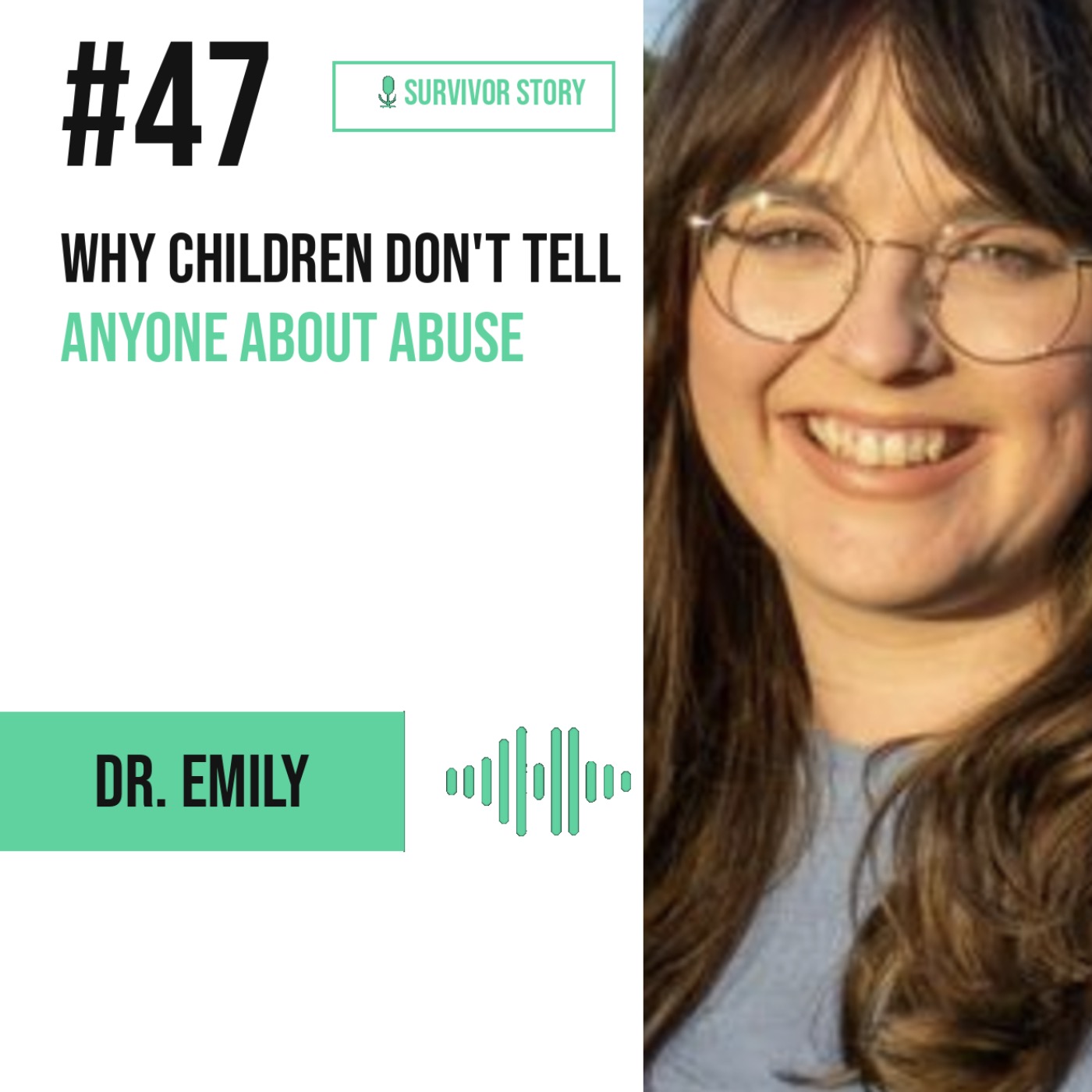
Clinical psychologist Dr Emily combines professional expertise with her own lived experience of childhood trauma to explain why child abuse is so often hidden in plain sight. She explores why many children don't disclose abuse, how fear, shame, manipulation and loyalty can keep them silent, and why disclosure is often a gradual process rather than a single conversation.Drawing on psychology and personal experience, Dr Emily explains how abusive relationships can distort a child's understanding of love, safety and what is considered normal. She discusses the long-term impact of abuse, including shame, complex trauma, difficulties with trust, and why many survivors only recognise the abuse years later. She also examines why families, professionals and institutions sometimes miss the warning signs, and how secrecy can allow abuse to continue.Importantly, this conversation also offers hope. Dr Emily explains how healing is possible through safe relationships, effective therapy, and the brain's remarkable ability to adapt. She shares practical guidance on how adults, schools and communities can create environments where children feel safe enough to ask for help, and why listening with curiosity and compassion can change a child's life.If you're a parent, teacher, professional, survivor, or simply want to better understand the lasting impact of childhood abuse, this is an important conversation about recognising the signs, challenging common misconceptions, and helping protect children.To contact Dr Emily on Instagram: @dremilythepsychologistJoin our YouTube or Patreon Memberships for extra content and early access:https://www.patreon.com/c/SomethingtoSayYouTube membership: https://www.youtube.com/@SomethingtoSayofficial/membershipTo follow us on social media:Instagram: https://www.instagram.com/somethingtosayofficialFacebook: https://www.facebook.com/somethingtosayofficial1Linkedin: https://www.linkedin.com/company/something-to-say1TikTok: https://www.tiktok.com/@somethingtosayofficialThis podcast provides a platform for contributors to share their own lived experiences. Unless expressly stated otherwise, Something to Say has not independently verified the factual accuracy of statements made by contributors and does not endorse or adopt any allegations, assertions, opinions or conclusions expressed in this recording. This podcast provides a platform for contributors to share their own lived experiences. Unless expressly stated otherwise, Something to Say has not independently verified the factual accuracy of statements made by contributors and does not endorse or adopt any allegations, assertions, opinions or conclusions expressed in this podcast. Hosted on Acast. See acast.com/privacy for more information.
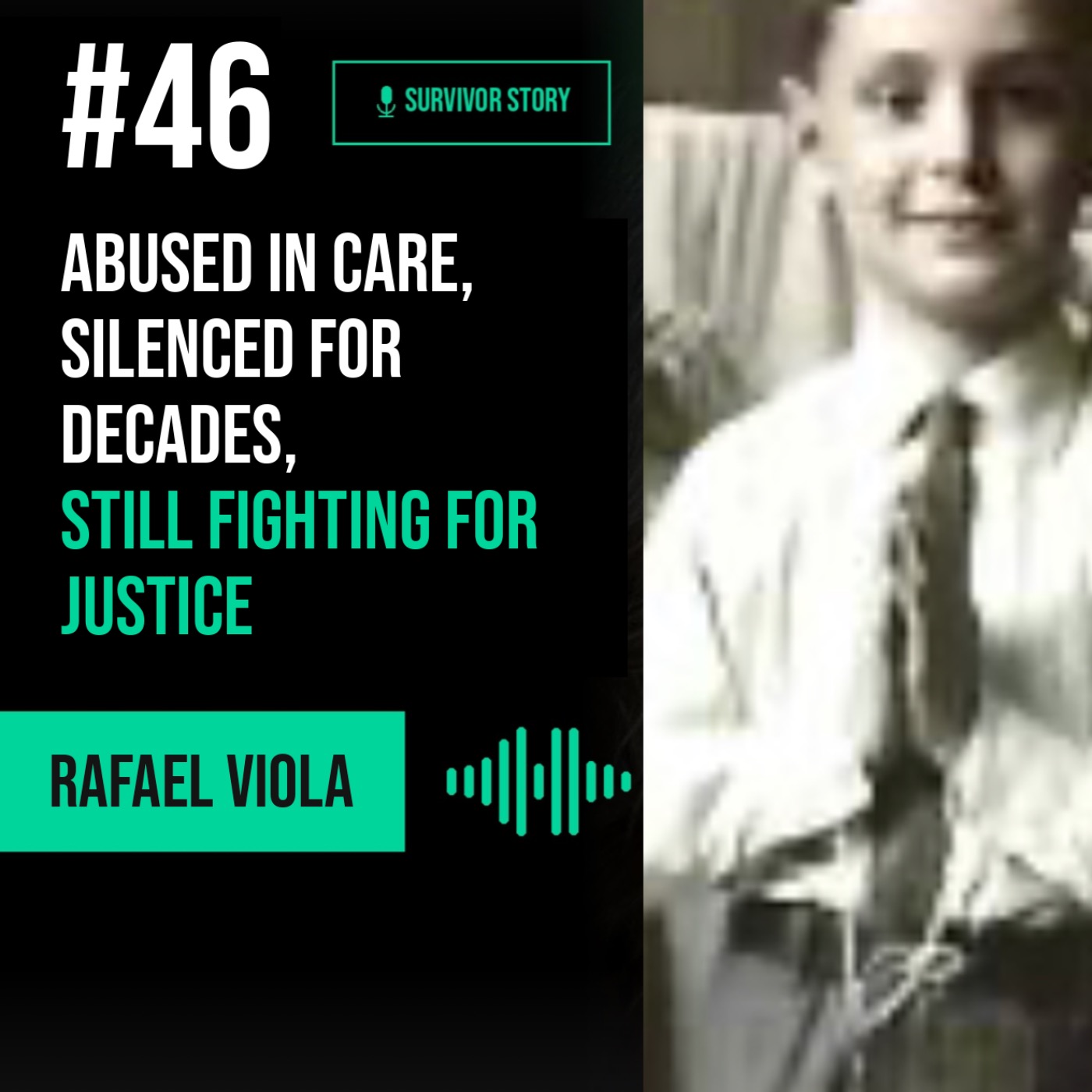
Rafael Viola was just nine years old when he was placed into the care of the local authority. Over the years that followed, he lived in five children's homes, where he says he experienced physical, psychological, and sexual abuse.In this powerful interview, Rafael reflects on the lifelong impact of childhood abuse, from the loss of trust and interrupted education to mental health struggles, addiction, and suicide attempts. He also shares what has helped him continue, speaking openly, connecting with other survivors, and campaigning for accountability.The conversation also explores Rafael Viola’s ongoing fight for justice, including his involvement in major public inquiries that cost around £200 million, yet whose key recommendations remain unimplemented.This interview contains discussions of child sexual abuse, suicide, and trauma that some viewers may find distressing.If you found this conversation valuable, please consider subscribing. Every subscriber helps us reach more people, increase understanding of child sexual abuse, and continue creating conversations that protect children and support survivors. 💚To contact Rafael:LinkedIn: https://www.linkedin.com/in/rafael-viola-228721158/Instagram: https://www.instagram.com/violarafaelX: https://x.com/rafael_voilaTikTok: https://www.tiktok.com/@stealinglives_Book: https://stealinglivesbook.comJoin our YouTube or Patreon Memberships for extra content and early access: https://www.patreon.com/c/SomethingtoSayYouTube membership: https://www.youtube.com/@SomethingtoSayofficial/membershipTo follow us on social media:Instagram: https://www.instagram.com/somethingtosayofficialFacebook: https://www.facebook.com/somethingtosayofficial1Linkedin: https://www.linkedin.com/company/something-to-say1TikTok: https://www.tiktok.com/@somethingtosayofficialThis podcast provides a platform for contributors to share their own lived experiences. Unless expressly stated otherwise, Something to Say has not independently verified the factual accuracy of statements made by contributors and does not endorse or adopt any allegations, assertions, opinions or conclusions expressed in this recording. This podcast provides a platform for contributors to share their own lived experiences. Unless expressly stated otherwise, Something to Say has not independently verified the factual accuracy of statements made by contributors and does not endorse or adopt any allegations, assertions, opinions or conclusions expressed in this podcast. Hosted on Acast. See acast.com/privacy for more information.
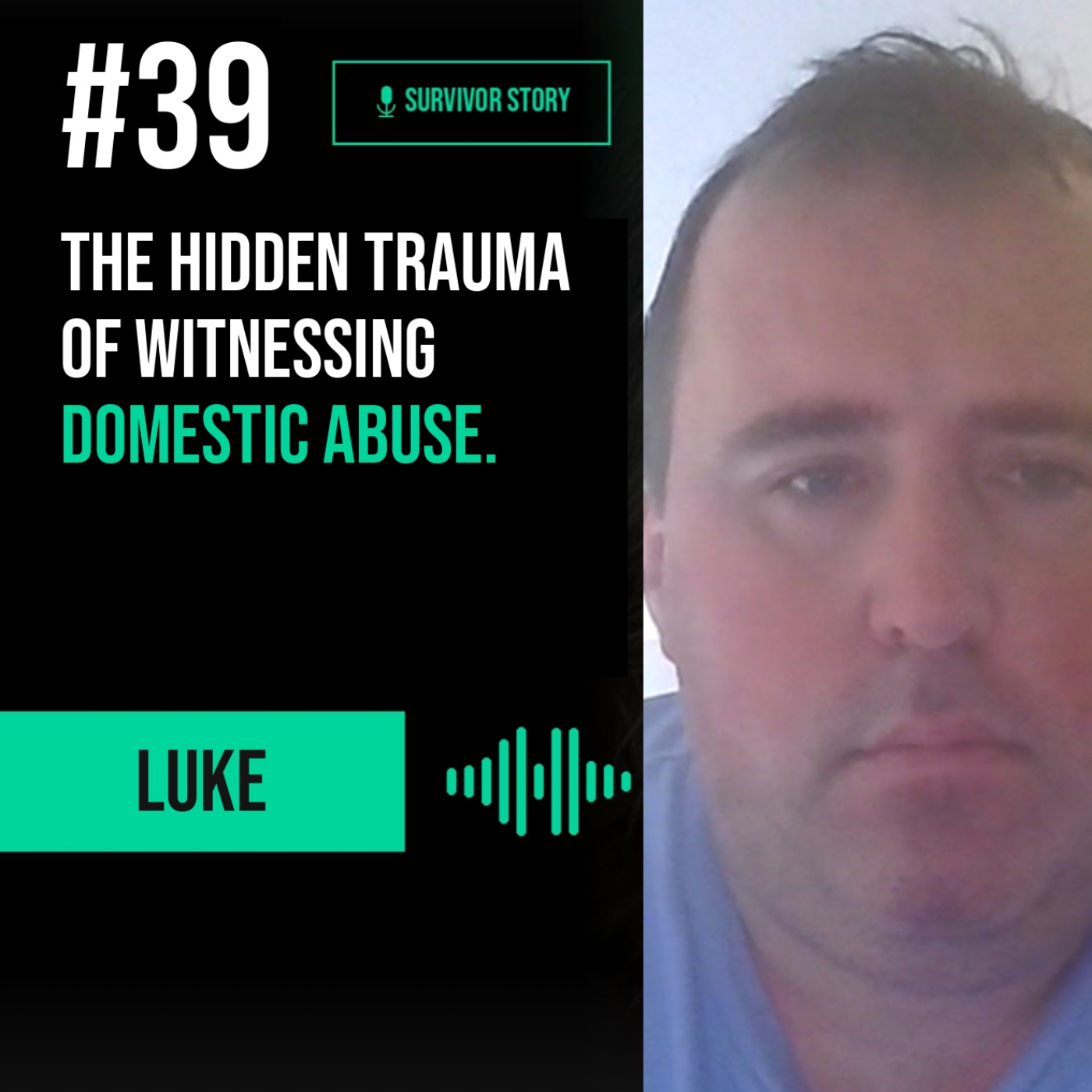
EXCLUSIVELY FOR WORLD SUICIDE PREVENTION DAYFor years, conversations around childhood trauma have rightly focused on CSA awareness, but there’s another form of abuse that often goes unseen: children witnessing domestic violence inside their own homes.In this video, Luke shares the impact of growing up in an environment shaped by fear, violence, and silence. As a neurodivergent child, he witnessed his mother being beaten by his birth father behind closed doors while the outside world saw nothing unusual. To neighbours, friends, and even professionals, his father appeared calm, respectable, and unsuspecting.Luke also speaks about the deep sense of betrayal he felt from local services that failed to protect his family when help was needed most. The abuse may not have always been directed at him physically, but witnessing it left lasting psychological scars that followed him into adulthood.For decades, Luke buried what he had seen. The anxiety, emotional struggles, and mental health difficulties stayed with him throughout his life, but he never fully spoke about the trauma, until his mid-30s, when he finally began therapy. His therapist became the first person he had ever told the full truth to.This story is a reminder that children do not have to be physically assaulted to be deeply harmed by abuse. Witnessing domestic violence can shape a child’s nervous system, self-worth, relationships, and mental health for years to come.If this video resonates with you, or if you grew up around domestic abuse, know that your experiences matter and deserve to be acknowledged.To contact Luke: http://www.linkedin.com/in/luke-appleyard-140284293Join our YouTube or Patreon Memberships for extra content and early access:Patreon: https://www.patreon.com/c/SomethingtoSayYouTube membership: https://www.youtube.com/@SomethingtoSayofficialTo follow us on social media:Instagram: https://www.instagram.com/somethingtosayofficialFacebook: https://www.facebook.com/somethingtosayofficial1Linkedin: https://www.linkedin.com/company/something-to-say1TikTok: https://www.tiktok.com/@somethingtosayofficialThis podcast provides a platform for contributors to share their own lived experiences. Unless expressly stated otherwise, Something to Say has not independently verified the factual accuracy of statements made by contributors and does not endorse or adopt any allegations, assertions, opinions or conclusions expressed in this recording. This podcast provides a platform for contributors to share their own lived experiences. Unless expressly stated otherwise, Something to Say has not independently verified the factual accuracy of statements made by contributors and does not endorse or adopt any allegations, assertions, opinions or conclusions expressed in this podcast. Hosted on Acast. See acast.com/privacy for more information.
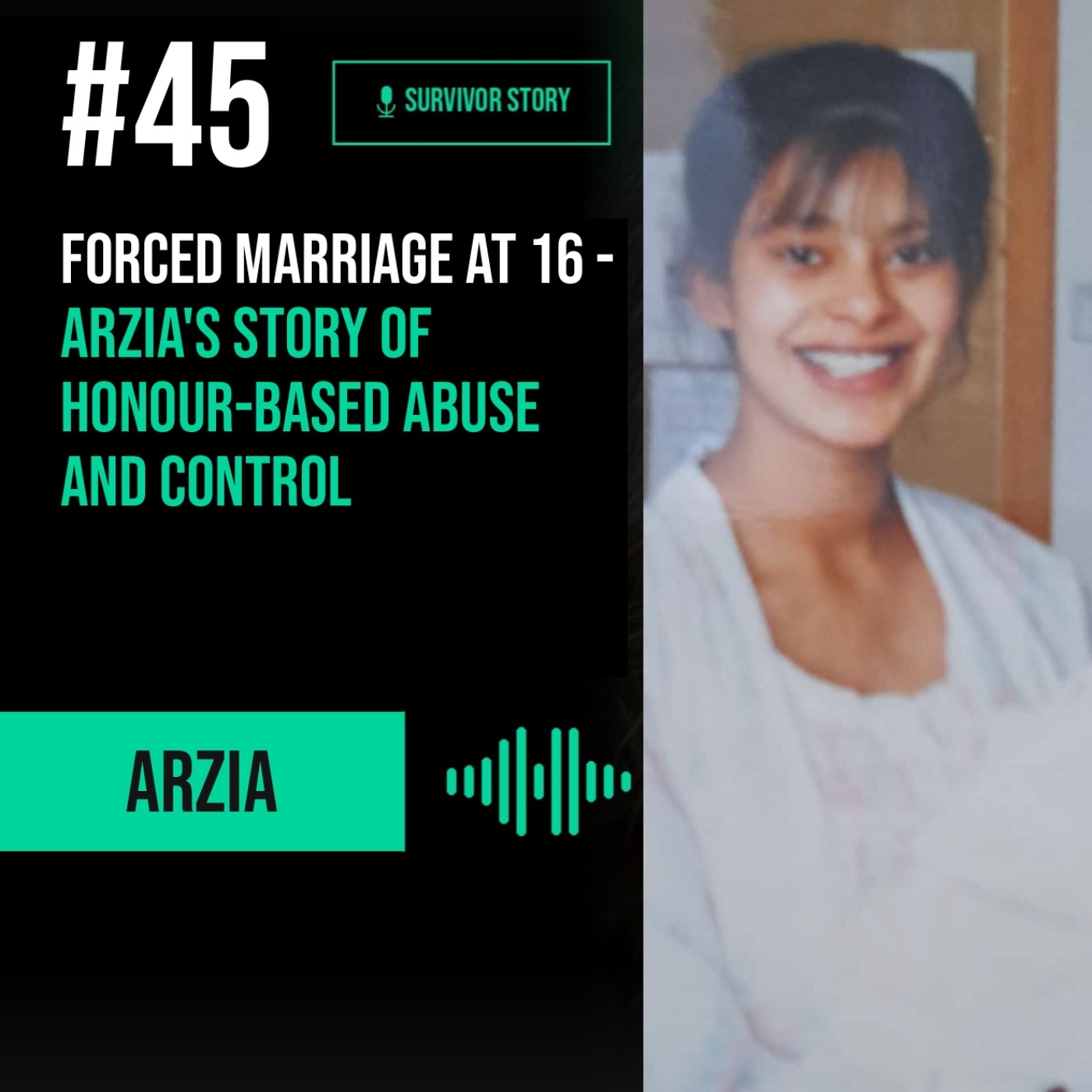
Forced Marriage at 16

Forced Marriage at 16

2026-09-0312:38

Honour-based abuse isn't only about the extreme cases we hear about in the media. It can also involve controlling where someone goes, who they see, whether they can work or study, who they marry, and whether they're allowed to make decisions about their own life.In this deeply personal video, Arzia shares her experience of growing up in a family where control, physical abuse, forced marriage and isolation were part of everyday life.Arzia speaks about being one of seven siblings, being prevented from pursuing education and work, and being forced into marriage at 16. She describes being taken to Bangladesh against her wishes, having her passport taken, and being prevented from returning home.She also reflects on what it was like to speak about the abuse and not be believed, including being told that she was imagining or exaggerating what had happened.Her story highlights how abuse can remain hidden when people outside the home see only a carefully maintained image of a respectable family.This is a difficult story, but it's an important conversation about honour-based abuse, coercive control, child abuse, forced marriage, and the ways silence and disbelief can allow harm to continue. 💚To contact Arzia:Youtube: https://youtube.com/@arziaabbasi1121Instagram: https://www.instagram.com/arzia786Facebook: https://www.facebook.com/share/g/1CDrkXMCv3/Linked In: https://www.linkedin.com/in/🔥arzia-abbasi-23187164Join our YouTube or Patreon Memberships for extra content and early access: https://www.patreon.com/c/SomethingtoSayYouTube membership: https://www.youtube.com/@SomethingtoSayofficial/membershipTo follow us on social media: Instagram: https://www.instagram.com/somethingtosayofficialFacebook: https://www.facebook.com/somethingtosayofficial1Linkedin: https://www.linkedin.com/company/something-to-say1TikTok: https://www.tiktok.com/@somethingtosayofficialThis podcast provides a platform for contributors to share their own lived experiences. Unless expressly stated otherwise, Something to Say has not independently verified the factual accuracy of statements made by contributors and does not endorse or adopt any allegations, assertions, opinions or conclusions expressed in this podcast.This podcast provides a platform for contributors to share their own lived experiences. Unless expressly stated otherwise, Something to Say has not independently verified the factual accuracy of statements made by contributors and does not endorse or adopt any allegations, assertions, opinions or conclusions expressed in this podcast. Hosted on Acast. See acast.com/privacy for more information.
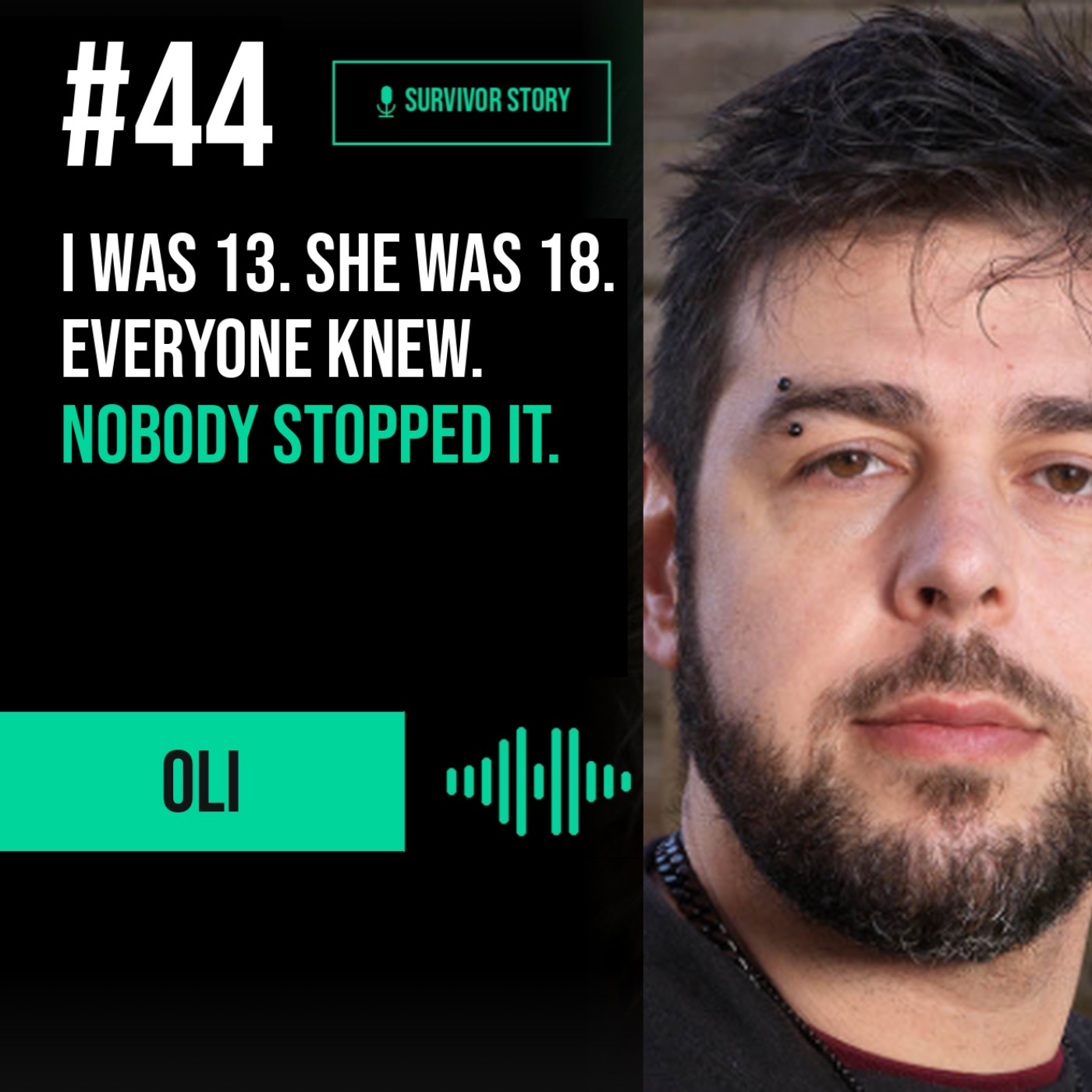
At just 13 years old, Oli entered a relationship with an 18-year-old woman, a relationship that was known by friends, family, and teachers but never stopped. In this honest reflection, he explores how childhood sexual abuse can be misunderstood, particularly when the victim is male.He discusses how his partner was also a victim of severe abuse, how previous experiences of online grooming and sexual assault shaped his understanding of relationships, and how the abuse affected his perception of consent, sexuality, and healthy boundaries for years.Oli also reflects on the lasting impact of early internet exploitation, why many male survivors fail to recognise what happened to them until adulthood, and how these experiences have made him determined to protect his own daughter and raise awareness of child sexual abuse and online safety.To contact Oli:Website: https://www.olidnejad.comSubstack: https://drolidelgaramnejad.substack.comMedium: https://medium.com/@c0gn8pgrYouTube: https://www.youtube.com/@InsideschizophreniahreniaJoin our YouTube or Patreon Memberships for extra content and early access: https://www.patreon.com/c/SomethingtoSayYouTube membership: / @somethingtosayofficialTo follow us on social media:Instagram: https://www.instagram.com/somethingtosayofficialFacebook: https://www.facebook.com/somethingtosayofficial1Linkedin: https://www.linkedin.com/company/something-to-say1TikTok: https://www.tiktok.com/@somethingtosayofficialThis podcast provides a platform for contributors to share their own lived experiences. Unless expressly stated otherwise, Something to Say has not independently verified the factual accuracy of statements made by contributors and does not endorse or adopt any allegations, assertions, opinions or conclusions expressed in this recording. This podcast provides a platform for contributors to share their own lived experiences. Unless expressly stated otherwise, Something to Say has not independently verified the factual accuracy of statements made by contributors and does not endorse or adopt any allegations, assertions, opinions or conclusions expressed in this podcast. Hosted on Acast. See acast.com/privacy for more information.
loading
Comments
