


 Claim Ownership
OneMedicine Podcast
Subscribed: 1Played: 13
Subscribe
© 2024 Today's Practitioner
Description
Improving health outcomes is the goal of every practitioner. Finding the solutions for challenging chronic conditions often requires precious time, extensive research, and sometimes even trial and error. Join Rob Lutz, the host and founder of Today’s Practitioner, as he interviews recognized experts and shares their knowledge and proven treatment protocols. Peer to peer guidance can be the most direct path to finding effective solutions for the conditions impacting your patients.
30 Episodes
Reverse
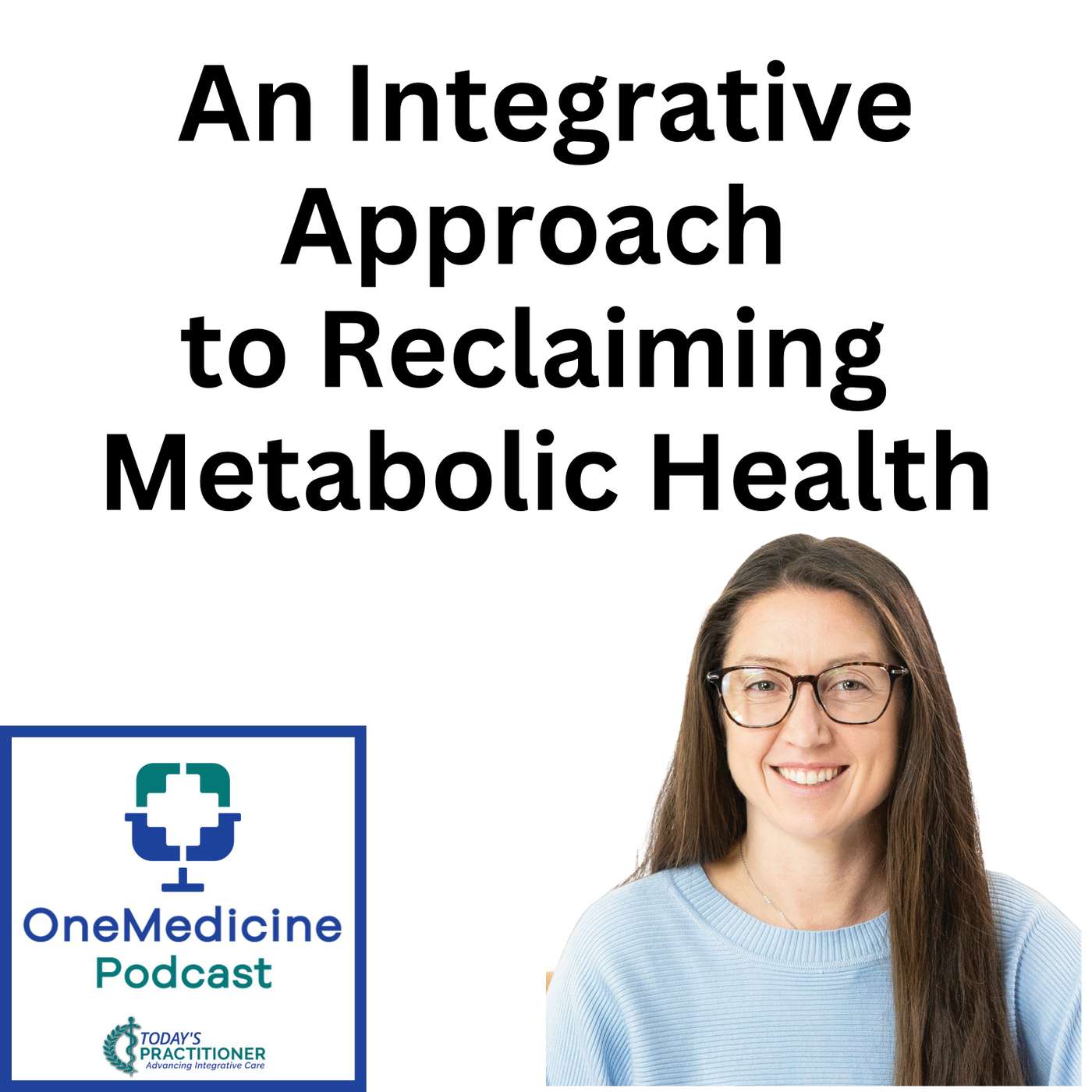
This episode is sponsored by EuroMedica - https://www.euromedicausa.com/ In this episode of the OneMedicine Podcast, Rob Lutz sits down with Dr. Lexi Loch, ND, to discuss an integrative approach to metabolic health. They explore what metabolism really means beyond weight, why metabolic dysfunction is often missed early, and how clinicians can better identify risk using tools like fasting insulin, HOMA-IR, body composition trends, and inflammatory markers. Dr. Loch also shares practical, realistic strategies for supporting metabolic health, including nutrition, sleep, stress management, circadian alignment, resistance training, and post-meal movement. The conversation also covers key supplements and botanicals that may support metabolic function, including berberine, omega-3s, curcumin, CoQ10, and glutathione. Key Takeaways● Metabolism is more than weight — it reflects ongoing energy production, insulin sensitivity, and metabolic flexibility.● Fasting insulin can reveal dysfunction years before fasting glucose or A1C changes.● Metabolic syndrome is increasingly common, including in younger adults.● Foundational lifestyle habits — sleep, stress reduction, movement, and circadian rhythm support — are essential.● A Mediterranean-style eating pattern is practical, sustainable, and supportive of metabolic health.● Resistance training and post-meal walking can significantly improve glucose handling.● Supplements such as berberine, omega-3s, curcumin, CoQ10, and glutathione may help, especially when paired with lifestyle changes. Topics Covered● What metabolic health really means● Current limitations in diagnosing metabolic syndrome● The role of fasting insulin and HOMA-IR● CGMs and body composition tracking● Nutrition strategies for metabolic support● Resistance training and daily movement● Stress, sleep, and circadian rhythm● Supplement options for metabolic dysfunction Key Moments:00:00 – Intro07:13 – Fasting insulin as an early indicator of metabolic dysfunction 15:07 – Importance of morning sunlight for circadian rhythm and metabolism36:42 – Berberine mechanism and benefits for metabolic health45:46 – Low levels of glutathione and metabolic syndrome Guest Bio:Dr. Lexi Loch, ND received her Doctorate in Naturopathic Medicine from the National University of Natural Medicine, where she graduated with highest honors. In addition to her practice, she is a medical writer and editor, researcher, educator, and patient advocate. Her articles have been published in various natural health periodicals and reference books. Prior to her education as a physician, Dr. Loch worked in veterinary medicine as a certified veterinary technician. She is also an accomplished athlete, playing collegiate volleyball and participating in overseas tournaments, an avid snowboarder, and has been world-ranked in downhill longboarding. Dr. Loch is a member of the Scientific Affairs andEducation team for EuroPharma, Inc. Thanks for listening in. I hope you found today’s episode interesting and came away with a few insights you can apply to your practice. If you want to go deeper on this topic or anything else, please visit https://todayspractitioner.com and consider registering for our weekly newsletter as well. Thanks again, and I hope you’ll join us next time. This content is for educational purposes only and is not medical advice. Medical intuition is not a medical diagnosis or treatment. Consult a licensed healthcare provider about any health concern.
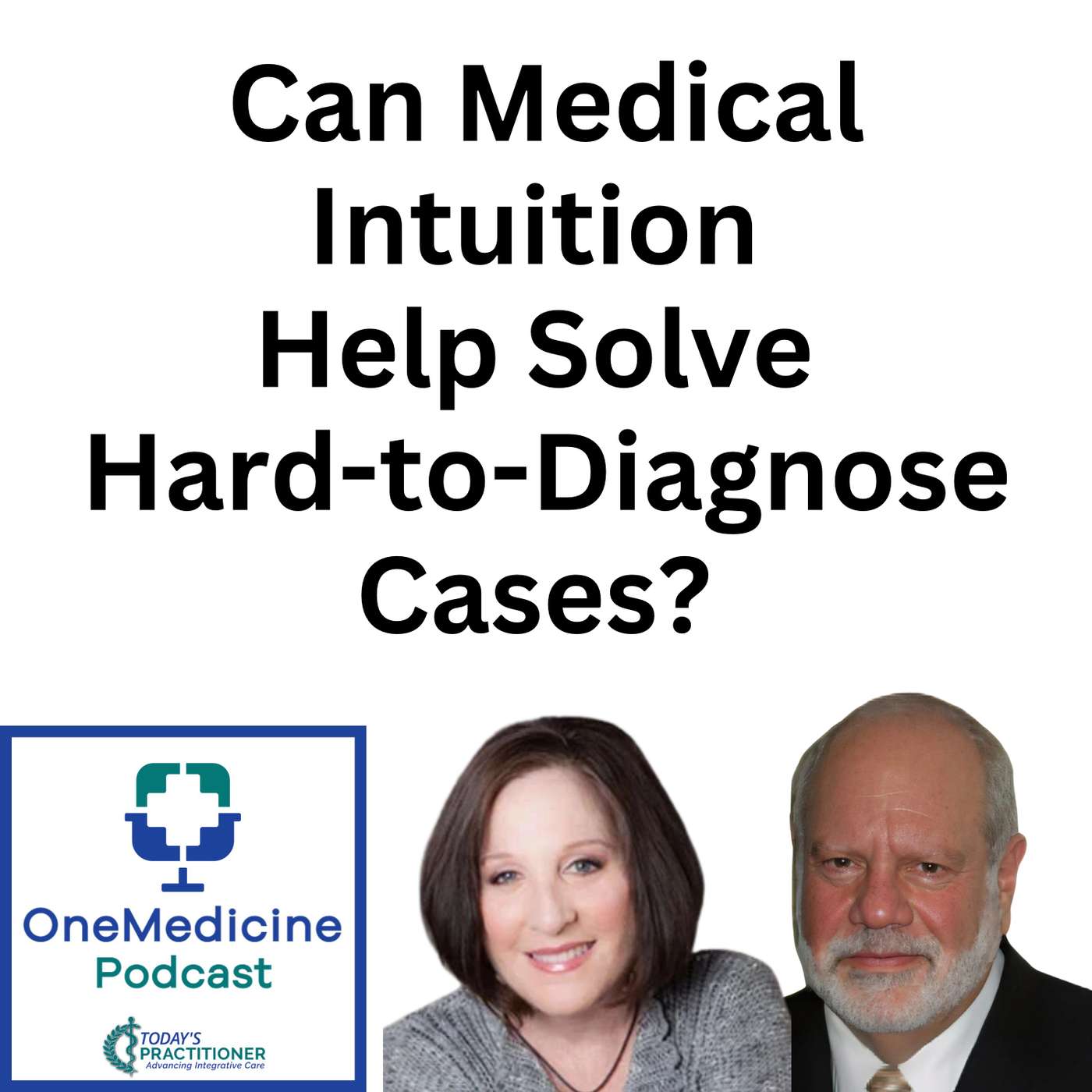
What happens when a board-certified endocrinologist can't find the cause of a patient's fever, and calls a medical intuitive? In this episode, Dr. Leonard Wisneski shares the case that changed his mind. Wendie Colter explains the new physician study behind it. Rob Lutz talks with Wendie Colter, a professional medical intuitive, and Leonard Wisneski, MD, about a study published in June 2026 with the Institute of Noetic Sciences (IONS). In it, physicians, patients, and medical intuitives met together in one session to explore difficult, unresolved cases. In this episode, you'll learn:● What medical intuition is, and what it isn't (an assessment skill, not a diagnosis, treatment, or modality)● The fever-of-unknown-origin case that led Dr. Wisneski to take medical intuition seriously● How the IONS study worked: 6 physicians, about 40 patients, and a 45-minute blinded session● What the physicians reported: all six rated the intuitives as accurate and said they would use them in practice and recommend them to colleagues● Results of the earlier 2020 study: 94% rated accurate for evaluation and location, and 98% for life history● A case study on how a wrist injury connected to a patient's life history● Why Dr. Wisneski urges caution about what has and hasn't been scientifically proven● How medical intuition could fit into busy healthcare systems, and possibly medical school Key Moments:00:00 – Intro12:39 – What medical intuition is (and isn't)21:34 – Inside the one-year medical intuition training program31:04 – The new IONS physician study35:33 – Case study: the wrist, the tennis court, and the life history42:32 – The future of medical intuition and key takeaways About the guestsWendie Colter is a professional medical intuitive with over 20 years of experience. She is the founder and CEO of The Practical Path, an accredited medical intuition training program for healthcare and wellness professionals. She is also president of the National Organization for Medical Intuition (NOMI) and author of "Essentials of Medical Intuition: A Visionary Path to Wellness," winner of a Nautilus Silver Award. Leonard Wisneski, MD, is a board-certified endocrinologist and professor with a long career in integrative medicine. He served as vice chair of the NIH consensus panel on acupuncture and helped launch some of the first integrative medicine centers in the U.S. Related Content:• Medical Intuition Resource Center: https://todayspractitioner.com/medical-intuition/• What to Look for in a Professional Medical Intuitive: https://todayspractitioner.com/medical-intuition/what-to-look-for-in-a-professional-medical-intuitive/• A Physician’s Perspective on Medical Intuition: https://todayspractitioner.com/medical-intuition/a-physicians-perspective-on-medical-intuition/ Curious about integrative approaches? Like, subscribe, and share this with a colleague. Tell us in the comments: would you use a medical intuitive as an extra source of information on a difficult case? Thanks for listening in. I hope you found today’s episode interesting and came away with a few insights you can apply to your practice. If you want to go deeper on this topic or anything else, please visit https://todayspractitioner.com and consider registering for our weekly newsletter as well. Thanks again, and I hope you’ll join us next time. This content is for educational purposes only and is not medical advice. Medical intuition is not a medical diagnosis or treatment. Consult a licensed healthcare provider about any health concern. #MedicalIntuition #IntegrativeMedicine #HolisticHealth #OneMedicinePodcast #BiofieldScience #WholePersonHealth
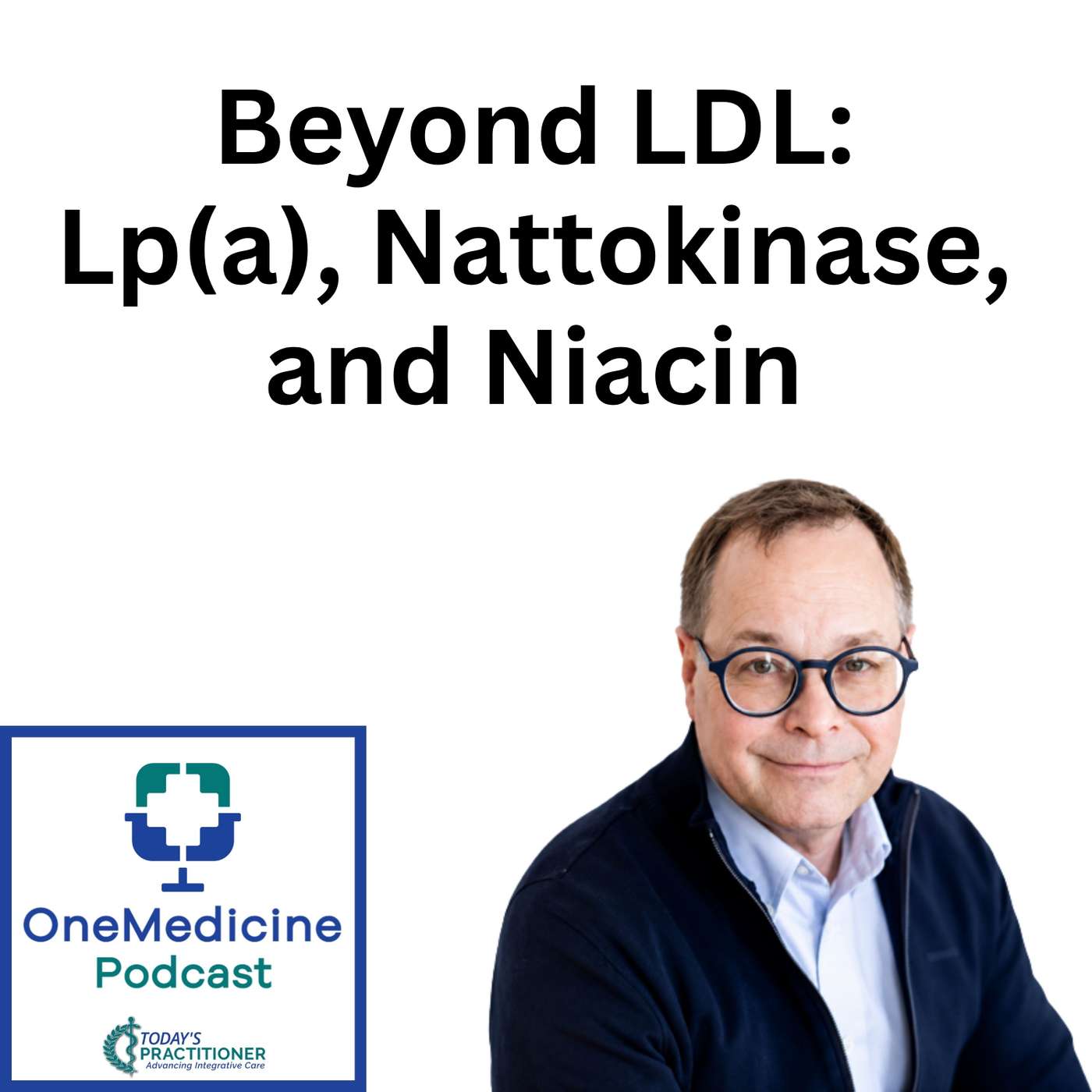
This episode is sponsored by EndurPro™, a new supplement brand from a family-owned and operated company with a legacy of quality since 1978. - https://endurpro.com/ Normal LDL doesn’t always mean low heart risk. Lipoprotein(a), or Lp(a), is a largely genetic risk marker linked to blood clots, stroke, heart attack, and arterial calcification. Most people have never been tested for it. In this episode, Rob Lutz talks with Bradley Bush, ND, about why every adult should have Lp(a) measured at least once, and how the result can change treatment decisions. In this episode, you'll learn:● Why Lp(a) is largely genetic and how it raises clotting risk● How extended-release, wax-matrix niacin improves tolerance compared with older products● Practical niacin titration and monitoring tips, including liver enzyme checks● How niacin may lower Lp(a) by 20% to 30% in some patients● How nattokinase supports fibrinolysis, circulation, and blood flow● How to use these tools in a personalized cardiometabolic strategy Key Moments:00:00 - Intro10:54 – Lp(a): the genetic factor and clotting risk17:58 – Extended-release niacin and managing flushing32:16 – Nattokinase, blood flow, and fibrin reduction About Dr. Bradley Bush, NDDr. Bush is a recognized leader in naturopathic medicine, an innovator of advanced formulations, and a trusted consultant to the natural products industry. He earned his naturopathic degree from the National College of Naturopathic Medicine. He is the owner and Clinic Director of Natural Medicine of Stillwater and founder of Neurovanna Lab. His practice focuses on chronic disease, fatigue, insomnia, mood, gastrointestinal, and post-infectious disorders, using conventional and alternative testing to uncover root causes. Related Content:● Is Niacin Still an Effective Option for Lipid Management?● Why Niacin Remains Unique for Lipid and Lp(a) Support● Is Nattokinase Underdosed? What a Large Patient Study Found● Understanding Lipoprotein(a) Found this helpful? Like, subscribe, and share it with a colleague who should know their Lp(a). Tell us in the comments: have you ever had your Lp(a) tested? Thanks for listening in. I hope you found today’s episode interesting and came away with a few insights you can apply to your practice. If you want to go deeper on this topic or anything else, please visit https://todayspractitioner.com and consider registering for our weekly newsletter as well. Thanks again, and I hope you’ll join us next time. This content is for educational purposes only and is not medical advice. Talk with your healthcare provider before starting any supplement or treatment. #Lpa #Lipoprotein #Niacin #Nattokinase #CardiometabolicHealth #HeartHealth #NaturopathicMedicine #OneMedicinePodcast
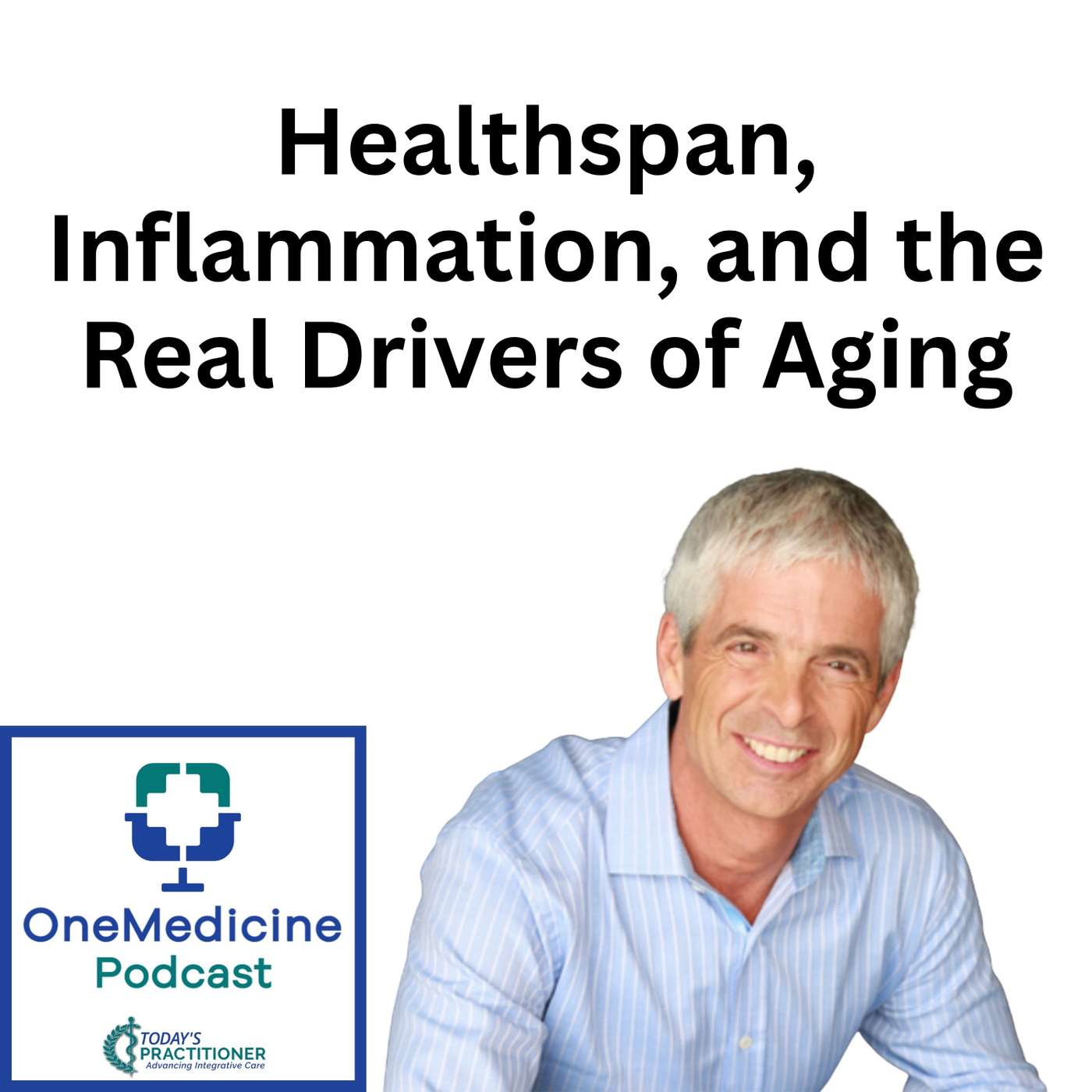
Sponsored by: Eco Nugenics In this episode of the One Medicine Podcast, Rob Lutz speaks with Dr. Tom O’Bryan about the growing focus on healthspan — not just living longer, but staying healthier for longer. Dr. O’Bryan explains why the key to graceful aging is reducing chronic inflammation, and why so many common “age-related” conditions are actually driven by underlying immune activation. Dr. O’Bryan also unpacks how lipopolysaccharides (LPS), leaky gut, environmental toxins, oxidative stress, and hidden food sensitivities can all contribute to inflammation and accelerate disease. He shares practical clinical insights, testing strategies, and simple lifestyle steps practitioners can use to help patients improve outcomes over time. In this episode, we cover:● The difference between lifespan and healthspan● How chronic inflammation drives most major diseases● The role of LPS, leaky gut, and immune activation● Why wheat often acts as “gasoline on the fire”● Testing strategies for toxins, gut health, food sensitivity, and oxidative stress● Simple clinical and lifestyle changes patients can actually follow● Practical habits to reduce inflammatory burden over time About Dr. Tom O’Bryan:Dr. Tom O’Bryan is a leading voice in functional medicine focused on chronic disease, autoimmune conditions, gluten-related disorders, and environmental triggers of illness. His work emphasizes identifying the root causes of inflammation and supporting long-term health through targeted interventions. Key Moments:0:00 – Intro17:00 - Healthspan versus lifespan definition 26:00 - Inflammation as the root of chronic disease 1:08:18 - Beta amyloid as a protective immune response to LPS Related Content: Demystifying Endotoxins: Identifying and Quenching the Fire Withinhttps://todayspractitioner.com/modified-citrus-pectin/demystifying-endotoxins-identifying-and-quenching-the-fire-within/ A New Understanding of Endotoxin Trafficking and Chronic Inflammationhttps://todayspractitioner.com/galectin-3-2/a-new-understanding-of-endotoxin-trafficking-and-chronic-inflammation/ Galectin-3 and MCP: Brain Health, Cognitive Function and Beyond https://todayspractitioner.com/galectin-3-2/galectin-3-and-mcp-brain-health-cognitive-function-and-beyond/ Thanks for listening in. I hope you found today’s episode interesting and came away with a few insights you can apply to your practice. If you want to go deeper on this topic or anything else, please visit https://todayspractitioner.com and consider registering for our weekly newsletter as well. Thanks again, and I hope you’ll join us next time.
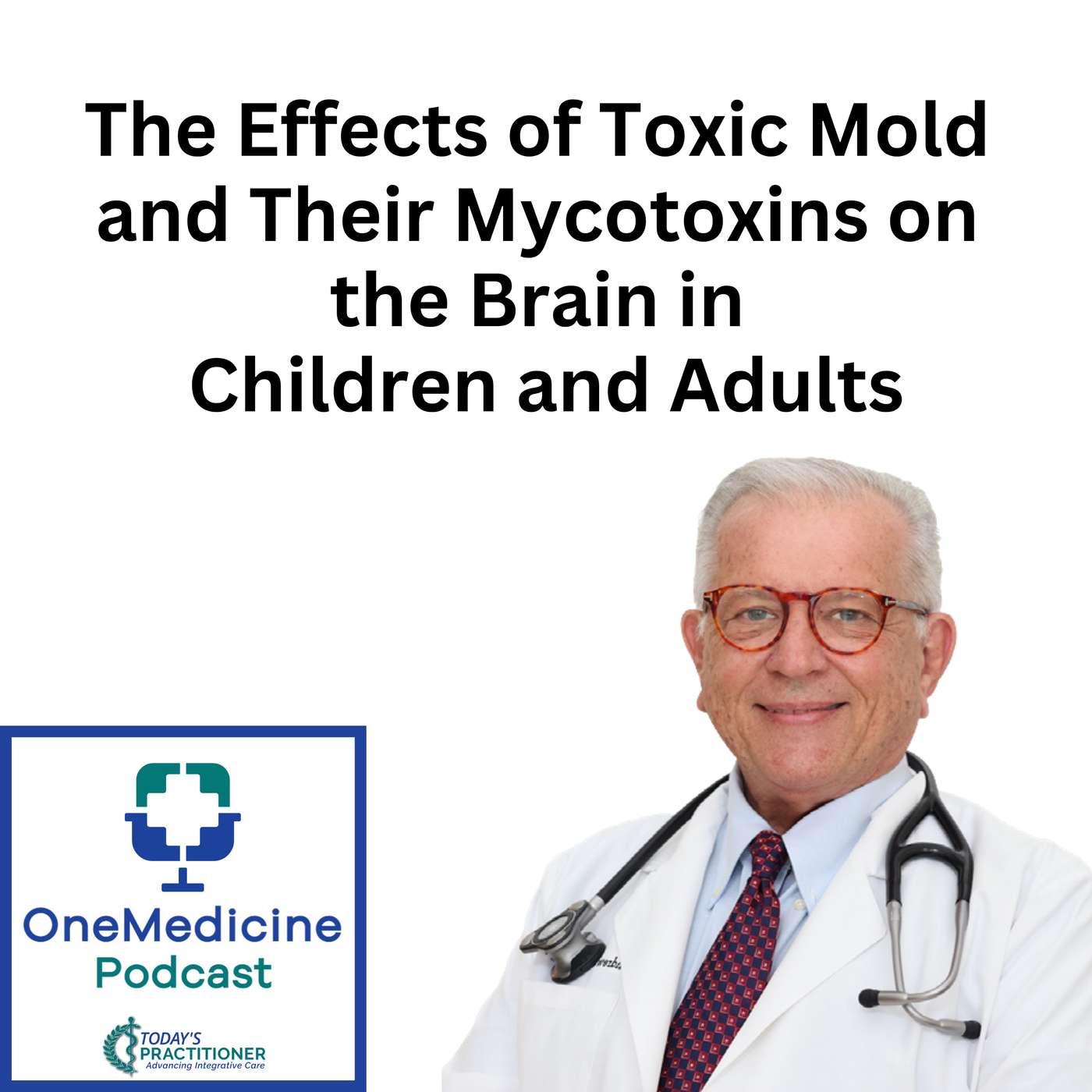
In this episode of the One Medicine Podcast, Rob Lutz speaks with Dr. Andrew Campbell about how toxic mold and mycotoxins can affect the brain across the lifespan—from pregnancy and infancy through adulthood. Dr. Campbell explains how mold spores travel into the lungs and bloodstream, why the brain is a primary target, and how exposure may contribute to autism, brain fog, neuropathy, MS, Alzheimer’s, Parkinson’s, and other neurodegenerative conditions. He also discusses testing, source removal, and treatment principles, emphasizing evidence-based care. Practitioners will gain practical insights, case examples, and a framework for identifying and addressing mold-related illnesses. Bio:Dr Andrew Campbell is a medical clinician, researcher, and internationally recognized expert in clinical immunology and toxicology. He specializes in treating complex chronic illnesses related to toxic exposures, including mold and mycotoxins, Lyme disease, pesticides, industrial chemicals, and immune dysfunction. Dr. Campbell has published more than 100 peer-reviewed studies and textbook chapters and has lectured nationally and internationally for over 25 years, including at Oxford University and Harvard Medical School. He has served as Medical Director and Advisor to multiple clinical and laboratory organizations and was named Top Medical Consultant of the Year (2020) by the International Association of Top Professionals. His clinical interests include toxic effects of chemicals, mycotoxins, toxic mold, Lyme, and publishing studies on these subjects. Key Moments 00:00 - Intro08:05 - Mold spores enter bloodstream and target the brain11:56 - Mycotoxins linked to autism and neurodegenerative disorders 39:00 - Case study of autistic child recovering after mold removal Sponsored by MyMycoLab: https://mymycolab.com/ Resources and Related Content:Toxic Mold & Mycotoxins Resource Center -https://todayspractitioner.com/toxic-mold-and-mycotoxins-resource-center-2/ The Brain, the Gut and Misconceptions on Toxic Molds and Mycotoxins - https://todayspractitioner.com/mycotoxins/the-brain-the-gut-and-misconceptions-on-toxic-molds-and-mycotoxins/ Study: Toxic Mold in Homes Impairs Children’s Brain and Nerve Function https://todayspractitioner.com/mycotoxins/study-toxic-mold-in-homes-impairs-childrens-brain-and-nerve-function/ Thanks for listening in. I hope you found today’s episode interesting and came away with a few insights you can apply to your practice. If you want to go deeper on this topic or anything else, please visit https://todayspractitioner.com and consider registering for our weekly newsletter as well. Thanks again, and I hope you’ll join us next time.

Comments

Download from Google Play

Download from App Store
 United States