


 Claim Ownership
Clause 8
Subscribed: 43Played: 862
Subscribe

© Voice of IP
Description
Clause 8 is the long-form IP podcast hosted by Eli Mazour, featuring conversations with the people and forces shaping the patent system.
Its audience includes sophisticated in-house counsel, judges, IP policymakers, senior USPTO officials, patent dealmakers, and leading practitioners. The show is designed to help listeners stay ahead of the curve by understanding not just the latest patent developments, but the personalities, incentives, and institutions behind them.
Clause 8 features conversations that provide strategic insight into patent law, policy, innovation, licensing, and other issues affecting the IP community. Past guests have included major American innovators, federal judges, USPTO Directors, senior IP staff on Capitol Hill, in-house leaders, patent dealmakers — and Carole Baskin’s attorney from Tiger King.
Law360 featured Clause 8 first in its 2026 list of “5 Podcasts to Keep IP Attys Entertained and Informed,” describing its guests as “a bit of a who’s who of IP law.”
Clause 8 has also been covered or cited by Bloomberg, Courthouse News Service, Above the Law, IAM, Original Jurisdiction, and other publications.
www.voiceofip.com
Its audience includes sophisticated in-house counsel, judges, IP policymakers, senior USPTO officials, patent dealmakers, and leading practitioners. The show is designed to help listeners stay ahead of the curve by understanding not just the latest patent developments, but the personalities, incentives, and institutions behind them.
Clause 8 features conversations that provide strategic insight into patent law, policy, innovation, licensing, and other issues affecting the IP community. Past guests have included major American innovators, federal judges, USPTO Directors, senior IP staff on Capitol Hill, in-house leaders, patent dealmakers — and Carole Baskin’s attorney from Tiger King.
Law360 featured Clause 8 first in its 2026 list of “5 Podcasts to Keep IP Attys Entertained and Informed,” describing its guests as “a bit of a who’s who of IP law.”
Clause 8 has also been covered or cited by Bloomberg, Courthouse News Service, Above the Law, IAM, Original Jurisdiction, and other publications.
www.voiceofip.com
103 Episodes
Reverse
To open the season, host Eli Mazour brings together three journalists who cover intellectual property for a living: Olivia Rafferty of IP Fray, Nisha Shetty of IAM, and Inbar Preiss of MLex.They discuss what happens when patent litigation concentrates in a few courts, from Germany's dominance at the Unified Patent Court to the rise and fall of Judge Alan Albright in Texas. They also cover consolidation in the video codec patent pool market, Europe's fight over AI and copyright (including cases involving OpenAI, Suno, and Google's Gemini), why mainstream media struggles to cover IP, and what each journalist is watching next.Clause 8 is presented by:Junior AI - Your legal team's documents, drafted in your team's style. https://junior.lawP Copilot - Discover, manage, and protect your IP. https://ipcopilot.aiChapters:00:00 Introduction & meet the panel00:56 How each journalist got into covering IP07:42 The SEP regulation's rise, withdrawal, and EU court challenge11:53 US patent policy shifting with each administration13:40 Why most UPC cases are filed in Germany17:08 The Judge Albright controversy20:03 The EU's standardization regulation review23:50 Patent pools consolidate: the Via and Access Advance merger26:58 AI collides with copyright law30:26 Why mainstream media struggles to cover IP37:40 What's on the radar for next yearSubscribe to the Clause 8 YouTube channel for bonus content: https://www.youtube.com/@clause8Disclaimer This is a public episode. If you would like to discuss this with other subscribers or get access to bonus episodes, visit www.voiceofip.com
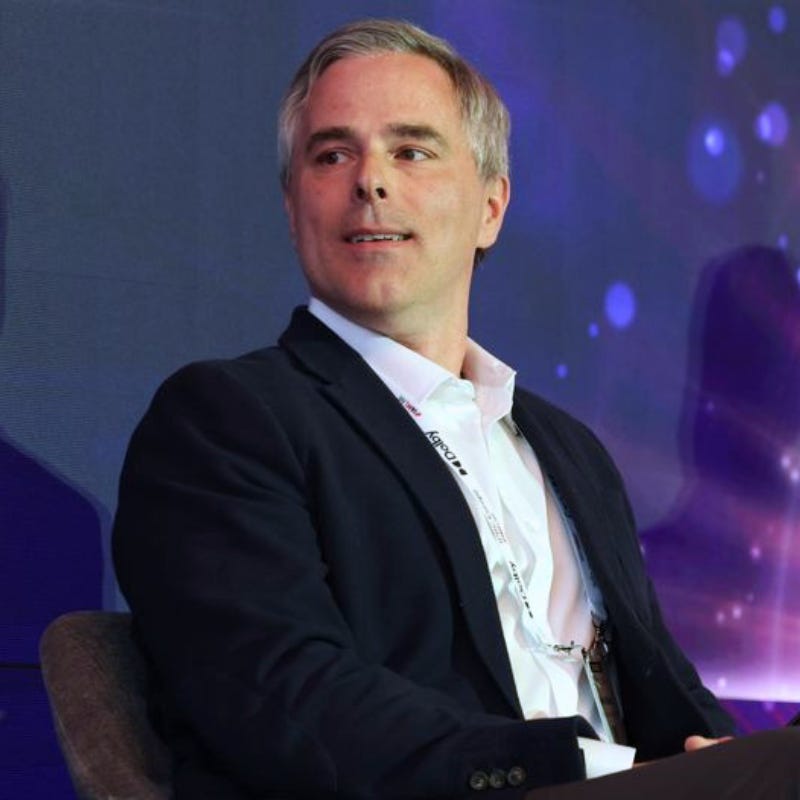
Kevin Mack, the new president of Via Licensing Alliance, joins Eli for the Clause 8 season finale.Kevin talks about Via's plans to build its next patent pools around "de facto" standards — technology the market adopted on its own, with no standards body behind it — which would push collaborative licensing into territory it has never touched. Mack also takes a hard look at the royalty-free models spreading through tech and AI, from AV1 to the new Shared AI License Foundation (SAIL), argues that "free" rarely stays free, and explains why he's optimistic about where the patent system is heading.Kevin and Eli also discuss:*Via's model and the "tipping point" that turns a pool from a few licensors into thousands of licensees*"De facto" standards: pooling patents for technology no standards body ever blessed*Leadership turnover at Via, the HEVC pool's move to Access Advance, and a new strategy-and-growth group*The push into semiconductors, including a new DRAM memory program*AV1, SAIL, and why Mack thinks royalty-free rarely stays free*Whether AI patents are as "foundational" as advertised — and why "AI is not new"*Efficient infringement, patents as property rights, and why companies ultimately take a license*The mood out of Via's Rome summit and a US patent system tilting back toward ownersNotable names, companies & standardsPeople: Kevin Mack (president, Via Licensing Alliance); Heath Hoglund (former Via president); John Amster (Jamster Capital; RPX co-founder)Organizations: Via Licensing Alliance (Via LA), MPEG LA, Dolby, Access Advance, Alliance for Open Media, Shared AI License Foundation (SAIL), WIPO (PatentScope), DOJ, USPTOSAIL founders / board (public): Anthropic, Genentech, IBM, Meta, Microsoft; board observers eBay and TD Bank Group; members include Block and FigmaStandards & technologies: AAC, AVC (H.264), HEVC (H.265), AV1, MPEG-2, Qi wireless charging, DRAM memory, SEP / FRANDDisclaimer This is a public episode. If you would like to discuss this with other subscribers or get access to bonus episodes, visit www.voiceofip.com
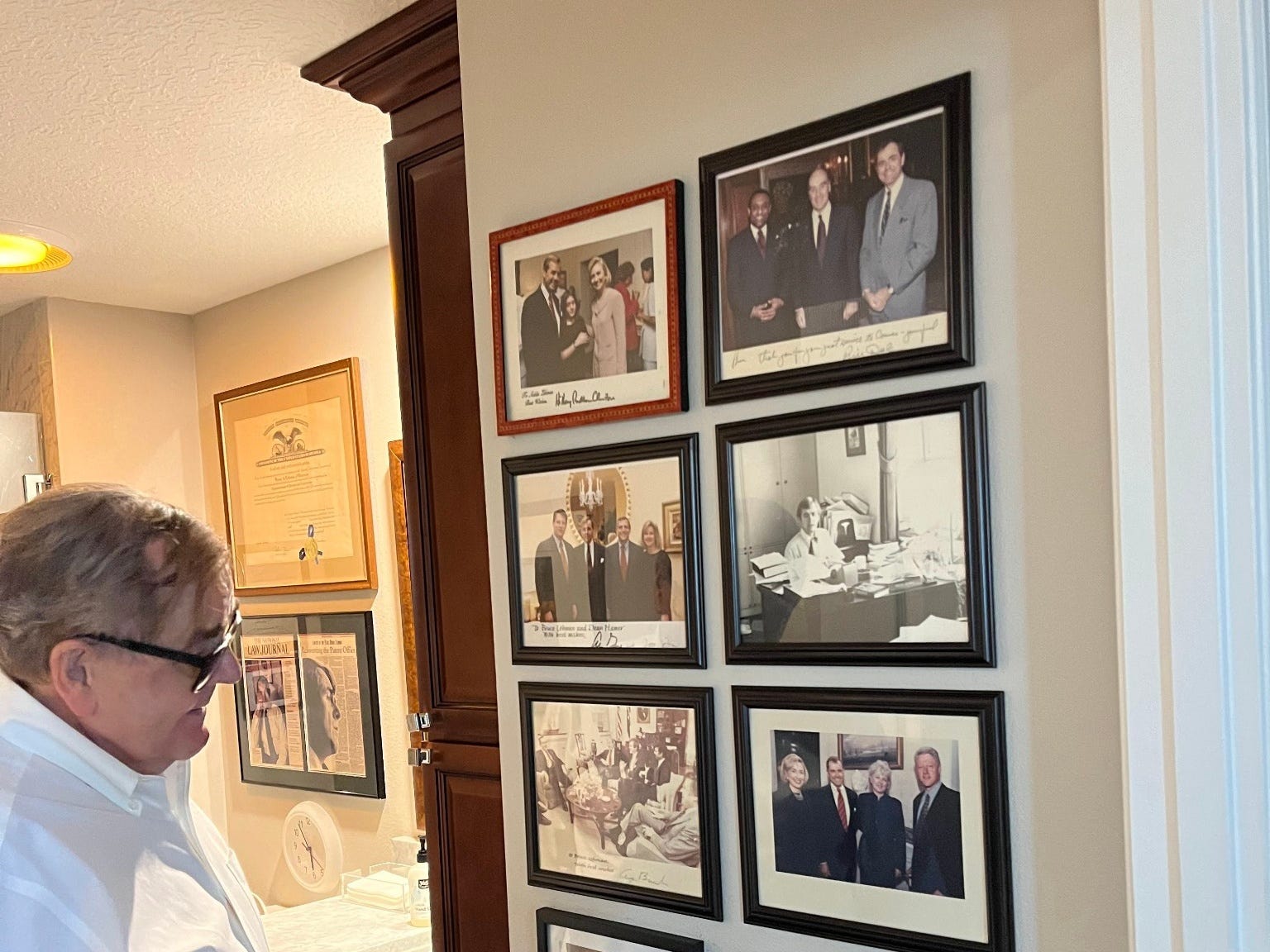
Bruce Lehman, head of USPTO from 1993 to 1998, joins Clause 8 for a wide-ranging conversation about the modern IP system, the internet boom, and why the AI era may require a new copyright response from Congress.Lehman helped shape internet-era copyright policy from the USPTO, including the work that led to the WIPO Copyright Treaties and the Digital Millennium Copyright Act (DMCA). He also played a major role in the broader 1990s pro-IP moment, when the United States was strengthening IP rights globally through TRIPS, WIPO, and trade policy.Now, Lehman argues that courts have spent the last two decades weakening copyright through an expansive view of fair use — creating a system where AI companies can train on massive amounts of human-created content without giving creators a meaningful stake. Asked whether new legislation is needed to protect creators in the AI age, Lehman does not hesitate: “The short answer is yes.”The episode also covers:*Lehman’s “patent pendulum” theory and why he believes the US is now in a low-protection IP era*How the DMCA emerged from the Clinton administration’s internet copyright work*TRIPS, WIPO, and the globalization of IP rights in the 1990s*Bayh-Dole and the rise of the university-to-startup pipeline*Lehman’s historic confirmation as the first openly gay man confirmed by the Senate*His role in turning the USPTO into a “prominent perch” for national IP policy*Gilbert Hyatt, submarine patents, and SAWS*USPTO telework, examiner retention, and modernization*His message that current leadership should “stop tormenting the Patent Corps”*The limits of AI — and why Lehman thinks it lacks the "metaphysical" spark behind true invention*Judge Pauline Newman and her pro-patent legacyWatch the full episode and read the companion post on Voice of IP: https://voiceofip.com/Subscribe to the Clause 8 YouTube channel for bonus content: https://www.youtube.com/@clause8Disclaimer This is a public episode. If you would like to discuss this with other subscribers or get access to bonus episodes, visit www.voiceofip.com
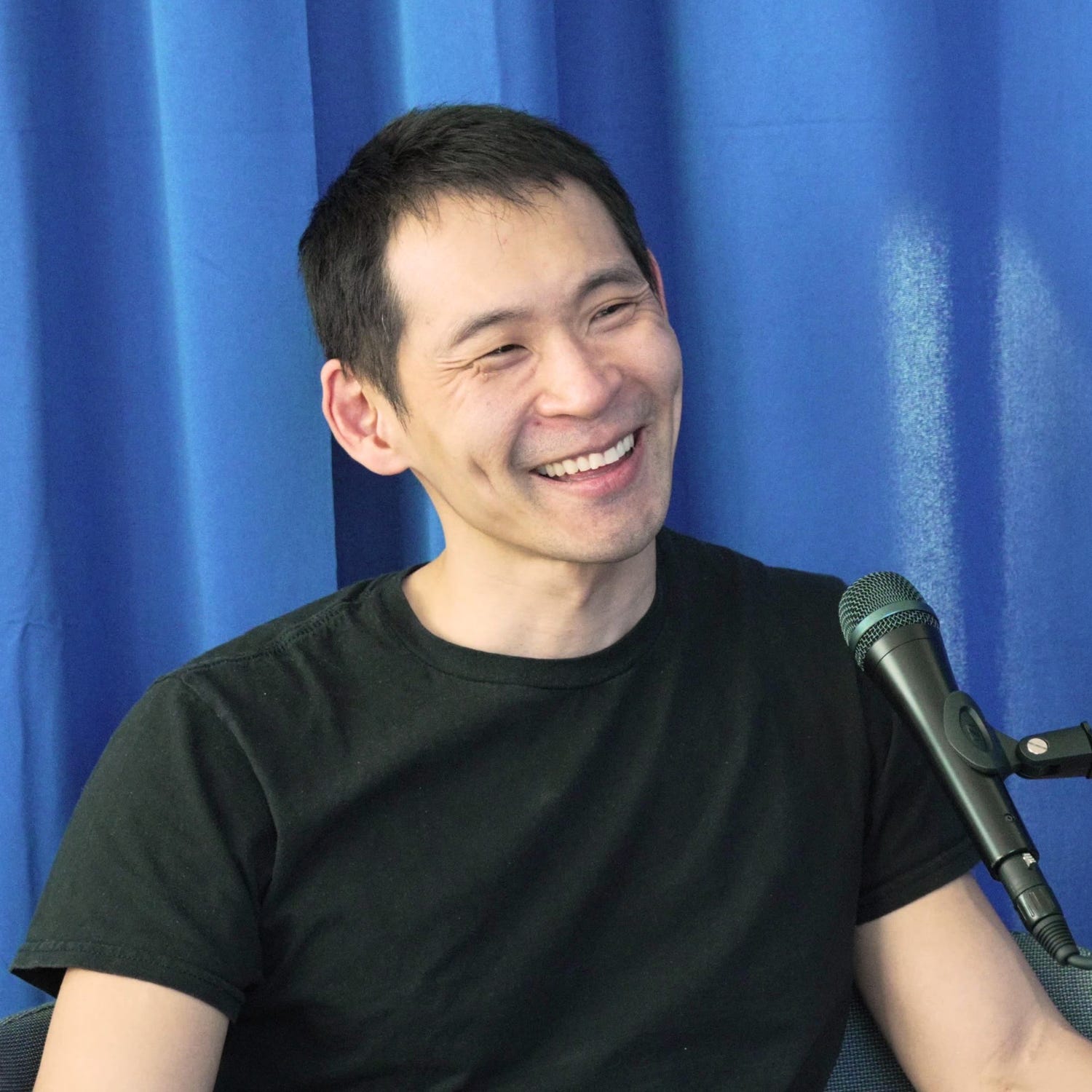
When Alice came down in 2014, much of the patent prosecution bar reacted with denial. Most practitioners hoped the USPTO, the Federal Circuit, or Congress would clean things up — and that adding some magic language to claims and specifications would eventually be enough.Eli Mazour and Ngai Zhang, separately, came to a different conclusion: there had to be a new, better way to obtain strong patents in the post-Alice world. They started comparing notes more than a decade ago, eventually converged on a shared approach, and now implement these strategies together at Foley & Lardner.On this episode of Clause 8, Eli and Ngai walk through what they actually do — their unique strategies for avoiding and overcoming Section 101 issues, why it's difficult for other attorneys to implement these strategies, and how they think their practice will be impacted in the age of AI.In this episode:* Why relying only on art unit prediction tools & wordsmithing is a losing strategy for § 101* Why claim 1 shouldn’t be your broadest claim* How taking features out of independent claims helps advance prosecution - and how the strategy also leaves clients routinely surprised by how broad their issued claims end up* Examiner interviews as hostage negotiations: Ngai’s framework based on Chris Voss’s Never Split the Difference* Differing approaches that Ngai and Eli have on whether to push for an explicit on-the-record agreement before ending an interview* AI as a collaborator for patent drafting and prosecution* The importance of human interactions and communication for patent prosecution even in the age of AIWatch the full episode and read the companion post on Voice of IP: https://voiceofip.com/Subscribe to the Clause 8 YouTube channel for bonus content: https://www.youtube.com/@clause8📌 Presented by Tradespace — where ideas take flight.Disclaimer This is a public episode. If you would like to discuss this with other subscribers or get access to bonus episodes, visit www.voiceofip.com
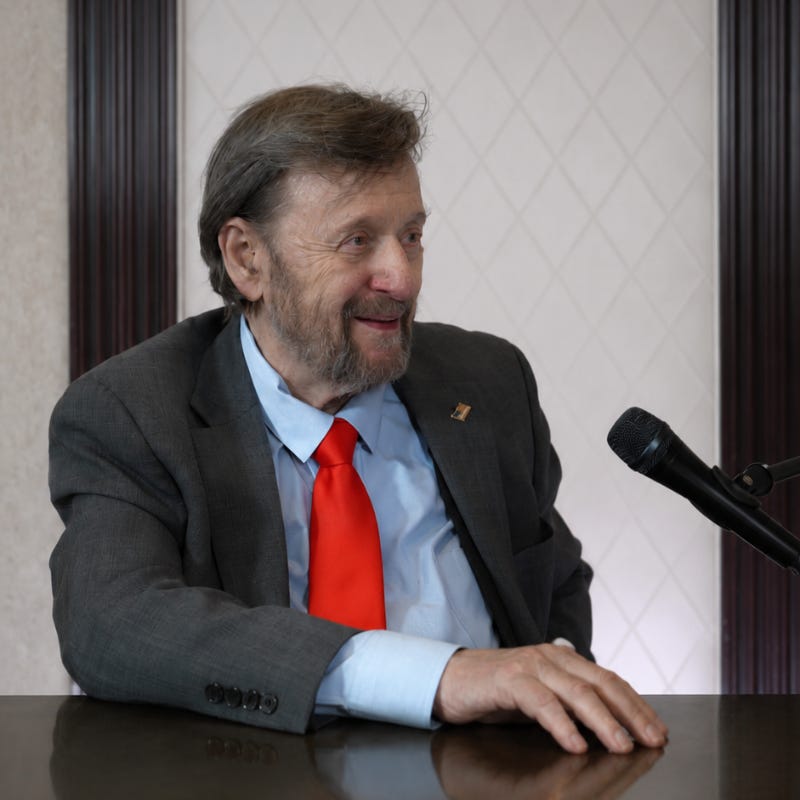
President Trump and Commerce Secretary Howard Lutnick pride themselves on being dealmakers and on making the kind of unconventional deals for America no one else could have gotten done. Gil Hyatt is offering them one that sounds like a no-brainer. However, the question remains whether that dealmaking reputation is enough to overcome thirty years of inertia from prior administrations focused on opposing Hyatt, including most notably on keeping any more of his patents from ever issuing.Inventor Gil Hyatt returns to Clause 8 to discuss his proposal to donate foundational AI patents to the Pioneering AI Foundation, a nonprofit he says could help give the U.S. government new leverage to advance American interests. Hyatt also reflects on his decades-long battle with the USPTO, the motivation behind the foundation, and why he sees the project as a gift to America ahead of the nation’s 250th birthday.Will America accept the gift?The episode covers:* 00:23 — the ongoing battle with the USPTO* 02:44 — the Pioneering AI Foundation* 05:35 — using the ITC and trade agreements as leverage* 07:11 — human rights and labor unions: leveling the global playing field* 10:24 — AI in the classroom: the “super headstart” for children* 12:35 — relieving drudgery: AI as a catalyst for creative thinking* 14:27 — addressing skepticism: motives and financials* 16:16 — repaying the dream: the legacy of immigrant parents* 17:34 — advice for the next generation of inventors* 18:22 — final thoughts: destiny and helping America🎧 Watch the full episode above or listen on your favorite podcast app—and subscribe to the Clause 8 YouTube channel for bonus content.📌 Presented by Tradespace – where ideas take flight.Disclaimer This is a public episode. If you would like to discuss this with other subscribers or get access to bonus episodes, visit www.voiceofip.com

Comments

Download from Google Play

Download from App Store
 United States