


 Claim Ownership
Something About the Beatles
Subscribed: 502Played: 9,689
Subscribe

© Parading Press
Description
Hosted by award-winning author Robert Rodriguez, Something About The Beatles is an intelligent but entertaining examination of The Beatles' music and career. Smart, funny and surprising - just like the Fab Four.
355 Episodes
Reverse

Do academics ruin the Beatles, or help them last? Three scholars join host Robert Rodriguez to explore Beatles Studies: the history of how academia has treated the band, what fans and scholars get right and wrong about each other, and what the field still hasn't covered.
Guests: Christine Feldman-Barrett (author, A Women's History of the Beatles), Duncan Driver, and Paul Long (co-editor, Journal of Beatles Studies).
In this episode:
• Why early academic writing on the Beatles was dismissive, and how that shaped the field
• The "Aeolian cadences" legacy, and why Beatles lyrics rarely get serious literary study
• Shakespeare and the Beatles: why some artists seem to reflect us back to ourselves
• Gen Z, "boomer nostalgia" and why the Beatles keep finding new listeners
• Beatles university courses and the Journal of Beatles Studies
• Mark Lewisohn's Tune In, Ian Leslie's John & Paul, and why there's no "final word"
• What's missing: social class, women's perspectives, and the global Beatles
• How to read any Beatles book critically
🔗 Read the open-access Journal of Beatles Studies: https://www.liverpooluniversitypress.co.uk/journal/jbs
Subscribe to Something About The Beatles for new episodes.
#Beatles #BeatlesStudies #BeatlesPodcast
Tags: the beatles and the academics, beatles studies, journal of beatles studies, beatles podcast, something about the beatles, beatles academics, beatles history, beatles lyrics analysis, beatles university course, why the beatles still matter, mark lewisohn tune in, ian leslie john and paul, a women's history of the beatles, the beatles and the historians, beatles anthology disney, duncan driver, christine feldman-barrett, paul long, robert rodriguez
Something About The Beatles is brought to you by DistroKid, the ultimate partner for taking your music to the next level. Our listeners get 30% off your first year with DistroKid by signing up http://distrokid.com/vip/satb
Also by Quince.
Learn more about your ad choices. Visit megaphone.fm/adchoices

The opening chord of "A Hard Day's Night" is one of the most famous sounds in rock history. Musicians still argue about what it is. In this deep dive into the Beatles' A Hard Day's Night album, we break down the chord note by note: John Lennon's and George Harrison's guitars, Paul McCartney's bass and George Martin's piano.
You'll hear how the chord works in G major, what George Harrison said about it, and how the Beatles reused the same voicing elsewhere. We also look at Harrison's Rickenbacker 12-string, the songwriting and arranging choices behind "Things We Said Today," "And I Love Her," "If I Fell" and "Can't Buy Me Love," and why simple ideas made the Beatles' music so lasting.
In this episode:
The history and theory of the “A Hard Day's Night” opening chord
How the guitars, bass and piano combine to make that sound
Other songs that use the same or similar chord voicings
Why the Rickenbacker 12-string shaped the Beatles' sound
Lennon and McCartney's songwriting, harmony and vocal choices in “If I Fell”
Raw-track listening and an odd quirk in the "Can't Buy Me Love" recording
Practical tips for playing along: use the melody and chord tones to embellish a song
Reworking Beatles songs live, from "Things We Said Today" to "Tomorrow Never Knows"
The hidden ties between “And I Love Her” and “The Honeymoon Song”
Chapters 00:00 Welcome and why this album still matters 08:01 Reinventing "Things We Said Today" live 09:26 About the RPM Beatles course 10:14 The Hard Day's Night opening chord: introduction 13:37 George Harrison on the chord, and what the chord is 19:03 George Martin's piano part 24:12 Other songs with the same chord 31:31 The 12-string guitar and "Ticket to Ride" 36:50 Simple building blocks, and why they work 46:23 McCartney's contributions and the "Paul McCartney After the Beatles" book 57:32 Haunting harmonies, key changes and vocals 1:16:53 "Can't Buy Me Love" and the raw track 1:25:37 "And I Love Her" and the "Honeymoon Song" connection 1:37:30 Harrison's melodic solos and a wrap-up of tips
Beatles class: six Mondays, 5:30 PM ET, starting November 2. Details and signup: https://www.rpm-school.com/
New episodes: subscribe to Something About The Beatles and turn on notifications.
Something About The Beatles is brought to you by DistroKid, the ultimate partner for taking your music to the next level. Our listeners get 30% off your first year with DistroKid by signing up http://distrokid.com/vip/satb
#Beatles #AHardDaysNight #BeatlesPodcast #MusicTheory #GeorgeMartin #TheFabFaux
Learn more about your ad choices. Visit megaphone.fm/adchoices

There were two John and Yoko documentaries produced in the last year that covered their political activism during their first year in New York, culminating in the pair of One To One concerts in August 1972. The first was a documentary detailing the context with the shows in the background; the other placed the show front and center. Author Erika White (Meat The Beatles!) and podcaster Gary Wenstrup (Classic Rock Album Olympics) join me in a discussion of the films One To One: John and Yoko and Power To The People.
Learn more about your ad choices. Visit megaphone.fm/adchoices
 1
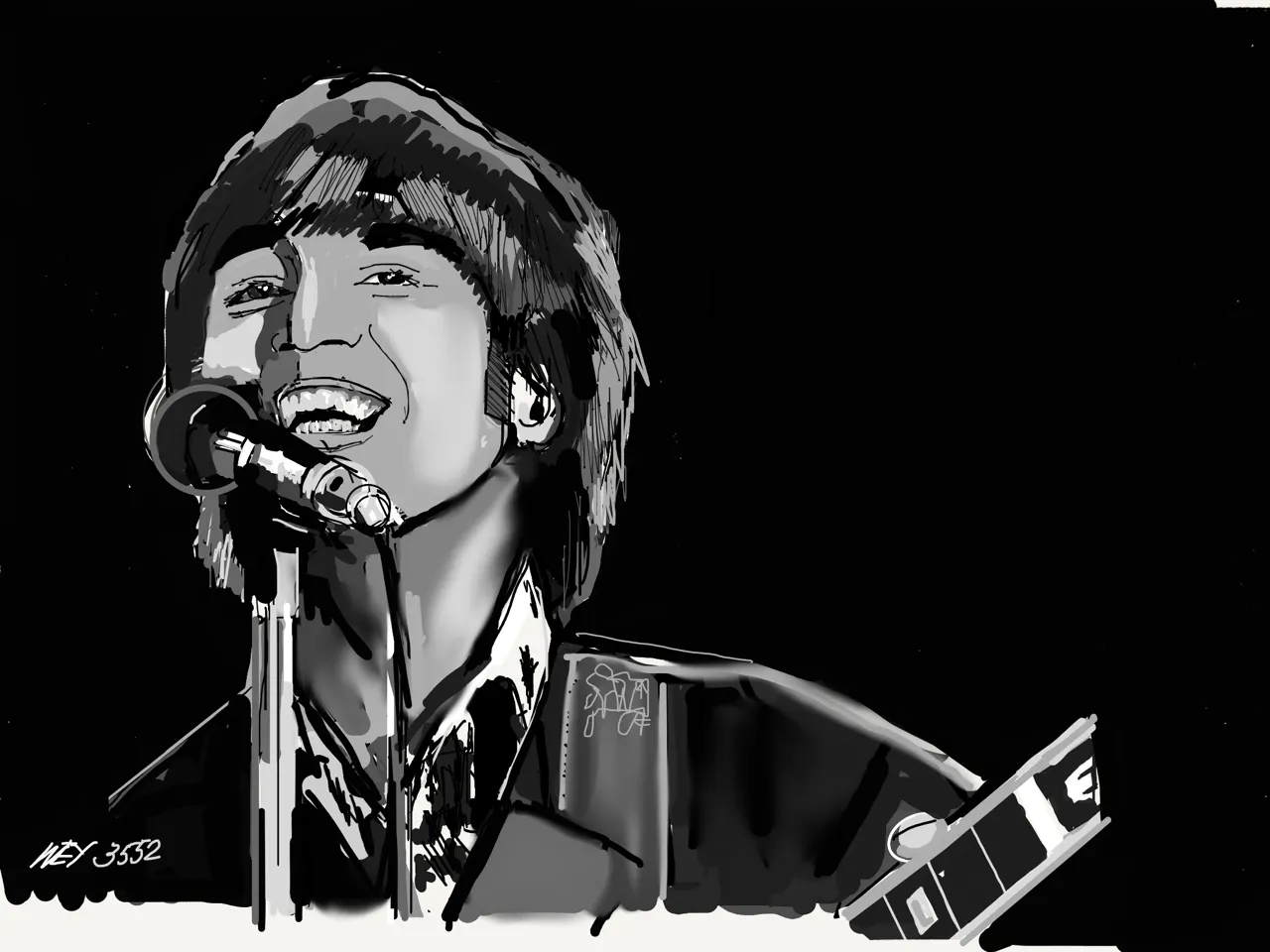
Sixty years ago, The Beatles took their final bow before a paid audience in San Francisco. The occasion was auspicious because they knew this was it: they made sure it was recorded (by Tony Barrow) and photographed (by Jim Marshall). Among the well-wishers in attendance was Joan Baez, who brought her sisters and an 11 year-old friend.
This is Naomi's story.
Learn more about your ad choices. Visit megaphone.fm/adchoices
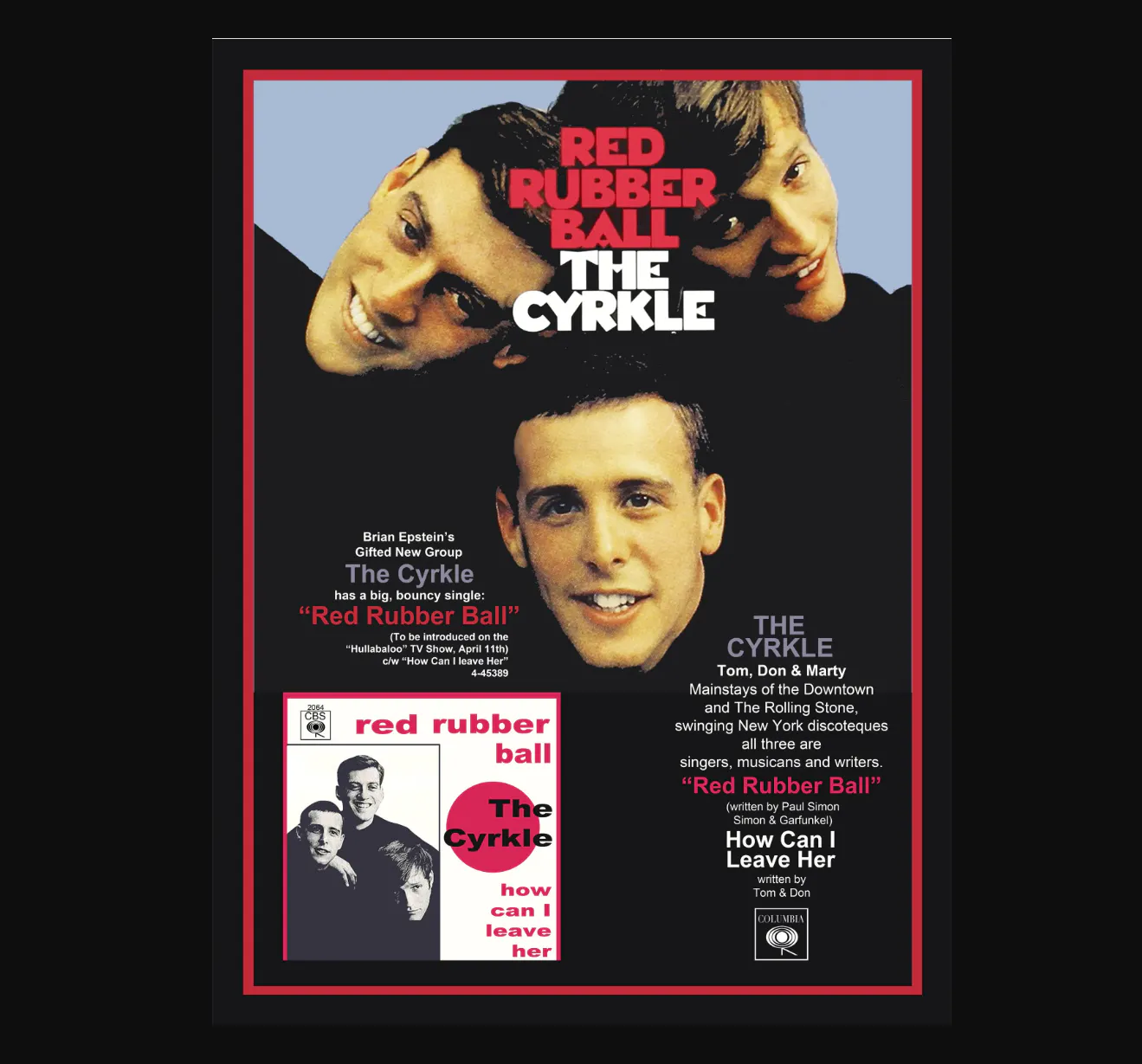
To anyone familiar with '60s Top 40 music, The Cyrkle remain a fond memory, notable for their two hits, 1966's "Red Rubber Ball," a Paul Simon co-write, and "Turn Down Day," an exquisite piece of sunshine pop. They also possess a couple of other distinctions, being the only US act managed by Brian Epstein as well as being one of the supporting acts on The Beatles' final tour, sixty years ago. Don Dannemann was/is their lead singer. Along with his musical partner Tom Dawes, through talent and luck the group managed to hitch the ride of lifetime, making the transition from fans to traveling companions during the most challenging phase of The Beatles' live career. After the hits stopped, both Dan and Tom pivoted into careers in the jingle industry, providing a further soundtrack for those of a certain age. Don has got the stories to tell as a witness to history at a time when popular music was evolving fast. Through happy circumstance, The Cyrkle are back, having recorded a new collection of songs and can be seen in live shows around the country. Visit their website for updates and their YouTube channel for loads of video, past and present.
https://thecyrkle.com/
https://www.youtube.com/channel/UCQf7trwEd-VZdyJjiPdupJw
Learn more about your ad choices. Visit megaphone.fm/adchoices

Comments

Download from Google Play

Download from App Store
 United States