


 Claim Ownership
Translate This!
Subscribed: 6Played: 11
Subscribe

© 2024 Barbier Inc.
Description
A podcast about LANGUAGE, CULTURE, LIFE and the HILARITY OF IT ALL.
52 Episodes
Reverse

Season 4 premiere. Melissa asks why work-life balance means something different in every country, and what the rest of the world knows about leisure that Americans keep forgetting.

In Part 1, the theory. In Part 2, the reckoning. Co-host Richard returns with Sweden as the ultimate real-world test of the Melting Pot vs. Salad Bowl debate — a country that formally adopted multicultural policy in 1975, was celebrated globally as its gold standard, and has since undergone one of the most dramatic integration policy reversals in the Western world. The paradox at its center: Sweden is simultaneously Europe's most tolerant country toward immigrants and the one where the most citizens believe integration has failed. What went wrong, what it means for language communities, and whether a third path exists beyond both models — it's all in the Season 3 finale, Part 2.
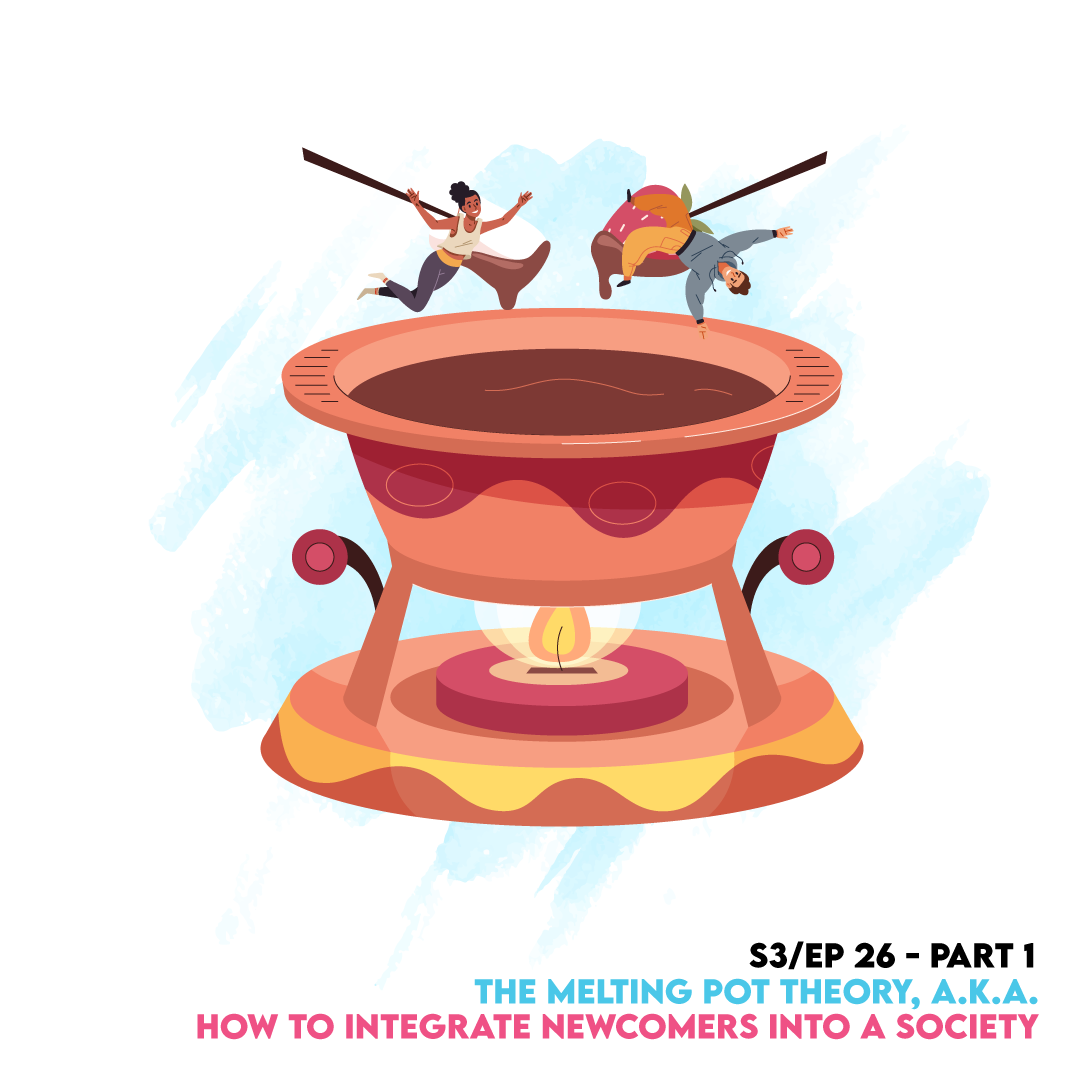
Melting pot or salad bowl — and who decides which ingredients matter?
In Part 1 of the Translate This! Season 2 finale, co-host Richard breaks down two of the most influential theories of cultural integration from the ground up. Where the food metaphors came from, what they reveal about identity and power, and why neither model is as tidy as it looks on paper.
It's the foundation for everything that follows in Part 2 — and a conversation worth having before the real-world case study lands. 🌍🎙️
Part 1 of 2 — Season 2 Finale.

Up to 40% of people experience some form of flight anxiety, but how we feel it, express it, and cope with it is shaped by culture. In Episode 25, host Melissa explores the fear of flying through a global lens: the statistics, the science, personal space dynamics in aircraft cabins, cultural differences in anxiety and behavior at 35,000 feet, and the surprising roster of celebrities who won't board a plane at all. Equal parts data and storytelling, this one's for every nervous flyer who's ever gripped an armrest and pretended they were fine.
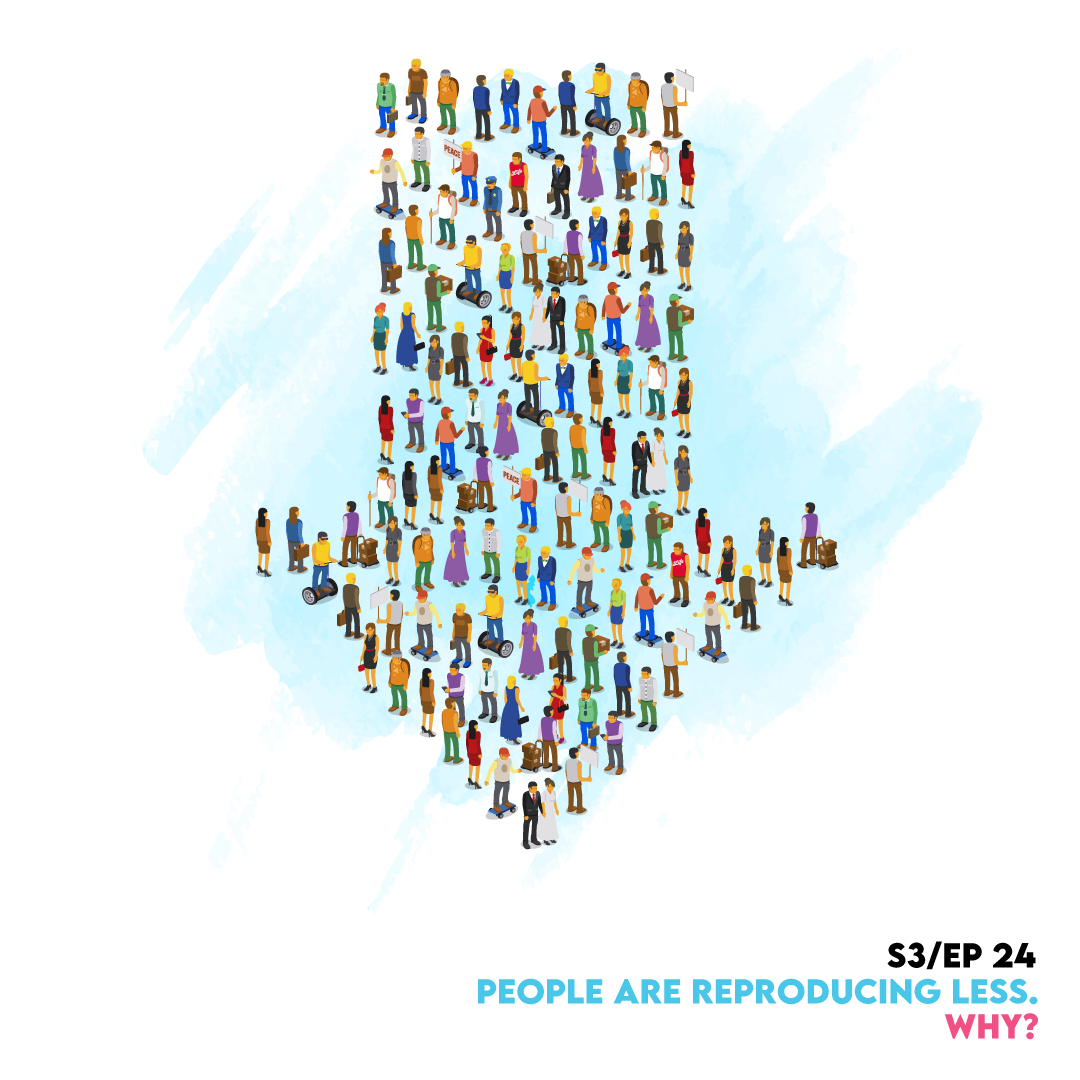
What happens to language and culture when the world starts running out of people?
The global fertility rate has fallen from 5.0 births per woman in the 1960s to just 2.2 today. Researchers project it will drop to 1.59 by 2100, well below the 2.1 replacement level needed to sustain a population. In more than 1 in 10 countries, fertility is already below 1.4. South Korea recorded 0.72 in 2023. Some nations are on track to lose half their population within a century.
These aren't abstract statistics. They describe the communities that need interpretation services, the school districts that depend on multilingual support, the healthcare systems that rely on language access to function. Demographic shifts are industry shifts, and this one is already underway.
In this episode, Melissa and Richard explore the Birthgap documentary by data scientist and demographer Stephen J. Shaw, filmed across 24 countries, along with supporting research from the Lancet, the UN, and the Institute for Health Metrics and Evaluation.
Topics covered:
Why birth rates are declining, and who it's really affecting
The finding that 80% of childless people didn't plan to be
Which countries are hardest hit and what the consequences look like on the ground
What depopulation means for language communities, migration patterns, and multilingual services
Whether there's reason for optimism
This is one of the most consequential demographic stories of our time. It also directly shapes the work we do in language services every day.
Resources mentioned:
Birthgap Documentary (Part 1): https://www.youtube.com/watch?v=m2GeVG0XYTc
Additional resources: https://www.youtube.com/watch?v=_vJLwUThQQU

Comments

Download from Google Play

Download from App Store
 United States