


 Claim Ownership
18 Questions, 40 Mystics
Subscribed: 71Played: 2,429
Subscribe

© Copyright 18Forty
Description
18 Questions, 40 Mystics is a new podcast and video series by 18Forty and Share interviewing the leading rabbis, teachers, kabbalists, and artists immersed in the world of Jewish mysticism.
Join Rabbi Benji Levy as he asks 18 of the most existential questions to 40 mystics from around the world. If you are looking to dive into the world of spirituality, inspiration, and pnimiyut, then this is the podcast for you.
Have questions or comments? Shoot us an email at [email protected].
104 Episodes
Reverse

Professor Rachel Elior, a scholar of early mystical thought, views Jewish mysticism through the lens of its historical development. To Elior, the development of the concept of shevirat hakelim [shattering of the vessels] was a response to exilic suffering. Professor Elior is professor emerita of Jewish philosophy at Hebrew University. Her subjects of research include the history of early Jewish mysticism and Chasidut [Hasidism]. She is the author of many books, most recently The Unknown History of Jewish Women Through the Ages (2023). Now, she joins Rabbi Dr. Benji Levy to answer eighteen questions on Jewish mysticism including the foundations of Jewish mysticism, the Messiah as a pathway to justice, and belief in God. Here are our questions: What is Jewish mysticism?How were you introduced to Jewish mysticism?In an ideal world, would all Jews be mystics?What do you think of when you think of God?What is the purpose of the Jewish people?How does prayer work?What is the goal of Torah study?Does Jewish mysticism view men and women the same?Should Judaism be hard or easy?Why did God create the world? Can humans do something that is against God’s will?What do you think of when you think about Moshiach?Is the State of Israel part of the final redemption?What is the greatest challenge facing the world today?How has modernity changed Jewish mysticism?What differentiates Jewish mysticism from the mysticism of other religions?Does one need to be religious to study Jewish mysticism?Can mysticism be dangerous?How has Jewish mysticism affected your relationships with yourself and with others?What is a Jewish teaching that you always take with you?
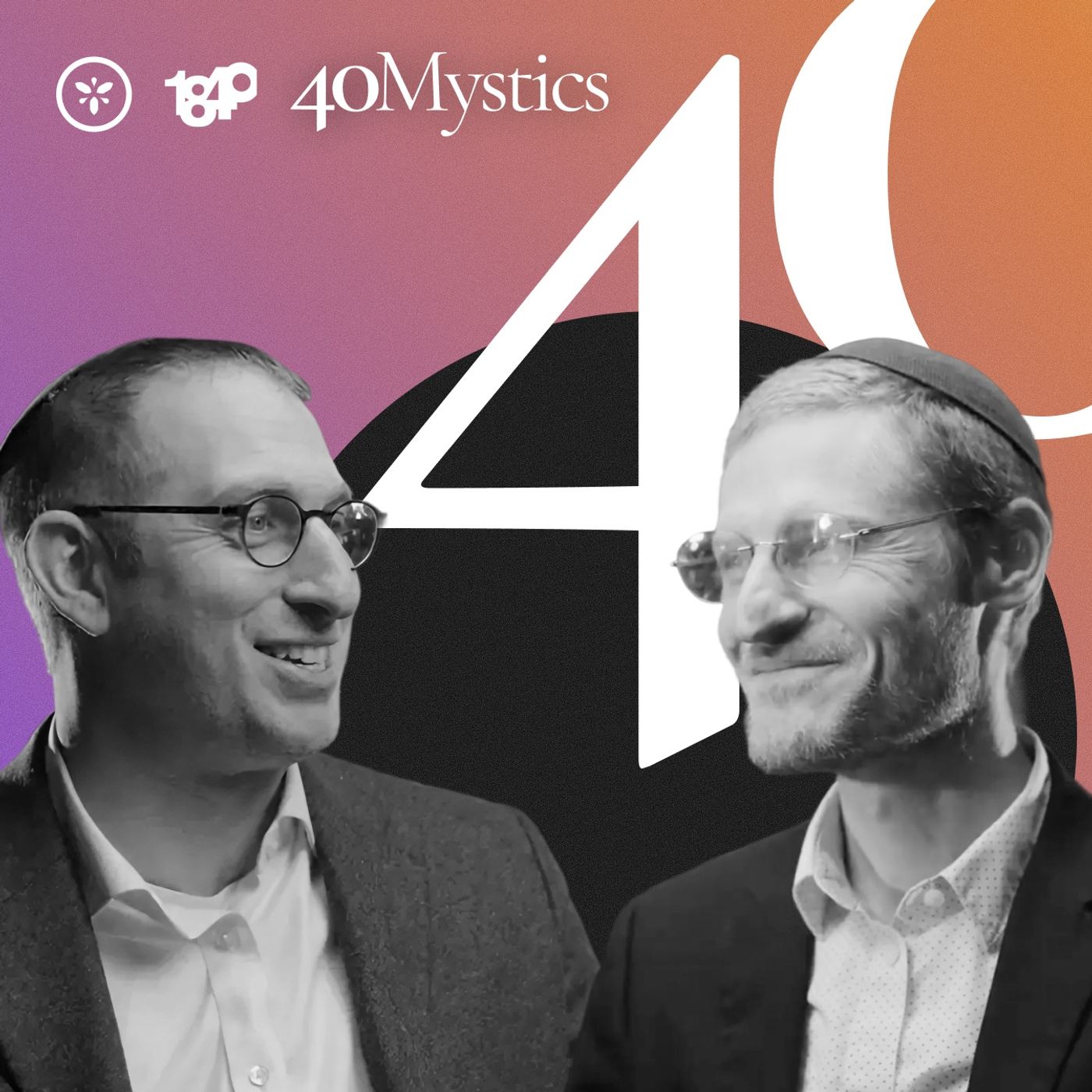
Rabbi Ari Ze’ev Schwartz considers himself a spiritual disciple of Rabbi Abraham Isaac HaCohen Kook, the spiritual grandfather of Religious Zionism and the iconoclastic thinker of the twentieth century, often drawing from his teachings to shape his own theology. Rabbi Schwartz grew up in Sydney, Australia, and he now lives in Jerusalem where he teaches in several yeshivot and midrashot [talmudic academies]. He is the author of The Spiritual Revolution of Rav Kook (2018) and The Spiritual Wisdom of Rav Kook (2025), in which he translates many of Rabbi Kook’s writings to increase their accessibility to a wider audience. Now, he joins us to answer eighteen questions with Rabbi Dr. Benji Levy on Jewish mysticism including faith, the purpose of Torah study, and the dangers of mystical study.Here are our questions: What is Jewish mysticism?How were you introduced to Jewish mysticism?In an ideal world, would all Jews be mystics?What do you think of when you think of God?What is the purpose of the Jewish people?How does prayer work?What is the goal of Torah study?Does Jewish mysticism view men and women the same?Should Judaism be hard or easy?Why did God create the world? Can humans do something that is against God’s will?What do you think of when you think about Moshiach?Is the State of Israel part of the final redemption?What is the greatest challenge facing the world today?How has modernity changed Jewish mysticism?What differentiates Jewish mysticism from the mysticism of other religions? Does one need to be religious to study Jewish mysticism?Can mysticism be dangerous?How has Jewish mysticism affected your relationships with yourself and with others?What is a Jewish teaching that you always take with you?

To Rabbi Manis Friedman, mysticism provides an intimate view of Torah and our relationship with God. He understands our relationship with God through the lens of a human relationship, one where behavior is more important than intention and where the relationship is not self-serving. Only then can we have a meaningful relationship with God. Rabbi Manis Friedman is an author, counselor, lecturer, and philosopher. He is the founder and dean of Bais Chana Institute of Jewish Studies in Minnesota, and he spent six years serving as the simultaneous translator for the Lubavitcher Rabbi’s televised talks.Now, he sits down with us to answer eighteen questions on Jewish mysticism with Rabbi Dr. Benji Levy including the nature of daily prayer, dealing with the challenge of ignorance, and the evolution of mystical teachings. Here are our questions: What is Jewish mysticism?How were you introduced to Jewish mysticism?In an ideal world, would all Jews be mystics?What do you think of when you think of God?What is the purpose of the Jewish people?How does prayer work?What is the goal of Torah study?Does Jewish mysticism view men and women the same?Should Judaism be hard or easy?Why did God create the world? Can humans do something that is against God’s will?What do you think of when you think about Moshiach?Is the State of Israel part of the final redemption?What is the greatest challenge facing the world today?How has modernity changed Jewish mysticism?What differentiates Jewish mysticism from the mysticism of other religions? Does one need to be religious to study Jewish mysticism?Can mysticism be dangerous?How has Jewish mysticism affected your relationships with yourself and with others?What is a Jewish teaching that you always take with you?
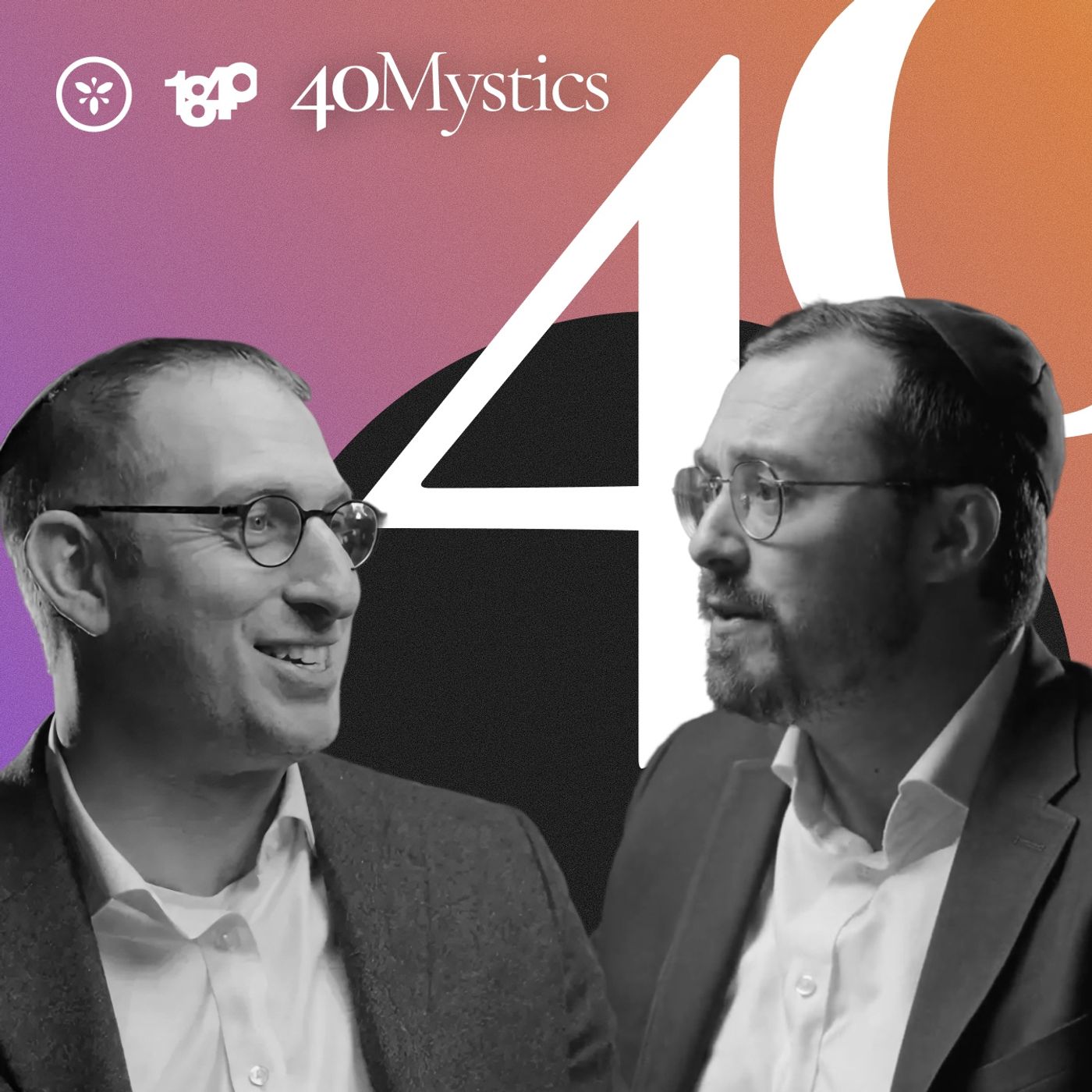
In this conversation, Rabbi Yaakov Klein argues that halacha [Jewish Law] and mysticism are two sides of the same coin. He stresses the importance of understanding the interplay between the two, as the purpose of Judaism is striving to unite both the “body” and “soul” of the Torah. Rabbi Klein lives in London and is the director of Eilecha, an organization focused on creating opportunities for spiritual growth and experiential education. He is the author of The Story of Our Lives, Sunlight of Redemption, and Sparks From Berditchov. Now, he joins us to answer eighteen questions on Jewish mysticism with Rabbi Dr. Benji Levy including how Torah is the soul of God, Jewish particularism serves a universal purpose, and how personal identity informs the way you view the world. Here are our questions: What is Jewish mysticism?How were you introduced to Jewish mysticism?In an ideal world, would all Jews be mystics?What do you think of when you think of God?What is the purpose of the Jewish people?How does prayer work?What is the goal of Torah study?Does Jewish mysticism view men and women the same?Should Judaism be hard or easy?Why did God create the world? Can humans do something that is against God’s will?What do you think of when you think about Moshiach?Is the State of Israel part of the final redemption?What is the greatest challenge facing the world today?How has modernity changed Jewish mysticism?What differentiates Jewish mysticism from the mysticism of other religions? Does one need to be religious to study Jewish mysticism?Can mysticism be dangerous?How has Jewish mysticism affected your relationships with yourself and with others?What is a Jewish teaching that you always take with you?
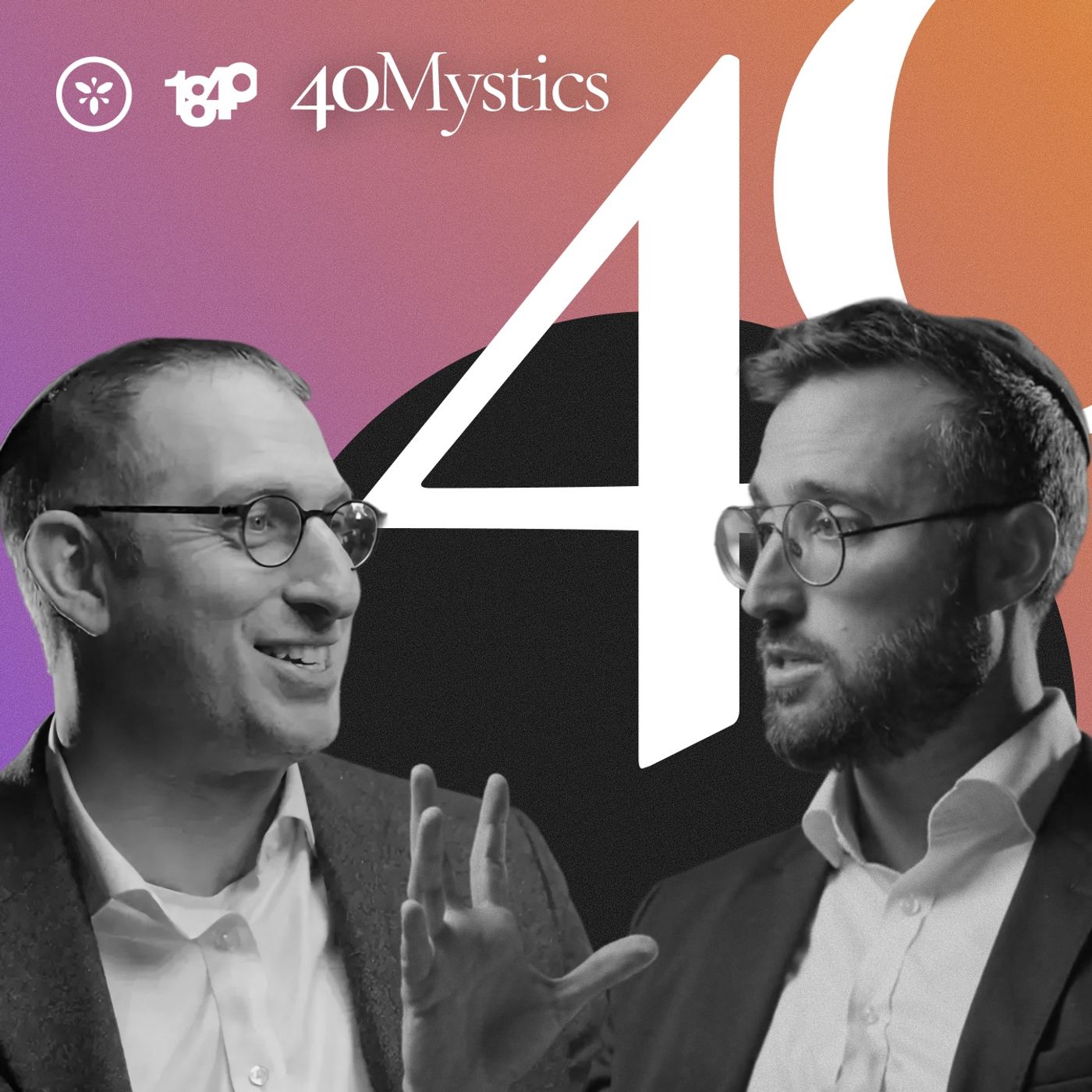
Rabbi Shmuel Ozhekh first encountered Jewish mysticism as a teenager at an outreach camp, where a class on angels sparked a sense of purpose and opened a lifelong spiritual path for him. In this conversation he stresses that Jewish mysticism is for everyone – not only for the religiously observant – and that accessing these teachings can enhance one’s inner life, relationships, and sense of purpose.Originally from Australia, Rabbi Ozhekh is the rabbi of the Ohr Somayach community in Cape Town, South Africa. He is the founder of the Rejewvenate Young Professional outreach movement and co-creator of EDEN, the first Jewish meditation app of its kind. Now, he joins us to answer eighteen questions on Jewish mysticism with Rabbi Dr. Benji Levy including viewing prayer as a point of connection and how misperception is a hindrance to living a more spiritual life. Here are our questions: What is Jewish mysticism?How were you introduced to Jewish mysticism?In an ideal world, would all Jews be mystics?What do you think of when you think of God?What is the purpose of the Jewish people?How does prayer work?What is the goal of Torah study?Does Jewish mysticism view men and women the same?Should Judaism be hard or easy?Why did God create the world? Can humans do something that is against God’s will?What do you think of when you think about Moshiach?Is the State of Israel part of the final redemption?What is the greatest challenge facing the world today?How has modernity changed Jewish mysticism?What differentiates Jewish mysticism from the mysticism of other religions? Does one need to be religious to study Jewish mysticism?Can mysticism be dangerous?How has Jewish mysticism affected your relationships with yourself and with others?What is a Jewish teaching that you always take with you?

Comments

Download from Google Play

Download from App Store
 United States