


 Claim Ownership
Computer Says Maybe
Subscribed: 34Played: 1,167
Subscribe

© 2024
Description
Technology is changing fast. And it's changing our world even faster. Host Alix Dunn interviews visionaries, researchers, and technologists working in the public interest to help you keep up. Step outside the hype and explore the possibilities, problems, and politics of technology. Learn more at www.themaybe.org/podcast.
144 Episodes
Reverse

The AI industry is so unpopular that it has started paying for the support it can’t earn. So what does it take for people to turn that mistrust into power that the industry can’t just buy off?More like this: Flock Shock: How Local Fights Over Surveillance Are Reshaping American Politics w/ Sarah Hamid & Anthony RalphsIn this episode, Steven Renderos, Executive Director of MediaJustice, walks us through our current political climate as data centers become a kitchen table issue and AI PACs stealthily pour hundreds of millions of dollars into the midterms. Steven also argues that the biggest mistake we can make is accepting the inevitability argument, and shares how we can build something that holds up for the next fight and the fights to come.Further reading & resources:BroBots vs the People Campaign — MediaJusticeThe People Say No: Resisting Data Centers in the South — MediaJusticeMedia Capture: Who Controls the Story Controls the Future — MediaJusticeWhile the Left Sleeps — Phil Agre, Wired, Aug 1995Join The Maybe Collective to explore the politics of technology through community discussions, access to exclusive digital events, and real ways to get more involved on issues you care about.Computer Says Maybe is produced by Kushal Dev, Marion Wellington, Van Newman, and Zoe Trout.

You may have seen the viral clip of a man in a full Darth Vader costume protesting Flock at a San Diego City Council meeting. The man behind the mask was Anthony Ralphs, who spent months trying to get the city to reconsider its contract with the surveillance tech company. After repeatedly raising concerns with the council, he turned to political theater - and got national attention. His protest is part of a growing backlash against Flock, bringing people across the political spectrum together to challenge surveillance tech and demand more say in how it’s used.In this episode, Anthony reflects on what it took to get people to listen. Then, Sarah Hamid from the Electronic Frontier Foundation breaks down how Flock’s data-sharing works and explains a strategy gaining traction in communities looking to get this technology out of their cities: bringing lawmakers and community organizers together before contracts are signed. Together, they unpack how backlash against Flock is turning frustration with surveillance tech into renewed political engagement.Further reading and resources:The Man Behind the Anti-Flock Darth Vader Mask Wants to Know: 'When Will This End? — 404 MediaFlock Taught Cops How to Surveil No Kings Protesters — 404 MediaStreet Level Surveillance: ALPRs** — Electronic Frontier FoundationEFF's Policy Position on ALPR Surveillance: Eliminate It and Reduce Its Harms — Electronic Frontier FoundationCities terminate Flock contracts at record pace in August — Ars TechnicaJoin The Maybe Collective to explore the politics of technology with a community of fellow co-conspirators. Sign up for monthly insights, access to exclusive digital events, and real ways to get more involved on issues you care about.Computer Says Maybe is produced by Kushal Dev, Marion Wellington, Van Newman, and Zoe Trout
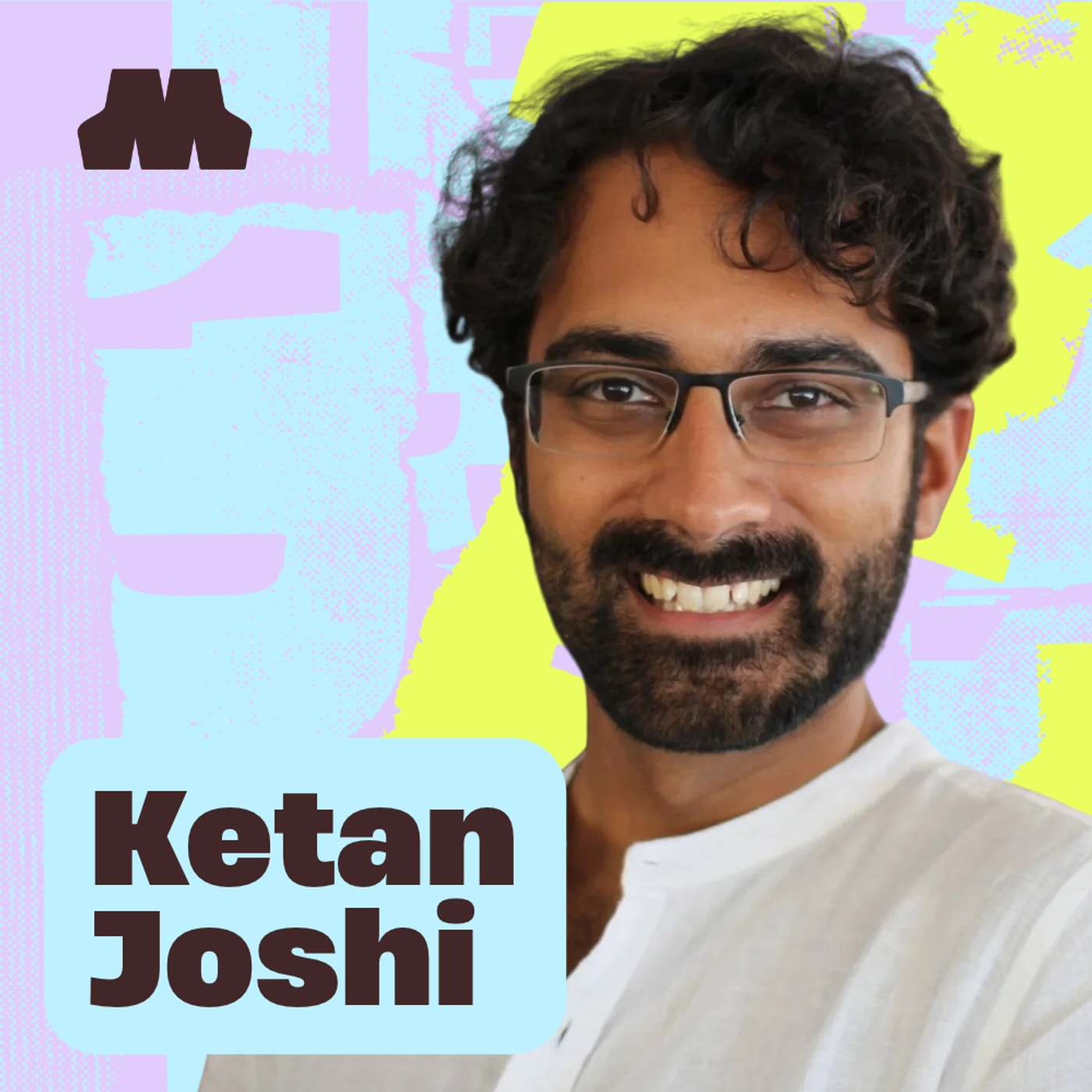
Tech companies keep telling us that the answer to solving climate change lies in AI. Meanwhile, the data centers required to power AI are keeping coal plants open longer, bringing in gas turbines, and driving plans for power stations bigger than anything we’ve built before.More like this: The Colossus Crossroads: Fighting for the Future of Memphis w/ KeShaun PearsonIn this episode, Ketan Joshi, an independent climate analyst based in Oslo who tracks the climate impact of data centers and AI, explains how we got from facilities that drew the power of a suburb to facilities that consume as much electricity as Nigeria’s entire power grid.A former wind industry advocate, Ketan breaks down how a company can claim to run on 100% renewable energy while still driving up fossil fuel use, why Big Tech stopped talking about offsets and started promising that AI itself will solve the climate crisis, and what you find when you read the footnotes of their sustainability reports.He also argues that the real winners of the AI boom aren't even the tech companies... but fossil fuel companies like Chevron, who still come out ahead even if the bubble pops.Further reading & resources:Ketan Joshi’s Big Tech Annual Emissions + Energy Data ReportsThe AI Climate Hoax Report — Ketan JoshiThe real energy use of agentic AI — Zeke HausfatherMicrosoft and Chevron plan one of the largest gas-powered data center projects in US — TechCrunch, June 2026Join The Maybe Collective for our first event: How to Resist AI in Schools: Learnings on Local Action with recent podcast guest, Ifeoma Ozoma on Thursday, October 15th 12-1pm ET for a participatory conversation about turning activation into action. This event is free to register HERE.Computer Says Maybe is produced by Kushal Dev, Marion Wellington, Van Newman, and Zoe Trout.

When a tech executive says AI will be doing your job next year, it sounds like a forecast. Dr. Carissa Véliz argues it's something else: a command, delivered in advance, that works only if enough of us obey it. If you believe the prediction, you buy the product, reorganize your company, and bet the economy on it, and the prediction comes true because you made it so. So who gets to make predictions that stick? And what would it take to stop treating them as news and start hearing them as orders?More like this: AGI is Scientifically Impossible w/ Adam BeckerIn this episode, Alix Dunn talks with Carissa Véliz, associate professor at Oxford's Institute for Ethics in AI and author of Prophecy: Prediction, Power, and the Fight for the Future, From Ancient Oracles to AI. Carissa explains why a prediction is a command disguised as a description, how powerful people use algorithms to fulfill their own forecasts, and why the alternative just might be being relying on preparation over prediction.Further reading & resources:Prophecy: Prediction, Power, and the Fight for the Future, From Ancient Oracles to AI — Carissa Véliz Beware the Power of Prediction — Carissa Véliz, TED TalkThe Origins of Totalitarianism — Hannah ArendtThe Dangerous Ideas of “Longtermism” and “Existential Risk” — Émile P. Torres, Current AffairsJoin The Maybe Collective to unpack this month's series on AI, elections, and who gets to shape the future with us. Sign up for monthly insights, access to exclusive digital events, and real ways to get more involved on issues you care about.Computer Says Maybe is produced by Kushal Dev, Marion Wellington, Van Newman, and Zoe Trout

Almost everyone studying kids’ safety online agrees that a blanket social media ban won't work. And nearly every government moving on the issue is passing one anyway. This week, a researcher and a policy lawyer dig into why - and what could actually work instead.More like this: When Kids Can’t Consent: The Case Against Tech in the Classroom w/ Andrew LiddellThis is the final episode in our back-to-school series on tech and kids. Pamela Wisniewski, a principal research scientist at the International Computer Science Institute, spends the first half of the conversation dismantling the myths that are driving most kids-online safety policies: that teens are victims with no agency, that we're all "addicted" in the same way, and that “bad kids” are seeking risk rather than connection. Her research suggests that safety isn't the absence of risk; it's having the agency and support to navigate it. She also explains why age verification often strips that agency from kids and parents alike, without making anyone safer.Cory Crider, executive director of the Future of Tech Institute, picks up where Pam leaves off. She walks us through Europe's Kids Act, the political pressure that is pushing Brussels to act, and why she'd rather fix toxic feed design than wall kids off from platforms that remain exactly the same underneath. She also gets into how easily an age-check system built for social media could creep into every corner of the internet if nobody's watching.Further reading & resources:Promoting Adolescent Online Safety and Privacy through Human-Centered Computing [VIDEO] — Pam Wisniewski, University of Waterloo CrySP Speaker Series on PrivacyEU KIDS Act to restrict social media platforms’ access to children in the EU — European CommissionWhat is in the EU's planned KIDS Act? — ReutersProtection of persons under 18: Seven out of ten children, aged between 10 and 14, think that setting the digital age of majority at 15 is a good idea — ArcomJoin The Maybe Collective to explore the politics of technology through fresh ideas that you won't hear anywhere else. Sign up for monthly insights, access to exclusive digital events, and real ways to get more involved on issues you care about.Computer Says Maybe is produced by Kushal Dev, Marion Wellington, Van Newman, and Zoe Trout

Comments

Download from Google Play

Download from App Store
 United States