


 Claim Ownership
Optometrists Building Empires
Subscribed: 1Played: 26
Subscribe

© 2024 Ringmaster Conversational Marketing
Description
Welcome to Optometrists Building Empires! Each week, host Ankit Patel, explores the journey of practice ownership and leadership in optometry with some of the top minds in his field. This show is sponsored by My Business Care Team: We help increase revenue, reduce costs, and reduce staffing headaches. Let's build your empire together!
110 Episodes
Reverse
How many more hours a week does an owner spend on patient care than the associate they employ? Most owners say ten. The best national numbers put it at about two. This episode takes apart the belief behind every first-associate hire that did not work out: busyness is not demand, an associate multiplies demand but does not create it, and the number that decides the hire never shows up on a report. With real cut-ins from Dr. Carlos Grandela (Episode 092) on hiring before the patients existed versus hiring off a documented 8-to-12-week wait, and Dr. Kyle Maxam (Episode 089) on using your own patient base to fill a new doctor's column. Plus the 1962 Tusko story on scaling by the wrong input.
By the numbers: owner vs employee patient-care hours 1,828 vs 1,731 (AOA 2017). Net income $172,016 vs $101,457 (AOA 2017). Seven years later $243,650 vs $156,819 (Review of Optometry 2024, n=422). Widest ownership gap: doctors 4 to 6 years in practice, $59,716 apart.
One thing to count: every Monday for four weeks, write down how many days out your third open exam slot is. Under two weeks is a demand question, not a doctor shortage.
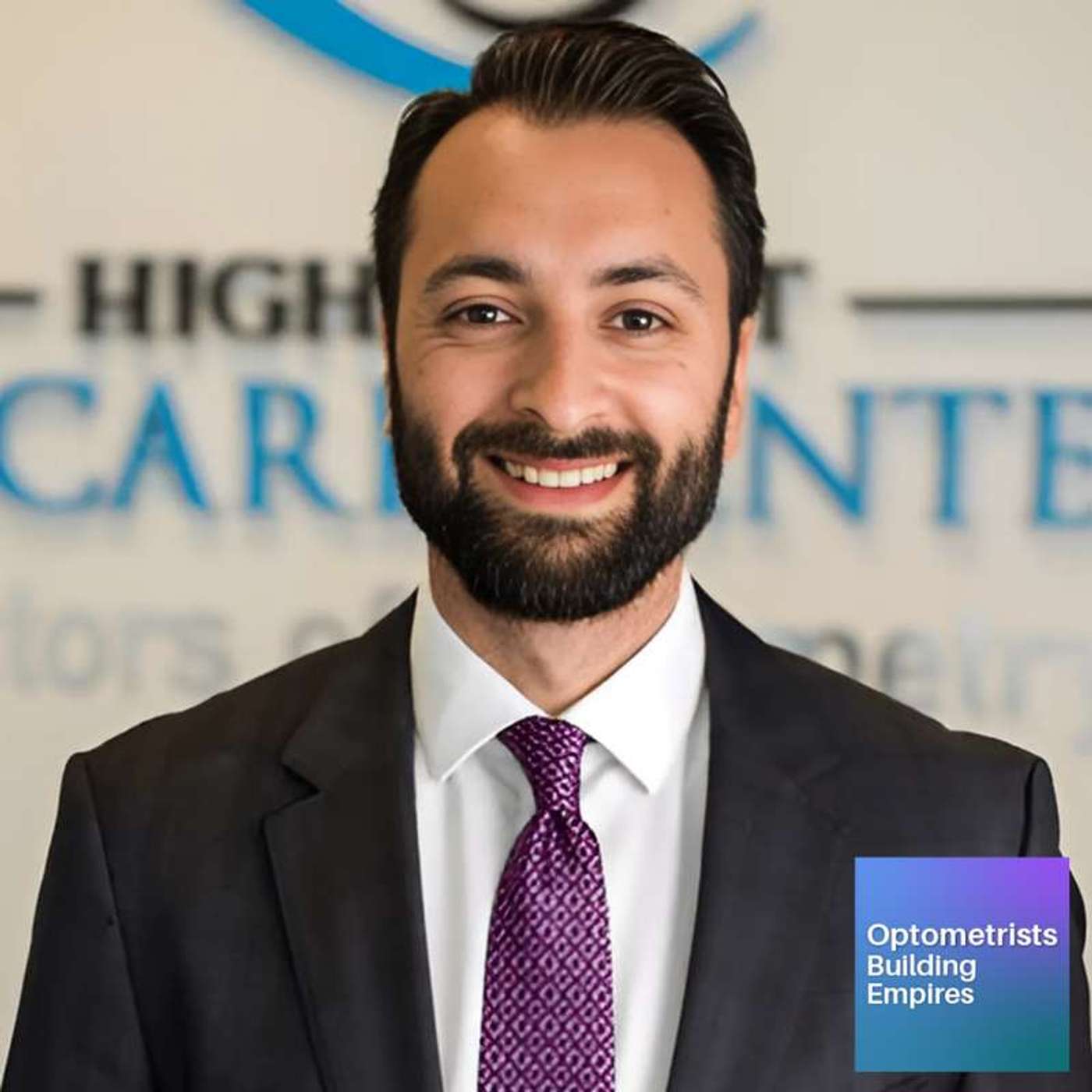
From the Optometrists Building Empires catalog. This is the Harbir Sian conversation on avoiding stagnation, first published as episode 34.
Are you ready to scale your optometry practice and embrace bold career moves? On this week’s episode of Optometrists Building Empires, host Ankit Patel sits down with Dr. Harbir Sian, award-winning optometrist, practice owner, and host of The 2020 Podcast. Dr. Sian shares how he expanded from one to three clinics, navigated staffing challenges, and leveraged public education to build a strong professional brand. If you're looking for insights on growth, resilience, and thinking big in optometry, this episode is for you! Takeaways:Success doesn’t happen in isolation, so surround yourself with people who provide honest feedback, even when it’s tough to hear. A reliable network of mentors, peers, and business partners can help refine your ideas and keep you grounded. In a challenging labor market, bringing candidates in for trial periods allows you to quickly assess their fit within your team. This approach ensures you find dedicated employees who align with your practice's culture and values. Growth requires stepping outside your comfort zone and embracing challenges that may seem intimidating at first. The biggest opportunities often come from pushing beyond what feels safe and trying new approaches. Success in optometry isn’t just about clinical skills; it’s about adjusting to industry changes and patient needs. Staying flexible and willing to pivot your business strategy ensures long-term stability and growth. Public education is more than just a way to give back—it’s a powerful tool for establishing authority and trust in your field. Creating content and sharing insights helps expand your reach and strengthen your professional brand. Scaling a practice isn’t just about opening more locations; it requires thoughtful evaluation of community needs and long-term sustainability. Strategic growth ensures your expansion benefits both your patients and your business.Quote of the Show:“ I wouldn't be where I am without the support that I've gotten from friends and family.” - Harbir SianLinks:LinkedIn: https://www.linkedin.com/in/harbirsianod/ Clarity Eye Care: https://clarityeyecare.ca/our-practice/ High Street Eye Care: https://highstreeteyecare.ca/our-practice/ Instagram: https://www.instagram.com/harbirsian.od/?hl=en 2020 Podcast: https://www.the2020podcast.com Ways to Tune In:Spotify: https://open.spotify.com/show/5w1H9BBwRXvBSSkexePYxG Apple Podcasts: https://podcasts.apple.com/us/podcast/optometrists-building-empires/id1762685070 Amazon Music: https://music.amazon.com/podcasts/689a039b-54ce-4f04-b641-66d8640d93d0 Podchaser: https://www.podchaser.com/podcasts/optometrists-building-empires-5812208
It is 7:42. Marcus is packing two lunches. Fourteen months ago he paid in full and said see you next year. The recall text is good. He glances at it over the milk and swipes for soccer. At 9:40 your lane is empty. That hole is real, and it is the small one. The bigger leak is the patient who never makes a promise your PMS can report. This solo episode uses Dr. Bethany Fishbein's warm-start math from Episode 098 to show why a buyer totals that file wall at the closing table if you do not total it first, and three fixes that need no new hire.
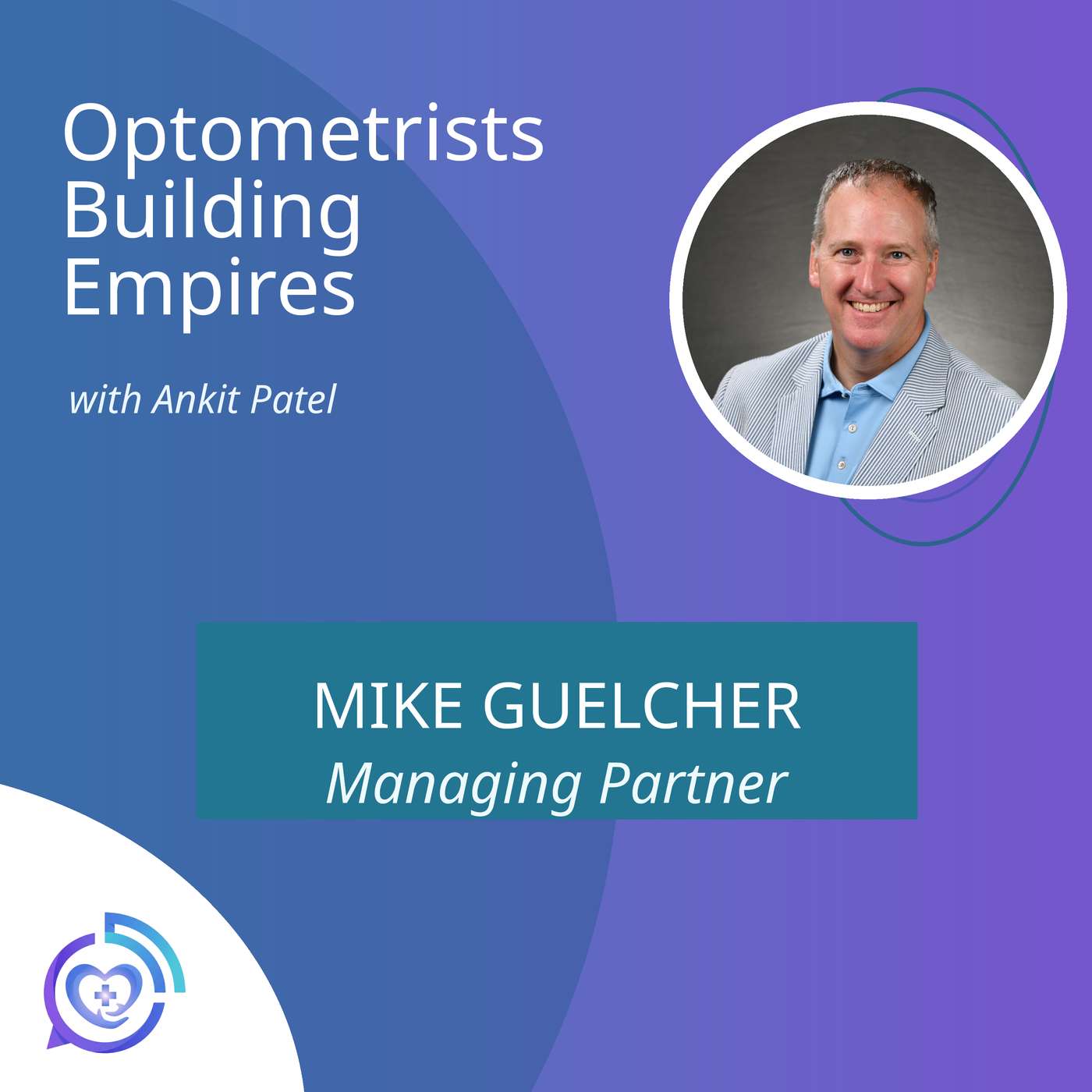
Mike Guelcher is one of the few people in eye care who has seen the business from every angle: senior leadership at Allergan, eight years leading acquisition efforts for one of the largest private equity-backed optometry platforms in the country, and hands-on projects inside the exam lane. Now co-founder and managing partner at Prism Consulting Partners and a certified exit planning advisor, Mike helps independent optometry owners build practices that are not just profitable but sellable on their own terms. In this episode, he walks through the 22-year journey that made that work possible, why the sequence of those career steps mattered as much as the steps themselves, and how he learned that prescribing decisions and practice sales alike come down to trust built over years. He also shares how an unexpected corporate reorganization in 2014 turned into the most fortuitous door of his career. If you own a practice you may one day sell, this conversation is a look at the other side of that table.
It is 2:15 on a Tuesday. A patient sits in her car with 15 minutes before her next meeting, contacts running low, finally ready to book the exam she has been putting off since April. The phone rings four times, five times, and about 30 seconds later she hangs up. Research puts the callback rate closer to 1.5 out of 10, which means roughly 85 percent of those callers never try again. Worse, the call leaves no evidence: no voicemail, no note, no report. Three weeks later the schedule looks soft and it feels like a marketing problem. This solo episode connects that missed call to the burnout data. A University of Colorado study of U.S. optometrists found 53.6 percent burned out, with only four tenths of a clinical day separating the most burned out doctors from the least, and EMR users running 17 percentage points higher. The fix is not working harder. It is changing the ratio of what you personally do.

Comments

Download from Google Play

Download from App Store
 United States