


 Claim Ownership
The Book Review
Subscribed: 47,156Played: 910,472
Subscribe


© 2023 The New York Times Company
Description
The world's top authors and critics join host Gilbert Cruz and editors at The New York Times Book Review to talk about the week's top books, what we're reading and what's going on in the literary world.
Subscribe today at nytimes.com/podcasts or on Apple Podcasts, Spotify and Amazon Music. You can also subscribe via your favorite podcast app here https://www.nytimes.com/activate-access/audio?source=podcatcher. For more podcasts and narrated articles, download The New York Times app at nytimes.com/app.
Subscribe today at nytimes.com/podcasts or on Apple Podcasts, Spotify and Amazon Music. You can also subscribe via your favorite podcast app here https://www.nytimes.com/activate-access/audio?source=podcatcher. For more podcasts and narrated articles, download The New York Times app at nytimes.com/app.
616 Episodes
Reverse
David Hastings is a retired business executive on a grim mission: He’s going to end his life.That’s the dramatic setup of Emma Cline’s latest novel, “Switzy.”When the story opens, David is on a plane, traveling to Europe. Throughout his life, he sacrificed friendship and family to climb to the top of the professional ladder. But now he is suffering from dementia, and his mind is fading. Determined to die on his own terms, David has decided to travel to Switzerland for a medically assisted suicide. But before he lands at his ultimate destination, he wants to settle a few relationships in his life.Bringing us deep into David’s fragmented consciousness, “Switzy” asks: What will we do when we know the end is near?On this episode of the Book Review Book Club, the host MJ Franklin discusses the novel with his colleagues Emily Eakin and Jennifer Harlan. You can follow along, and add your own comments to the discussion here.Other books, essays and movies mentioned in this episode:“The Girls,” “Daddy” and “The Guest,” by Emma Cline“You’ve Got Mail,” directed by Nora Ephron“Moby-Dick,” by Herman Melville“A Separate Peace,” by John Knowles“Etna,” by Paul Yoon“Flesh,” by David SzalayNora Ephron’s essays “What I Will Miss” and “What I Won’t Miss”“Atonement,” by Ian McEwan“Tinkers,” by Paul Harding“Orbital,” by Samantha Harvey“Small Rain,” by Garth Greenwell“On Being Ill,” by Virginia WoolfHermione Hoby’s essay “Why Is Illness So Hard to Write About?”
Subscribe today at nytimes.com/podcasts or on Apple Podcasts, Spotify and Amazon Music. You can also subscribe via your favorite podcast app here https://www.nytimes.com/activate-access/audio?source=podcatcher. For more podcasts and narrated articles, download The New York Times app at nytimes.com/app. Hosted by Simplecast, an AdsWizz company. See pcm.adswizz.com for information about our collection and use of personal data for advertising.
 2
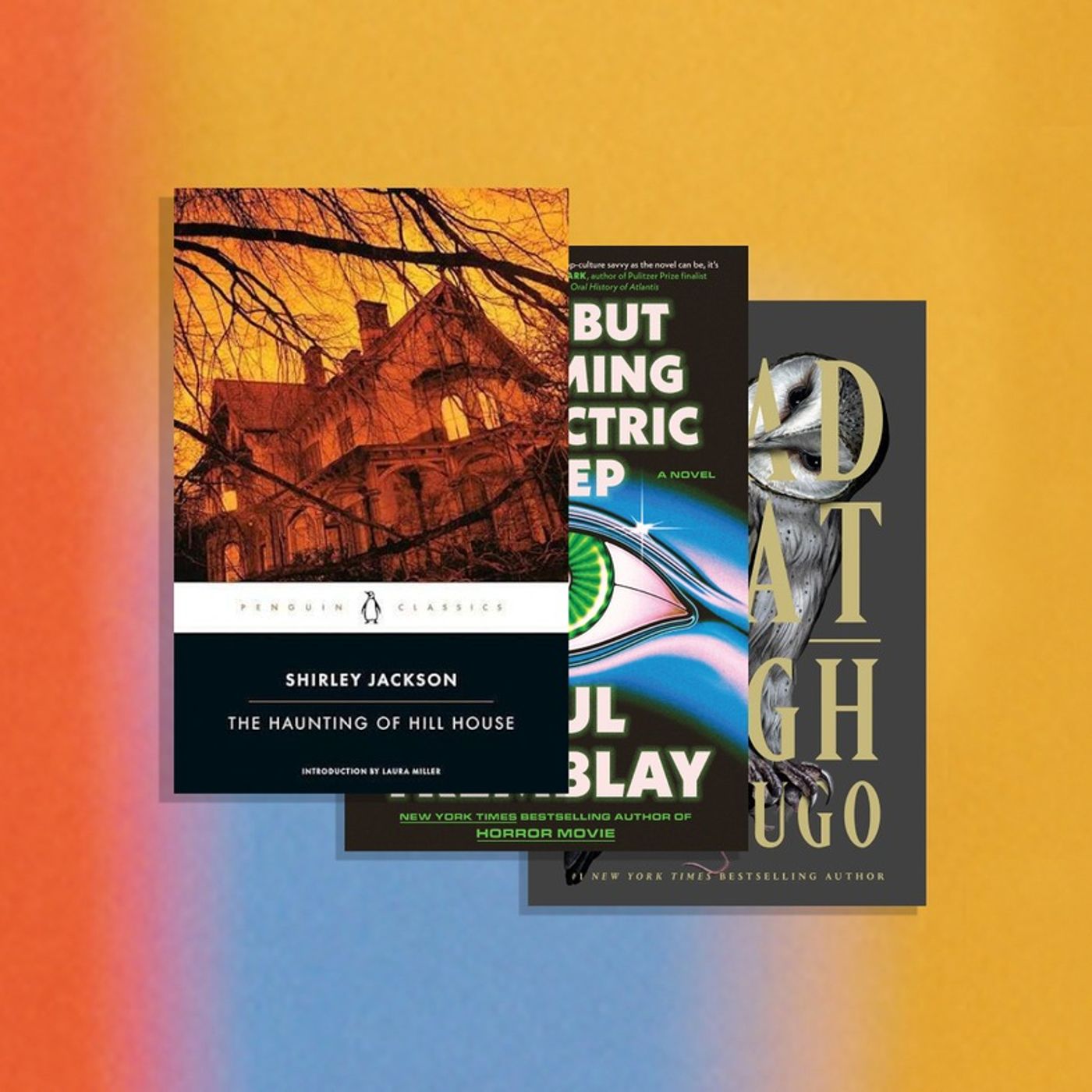
Halloween is the season for scary stories, but what actually makes a book frightening? And where should you start if you’re not already a horror reader?This week on “The Book Review” podcast, Gilbert Cruz talks with two writers who know their way around the genre. Leigh Bardugo is the best-selling author behind the Grishaverse series and the Ninth House trilogy, which just concluded with the release of “Dead Beat.” Paul Tremblay is the author of “A Head Full of Ghosts” and this year’s “Dead but Dreaming of Electric Sheep.”Bardugo looks back at the books and stories that scared her as a child and talks about why she kept returning to them even after they left her “struggling to sleep for the better part of a month.” She also talks about her love of Anne Rice and recommends horror for readers who might not think the genre is for them.Tremblay, who describes himself as a lifelong “scaredy-cat,” came to horror fiction later. He talks about the Joyce Carol Oates story that changed the way he thought about reading and writing, and shares some of the books he finds genuinely frightening.Together, these two authors offer a Halloween reading list that ranges from Shirley Jackson and Stephen King to contemporary writers like Mariana Enriquez, Tananarive Due and Sara Gran.Books discussed on this episode:“The Boogeyman,” from “Night Shift,” by Stephen King“Down a Dark Hall,” by Lois Duncan“Bunnicula,” by Deborah Howe and James Howe“’Salem’s Lot,” by Stephen King“Nightjars,” by Michael Wehunt“Affinity,” by Sarah Waters“Black Arts,” by Megan Giddings“The Reformatory,” by Tananarive Due“Mazywood,” by Tananarive Due“The Haunting of Hill House,” by Shirley Jackson“We Have Always Lived in the Castle,” by Shirley Jackson“Carrie,” by Stephen King“The Turn of the Screw,” by Henry James“Afterward,” from “Ghosts,” by Edith Wharton“Interview With the Vampire,” by Anne Rice“The Vampire Lestat,” by Anne Rice“The Witch of Blackbird Pond,” by Elizabeth George Speare“The Invisible Parade,” by Leigh Bardugo and John Picacio“Our Share of Night,” by Mariana Enriquez“Where Are You Going, Where Have You Been?,” by Joyce Carol Oates“The Skull,” by Jon Klassen“The Nest,” by Kenneth Oppel“Come Closer,” by Sara Gran“Off the Reservation,” by Stephen Graham Jones“She Said Destroy,” by Nadia Bulkin“Issues With Authority,” by Nadia Bulkin“North American Lake Monsters,” by Nathan Ballingrud“Wounds,” by Nathan Ballingrud“Books of Blood,” by Clive Barker“To Bewitch a Hunter,” by Luciano Lamberti“Trad Wife,” by Sarah Langan“Desert Radio,” by Pamela M. Durgin“The Flayed Man,” by Chloe LauterListen to and Follow ‘The Book Review’Apple Podcasts | Spotify | Amazon Music | YouTube | iHeartRadioUnlock full access to New York Times podcasts and explore everything from politics to pop culture. Subscribe today at nytimes.com/podcasts or on Apple Podcasts and Spotify.We Want to Hear From YouWe would love to hear your thoughts about this episode, and about the Book Review’s podcast in general. You can send them to [email protected]“The Book Review” podcast is hosted by Gilbert Cruz and produced by Amy Pearl, Sarah Diamond and Patricia Sulbarán. The show is mixed by Pedro Rosado.Special thanks to Dahlia Haddad.
Subscribe today at nytimes.com/podcasts or on Apple Podcasts, Spotify and Amazon Music. You can also subscribe via your favorite podcast app here https://www.nytimes.com/activate-access/audio?source=podcatcher. For more podcasts and narrated articles, download The New York Times app at nytimes.com/app. Hosted by Simplecast, an AdsWizz company. See pcm.adswizz.com for information about our collection and use of personal data for advertising.
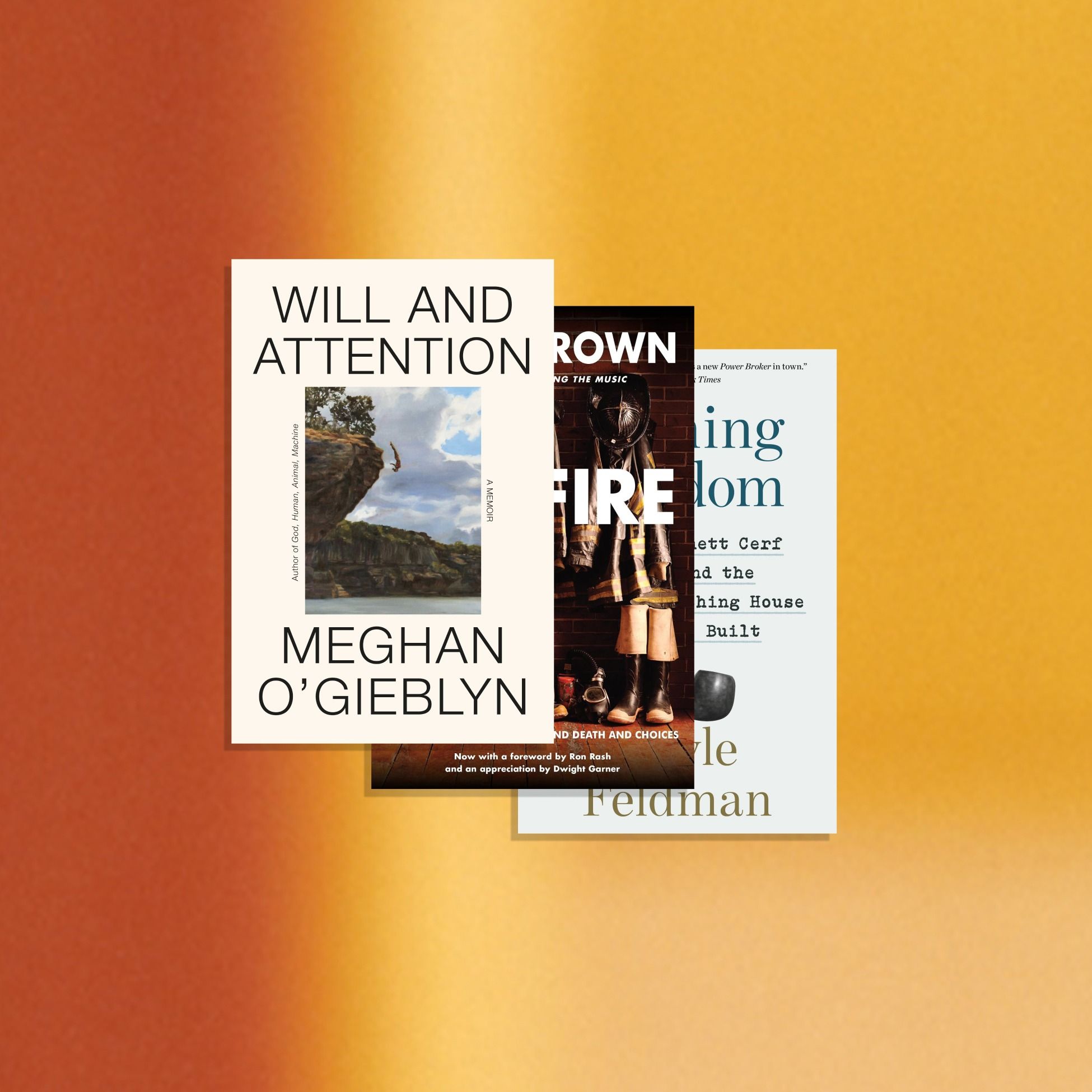
As much as we love hearing from authors on “The Book Review” podcast, there are precious few who have read more than our staff book critics — Jennifer Szalai, Alexandra Jacobs and Dwight Garner. The three came on the show to talk about some of their favorite books of the year so far, as well as a few of the titles that helped shape their reading lives.Books discussed on this episode:“Nothing Random,” by Gayle Feldman“Will and Attention,” by Meghan O’Gieblyn“The Disappearers,” by Marlon James“American Hagwon,” by Min Jin Lee“Lives Other Than My Own,” by Emmanuel Carrère“To the Lighthouse,” by Virginia Woolf“The American Way of Death,” by Jessica Mitford“Class: A Guide Through the American Status System,” by Paul Fussell“The Great War and Modern Memory,” by Paul Fussell“American Fried,” by Calvin Trillin“Alice, Let’s Eat,” by Calvin Trillin“Third Helpings,” by Calvin Trillin“On Fire,” by Larry Brown“Betsy-Tacy,” by Maud Hart Lovelace“Betsy-Tacy and Tib,” by Maud Hart Lovelace“Rabbit, Run,” by John Updike“Into the Wood Chipper,” by Nicholas Enrich“Cool Machine,” by Colson Whitehead“The Oyster Diaries,” by Nancy Lemann“Biological War: A Scenario,” by Annie Jacobsen“Nuclear War: A Scenario,” by Annie Jacobsen“The Story of Your Life,” by Kathryn Jezer-Morton“Transcription,” by Ben Lerner“The Wonderful World That Almost Was: A Life of Peter Hujar and Paul Thek,” by Andrew Durbin“Contrapposto,” by Dave Eggers“Brother of the More Famous Jack,” by Barbara Trapido“Love and Hydrogen,” by Jim Shepard“Trash!: A Garbageman’s Story,” by Simon Paré-Poupart
Subscribe today at nytimes.com/podcasts or on Apple Podcasts, Spotify and Amazon Music. You can also subscribe via your favorite podcast app here https://www.nytimes.com/activate-access/audio?source=podcatcher. For more podcasts and narrated articles, download The New York Times app at nytimes.com/app. Hosted by Simplecast, an AdsWizz company. See pcm.adswizz.com for information about our collection and use of personal data for advertising.

For Min Jin Lee, the process of writing fiction usually begins with a deep dive into reality. She spends years researching, traveling and interviewing people.That process underscored her belief that education was a common and central value for Koreans in diaspora. But it was also a complicated value, one that often resulted in extreme competitiveness and impossible expectations.In her new novel, “American Hagwon,” she tells the story of the Kohs, a middle-class family of five. The parents are fixated on attaining the best possible education for their children, thinking it will guarantee success and upward mobility. But when the 1997 Asian financial crisis hits, they find themselves having to start over as immigrants in America.This week, Lee returns to “The Book Review” podcast to talk about how education and community play out across her sprawling new novel, which our critic Alexandra Jacobs said “demands to be pressed into friends’” hands.Listen to and Follow ‘The Book Review’Apple Podcasts | Spotify | Amazon Music | YouTube | iHeartRadioUnlock full access to New York Times podcasts and explore everything from politics to pop culture. Subscribe today at nytimes.com/podcasts or on Apple Podcasts and Spotify.We Want to Hear From YouWe would love to hear your thoughts about this episode, and about the Book Review’s podcast in general. You can send them to [email protected].
Subscribe today at nytimes.com/podcasts or on Apple Podcasts, Spotify and Amazon Music. You can also subscribe via your favorite podcast app here https://www.nytimes.com/activate-access/audio?source=podcatcher. For more podcasts and narrated articles, download The New York Times app at nytimes.com/app. Hosted by Simplecast, an AdsWizz company. See pcm.adswizz.com for information about our collection and use of personal data for advertising.
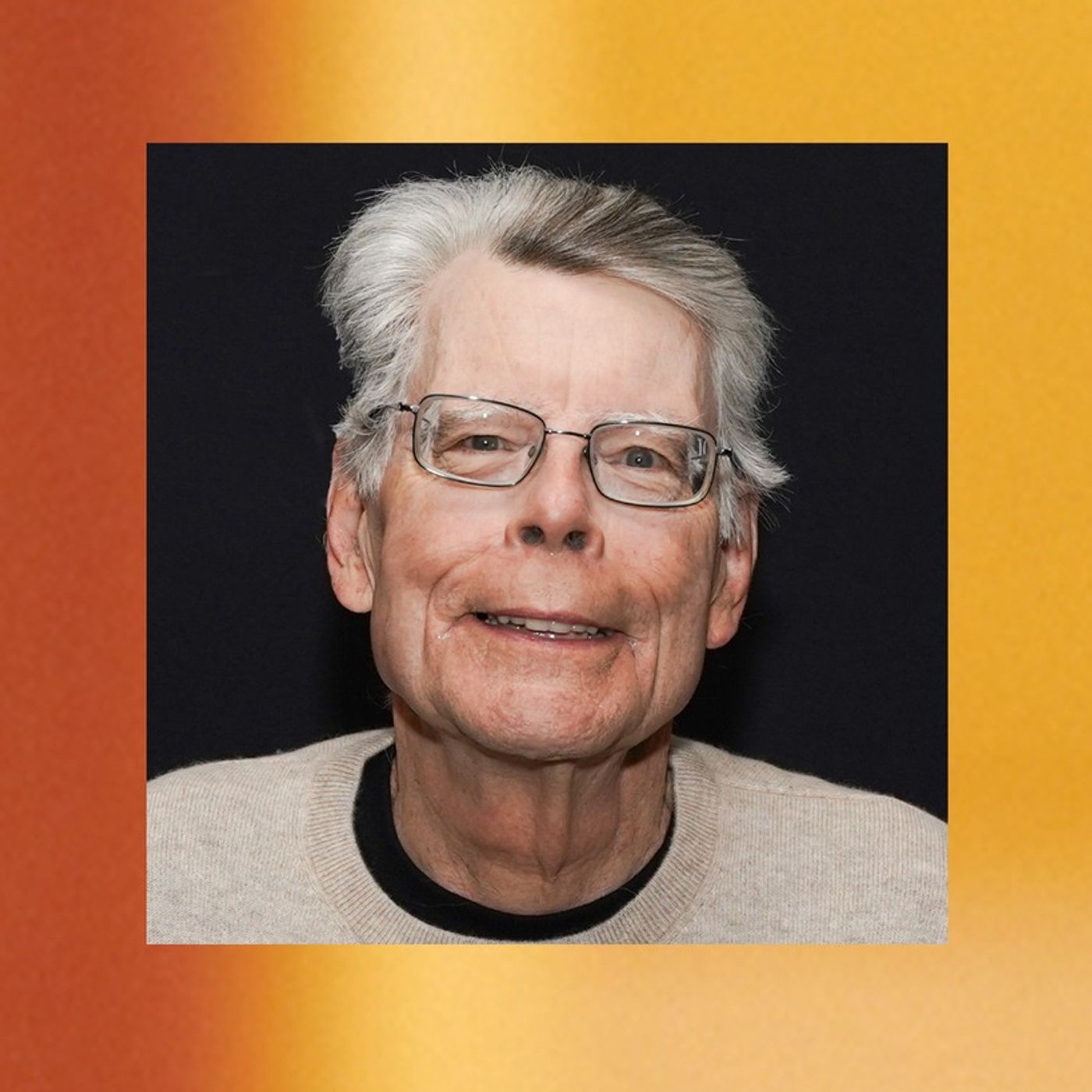
There are few living writers as closely associated with a genre as Stephen King is with horror. Over a career spanning more than 50 years, 70 novels and hundreds of short stories, King has terrified generations of readers with books like “Carrie,” “The Shining” and “It” while also writing across multiple genres like fantasy, science fiction and crime — producing books that resist easy categorization.One of those is “The Talisman,” the 1984 fantasy novel King co-wrote with the author Peter Straub (“Ghost Story”). It follows a 12-year-old named Jack Sawyer who discovers that he can move between our world and a parallel one called the Territories. Seventeen years later, King and Straub returned to Jack in the sequel “Black House.” They always intended to write one more book together.Straub died in 2022, before they could. But King is now publishing that third novel in the series, “Other Worlds Than These,” with Straub still credited as his co-author. The book comes out Oct. 6. To write it King has returned not only to the world they created together but also to Straub’s writing itself, rereading his old friend’s work and trying to channel his voice on the page. In it, Jack Sawyer is much older. And the new book, like “Black House” before it, incorporates King’s epic, sprawling Dark Tower series. Part of the story is also inspired by the crimes of the 1950s mass murderer, Charles Starkweather.This week, King joins the “Book Review” podcast to talk about finishing the series without Straub, their decades-long friendship and collaboration, his resistance to being defined solely as a horror writer and why, after more than half a century of published books, he still feels compelled to chase the next story.Books Mentioned on This Episode:“The Talisman,” by Stephen King and Peter Straub“Black House,” by Stephen King and Peter Straub“Other Worlds Than These,” by Stephen King and Peter Straub“Ghost Story,” by Peter Straub“The Hero’s Journey,” by Joseph Campbell“Redheaded Peckerwood,” by Christian Patterson“The Gunslinger,” by Stephen King“The Eyes of the Dragon,” by Stephen King“The Stand,” by Stephen King“The Dead Zone,” by Stephen King“Firestarter,” by Stephen King“Mr. Mercedes,” by Stephen King“Survivor Type,” from “Skeleton Crew,” by Stephen King“Deliverance,” by James Dickey“To the White Sea,” by James Dickey“Robinson Crusoe,” by Daniel Defoe“Dune,” by Frank Herbert“Floating Dragon,” by Peter StraubListen to and Follow ‘The Book Review’Apple Podcasts | Spotify | Amazon Music | YouTube | iHeartRadioUnlock full access to New York Times podcasts and explore everything from politics to pop culture. Subscribe today at nytimes.com/podcasts or on Apple Podcasts and Spotify.We Want to Hear From YouWe would love to hear your thoughts about this episode, and about the Book Review’s podcast in general. You can send them to [email protected] “Book Review” podcast is hosted byand produced by,and. The show was mixed by Pedro Rosado.Special thanks toand.
Subscribe today at nytimes.com/podcasts or on Apple Podcasts, Spotify and Amazon Music. You can also subscribe via your favorite podcast app here https://www.nytimes.com/activate-access/audio?source=podcatcher. For more podcasts and narrated articles, download The New York Times app at nytimes.com/app. Hosted by Simplecast, an AdsWizz company. See pcm.adswizz.com for information about our collection and use of personal data for advertising.

Comments

Download from Google Play

Download from App Store
 United States