


 Claim Ownership
Frontiers in Health & Happiness
Subscribed: 4Played: 31
Subscribe

© 2024, Frontiers in Health & Happiness
Description
The Frontiers in Health & Happiness Podcast features the discoveries and perspectives of experts in the fields of positive health, happiness, and well-being.
18 Episodes
Reverse

In this special bonus episode of Frontiers in Health & Happiness, host Ayla Fudala speaks with Dr. K. “Vish” Viswanath, Director of the Lee Kum Sheung Center for Health and Happiness at Harvard T.H. Chan School of Public Health, about the importance of social well-being and collective well-being.When we think about health and happiness, we often focus on individual choices, emotions, and achievements. But Dr. Viswanath’s work asks us to widen the lens: Our well-being is also shaped by our relationships, communities, institutions, social environments, and the opportunities we have to feel safe, included, respected, supported, and connected.The conversation explores ideas from Dr. Viswanath’s book chapter, “Beyond Individual Happiness: Understanding the Role of Social in Health and Well-Being,” co-authored with Dr. Zichao Li. Together, they discuss why social connection and participation matter for health, how trust and social capital operate in everyday life, and why collective well-being is about more than simply adding up individual happiness.In this episode, you’ll learn:What social well-being means—and how it relates to physical and psychological healthWhy health and happiness are shaped by social determinants and broader community conditionsThe difference between social integration and true social inclusionHow trust, reciprocity, social capital, and community ties support well-beingWhy loneliness, social isolation, and being alone are not the same experienceHow emotional, informational, practical, and belonging-based support affect healthWhen social media can strengthen connection—and when it may undermine participation in community lifeWhat collective well-being means and why it is not simply the sum of individual happinessHow inequality, discrimination, exclusion, and lack of access affect individual and community flourishingHow civic virtues—including trust, justice, solidarity, and social cohesion—can help create healthier communitiesPractical ways individuals can strengthen social connection and contribute to collective well-beingLearn more about Dr. Vishwanath’s work and read “Beyond Individual Happiness: Understanding the Role of Social in Health and Well-Being” in Perspectives on Wellbeing for Inclusive Schools and an Inclusive Society: https://www.emerald.com/books/edited-volume/21584/Wellbeing-for-Inclusive-Schools-and-an-Inclusive Stay connected with the Lee Kum Sheung Center for Health and Happiness:Website: https://hsph.harvard.edu/research/health-happiness/LinkedIn: https://www.linkedin.com/showcase/harvard-chan-health-happinessInstagram: https://www.instagram.com/harvardchan_healthhappiness/YouTube: https://www.youtube.com/channel/UCJ095u5aSCFD8Wv0zxcGs5AFrontiers in Health & Happiness is the official podcast of the Lee Kum Sheung Center for Health and Happiness at the Harvard T.H. Chan School of Public Health, exploring the science of health, happiness, social connection, and well-being.

In the final episode of our Virtues for Well-being series, host Ayla Fudala speaks with Dr. Demond Hill, Assistant Professor of Health Equity at Tufts University, about the science of awe—and why we may be able to find it in places we least expect.
Awe is often associated with mountaintops, breathtaking landscapes, or extraordinary experiences. But Dr. Hill’s research asks us to look closer. Drawing on his work with Black and Brown high school students in Boston, he explores how awe can emerge in everyday neighborhoods, relationships, art, play, and even spaces that might initially seem overlooked or “awful.”
The conversation also examines how awe may support mental health, social connection, belonging, and human flourishing, while challenging us to think about what these ideas mean in communities facing structural inequality. Dr. Hill shares lessons from his youth participatory action research and explains why listening to young people may be essential to creating healthier, more equitable communities.
In this episode, you’ll learn:
What awe is—and how it differs from joy and gratitude
Why you don’t need a dramatic natural landscape to experience awe
How awe can influence stress, connection, belonging, and well-being
What Black and Brown youth in Boston are teaching researchers about everyday awe
How overlooked spaces—from bus stops to neighborhood parks—can become sources of wonder and possibility
Why centering youth voices can transform health equity research
How educators, practitioners, and community leaders can help cultivate awe and flourishing
Learn more about Dr. Demond Hill and his research at Tufts University:https://as.tufts.edu/epcshd/people/faculty/demond-hill
Stay connected with the Lee Kum Sheung Center for Health and Happiness:
Website: https://hsph.harvard.edu/research/health-happiness/
LinkedIn: https://www.linkedin.com/showcase/harvard-chan-health-happiness
Instagram: https://www.instagram.com/harvardchan_healthhappiness/
Facebook: https://www.facebook.com/HarvardCenterHealthHappiness/
YouTube: https://www.youtube.com/channel/UCJ095u5aSCFD8Wv0zxcGs5A
Frontiers in Health & Happiness is the official podcast of the Lee Kum Sheung Center for Health and Happiness at the Harvard T.H. Chan School of Public Health, exploring the science of health, happiness, and well-being.
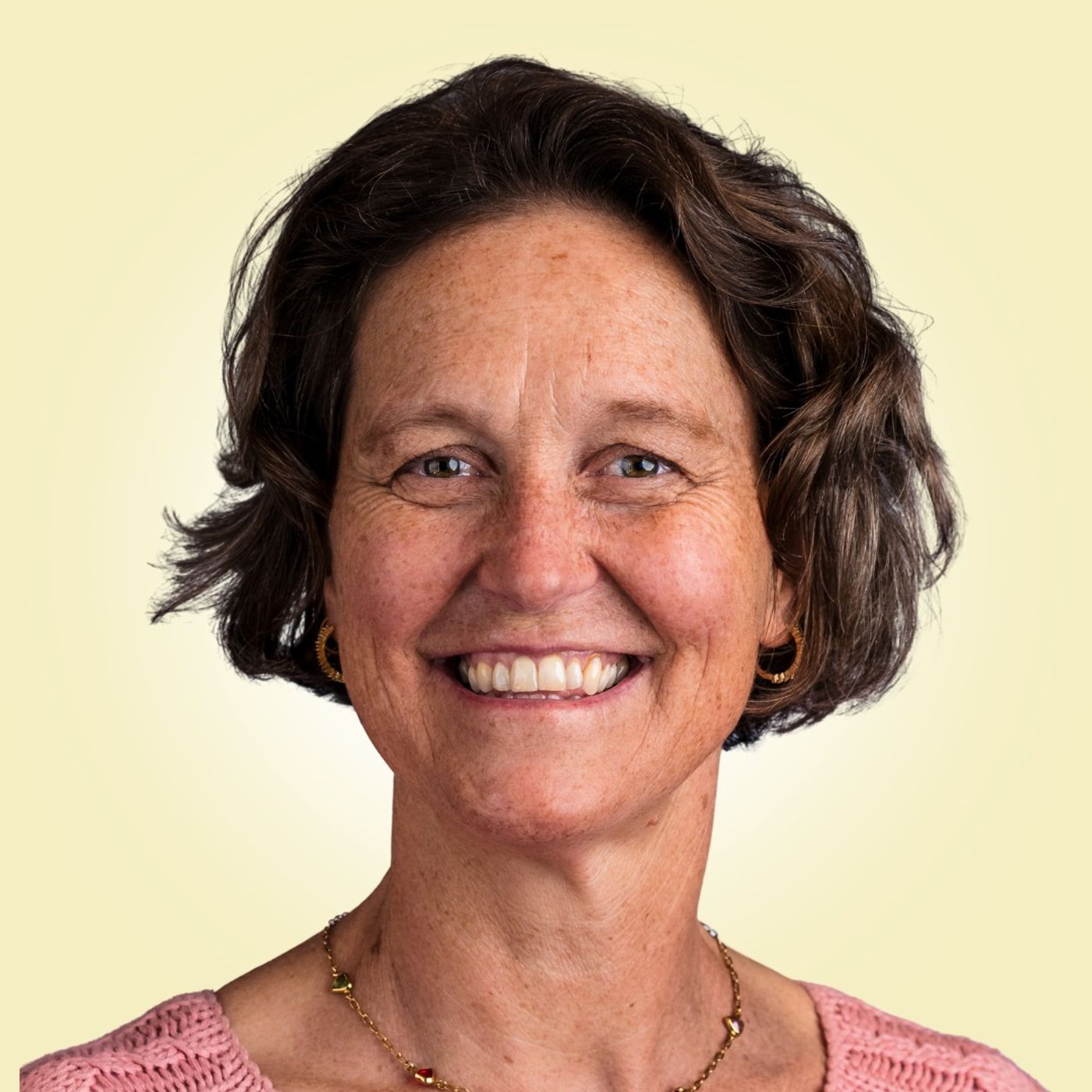
Can small daily actions meaningfully improve happiness and well-being? In this episode of Frontiers in Health & Happiness, host Ayla Fudala speaks with Dr. Emiliana Simon-Thomas, Science Director of UC Berkeley’s Greater Good Science Center, about the science of happiness, positive emotions, gratitude, compassion, awe, laughter, and social connection.
Dr. Simon-Thomas shares findings from the Big Joy Project, a global citizen science initiative that invites participants to try seven brief “micro-acts” designed to support well-being. She explains why different practices work for different people, how financial strain can make participation more difficult, and what researchers are learning about the connection between repeated practice, prosocial values, and a greater sense of agency over one’s happiness.
The conversation also explores lessons from UC Berkeley's Science of Happiness online courses, which have reached more than one million learners worldwide. Discover why expressing gratitude is more powerful than simply feeling it, why meaningful relationships are essential to health and happiness, and how small, intentional acts of kindness, generosity, and connection can create lasting change in our lives.

What if happiness, compassion, and resilience were not fixed traits, but skills you could train? In this episode of Frontiers in Health & Happiness, Dr. Richard Davidson, founder and director of the Center for Healthy Minds, explains how simple practices like meditation and mindfulness can help reshape the brain and support a healthier, more meaningful life.
Dr. Davidson shares some of the most fascinating findings from his decades of neuroscience research, including what he discovered while studying the brains of monks and long-term meditation practitioners. Their brains showed striking differences from those of untrained people, including patterns linked to deep awareness—and evidence suggesting their brains may even age more slowly.
The conversation also brings the science down to earth, exploring how anyone can build well-being through small daily practices. Dr. Davidson discusses the Healthy Minds Program app and its four pillars—awareness, connection, insight, and purpose—showing how even a few minutes a day can help reduce stress, strengthen compassion, and support human flourishing.
Along the way, Dr. Davidson reflects on his friendship with the Dalai Lama, whose warmth, curiosity, and questions about the mind helped inspire a lifetime of research. Join us for an accessible conversation about mindfulness, meditation, happiness, compassion, brain health, and what it means to care for the mind in everyday life.
Resources discussed in this episode:
Center for Healthy Minds
Humin
Healthy Minds Program app
Born to Flourish
Lee Kum Sheung Center for Health and Happiness

In this episode of Frontiers in Health and Happiness, host Ayla Fudala speaks with Richard Weissbourd, senior lecturer at the Harvard Graduate School of Education and director of the Making Caring Common Project, about what it means to raise caring, moral, and thriving children in today’s world.
Weissbourd explains why moral development is not just about beliefs, but about capacities like empathy, perspective-taking, justice, and caring for people beyond our immediate circles. He discusses how parents and schools can help children develop these capacities, why achievement and happiness often crowd out caring, and how an over-focus on children’s moment-to-moment emotions can unintentionally undermine their well-being.
The conversation also explores Making Caring Common’s work with families and schools, the Turning the Tide initiative to reform college admissions, the impact of social media and public life on children’s moral growth, and why caring for others is essential not only for children’s happiness, but for the health of our communities and democracy.
Resources related to Richard Weissbourd's work:
Making Caring Common Project: https://mcc.gse.harvard.edu/
Resources for families: https://mcc.gse.harvard.edu/resources-for-families
Resources for educators: https://mcc.gse.harvard.edu/resources-for-educators
Turning the Tide / college admissions work: https://mcc.gse.harvard.edu/resources-for-colleges
Stay connected with the Lee Kum Sheung Center for Health and Happiness:
Website: https://hsph.harvard.edu/research/health-happiness/
Newsletter: https://harvard.us15.list-manage.com/subscribe?id=35add2adf1&u=3ea9a13653576b4d74c77a0dc
LinkedIn: https://www.linkedin.com/showcase/harvard-chan-health-happiness
Instagram: https://www.instagram.com/harvardchan_healthhappiness/
Facebook: https://www.facebook.com/HarvardCenterHealthHappiness/
YouTube: https://www.youtube.com/channel/UCJ095u5aSCFD8Wv0zxcGs5A

Comments

Download from Google Play

Download from App Store
 United States