


 Claim Ownership
PODCAST PORTUGAL
Subscribed: 13Played: 163
Subscribe

© PODCAST PORTUGAL
Description
A weekly podcast in English about Portugal´s culture, history and daily life with various guests. Living in Portugal, moving to Portugal or visiting Portugal? Podcast Portugal is your essential resource for everything Portugal in English.
94 Episodes
Reverse
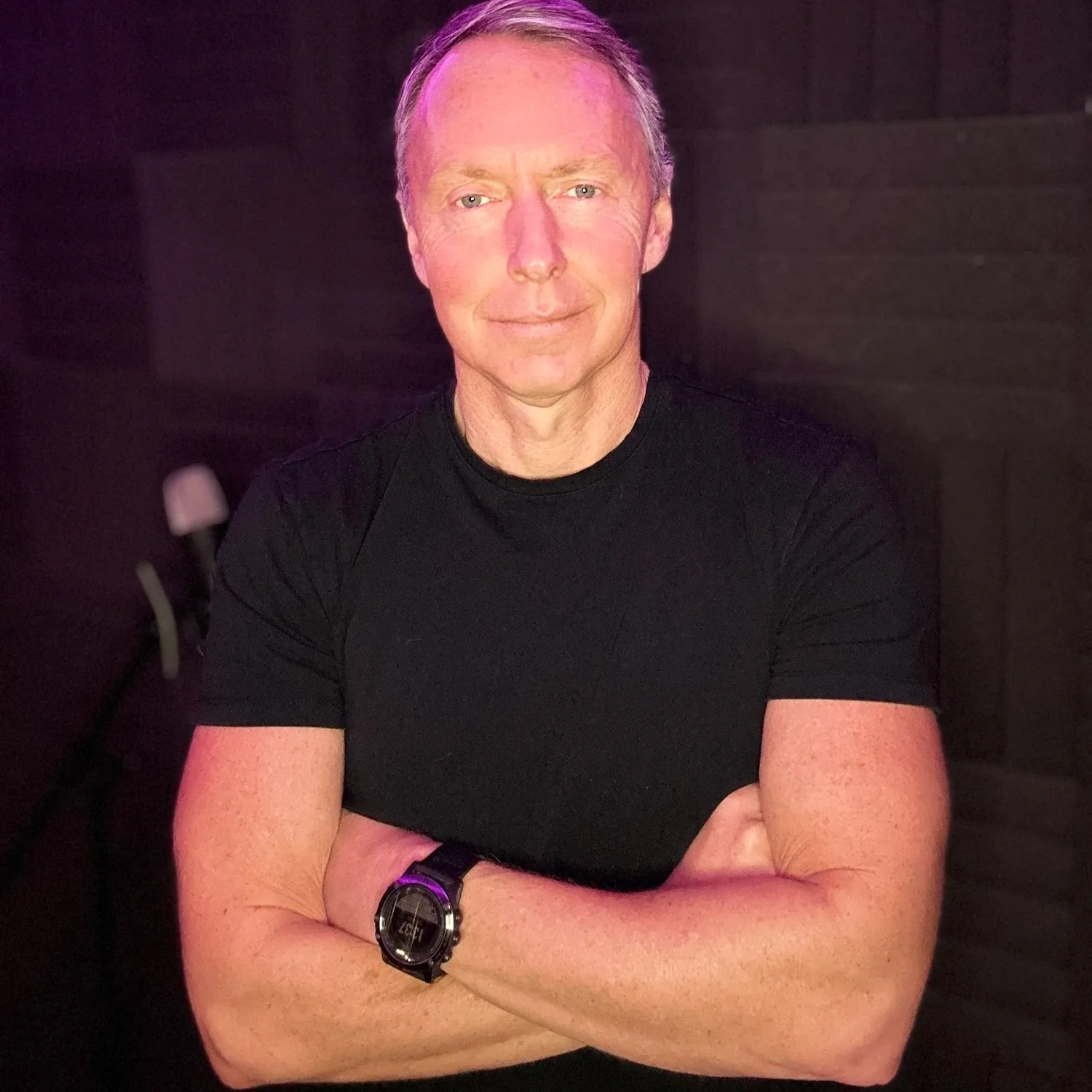
Solar panels and batteries in Portugal: Solviva founder John Wallace explains system sizing, registration, EV charging and how to cut your electricity bills.With 260 to 300 days of sunshine a year and electricity prices that keep climbing, Portugal is one of Europe’s most compelling places to go solar. Yet many homeowners and businesses end up with systems that are poorly sized, unregistered or impossible to upgrade. In this episode, Justin West sits down with John Wallace, founder of Solviva, who brought his experience from South Africa’s solar industry to Portugal to make the process simpler, more transparent and properly supported.Justin shares his own frustrating experience with one of Portugal’s major energy providers: an oversized system, no backup capability during grid outages, delays with legal registration and a customer service line that offered few answers. John explains why generic “package” solutions so often fall short, and why every installation should begin with a careful analysis of current and future energy needs.The conversation covers the essentials every property owner should understand before signing a contract: why systems above 700W must be registered by the installer, and why payment should be held back until that is complete; how correct sizing maximises self-consumption rather than exporting surplus energy for little return; the importance of choosing a hybrid inverter so batteries can be added later; and how bi-hourly tariffs can be used to charge batteries overnight at lower cost.Looking ahead, John explores the arrival of vehicle-to-home and vehicle-to-grid technology, expected within the next two to three years, which will allow electric vehicles to act as home batteries. He also discusses the realities of going fully off-grid versus staying grid-tied, the role and limits of AI in solar planning, and why experienced human advice still makes the difference.With well-designed systems typically paying for themselves within three to six years, and some clients reducing their electricity bills by more than 80 per cent, this episode is an essential listen for anyone considering solar, batteries or an EV charger in Portugal.To arrange a personalised solar consultation with John Wallace, visit www.solviva.biz, where you can complete the energy needs questionnaire or book a meeting directly.
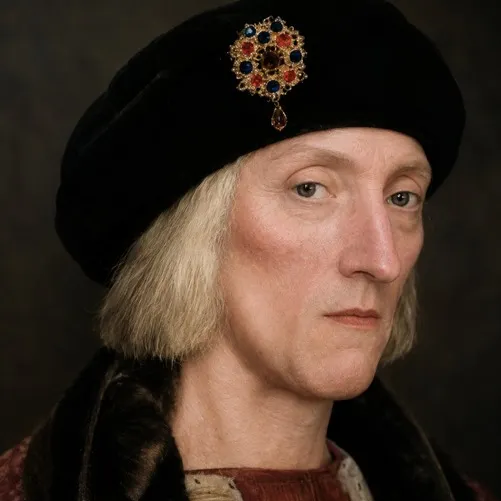
Was Christopher Columbus a Portuguese prince born in Madeira? Dr Manuel Rosa on his new book, a vanished Polish king and a secret kept for centuries.For more than five centuries, Christopher Columbus has been remembered as an Italian weaver from Genoa. Dr Manuel Rosa believes that story is wrong. In this episode, Justin West welcomes Dr Rosa back to Podcast Portugal to discuss his new book, Colombo – Um Príncipe Português, the culmination of 35 years of research and the first in which he commits fully to his conclusion: that the navigator was born in Madeira, the son of King Władysław III of Poland.Dr Rosa revisits the Battle of Varna in 1444, where the young king was said to have died. Letters written in 1445 describe him as alive and well, and a later letter from a monk points to his survival. According to Dr Rosa, Władysław chose not to reclaim his throne, made a pilgrimage as penance for breaking a truce, and settled in Madeira under the name Henrique Alemão, where he was granted lands confirmed by the Portuguese crown. His disappearance allowed his brother Casimir to take the Polish throne, and the truth was kept hidden at the highest levels of European power to prevent civil war.The conversation explores how the names Colón, Colombo and Columbus became confused, beginning with an error in Rome in 1493, and how nineteenth-century historians attached the navigator's life to a Genoese weaver of the same name. Dr Rosa argues that a weaver could never have married into the nobility, as Columbus did when he wed Filipa Moniz, nor risen to become admiral and viceroy. Growing up in Madeira, where villages were linked by sea and his father owned boats, the young heir would instead have learned navigation from childhood.Dr Rosa sets out the documents behind his case, including archival letters, chronicles and a Lithuanian genealogy linking the Polish royal house to the Colón family. He also explains why, as heir to the thrones of Poland, Hungary and Lithuania, Columbus's true identity had to remain a secret, and previews his next book, which will examine the 1492 voyage as a covert Portuguese mission against Spain.Colombo – Um Príncipe Português is available now in Portuguese from bookshops across Portugal, with an English edition still to be announced.Get one month of Starlink free when you sign up through this link. Fast, reliable internet at home and on the go. https://starlink.com/?referral=RC-3371964-82086-72&app_source=share
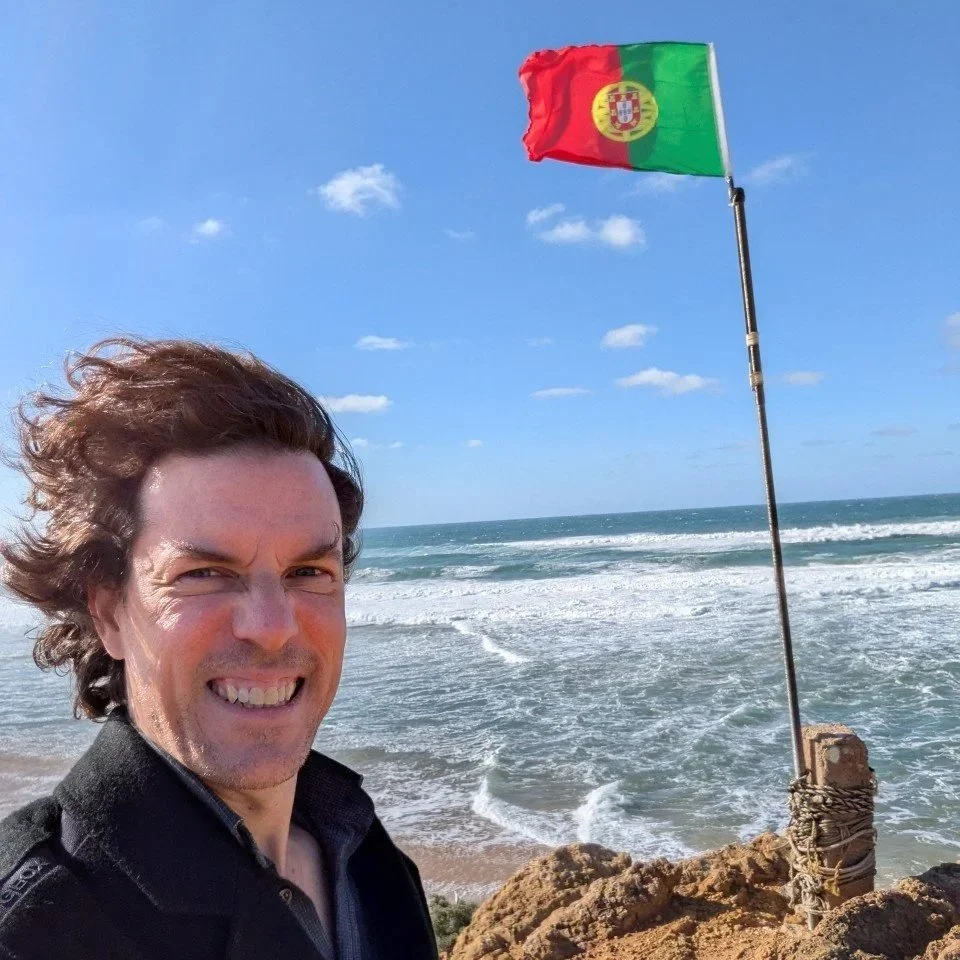
Noah Hallett, a US startup consultant in Lisbon, shares his honest experience of moving to Portugal, from AIMA residency card queues to its startup scene.Moving to Portugal is often presented as a story of sunshine, safety and quality of life, and much of that is true. It is also worth hearing the other side, which is exactly what Noah Hallett brings to this episode. Originally from rural California, Noah is a fractional Chief Customer Officer and strategic advisor to fast-growing startups, and he moved to Lisbon with his family after a careful, data-driven comparison of destinations.That comparison, built in spreadsheets and informed by safety statistics, education outcomes, cost of living and an international network, kept returning to the same conclusion. Concerns about the American school system, safety and rising living costs pushed the family to look abroad, and Lisbon's weather, quality of life and accessible immigration routes made it the clear choice.Noah first came to our attention through a TikTok video in which he vented about queuing for his youngest son's residency card at AIMA. While three of the four family members received their cards smoothly, his son's case turned into six days of waiting, more than 24 hours in line, an all-nighter and repeated biometrics. The card, it transpired, had simply been returned to AIMA after a missed postal delivery. Noah chose not to hire a lawyer so that he could experience and document the process first-hand, and he shares candidly what he saw: limited daily tickets, inconsistent information and people in the queue risking their jobs to be there.Justin and Noah discuss the simple fixes that could transform the experience, from online appointments and real-time status updates to better postal handling and digital PO box services. They also look at why bureaucracy of this kind is an opportunity for startups and technology entrepreneurs, and why so many of these headaches can be avoided altogether with the right relocation support.The conversation then widens to Portugal's startup ecosystem, which Noah sees changing quickly, with new founders, accelerators, government initiatives and funding, and a surprisingly close-knit community of experienced founders supporting newcomers. They consider the limits of a small domestic market and why the strongest businesses use Portugal's talent, costs and quality of life while selling internationally, the role of tourism, and the pressure that modest salaries and rising property prices place on local families. They also cover the shift in the Golden Visa towards genuine residents and business creation, and compare Portugal's income equality and cost of living with the United States.Finally, Noah explains how his TikTok channel, Portuguese Word of the Day, began as a way to hold himself accountable while learning the language, and how it attracted a warm and encouraging Portuguese audience. It is a reminder that a little effort to integrate is met with real generosity.Whether you are planning a move, already here and battling the paperwork, or building a business in Portugal, this is an honest and balanced conversation about what relocating really involves.Here is the direct link to Noah's TikTok, which, aside from the rant, is mostly very positive: https://www.tiktok.com/@portuguese.word.oThe paired Instagram account is here: https://www.instagram.com/portuguesewordoftheday/And you can connect with Noah on LinkedIn: https://www.linkedin.com/in/noah-hallett/Get one month of Starlink free when you sign up through this link. Fast, reliable internet at home and on the go. https://starlink.com/?referral=RC-3371964-82086-72&app_source=share
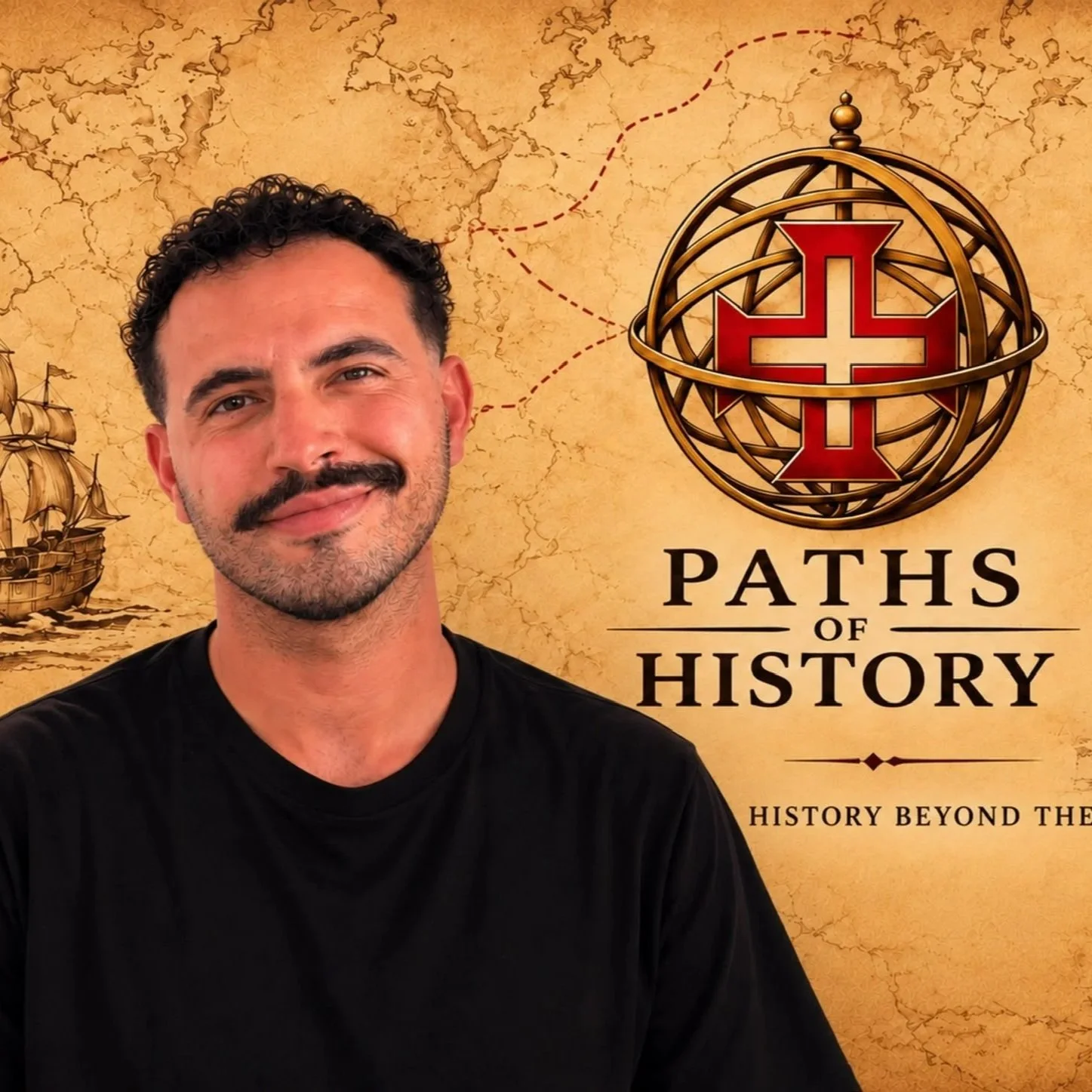
Tomás Pedrosa of Paths of History explores Portuguese history, from WWII spies in Estoril and the James Bond story to the Battle of Aljubarrota.Portuguese history is far more connected to the wider world than most people realise, and few people tell that story with as much enthusiasm as Tomás Pedrosa. A licensed tour guide of nine years, working across Leiria, Sintra, Lisbon and central Portugal, Tomás is the founder of Paths of History, and in this episode he explains how a schoolboy who disliked history became one of its most passionate storytellers.Tomás and Justin begin with the idea that history is, at heart, storytelling rather than a list of dates and facts. They discuss why so much of what we know comes to us indirectly through archives and secondary sources, and why the way history is taught, including the gaps around the royalist and dictatorial periods in Portuguese schools, shapes what people understand about their own country.From there the conversation turns to identity. Drawing on DNA evidence and his own ancestry results, Tomás describes Portugal as a genuine melting pot, shaped by centuries of migration, conquest and trade, and by explorers who carried Portuguese influence around the globe. He argues that sharing this history helps counter nationalism and the "us versus them" mindset, and helps us avoid repeating the mistakes of the past.The centrepiece of the episode is the extraordinary story of Portugal in the Second World War. As a neutral country leaning towards the Allies, Portugal became a haven for exiled royals, diplomats and spies, with Estoril and Cascais at the heart of the intrigue. Tomás recounts the tale of Dusko Popov, the real-life double agent who operated in Estoril and inspired Ian Fleming to create James Bond, and points out where Bond's screen adventures were filmed in Portugal. He also explains Portugal's delicate diplomacy, including the decision to allow British and American bases in the Azores in 1943.That balancing act rested on the Anglo-Portuguese Alliance, formalised in the treaties of 1373 and 1386 and recognised as the oldest military alliance in the world. Tomás also shares some lighter examples of the connection, such as Queen Catarina introducing tea drinking to England.Finally, the pair go back to the moment that made Portugal an independent nation. When King Ferdinand died without a male heir in 1383, Portugal faced annexation by Castile. At the Battle of Aljubarrota in 1385, around 6,000 Portuguese and English troops defeated a far larger Castilian and French army of some 33,000, through superior tactics and knowledge of the terrain. The victory brought the Avis dynasty to the throne, led to the marriage of João I and Philippa of Lancaster, and produced the "illustrious generation" that included Henry the Navigator, setting the stage for the Age of Discovery.Whether you are a history lover, a curious visitor or a new resident wanting to understand your adopted home, this is a lively and accessible conversation about the stories that made Portugal.Follow Paths of History on Instagram for more stories and tours: https://www.instagram.com/pathsofhistory/

Dr Bronwyn Holmes explains the science of stress, cortisol, hormones, visceral fat and vitamin D, and how chronic stress affects health, ageing and performance.In this episode of Podcast Portugal, Justin is joined by Dr Bronwyn Holmes for an in-depth conversation on the molecular biology of stress. Dr Holmes challenges the popular idea of adrenal fatigue, explaining that sustained stress causes the body's receptors to stop responding to cortisol, a signalling failure much like insulin resistance. The hormone is still present, but the message is no longer being received.The discussion explores why stress is not inherently harmful. Physical and mental stress trigger the same biological response, and controlled exposure, much like progressive overload in training, is essential for growth and resilience. Dr Holmes explains why modern life often lacks the right kind of challenge, and why children and adults alike benefit from tasks that are difficult but achievable.Dr Holmes also examines how visceral fat, which tends to increase in our forties, behaves as a hormonally active organ, producing its own cortisol and converting hormones into estrogen. She describes how progesterone and estrogen shift with age in both men and women, and why the balance between hormones matters more than any single figure on a blood test.Vitamin D receives particular attention, not only for bone health but for its role in regulating the stress response and immune function. Dr Holmes shares practical guidance on daily time outdoors and supplementation, and explains why low vitamin D can be a marker of chronic stress rather than simply a deficiency.Justin and Dr Holmes also discuss the challenge of accessing preventative and hormonal healthcare in Europe compared with the United States. The episode closes with Dr Holmes setting out a more comprehensive, correctly timed approach to testing, including thyroid, insulin, homocysteine, inflammation, sex hormones and cortisol across the day, and why a normal result does not always mean optimal health.To learn more about Dr Bronwyn Holmes and her work in hormonal and preventative health, visit www.bronwynmd.com*Editor's note:* *The introduction to this episode includes details that did not come from Dr. Holmes. The FDA advisory reference was taken from a BioReset Medical Instagram post, not from information Dr. Holmes shared with us. The descriptions of her patients were also not provided by her. Dr. Holmes does not discuss her patients or their backgrounds.Get one month of Starlink free when you sign up through this link. Fast, reliable internet at home and on the go. This episode is for general information only and does not constitute medical advice. Please consult a qualified healthcare professional before making changes to your health, testing or supplementation.

Comments

Download from Google Play

Download from App Store
 United States