


 Claim Ownership
Second Opinion with Rosemarie Beltz
Subscribed: 1Played: 6
Subscribe

© 2026 Rosemarie Beltz
Description
What if midlife isn't the beginning of getting old—but the beginning of something we haven't quite figured out yet?
Welcome to Second Opinion, where science meets real life in midlife.
Because the second half of life deserves a second opinion.
Hosted by Rosemarie Beltz—a cardiovascular perfusionist, Columbia-trained journalist, and former broadcast medical reporter with more than three decades inside operating rooms and high-stakes medicine.
Second Opinion brings together a career spent practicing medicine and reporting on it to explore health, longevity, reinvention, and the wonderfully complicated reality of being somewhere in the middle.
Because midlife is strange.
Some days you feel 25—curious, ambitious, optimistic, and convinced there's still so much ahead.
Other days? About 105. You're tired. Your body feels different. Your parents are getting older. Your career may not fit quite the way it once did. Relationships change. The future suddenly feels both incredibly exciting and a little more finite.
And somehow, all of those things can be true at the same time.
We're also living through an extraordinary moment. Medical discoveries, emerging technologies, and changing ideas about aging are reshaping what's possible in our 40s, 50s, 60s, and beyond.
We're talking about healthspan, hormones, metabolic health, strength, sleep, brain health, longevity, artificial intelligence, and treatments that barely existed a generation ago.
But more information doesn't always mean better answers and solutions.
After more than three decades working in medicine, Rosemarie has seen firsthand how asking another question, considering another perspective, or seeking a second opinion can change an outcome.
One expert doesn't have every answer. One approach doesn't work for everyone. And sometimes, the most important thing we can do is challenge what we've been told.
That's the philosophy behind Second Opinion.
We look beyond headlines, health trends, quick fixes, and conventional wisdom to explore what the evidence actually supports, where uncertainty remains, and what different choices might mean in real life.
And here's an even bigger question:
We may be living longer—but what are we going to do with all that extra life?
That's where the conversation gets really interesting.
Because midlife isn't just about our physical health. It's about our relationships, financial well-being, emotional health, careers, environments, changing priorities, and the lives we're still living and creating.
Through candid conversations with physicians, researchers, scientists, innovators, authors, and people with something meaningful to teach us, we explore the science, stories, decisions, and unexpected possibilities of midlife.
And sometimes Rosemarie turns the microphone on herself—sharing what she's learning from medicine, journalism, starting over, building something from scratch, and discovering that you don't necessarily become less curious about life as you get older.
Sometimes you become more curious.
What we're exploring:
- Health & longevity: Perimenopause, menopause, hormones, cardiovascular health, metabolic health, GLP-1s, sleep, strength, brain health, preventive medicine, and navigating healthcare.
- Relationships & connection: Dating after 40 and 50, love, sex, intimacy, friendships, family, and the relationships that shape our lives.
- Money, work & reinvention: Financial well-being, career transitions, entrepreneurship, confidence, changing priorities, and finding new purpose.
- Life beyond medicine: Mental and emotional well-being, beauty, technology, travel, our environments, personal growth, and finding more joy in everyday life.
This isn't about trying to be 25 again.
We can't go back. And maybe we don't want to.
We've lived. We've learned. We're not starting from scratch. We're starting with experience.
It's about taking everything we've learned, everything science is learning, and everything we still don't know—and exploring what might be possible from here.
Call it Midlife 2.0.
No perfect roadmap. No pretending we have it all figured out. Just smart conversations, good science, lived experience, a healthy dose of curiosity, and a willingness to look at things from another angle.
Because health matters. But being healthy isn't the whole point of living.
🌍 Independently created and produced in New York City, Second Opinion has reached audiences in more than 100 countries. A growing conversation for curious women and men who believe there's still so much more to discover.
And yes, Rosemarie is still figuring out what she wants to be when she grows up.
Real science. Real life. The bigger picture.
Second Opinion isn't here to tell you what to think. It's here to give you something worth thinking about!
65 Episodes
Reverse
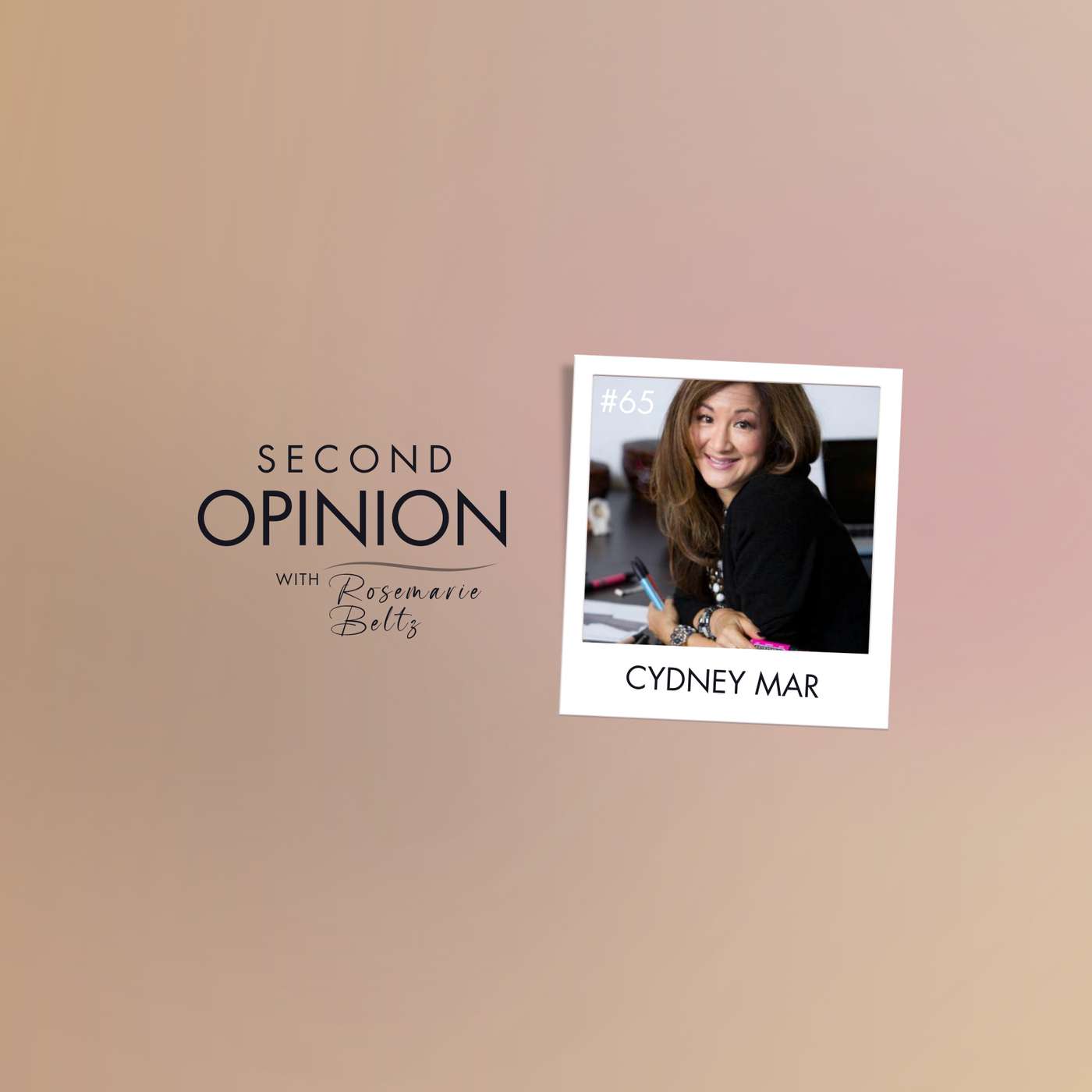
What if the life you never planned turns out to be the one with the most interesting chapters?A skating accident at 18. An international fashion career. A life-threatening medical crisis at 54. Financial setbacks, unexpected family discoveries—and at 68, an entirely new set of ambitions.Welcome to the first Second Wind story of Season 3 of Second Opinion with Rosemarie Beltz.Meet Cydney Mar: former competitive figure skater, international fashion designer, entrepreneur, and a woman who has collected more than a few plot twists. From Cirque du Soleil and QVC to wellness and business consulting, Cydney's story is anything but predictable.And the best part? She's still making plans.In This ConversationWe get into the fascinating, funny, and sometimes difficult realities behind starting over:When Plan A disappears: The skating accident that changed Cydney's future at 18—and the surprising person who helped her face reality.Fashion, ambition & the business of success: Building collections, appearing on television in eight countries, and learning that earning money and managing it are two different skills.When health changes everything: Her hospitalization at 54, emergency surgery, recovery, and the emotional impact of losing much of her hair.Identity beyond the obvious: Discovering her Indigenous heritage in her fifties and reconnecting with family history.The financial plot twist: Bankruptcy, rebuilding credit, and what she calls living the chickpea life.Life at 68: Better boundaries, fewer fair-weather friends, everyday health habits, and why she's far from finished creating.There's also a little talk about 1980s perms, early mornings, the importance of follow-up—and why every handbag deserves a silver lining.A Few Questions Worth Taking With YouWhat happens when the identity you've spent years building no longer fits?Are you waiting for the perfect circumstances to make your next move?And what might become possible if you stopped treating your age as a deadline?No perfect formulas here. Just one woman's experiences, some hard-earned perspective, and plenty to think about.Meet Cydney MarBased in Montreal, Cydney Mar is a designer, product-development consultant, and founder of Cydney Mar Wellness. Her work spans fashion, beauty, consumer products, and helping entrepreneurs turn ideas into businesses.Cydney is also developing The Thriving Circle, a financial-literacy initiative informed in part by her own experiences rebuilding financially.Explore her work, consulting, and wellness offerings:https://cydneymar.comA Note From RosemarieSome days in midlife, you feel 25. Other days? About 105. Either way, there's plenty left to explore!I'm Rosemarie Beltz, a board-certified cardiovascular perfusionist, Columbia University-trained journalist, former broadcast medical reporter and the independent creator, host, and producer of Second Opinion.We're having smart, candid conversations about health, science, money, relationships, identity, and everything that makes life after 40 so interesting.What started as an independent idea is now reaching listeners in more than 100 countries and growing. No big production company. Just curiosity, experience, great guests, and a global audience that keeps showing up.Real science. Real life. The big picture.Keep the Conversation GoingIf something in this episode made you laugh, think, or reconsider what's possible, share it with someone who'd appreciate a fresh perspective.Follow Second Opinion on your favorite podcast platform, and if you're enjoying the show, leave a rating or review. It helps this independently produced podcast find more curious minds around the world.Find more episodes and connect with me:https://RosemarieB.comOne Last ThingSecond Opinion is for education, exploration, and perspective—not personalized medical or financial advice. Guest experiences and opinions are their own, and personal stories aren't clinical evidence.Use what you hear to start better conversations with your healthcare professionals and other qualified advisers. Ask questions. Consider the evidence. Make decisions that fit your circumstances.From New York City, I'm Rosemarie.Stay curious. Embrace possibilities. And remember, experience and age are always an advantage.Never be afraid to get a second opinion.
🔗 Follow & Subscribe to never miss an episode. If you love the show, leave a review—it helps others get a second opinion!💡 Have a topic you’d love for us to cover? Reach out at www.rosemarieb.com.
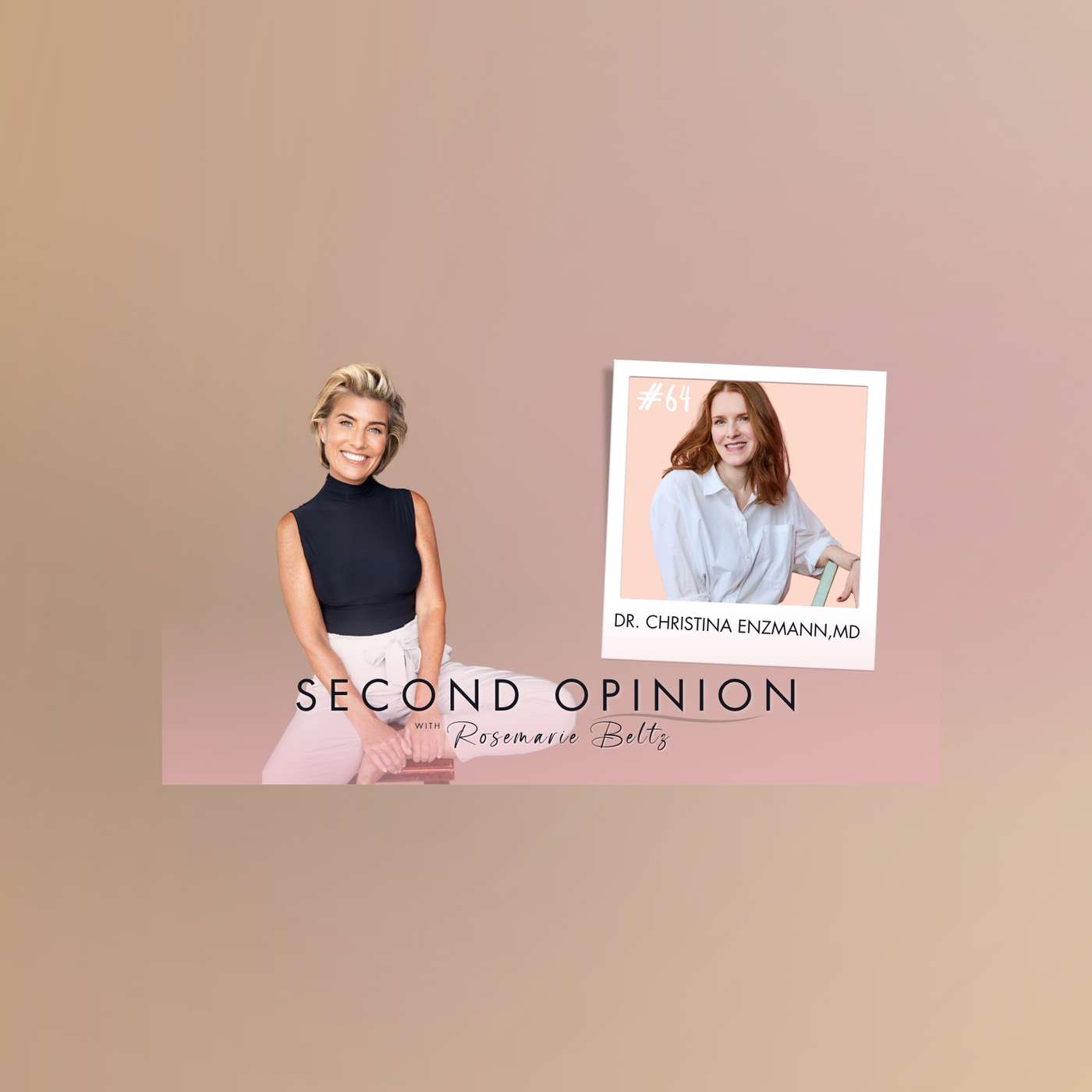
Featuring Dr. Christina Enzmann, MD — Board-Certified OB/GYN and Menopause Society Certified Practitioner.Some days you feel 25. Other days? About 105. Welcome to midlife!Hot flashes. Belly fat. Sleepless nights. A gut that suddenly has a mind of its own. And a vagina that apparently didn't get the memo that we're still very much in business.Welcome to menopause in 2026. We're talking about it more than ever—but are we actually getting better information?What if hormones are only part of the story? And what if some of the biggest changes happening in our bodies are the ones nobody thought to explain?This week on Second Opinion, Rosemarie sits down with Dr. Christina Enzmann, a board-certified OB/GYN, Menopause Society Certified Practitioner, and physician with more than 20 years of experience in women's health.Trained in Germany and the United States, Dr. Enzmann brings together conventional gynecology, menopause medicine, metabolic health, and functional medicine to explore a bigger question: What does it really take to feel well in midlife?And yes, we're going there. All the way down to the vaginal microbiome.We're getting into ALL of it:Menopause is having a moment. But is social media educating women—or selling us another problem to fix?HRT isn't a magic wand. Why hormones may help certain symptoms without addressing everything else happening in your body.Your gut, your brain, and your hormones. The fascinating connections between estrogen, stress, sleep, metabolism, and the microbiome.Your labs are “normal.” So why don't you feel normal? What test results can tell us, what they can't, and why clinical context matters.Let's talk about your vagina. Vaginal estrogen, changing pH, the microbiome, urinary symptoms, painful sex, and genitourinary syndrome of menopause (GSM).Testosterone, supplements, and the menopause marketplace. What deserves attention, what's being oversold, and where the evidence still has questions.The underfueled woman. Could eating less, exercising harder, and pushing through exhaustion be working against your midlife goals?What actually helps? Fiber, food, recovery, lifestyle, informed treatment decisions, and knowing when to seek another medical opinion.And somewhere along the way, Dr. Enzmann delivers one of my favorite lines of the conversation:“Stand up for your vagina!”Now THAT is a women's health message we can get behind.Two women. Both 54. Zero interest in settling for “just okay.”At one point, I share something a physician once told me: that I shouldn't expect to feel the way I did at 30.Excuse me?Dr. Enzmann has some thoughts about that, too.This is a lively, occasionally provocative conversation about science, medicine, the realities of aging, and why midlife deserves something better than fear, misinformation, or another expensive miracle cure.Because getting older doesn't mean lowering the bar. It means asking better questions.Meet Dr. Christina EnzmannDr. Enzmann is a board-certified OB/GYN and Menopause Society Certified Practitioner whose work focuses on menopause, hormonal and metabolic health, functional medicine, and vulvovaginal health.Her upcoming book, The Underfueled Woman, explores the challenges faced by driven, active women who may not be eating enough to support their energy and metabolic needs.Explore her work, clinical services, and resources:https://drchristinaenzmann.com/About Second Opinion with Rosemarie BeltzIndependent. Curious. Growing. And heard in more than 100 countries!Created and hosted by Rosemarie Beltz—a cardiovascular perfusionist with three decades of clinical experience , a Columbia-trained journalist and broadcast medical reporter—Second Opinion brings real science into real life.From New York City to a growing community of listeners across 102 countries, we're exploring health, longevity, relationships, reinvention, and the beautifully complicated reality of life in the middle.No network. No sponsors directing the conversation. Just an independently produced show built on curiosity, experience, and the belief that age should always be an advantage.Our listeners are thoughtful, informed, and not particularly interested in being told to settle.Real science. Real life. The big picture.Keep the conversation goingIf this episode makes you rethink something you've been told about menopause, share it with a friend, sister, colleague, or anyone who deserves a little more science and a lot less hype.Follow Second Opinion, leave a review, and help this independent conversation reach other global mid-lifers!Find more episodes and connect with Rosemarie:https://rosemarieb.com/Stay curious. Question the familiar. Have some fun.Medical note: This episode is for education and conversation, not individualized medical advice. Treatment decisions, including hormone therapy and supplements, should be discussed with a qualified healthcare professional.
🔗 Follow & Subscribe to never miss an episode. If you love the show, leave a review—it helps others get a second opinion!💡 Have a topic you’d love for us to cover? Reach out at www.rosemarieb.com.
You know better. You've questioned the old rules. Now, is your everyday life actually set up for what you want next?Welcome back to The Fall Midlife Refresh on Second Opinion with Rosemarie Beltz.In Part One: The Internal Revamp — We Know Better. So Why Do We Keep Doing It?, we explored why we hold on to familiar habits, expectations, and patterns—even when experience tells us there might be a better way.Now comes Part Two: The External Revamp.Because recognizing what needs to change is one thing. Actually making room for a different experience? That's where things get interesting.And I have a confession.At 34, I walked ten blocks through New York City at 4:30 a.m. to get to the gym. Rain, sleet, freezing temperatures. Nothing stopped me.Today, at 54, my gym is three floors downstairs. There's an elevator.And somehow getting there requires a strategic plan—and possibly outside consultants.What happened?Maybe it's not simply about discipline. Maybe the systems that worked twenty years ago aren't designed for the life we're living now.And maybe, just maybe, we're ready for something better.In this episodeWe're getting personal, practical, and a little playful about:Midlife fitness: Why I'm approaching strength training differently at 54—and bringing AI along to help organize the experiment.The science of habits: What research actually tells us about behavior, repetition, environmental cues, and the mythical 21-day rule.Intention plus infrastructure: Why wanting something isn't the same as creating space for it.The Fall Semester: Learning new things, exploring technology, and turning information into action.The five-question System Revamp: A simple framework to examine what's working, what's not, and what you might change.Money, work, love, and freedom: Making room for the experiences we say we want.Romanticizing the present: Because we don't have to wait for everything to be perfect to enjoy the lives we've worked so hard to create.You'll also hear responses from listeners and community members following Part One, including a wonderful analogy about navigating a boat through rough seas.It raises a question I haven't stopped thinking about:Just because we've become exceptionally good at navigating difficult circumstances, does that mean we have to keep choosing the difficult route?The bigger pictureI'm 54. I work in medicine, produce this podcast independently, and have a life I genuinely love.I have ambitions. I have plans. I have plenty I still want to experience.But I'm not interested in spending the next ten years getting ready to enjoy the ten years after that.I want to build the future and enjoy the present. Both.And that means examining not only what I want, but how I'm organizing my life to support it.Your turnWhat's something you've become really good at managing that you might not need to manage the same way anymore?Choose one thing. Get curious. Try something different.And tell me what you discover.We're old enough to know better. Young enough to want more. Smart enough to question the instructions.From New York, I'm Rosemarie.Real science. Real life. The big picture.About the showSecond Opinion explores health, longevity, relationships, and the wonderfully complicated reality of midlife.Hosted and independently produced in New York City by cardiovascular perfusionist, Columbia-trained journalist, and former broadcast medical reporter Rosemarie Beltz.https://RosemarieB.comFrom New York to 101 countries and counting, Second Opinion is bringing curious minds together to question the conventional wisdom about health, aging, and living fully- And we are here for it! Thank you for being part of this midlife experiment 🤍Research and sourcesHabit formation and environmental cuesWood, W., & Rünger, D. (2016). Psychology of Habit. Annual Review of Psychology, 67, 289–314.https://doi.org/10.1146/annurev-psych-122414-033417How habits form over timeLally, P., van Jaarsveld, C. H. M., Potts, H. W. W., & Wardle, J. (2010). How are habits formed: Modelling habit formation in the real world. European Journal of Social Psychology, 40(6), 998–1009.https://doi.org/10.1002/ejsp.674Physical activity and strength trainingCenters for Disease Control and Prevention. Adult Activity: An Overview.https://www.cdc.gov/physical-activity-basics/guidelines/adults.html
🔗 Follow & Subscribe to never miss an episode. If you love the show, leave a review—it helps others get a second opinion!💡 Have a topic you’d love for us to cover? Reach out at www.rosemarieb.com.
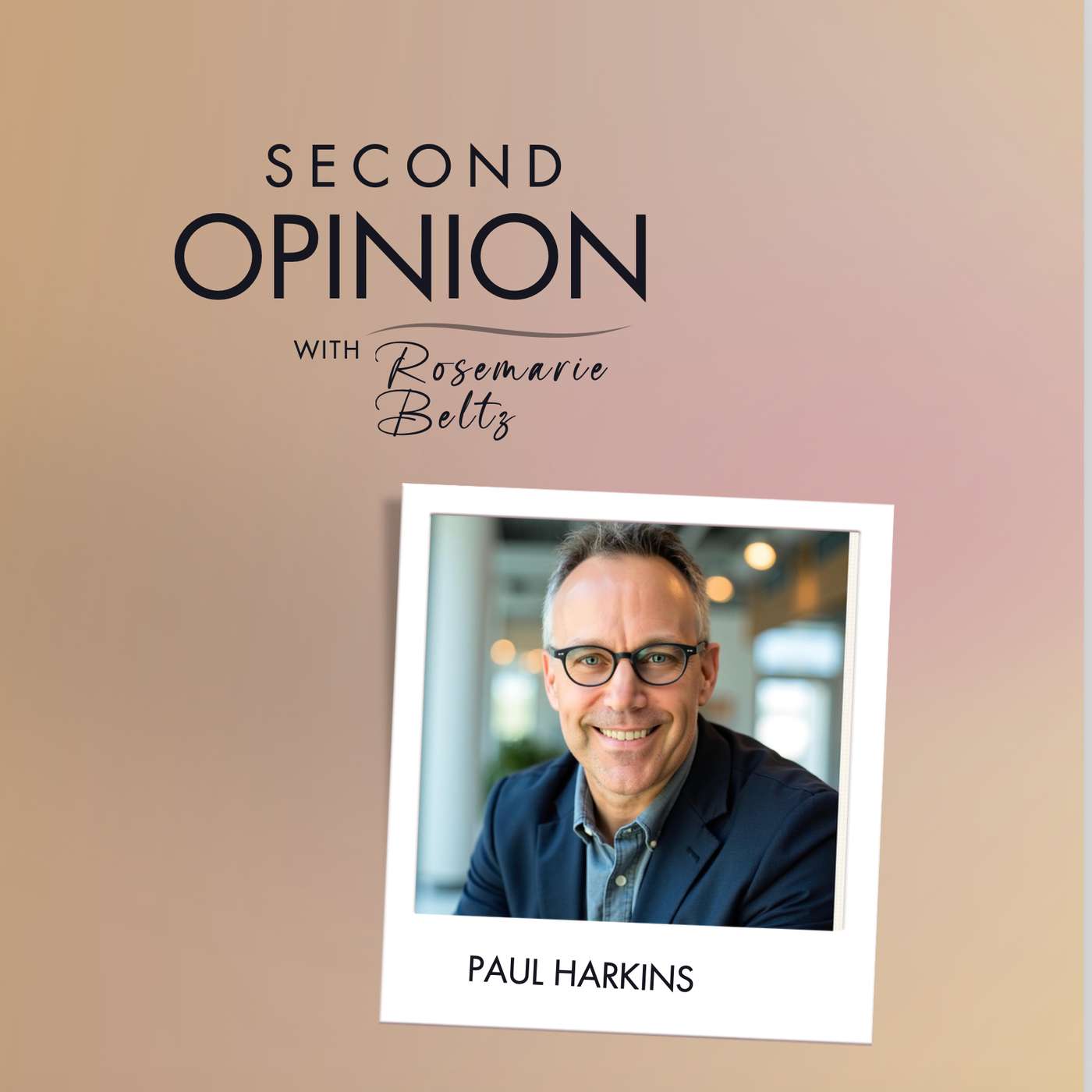
Love. Loss. Dating. And Another Shot at Something Great.We’re older. Wiser. More independent. We know what we want—or at least we think we do.So why can finding a meaningful connection in midlife feel so complicated?And here's a question worth asking: What if chemistry isn't the most important ingredient in a lasting relationship?This week on Second Opinion, Rosemarie Beltz sits down with New York City entrepreneur, inventor, and author Paul Harkins, whose book The Refrigerator Test explores dating after 50, compatibility, and the ordinary moments that reveal who we really are.Paul isn't a dating expert. He's a man who's built businesses, raised a family, experienced divorce and heartbreak, and found himself navigating love and relationships with a very different perspective.And he has some opinions…What if the person who makes your heart race isn't necessarily the person who makes your life better?What if we've become so independent that we've forgotten how to make room for someone else?And what if starting over isn't starting from scratch at all?From first-date chemistry to real-life compatibilityThis conversation goes well beyond dating apps, first impressions, and romantic expectations.Paul shares why he now values partnership over perfection, what he wishes he'd understood during his marriage, how his childhood shaped the way he connects with others, and why he believes meaningful intimacy takes more than physical attraction.Rosemarie brings her own midlife perspective to the table, challenging assumptions about chemistry, independence, sex, vulnerability, and the sometimes absurd reality of dating in New York City.They even get into the refrigerator.Because eventually, the restaurant closes, the vacation ends, and two people have to figure out whether they actually enjoy an ordinary Tuesday together.What we're getting intoDating after 50: What's genuinely different when you already have an established life?Chemistry versus compatibility: Can connection create attraction instead of the other way around?Love, divorce, and hindsight: What Paul would do differently in his marriage—and what he learned from losing it.Sex and intimacy in midlife: Why slowing down, building trust, and being vulnerable can change the experience.Independence versus partnership: How do two accomplished adults maintain their identities while building something together?Childhood and relationships: How early experiences can influence the way we communicate, react, and connect decades later.Modern dating and mixed signals: Why Paul pays more attention to actions than words.Starting over: The difference between rebuilding your life and believing you have to begin again from zero.The Refrigerator Test: What everyday habits might reveal about compatibility—and what they might not.Second chances: Are we too quick to walk away, too reluctant to change, or simply afraid of getting hurt again?A few moments worth listening forPaul explains why feeling peaceful beside someone has become more meaningful to him than romantic drama.He also challenges the conventional wisdom around instant chemistry, discusses how his views on marriage have evolved, and shares the unexpected circumstances of meeting someone new at a rock-climbing gym.And yes, Rosemarie has a refrigerator story of her own.The conversation is candid, funny, personal, occasionally uncomfortable, and full of the kind of questions that don't always have one right answer.Meet Paul HarkinsPaul Harkins is a New York City-based entrepreneur, inventor, and author with decades of experience building companies.His book, The Refrigerator Test: 32 Observations About Dating, Compatibility, and the Ordinary Moments That Reveal Everything, uses humor, personal experience, and everyday observations to explore what makes relationships work—or not work—after 50.Rather than presenting a formula for finding love, Paul asks readers to pay closer attention to the lives people actually lead.Connect with Paul and find his book:Website: https://paulharkins.comBook: The Refrigerator Test — available through Paul's website and Amazon.Instagram: https://www.instagram.com/bypaulharkins/About Second Opinion with Rosemarie BeltzIndependently created and produced in New York City. Now reaching audiences in more than 90 countries!Second Opinion is a podcast for curious midlifers who want more than headlines, health trends, or another list of things they're supposedly doing wrong.Independently produced and hosted by Rosemarie Beltz, a cardiovascular perfusionist, Columbia University -trained journalist, and former broadcast medical reporter, the show explores the science and lived experience of getting older—and getting more out of life.Hormones. Longevity. Sleep. Strength. Brain health. Relationships. Money. Work. Beauty. Purpose. And everything in between.Some conversations are clinical. Some are deeply personal. Others, like this one, take us down a few unexpected rabbit holes.The mission remains the same: ask better questions, challenge assumptions, bring context to complicated subjects, and create a global community where midlife isn't treated as a problem to solve.No scripts to follow. No one-size-fits-all answers. Just thoughtful conversations about the lives we're actually living.Real science. Real life. The big picture.Join the conversationHere's your Second Opinion question:What's more important to you now than it was at 25—chemistry, compatibility, independence, or peace?And because we couldn't resist:What would somebody learn about you by opening your refrigerator?Share your answer in the comments or wherever you connect with Second Opinion. We'd love to hear perspectives from midlifers around the world.If this episode made you laugh, think, reconsider an old assumption—or immediately inspect your refrigerator—follow, subscribe and pass along the Second Opinion love with someone who would have an opinion. Including others will help other curious midlifers like you, discover these conversations!Because whether you're single, dating, divorced, married, rebuilding, or perfectly happy exactly where you are, there's still room for connection, adventure, and another shot at something great.We're not starting from scratch. We're starting with experience.From New York, I'm Rosemarie. Stay curious, have some fun, and keep falling in love with your own life!
<...
You've lived long enough to know what works, what doesn't, and what you want. So why are you still doing some of the things you know aren't working?Welcome to midlife.Some days you feel 25. Other days? About 105. And sometimes both versions show up before lunchtime.I'm Rosemarie Beltz. I'm 54, living in Brooklyn, working in Manhattan, traveling whenever I can, building an independent podcast, and juggling healthcare, creativity, relationships, health, home, and all the other moving parts of a full life.Sound familiar?I'm also determined to clock the moments—the beautiful, spontaneous, ordinary, extraordinary moments that make life worth living.Because I'm committed to making the next 50 years my best 50 years.And I have no intention of missing today while planning for tomorrow.The Fall Refresh: Let's Question the FamiliarThis episode began with a conversation at the hospital.A colleague mentioned that we'd been doing something the same way for twenty years—as though that alone settled the question.And I started wondering:How often do we defend something in our personal lives simply because we've always done it that way?A habit. A relationship pattern. A responsibility. An expectation. An old story about ourselves.Sometimes we know something deserves another look.So why is it so difficult to change course?In Part One of our two-part Fall Refresh, we're exploring the psychology behind our attachments, decisions, and familiar routines—and what happens when we start questioning the internal systems guiding our lives.In This EpisodeThe sunk-cost effect: Why we sometimes keep investing in something because we've already invested so much.Status quo bias: Why the familiar can feel more appealing than an alternative.Loss aversion: How the possibility of losing something influences our decisions.Attachment and loyalty: When commitment is meaningful—and when it may deserve another look.The stories we tell ourselves: How our interpretations of past experiences can influence our sense of identity.Boundaries and self-trust: How to stay generous and open-minded without making every personal decision a committee hearing.Gratitude and ambition: Why loving your life and wanting more from it can coexist beautifully.And yes, we're talking about the experience of giving somebody else excellent advice—and then going home and doing the exact opposite.Because sometimes the person who needs a second opinion is us.Real Science. Real Life. The Big Picture.I'm a cardiovascular perfusionist, Columbia-trained journalist, and former broadcast medical reporter.I've spent decades working in healthcare and journalism, where evidence, experience, and asking better questions matter.But I'm also living this stage of life right alongside you.Early mornings. Long clinical days. Travel. Fitness goals. Creative projects. Wonderful conversations. An apartment I love. A calendar that occasionally has other ideas.I'm not interested in presenting midlife as a problem to solve.I'm interested in what we can do with all the experience we've earned.We're old enough to know better. Young enough to want more. Smart enough to question the instructions.And here's something I keep coming back to:You can love your life and still want more from it.More growth. More freedom. More connection. More laughter. More adventure.More of those moments worth remembering.That's what my Fall Refresh is about.Not a perfect life. A life we're actually present for.Join the ConversationWhat's one thing you've been doing for years that you've recently started questioning?A routine? An expectation? A relationship pattern? A belief about yourself?I want to hear your second opinion.Leave a comment, share this episode with a friend, and follow Second Opinion wherever you listen.And come back for Part Two: The External Revamp, when we take this investigation into everyday life—our habits, health, time, work, money, homes, and the systems that help us make room for more.Including the mystery of how I walked ten blocks to the gym at 34, but at 54 apparently need an operations team to travel three floors downstairs.We'll investigate.Find me: https://RosemarieB.comAbout Second OpinionSecond Opinion with Rosemarie Beltz is independently created, written, hosted, and produced by Rosemarie in New York City.From a Brooklyn home studio to listeners around the world, the podcast explores health, science, longevity, relationships, work, beauty, money, and the many dimensions of midlife—with curiosity, humor, evidence, and real-life perspective.As of October 2026, Transistor reports downloads from 90 countries. Every episode is independently produced, and the growing global community behind these conversations means a great deal.No corporate editorial agenda. Just thoughtful questions, fascinating conversations, and the belief that experience and age are always an advantage.Real science. Real life. The big picture.Research & ReferencesThe behavioral-science discussion draws on the following publications:Sunk-cost effect Arkes, H. R., & Blumer, C. (1985). The Psychology of Sunk Cost. Organizational Behavior and Human Decision Processes, 35(1), 124–140. https://doi.org/10.1016/0749-5978(85)90049-4Status quo bias Samuelson, W., & Zeckhauser, R. (1988). Status Quo Bias in Decision Making. Journal of Risk and Uncertainty, 1, 7–59. https://doi.org/10.1007/BF00055564Prospect theory and loss aversion Kahneman, D., & Tversky, A. (1979). Prospect Theory: An Analysis of Decision under Risk. Econometrica, 47(2), 263–291. https://doi.org/10.2307/1914185Narrative identity McAdams, D. P., & McLean, K. C. (2013). Narrative Identity. Current Directions in Psychological Science, 22(3), 233–238. https://doi.org/10.1177/0963721413475622Research is discussed for context. Personal observations and reflections are my own.🍎Created, hosted, written, and independently produced by Rosemarie Beltz in New York City.
🔗 Follow & Subscribe to never miss an episode. If you love the show, leave a review—it helps others get a second opinion!💡 Have a topic you’d love for us to cover? Reach out at www.rosemarieb.com.

Comments

Download from Google Play

Download from App Store
 United States