


 Claim Ownership
Peace & Power with Gary Marx
Subscribed: 3Played: 76
Subscribe

© 2025 The Federal Newswire
Description
Welcome to ‘Peace & Power,’ where we discuss how America uses its diplomatic, military, and other instruments of national power to seek and preserve peace.
84 Episodes
Reverse
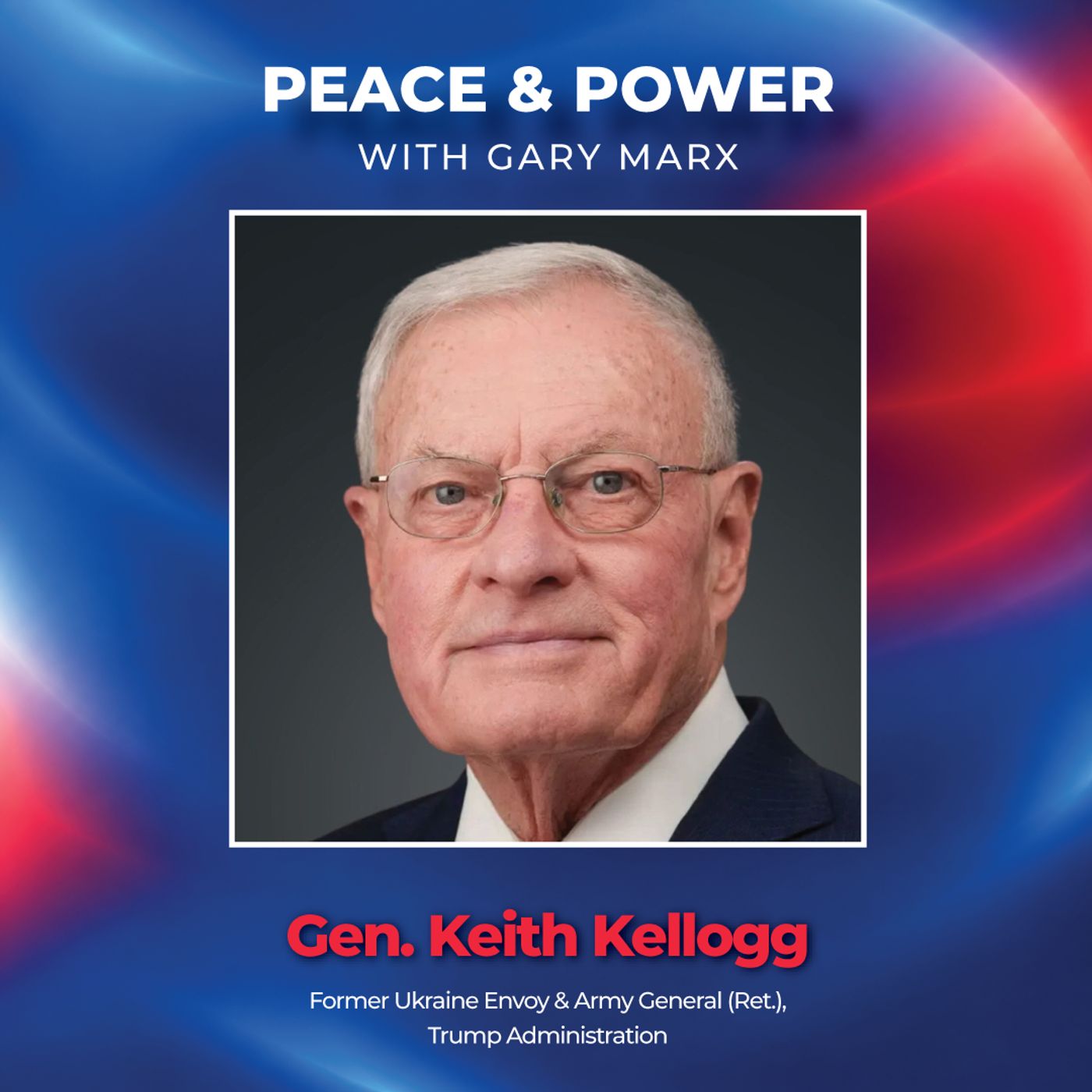
Could an end to Russia's war against Ukraine finally be within reach? As new peace negotiations take shape, retired U.S. Army Lieutenant General Keith Kellogg believes there are reasons for cautious optimism, even as major disagreements over territory and Ukraine's future security remain unresolved.On this special Veterans Day episode of Peace & Power, host Gary Marx welcomes Lt. Gen. Keith Kellogg (U.S. Army, Ret.), former Special Presidential Envoy for Ukraine under President Donald Trump and a longtime national security adviser. A veteran of 36 years of Army service, including two tours in Vietnam and command of the 82nd Airborne Division, Kellogg brings decades of military and national security experience to a wide-ranging conversation about war, diplomacy, and American leadership.The discussion begins with Kellogg reflecting on his military career, his experiences with Ukrainian soldiers, and the resilience of the Ukrainian people. He explains why Poland and Ukraine are becoming increasingly important to Europe's security architecture and why European nations are investing more heavily in defense as the threat from Russia continues.Turning to the latest U.S. elections, Kellogg considers their implications for American foreign policy, congressional support for Ukraine, and national defense spending. He emphasizes the importance of sustaining military readiness, modernizing America's nuclear deterrent, and strengthening the defense industrial base.The conversation then examines renewed efforts to negotiate an end to the Russia-Ukraine war. Kellogg discusses the composition of the negotiating delegations, the growing involvement of European allies, and why he believes the diplomatic environment may be more promising than it was several months earlier. He identifies territorial disputes and credible security guarantees for Ukraine as two of the most difficult issues facing negotiators.Gary and Kellogg also discuss President Trump's relationship with Ukrainian President Volodymyr Zelenskyy and Russian President Vladimir Putin, the possibility of a ceasefire, and the military and economic pressures confronting both sides. Kellogg argues that neither party is likely to secure everything it wants, making serious diplomacy essential to ending the fighting.The discussion broadens to American weapons production and the challenge of maintaining sufficient supplies of advanced defense systems while supporting allies abroad. Kellogg explains why rebuilding military production capacity takes time and why the United States must balance its own readiness requirements with the needs of its partners.In the Middle East, Kellogg examines Iran's nuclear ambitions, regional security challenges, the responsibilities of Gulf nations, and the implications of recent military operations and political developments.Finally, in recognition of Veterans Day, Kellogg reflects on the meaning of military service and the often-overlooked sacrifices made by military spouses and families.From Ukraine's future to America's global responsibilities, this episode explores the difficult choices involved in achieving lasting peace while maintaining the military strength needed to protect it.00:00 - Opening: Kellogg on Ending the War in Ukraine00:20 - Veterans Day Special: Introducing Gen. Keith Kellogg02:01 - Kellogg's Daughter and the Weatherman Foundation03:13 - Kellogg Reflects on His Military Career04:53 - Ukrainian Soldiers and the Resilience of Ukraine06:05 - Poland, NATO and Europe's Military Readiness09:09 - U.S. Elections and the Future of Support for Ukraine10:05 - Defense Spending and America's Military Modernization12:22 - How U.S. Elections Could Influence Putin's Decisions13:01 - Why Kellogg Is Optimistic About Ukraine Peace Talks15:54 - Humanitarian Ceasefires and Melania Trump's Role17:49 - The Biggest Obstacles to Peace19:49 - Trump's 60 Minutes Interview and the Ukraine War20:39 - Putin, Zelenskyy and Disputed Ukrainian Territory23:16 - Are U.S. Weapons Deliveries to Ukraine Being Delayed?24:29 - Rebuilding America's Defense Industrial Base26:38 - Middle East Security After Recent Elections27:04 - Iran, Nuclear Weapons and Gulf Security29:06 - Kellogg's Assessment of U.S. Strategy Toward Iran30:36 - Honoring Veterans and Military Families31:59 - Closing Remarks
Watch Full-Length Interviews: https://www.youtube.com/@PeacePower_FNWFollow us on social media:X: @PeaceAndPower_Instagram: peaceandpower_podLinkedIn: Peace & Power PodcastTikTok: peace.power.podcast Find more at Washington SignalYour source for policy, national security, and investigative journalism.https://washingtonsignal.com/
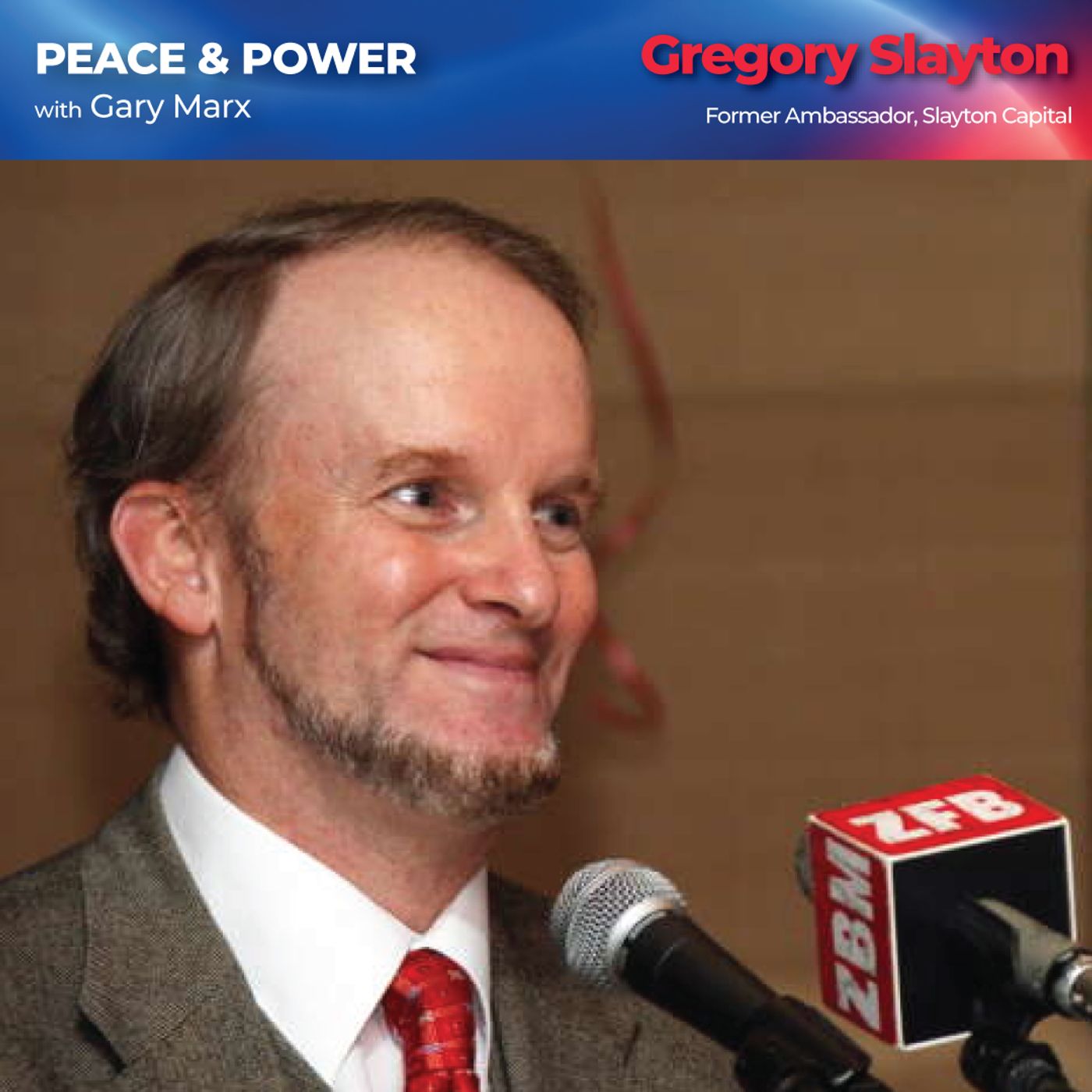
What do the 2026 U.S. midterm elections mean for Ukraine, NATO, and America's relationships with its allies?Former U.S. Ambassador Gregory Slayton, head of Slayton Capital and author of Portraits of Ukraine: A Nation at War, returns to Peace & Power with Gary Marx to discuss the election results, the future of American foreign policy, and the challenges facing Ukraine as Russia's war continues.Slayton offers his assessment of the Republican Party's electoral setbacks and what they could mean for President Donald Trump's remaining time in office. He examines the political divisions within the Republican Party, the influence of Vice President JD Vance, and the potential consequences for American leadership abroad.The conversation turns to Ukraine and how the changing composition of Congress could influence U.S. support for Kyiv. Slayton discusses the positions of newly elected lawmakers, the future of military assistance, and whether the election results could change Vladimir Putin's calculations ahead of anticipated peace negotiations.Drawing on his recent visit to Ukraine with former Vice President Mike Pence, Slayton recounts meeting Ukrainians from across society who have lost loved ones, homes, and communities during the war. Despite those losses, he describes a population determined to resist Russian aggression and unwilling to accept a settlement that sacrifices Ukraine's sovereignty.Gary and Gregory also examine Russia's mounting battlefield losses, economic pressures, and the difficulties Ukraine faces as another winter approaches. With air-defense interceptors in short supply and Russian attacks continuing, they discuss the prospects for a negotiated ceasefire and the challenges of ensuring that any peace agreement can be enforced.The discussion expands to NATO and European security, including whether European governments will increase defense spending and how domestic political and economic pressures could affect their ability to support Ukraine.Slayton also draws on his background in economics and business to examine the Trump administration's tariff policies, arguing that unpredictable trade measures have created uncertainty for American businesses and contributed to economic dissatisfaction.Looking ahead to the congressional lame-duck session, the conversation covers defense spending, the National Defense Authorization Act, and the role of outgoing lawmakers in shaping U.S. policy before the new Congress takes office.The episode also explores the implications of the election for U.S.–Israel relations, including changing congressional attitudes toward American support for Israel and the broader political challenges facing the U.S.–Israel partnership.Finally, as Thanksgiving approaches, Slayton reflects on gratitude, American democracy, and his hopes for the future of the Republican Party.Join Gary Marx and Ambassador Gregory Slayton on Peace & Power for a wide-ranging discussion about the 2026 elections, Russia's war against Ukraine, and America's role in an increasingly uncertain world.00:00 - Opening: Why Ukrainians Refuse to Surrender00:32 - Introducing Ambassador Gregory Slayton01:42 - The 2026 Midterms and Republican Election Losses03:42 - What the Election Results Mean for Ukraine07:10 - Congressional Changes and Support for Ukraine09:42 - Putin's Calculations and Possible Peace Negotiations11:47 - Ukraine's Battlefield Challenges and Russia's Economy15:19 - NATO, European Defense Spending and U.S. Leadership17:32 - Trump's Tariffs and the American Economy20:55 - The Lame-Duck Congress and Republican Party Divisions23:20 - Can Negotiations Produce a Lasting Peace in Ukraine?26:11 - U.S.-Israel Relations After the Midterm Elections30:15 - Thanksgiving, Gratitude and America's Political Future
Watch Full-Length Interviews: https://www.youtube.com/@PeacePower_FNWFollow us on social media:X: @PeaceAndPower_Instagram: peaceandpower_podLinkedIn: Peace & Power PodcastTikTok: peace.power.podcast Find more at Washington SignalYour source for policy, national security, and investigative journalism.https://washingtonsignal.com/
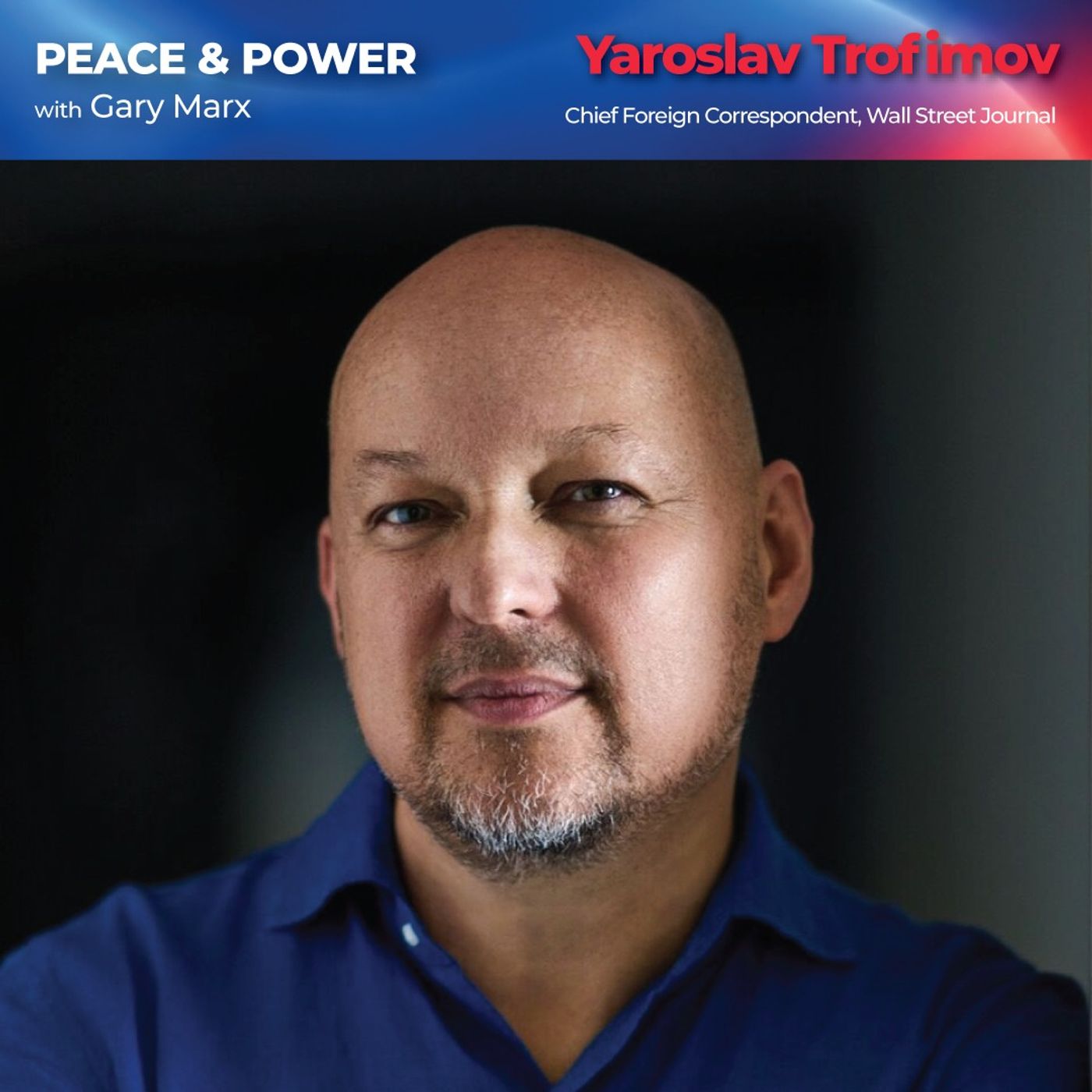
As Russia's war against Ukraine continues, questions are mounting about Europe's security, America's relationship with Moscow, and Ukraine's ability to withstand another winter of Russian attacks.Yaroslav Trofimov, Chief Foreign-Affairs Correspondent at The Wall Street Journal and author of Our Enemies Will Vanish: The Russian Invasion and Ukraine's War of Independence, joins Gary Marx on Peace & Power to discuss the latest developments in the war, the changing relationship between the United States and Europe, and the challenges of reporting from the world's most dangerous conflict zones.A Pulitzer Prize finalist for his reporting on Ukraine, Trofimov reflects on his experiences covering the first year and a half of Russia's full-scale invasion. He shares firsthand accounts of Ukraine's defense of Kyiv, the liberation of occupied territories, and how the growing use of drones has transformed the battlefield and made frontline journalism increasingly dangerous.The conversation then turns to Europe's nuclear security and France's efforts to expand its nuclear deterrence cooperation with European allies. Trofimov explains how uncertainty surrounding America's nuclear commitments has encouraged European governments to reconsider their security arrangements and strengthen their defenses against Russian threats.Gary and Yaroslav also examine growing criticism of President Donald Trump's approach to Vladimir Putin, including concerns about a reported U.S.–Russia diesel arrangement and the potential consequences for Ukraine. They discuss congressional opposition, the upcoming midterm elections, and whether Washington's evolving relationship with Moscow could weaken American leverage in future peace negotiations.Trofimov addresses reported restrictions affecting Starshield satellite services used by Ukrainian forces, explaining how limitations on connectivity could disrupt drone operations and complicate Ukraine's military efforts.The discussion also explores the Warsaw Security Forum, Europe's increasingly important role in supporting Ukraine, and the prospects for renewed negotiations involving Washington, Moscow, and Kyiv.As Ukraine prepares for another winter of attacks against its energy infrastructure, Trofimov examines shortages of air-defense interceptors and the difficult choices facing Ukrainian military planners.Finally, he reflects on his childhood, his path into international journalism, and how his reporting across Ukraine and the Middle East has shaped his understanding of the increasingly interconnected conflicts involving Russia, China, Iran, and North Korea.From the front lines of Ukraine to the future of European security, this episode of Peace & Power offers a firsthand perspective on the geopolitical challenges shaping the war and the international order.01:23 - Opening: Europe's Nuclear Deterrent01:46 - Introducing Yaroslav Trofimov02:56 - Our Enemies Will Vanish and Reporting from Ukraine05:01 - Witnessing Ukraine's Resistance and Liberation07:45 - France's Nuclear Deterrent and Europe's Security12:34 - Trump, Putin and Congressional Opposition15:32 - Starshield Restrictions and Ukrainian Drone Operations17:26 - Warsaw Security Forum and the U.S.-Europe Alliance20:22 - Europe's Role in Ukraine and the Prospects for Peace24:42 - Ukraine's Winter Air Defense Crisis27:07 - Life as a Foreign Correspondent in War Zones
Watch Full-Length Interviews: https://www.youtube.com/@PeacePower_FNWFollow us on social media:X: @PeaceAndPower_Instagram: peaceandpower_podLinkedIn: Peace & Power PodcastTikTok: peace.power.podcast Find more at Washington SignalYour source for policy, national security, and investigative journalism.https://washingtonsignal.com/
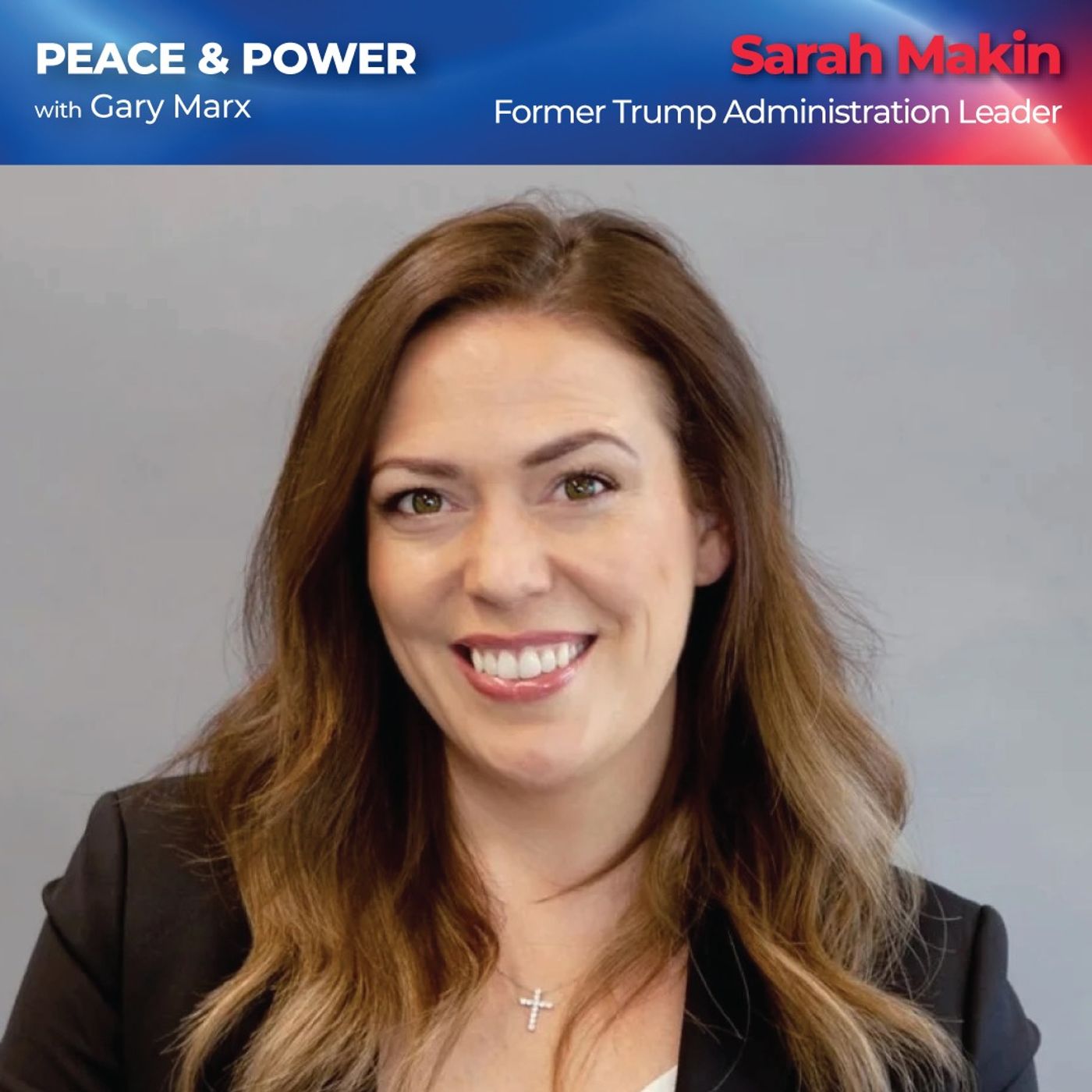
Russia has abducted thousands of Ukrainian children, separating them from their families and attempting to erase their Ukrainian identities. What is being done to bring these children home, and why isn't the world paying more attention?Sarah Makin, Visiting Fellow at Independent Women's Voice and former senior official in the Trump administration's National Security Council, joins Gary Marx on Peace & Power to discuss Russia's abduction of Ukrainian children, the fight to reunite families, and the latest developments in U.S. policy toward Russia and Ukraine.Makin discusses her recent Newsmax op-ed, "A Year Later, 31 Children Are Not Enough, Mr. Putin," examining the efforts to secure the return of Ukrainian children and the role First Lady Melania Trump has played through quiet diplomacy. While acknowledging the importance of every child returned, she argues that far more must be done to reunite families and confront Russia's efforts to indoctrinate and assimilate abducted children.The conversation highlights the work of Save Ukraine, an organization helping rescue children and provide the support they need after returning home. Makin also discusses her documentary project, A Faith Under Siege, including the short documentary Stolen Children, which follows efforts to bring Ukrainian children home.Gary and Sarah then turn to recent developments involving President Donald Trump and Vladimir Putin, including a reported diesel arrangement that they fear could generate additional revenue for Russia's war effort. They examine the potential consequences for Ukraine, questions surrounding sanctions enforcement, and the competing diplomatic considerations influencing U.S. policy.Drawing on her experience in the White House, Makin discusses the challenges of presidential decision-making, the influence of competing advisers, and the importance of maintaining pressure on governments responsible for human rights abuses.Finally, the conversation explores international religious freedom, President Volodymyr Zelensky's meeting with the Pope, and the role religious leaders can play in defending persecuted communities in Ukraine and around the world.From the plight of abducted children to the difficult choices facing American policymakers, this episode examines the human consequences of Russia's war and the continuing struggle for peace, justice, and religious freedom.00:00 - Introduction and Sarah Makin01:49 - Russia's Abduction of Ukrainian Children05:32 - Melania Trump's Efforts to Bring Children Home09:27 - Save Ukraine and the Stolen Children Documentary15:54 - Russia's Indoctrination of Ukrainian Children17:55 - Trump's Russia Diesel Deal and Ukraine Sanctions22:00 - White House Decision-Making and Diplomacy26:21 - Religious Freedom and Zelensky's Meeting with the Pope30:05 - Closing Thoughts
Watch Full-Length Interviews: https://www.youtube.com/@PeacePower_FNWFollow us on social media:X: @PeaceAndPower_Instagram: peaceandpower_podLinkedIn: Peace & Power PodcastTikTok: peace.power.podcast Find more at Washington SignalYour source for policy, national security, and investigative journalism.https://washingtonsignal.com/
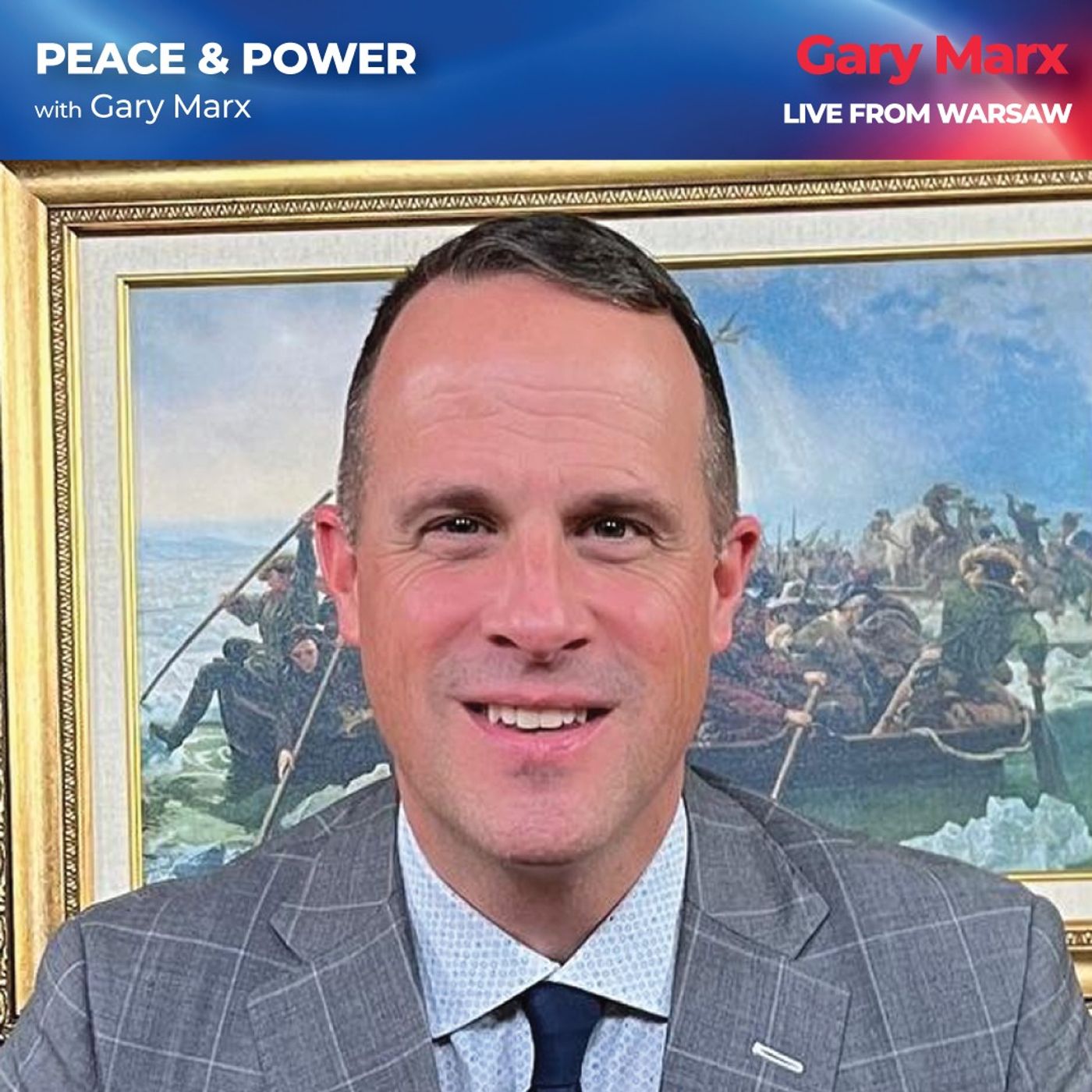
In this special on-location edition of Peace and Power, host Gary Marx reports directly from Warsaw, Poland, bringing listeners firsthand coverage of the Warsaw Security Forum, one of Europe's prominent international security conferences.Organized by the Casimir Pulaski Foundation, the Warsaw Security Forum brings together political leaders, military officials, policymakers, and security experts from across the transatlantic community to discuss NATO, European defense, Russia's war against Ukraine, and emerging threats to global security. Founded in 2014, the forum has grown into a major gathering for international security discussions, with approximately 3,000 participants representing 90 countries at this year's event.Rather than a traditional studio interview, this special episode features a collection of short reports recorded by Gary throughout the conference.Gary speaks with Josh Bergin of the forum's New Security Leaders program about the conference's growth, its mission, and the importance of building lasting relationships among the next generation of transatlantic leaders.He also shares observations from sessions featuring prominent American and European officials, including former CIA Director General David Petraeus, General Keith Kellogg, U.S. Ambassador to NATO Matthew Whitaker, former Defense Secretary Lloyd Austin, former British Defense Secretary Ben Wallace, and Senator Roger Wicker.Throughout the episode, Gary highlights discussions surrounding NATO's collective defense strategy, Russia's aggression against Ukraine, nuclear deterrence, emerging military technologies, intelligence sharing, and the growing security challenges posed by cooperation among Russia, China, Iran, and North Korea.The special coverage also includes recognition of a Ukrainian frontline medic's courage and General Kellogg's contributions to American national security.Join Gary Marx for this special Peace and Power report from Warsaw, featuring firsthand observations, international perspectives, and important conversations about the future of European and global security.00:00 — Special Report from Warsaw Security Forum 00:09 — Gary Marx Interviews Josh Burgin 01:14 — The Forum's Growth & International Reach 02:00 — The Origins of Warsaw Security Forum 03:09 — Building the Next Generation of Security Leaders 04:40 — Bipartisan Leadership & How to Get Involved 06:14 — Gary's Report from Day One 07:02 — Nuclear Deterrence, AI & Russian Threats 07:52 — Senator Wicker & NATO's Defense Strategy 09:42 — Day Two: Honoring Ukrainian Courage & Gen. Kellogg 10:48 — Senator Wicker on Ukraine, Defense Spending & Global Threats 12:18 — Closing & Social Media
Watch Full-Length Interviews: https://www.youtube.com/@PeacePower_FNWFollow us on social media:X: @PeaceAndPower_Instagram: peaceandpower_podLinkedIn: Peace & Power PodcastTikTok: peace.power.podcast Find more at Washington SignalYour source for policy, national security, and investigative journalism.https://washingtonsignal.com/

Comments

Download from Google Play

Download from App Store
 United States