


 Claim Ownership
Inside the Milky Way - A Look at Early Alternative Music
Subscribed: 19Played: 574
Subscribe
© 2026 ITMW Music
Description
A podcast that takes a look at the development of alternative music in the 80's with a focus on post-punk, electronic, dark wave, goth, synth, industrial, and indie genres. The podcast episodes feature stories, background, and discussions of artists, contributors, music, themes, and events of the early alternative era.
The title of our podcast is based on the alternative song from 1988 by The Church, "Under the Milky Way".
The title of our podcast is based on the alternative song from 1988 by The Church, "Under the Milky Way".
111 Episodes
Reverse
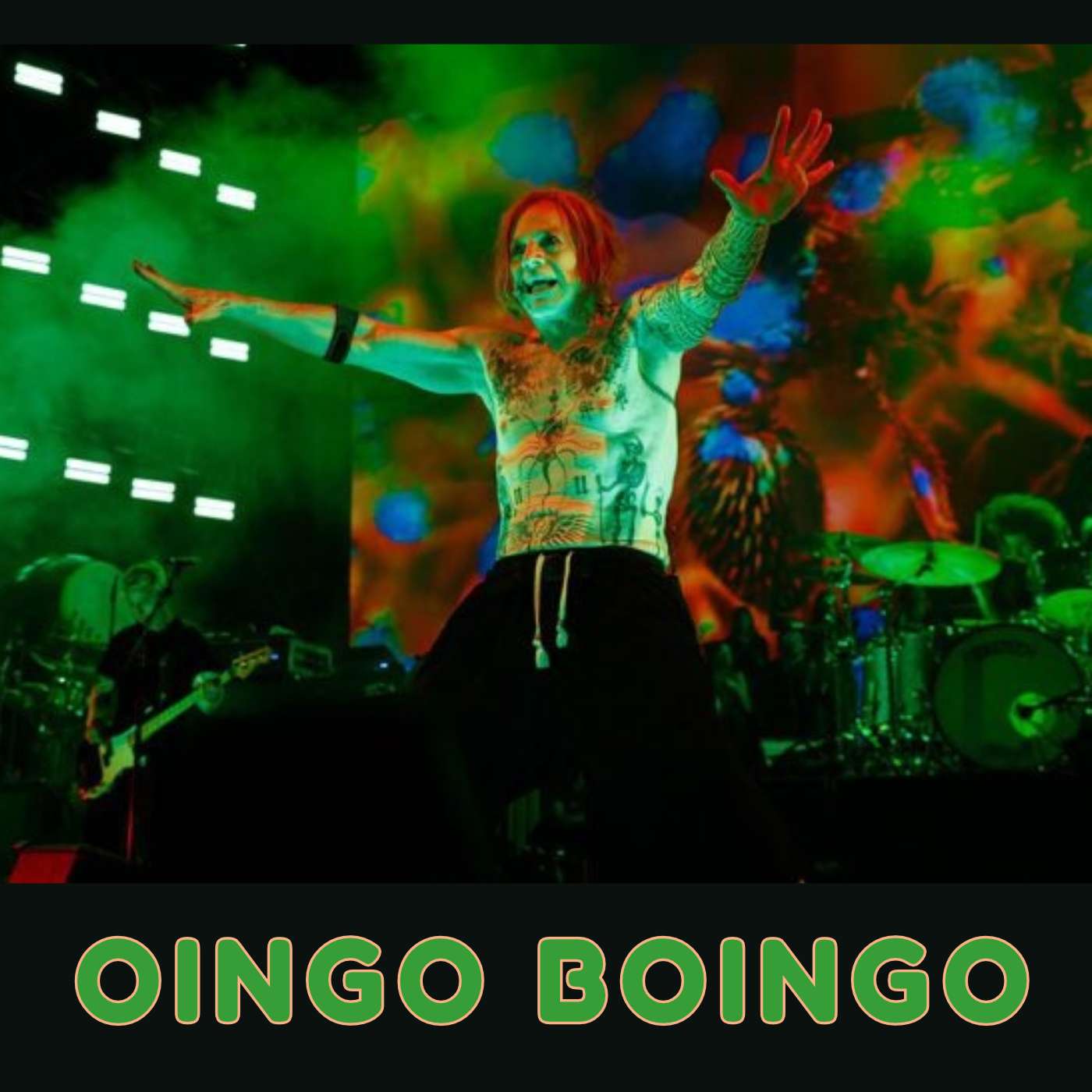
Before Danny Elfman became the legendary and award winning film and television composer of scores and songs for movies and shows, including a wide range of classics and cult favorites from The Nightmare Before Christmas to the theme for television show The Simpsons, Elfman was the leader and front man for the band Oingo Boingo. Oingo Boingo formed in 1979 in Los Angeles by Danny Elfman as a ska and punk-influenced new wave octet, gaining a following in Southern California. During their years from 1979 to 1995, Oingo Boingo was known for their high-energy live concerts and their eclectic and experimental music which combined elements of various genres. Over the years Oingo Boingo issued eight studio albums that included the 1985 release, Dead Man’s Party containing well known songs such as "Weird Science" and the title track, "Dead Man's Party". Over the following years this album has become associated with Halloween as the band continued until late 1995, when they performed their farewell concert on the night of Halloween.This episode will tell the story of Oingo Boingo and the beginning of Danny Elfman’s career from the band’s early days through the final performance of 1995.
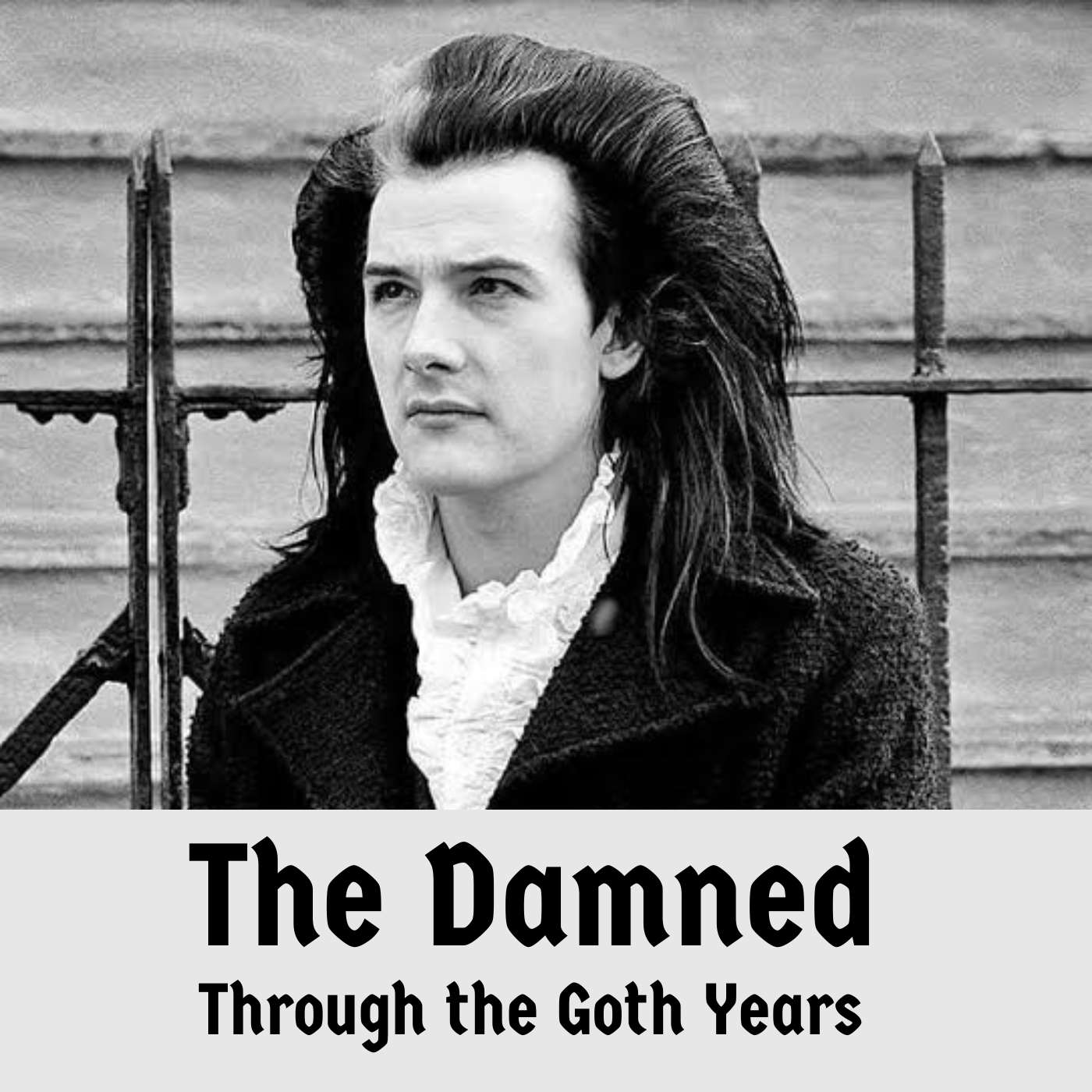
The Damned formed in London in 1976 and would release the first UK punk rock single and the first UK punk rock album on their way to becoming a pioneering band in the development of punk rock.By 1980, The Damned would begin to change direction becoming a key influence in gothic rock of the early 80's. The band would feature the distinct, baritone vocal delivery and theatrical, vampire-inspired aesthetic of frontman Dave Vanian, along with gothic themes, as well as darker, melodic, and atmospheric music soundscapes.This episode will tell the story of The Damned through the goth years from 1980 to the peak of that period for the band with the release of the album Phantasmagoria in 1985. The episode will also go over the early years of The Damned in the late 70's when the band was part of the early UK punk era.
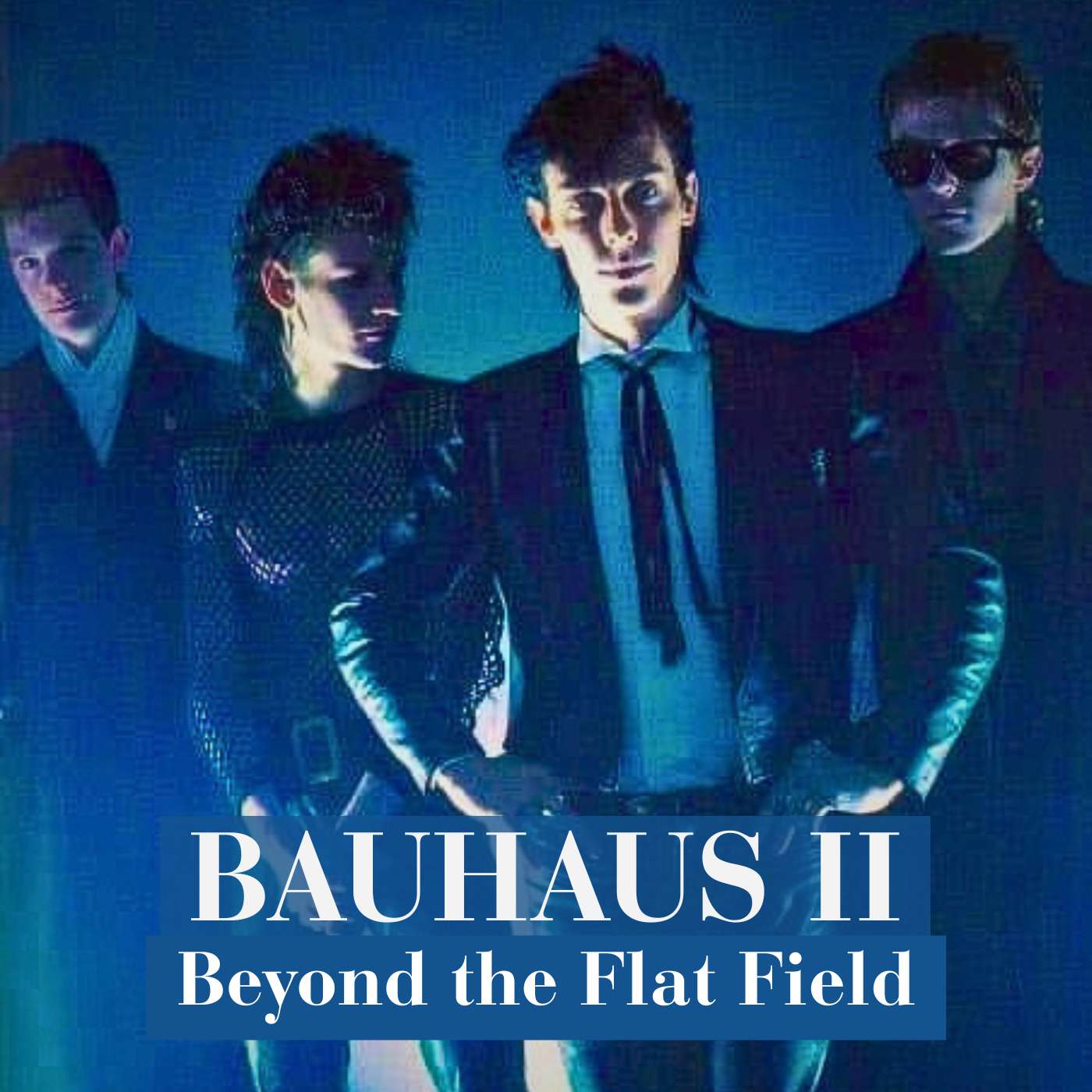
After the trend setting debut album In the Flat Field, Bauhaus would go beyond that classic gothic rock album to develop a more ambitious musical direction with additional elements, instrumentation, and experimentation. Bauhaus would showcase the development in the music and production over the next three albums starting with their second album Mask of 1981, followed by The Sky’s Gone Out in 1982, and concluding with 1983’s Burning from the Inside. These works would cement the legacy of Bauhaus as one of the first and most iconic gothic rock bands, all before the band broke up in 1983.This podcast episode will tell the story of Bauhaus from beyond In the Flat Field starting with the second album. We will discuss some of the music and the techniques used by the band during this time and through the fourth album, and also discuss what happened next for Bauhaus after 1983.This episode continues the story of our earlier first Bauhaus podcast from 2025 for the band's first two year, debut album, and iconic debut single.
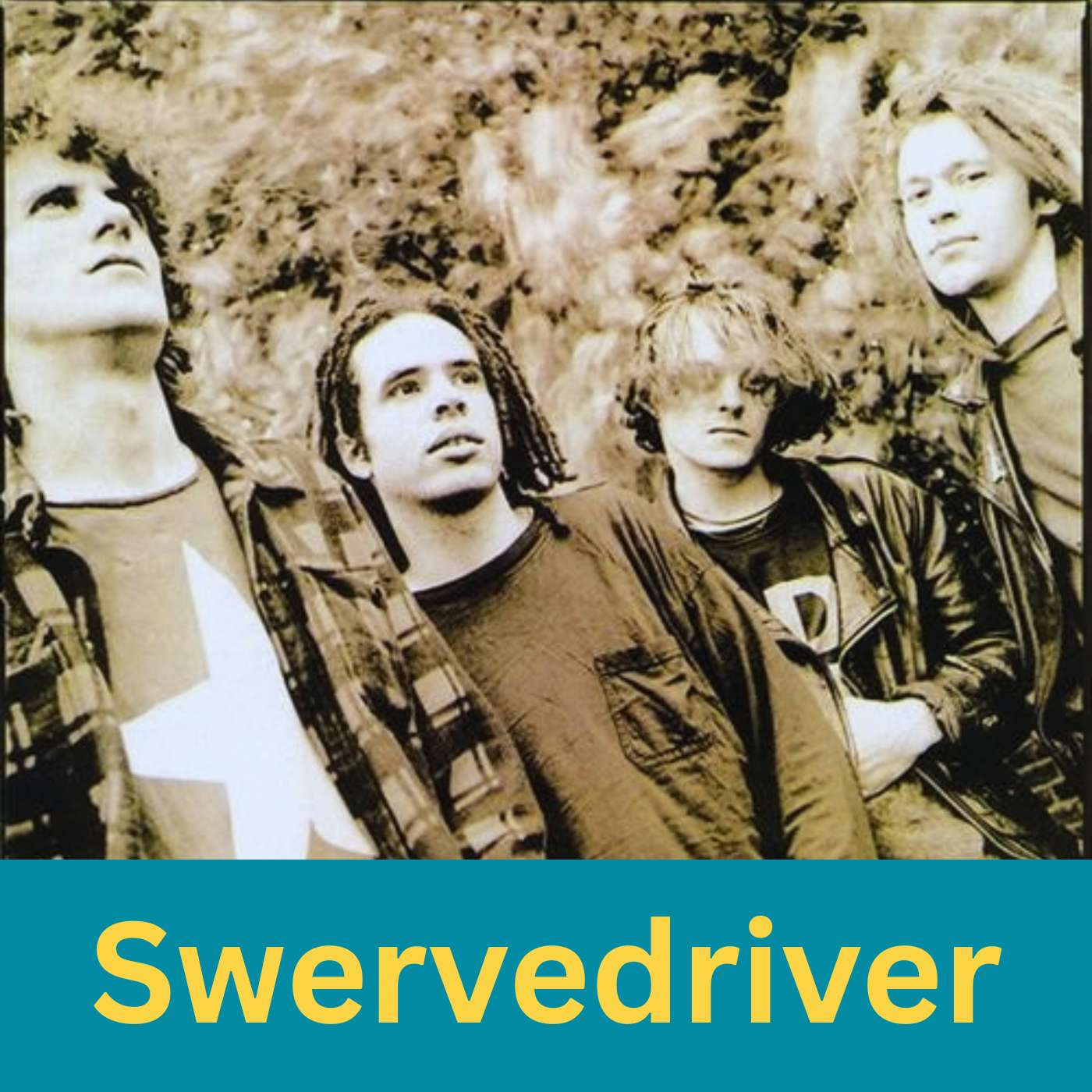
The English band Swervedriver formed in 1989 emerging from the shoegaze scene in Oxford. This alternative band blended the hazy guitar textures of shoegaze with a high-octane alternative rock and grunge sound setting them apart from their shoegazing peers.While not fitting one specific genre, Swervedriver's first two albums, the 1991 debut Raise and and 1993's Mezcal Head, were considered important to shoegaze due to the inclusion of the heavier guitar driven material. The band, which often sung about cars and the open road, would continue to evolve their sound over the following years to include elements of psychedelia, classic pop, and indie rock. Swervedriver formed from the remnants of a mid-80’s band Shake Appeal, and during their first run as a band between 1989 and 1998, they released four studio albums and numerous EPs. By the end of 1998 the band had broken up and would reunite a decade later. Since 2008, Swervedriver has toured periodically and released two studio LP’s.This episode will tell the story of the Oxford band from the pre-band years through the 90’s.
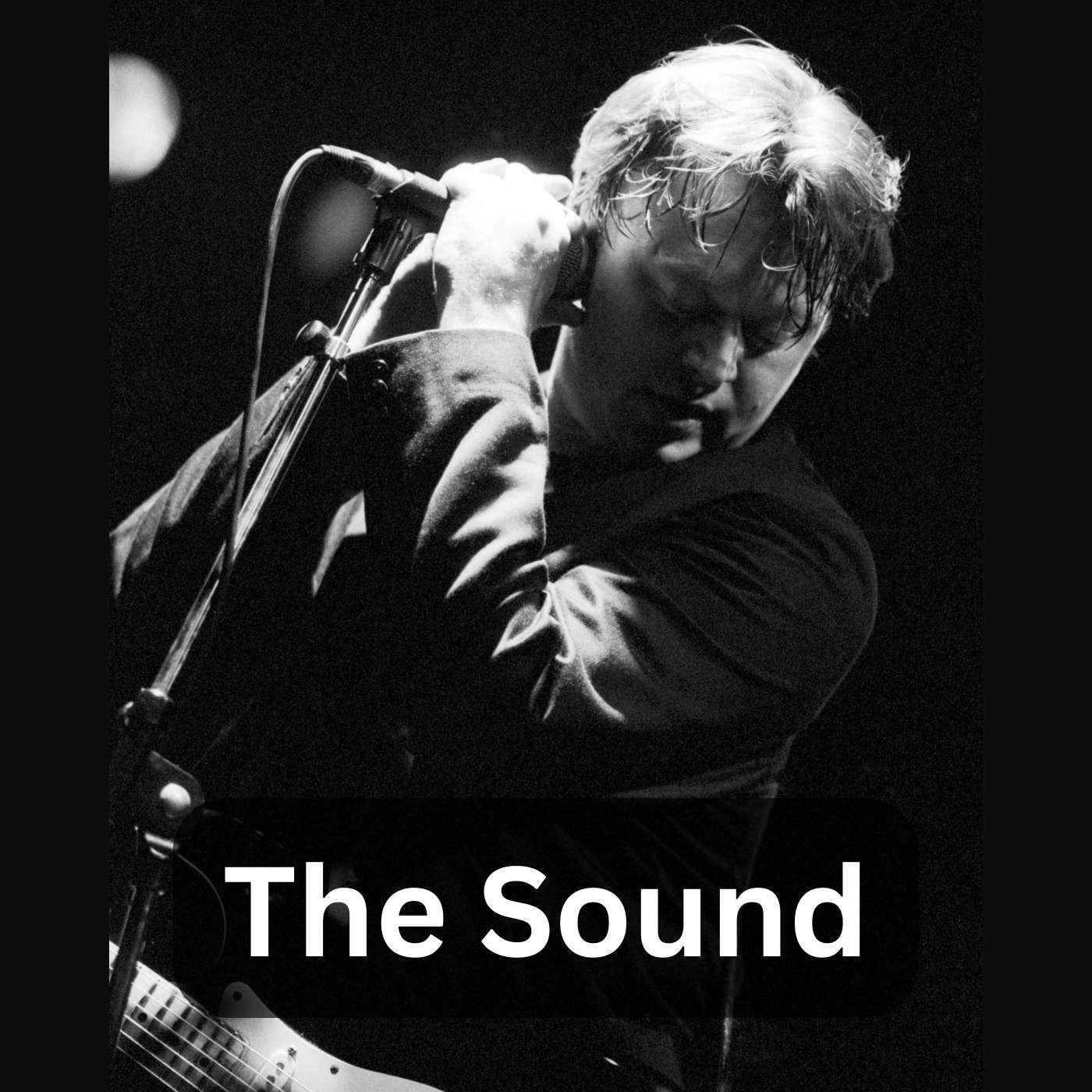
Of all the post-punk artists from the early alternative music era, perhaps none more than The Sound did not get the attention they deserved during their active years. This ground-breaking post-punk band did receive praise from the critics for their brilliant work, but they never achieved the commercial success to go with it.The Sound formed in South London in 1979 and released their debut studio album, Jeopardy in 1980. The Sound would follow in 1981 with another post-punk classic, From the Lion’s Mouth. They would release three more albums and some EP’s before disbanding in 1988.The musical genius Adrian Borland was a singer, songwriter, guitarist and record producer for a musical career spanning numerous groups, as well as a solo career, but most notably he was the frontman and the force of The Sound. Borland took his own life at the age of 41 in 1999 after years of depression, mental health and personal issues. While many of the peers of The Sound were commercially successful, The Sound have long received acclaim as one of the best bands from the era and well known for their deep lyrics and melodies. Their music has lived on in their fans and new generations discovering their great music.This episode will look at the years of The Sound, and the work of the legendary Adrian Borland.

Comments

Download from Google Play

Download from App Store
 United States