


 Claim Ownership
The Mindful Menopause Reset
Subscribed: 1Played: 2
Subscribe

© Cheryl Gordon
Description
Feel more at peace in your body again with simple tools from yoga and mindfulness. Lose the weight, get better sleep, dust off those old dreams... it's a whole new era for us!
cherylgordonyt.substack.com
cherylgordonyt.substack.com
71 Episodes
Reverse
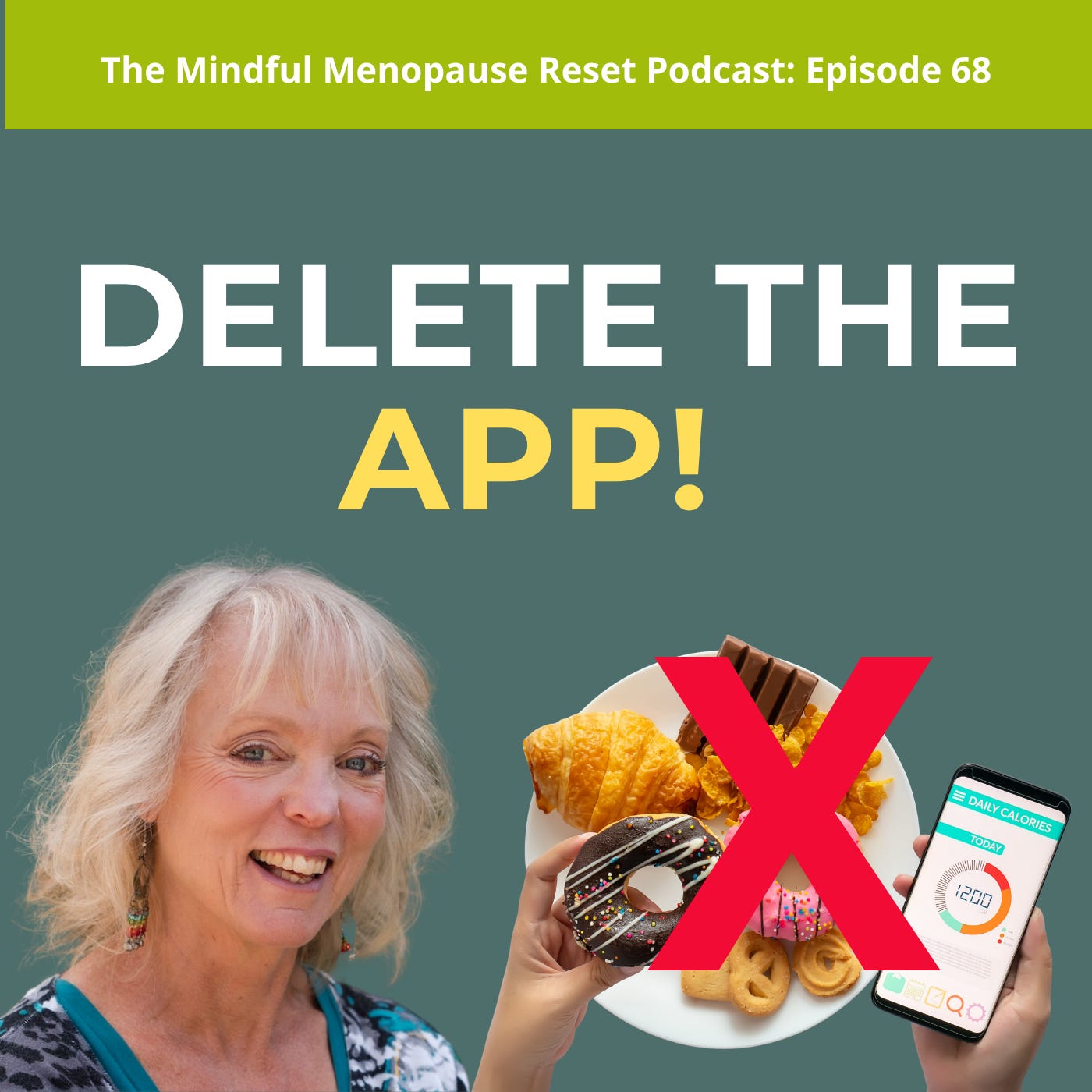
Ugh! How many calories is in an apple? A homemade cookie? Are you sick of trying to use that app to track everything? Years of diet trauma have created the perfect storm for rebelling against restricting our food in any way. But wait! Mindful menu planning can be your super power. Allow me to demonstrate a simple five minute morning routine that can revolutionize how you handle food decisions for the rest of the day. It’s a key part of how I lost 25 menopausal pounds without counting a single carb. Sharing this post helps women like us find more yoga and mindfulness tools for holistic health.My Planning StoryLet me paint the picture. Here’s the first time I really felt the power of planning ahead. We were in Florida a few years ago and friends of ours were staying about 45 minutes away. She invited us for happy hour. Now here’s how things would normally go. I’d exercise iron willpower around the happy hour snacks. Getting hungrier and hungrier as dinner time approached. But in front of others, I managed to keep it together.But as soon as I was out of sight, my “hangry” got ugly. I would grab food and grab it fast.Can’t tell you the number of times my husband and I would be on a road trip and I’d say “I’m feeling a little peckish”. And he’d keep driving. So I’d say, “I’m getting hungry now”. And he’d keep driving. It didn’t take long for this to evolve into a full scale “you don’t love me” argument, ending up with me stress eating double the human quantity of take out.This occasion was different though. I had started what eventually molded into the SHE Mindfulness program a couple months before. I was planning my food each day.So on this occasion, I had anticipated that I would be driving the 45 minutes back home on an empty belly. I knew the temptation to start a fight and then snatch anything to soothe my hunger. I could do something different if I thought ahead.All it took was a few minutes of consideration earlier in the day and some simple prep. So when we pulled into our trailer, hungry and tired, dinner was just a step or two to hot and ready.How Can a Few Minutes in the Morning Fix OverEating?This doesn’t sound like much. Why didn’t days always work out this way?Because most days, before the SHE Mindfulness program, I didn’t take the time to prioritize my own needs. I figured out meals, snacks, rest breaks, hydration… all of it… on the fly. I had so many things on my mind. Such a big to do list. I left my own self care til I was too frazzled to make elegant decisions.That all changed with the SHE Mindfulness program.Now there are many facets to this change…. This prioritizing of self care… but today I want to focus on a key tool of the program… the Daily Planner Sheet.(Please watch the video to get a full tutorial on how to use the sheet)This is not a food tracker in the traditional sense. No calories counting. No macros. No foods are off limits. You can eat whatever, whenever, how much ever you want.The KEY DIFFERENCE is that you are making these decisions early in the day when your brain is fresh. And you are looking at the big picture simultaneously. You are mindful of your goals and dreams AND the fact that you have a late meeting or there’s no good options for lunch at that building.And that’s what you do in the morning. And it I know it sounds like a lot. It took me a long time to talk about all that. But, really, once you get practice at this, it can be done in under five minutes.Frequently Asked Questions* Plan enough food. One thing that’s come up a lot for my clients is they don’t put enough food on the plan. They’re so used to diet programs, where you can only have 1200 calories a day, or you’re not allowed to have any… any of this kind of food or something. Throw all of that out. You don’t have to eat it if you’re not hungry, but make sure you put lots of food on your plan, because you’re literally wrestling with that diet mentality, that diet trauma.And for me, if I didn’t see that there was plenty of options and plenty of food on my plan, I would get a sense of panic, because what if there’s not enough? I’ve never gone hungry a day in my life, but there was, for some reason, this scarcity mindset. I had to really work with that. So make sure you plan enough food. * Eating Off Plan: Sometimes you plan something in the morning, and then you realize you don’t have enough, because company’s dropping over, or you get to the meal, and you just can’t look at that leftover again. It’s okay. The planning part is the important part.If you don’t follow the plan perfectly, we have a protocol for that in mindful eating. It all is part of the process. Not a slip up or failure.* Ditch the Deprivation: You never want to encourage a feeling of denial or deprivation. There’s no bonus points for being like super iron willpower. This is only going to trigger rebel eating. One thing you can do though, if you are tempted to go off plan and there’s no real good reason to go off plan, think of this as an invitation to spend a little time visiting with yourself. What are you feeling? Bored? Depressed? Exhausted? Frazzled? Thirsty? And if a little self care doesn’t solve the issue, you can reassure yourself that you will plan for this food tomorrow or next week. Make the commitment to your plan reflective of your commitment to your own wellness. It doesn’t get compromised on a whim. You are a big boss!You can always have the foods you love. But in the way your most rested and intelligent self has organized them.That reassurance that you can always have what you really want might be enough to bring your brain into a calmer state of mind. Alleviate diet trauma.* Dealing with the Dread of Planning: Once you get practiced at this, you will have done it really quickly in the morning when your brain is fresh and you’ve made so many decisions already about your day.This approach reduces decision fatigue. We make like 60,000 decisions every day. Do we turn left? Do we turn right? Do do we order this or not? Do we say hello to that person or not? Do we agree to go out for dinner or not? Do we wear red or we we wear blue? There are so many decisions through the day that our brain literally gets fatigued. It makes perfect sense that we will offload so many of our outright decisions, into automatic pilot because we’re just simply tired. If you’ve made a lot of your food decisions earlier in the day, it’s one less task with which to struggle.* Relieve General Stress: The stress of being hangry leaves us so vulnerable to binging and stress eating. And I really want us to be able to prioritize our own health care, our own well-being, which means don’t let yourself get so tired and stressed. Go get out ahead of it. And that’s what the planning is all about.Get a Free Mindful Eating GuideThis isn’t about just losing pounds for a wedding or a vacation. It’s about prioritizing your needs for once, putting yourself first.Your outward appearance begins to align with the love you lavish on yourself, and it happens almost effortlessly.There’s no dieting, no deprivation, no denial, and no drama. If you found this article interesting, please subscribe to receive my weekly podcast posts. This is a public episode. If you would like to discuss this with other subscribers or get access to bonus episodes, visit cherylgordonyt.substack.com

Lost your job. Watched your kids move out. Ended a relationship. Hit perimenopause. None of these come with a funeral — but your nervous system doesn’t know the difference.Please join the conversation with Dr. Aoife Earls, a naturopathic doctor in St. Catharines, Ontario who specializes in helping women navigate the kind of grief nobody sends a casserole for. We’re talking about ambiguous grief, disenfranchised grief, and why so many midlife women feel like they’re “losing it” when really, their body is just trying to process an enormous amount of change at once.The Physical Toll of LossKeep reading to find out what is actually happening physiologically when loss piles up — the adrenaline spikes, the sleep disruption, the digestive chaos — and why rest isn’t a luxury during this time, it’s biology. We also get into why guilt shows up the moment joy tries to return, and a simple tool (the “sidecar”) for carrying that guilt instead of fighting it.Grief Isn’t Just for FuneralsMost of us have felt but never had language for this kind of grief. By midlife, most women are carrying a long list of losses that never got a formal goodbye — a pet, a job, the family home, even the shift in identity that comes when your kids move out and your role as “mom” changes shape. This ambiguous or disenfranchised grief is real loss. But people around you (and sometimes you yourself) don’t fully recognize as grief at all.Are you finding this article helpful? Please share it with someone who needs to hear this too.Why It Catches up with Us in MidlifeBetween roughly ages 45 and 70, women are often navigating several of these transitions at once — retirement or job loss, kids leaving home, divorce or separation, a health surprise, and the physical upheaval of perimenopause or menopause, all layered on top of each other. The nervous system doesn’t distinguish between a “big” loss and a “small” one; it just registers change, and it responds with the same physiological toolkit regardless: adrenaline spikes, disrupted sleep, digestive issues, a dampened immune response. The brain craves a predictable story, and when that story suddenly changes, it treats the disruption as a threat that needs managing.Rest is Mandatory - Real RestRest matters so much more than our culture tends to allow for. Grief recovery is like healing from a concussion: the brain needs real downtime to do the work of rebuilding its sense of self and story, and skipping that stage doesn’t make the work go away, it just gets postponed, often resurfacing later as burnout or a feeling of “why can’t I just push through this anymore?” This is so hard to actually practice — * the guilt of resting when you have responsibilities, * the cultural expectation that women bounce back quickly, and * on paper, you have a full and happy life.I was blindsided by “empty nest syndrome”. The sense of loss was embarrassing as I never considered myself wrapped up in my kids’ lives. I thought I had a career, social life, travel…. I cried every day for a year when the first one moved out. I just couldn’t adjust to not hearing his car in the driveway or key in the lock. I was gutted. But who would send a casserole for that???Welcoming Back Joy and CuriosityIt starts with “glimmers” — small, almost throwaway moments of noticing something good - like a nice sunrise or a pair of pants that feel good against your skin — as a way of gently signalling to your nervous system that not everything is unsafe. This is the biochemistry of connection and creativity. Oxytocin and vasopressin, released when we’re engaged in something relational or creative, work in direct opposition to adrenaline, which is part of why returning to something as simple as a dance class or singing in the car can genuinely support recovery.Remember the old fashioned shows that had the character riding in a motorcycle with a “sidecar”? That’s like our guilt and shame. Instead of trying to eliminate the guilty voice that shows up when joy starts to return (the fear that feeling better means forgetting someone, or that you don’t deserve to feel okay again), let that part of you ride along rather than demanding it disappear before you can move forward. David Kessler’s book that he co-authored with Elizabeth Kubler-Ross, “On Grief and Grieving”, offers the “three C’s” — you didn’t cause it, you can’t cure it, you can’t control it. This is a way of interrupting the self-blame loop so many women fall into after a job loss, a divorce, or a diagnosis.I love sharing these teachings with you and I’d love to do more. By Subscribing, you’re helping me broaden my reach.How a Naturopath Can HelpBeyond supplements or a diet plan, a doctor like Aoife can help at * rebuilding a predictable rhythm around sleep and nourishment, * supporting the nervous system directly through herbal medicine and targeted nutrients, * encouraging rhythmic movement (not exercise for its own sake, but movement that helps the body metabolize adrenaline), and * gently rebuilding a sense of safe connection, often starting with very small steps.Now is not the time to overhaul your diet in the middle of an acute loss, like losing a spouse or closing out an estate. That’s often not the moment for a big physical change. Sometimes the kinder, more effective move is to add one small supportive thing rather than restrict or overhaul anything at all.When to Ask for HelpAlmost every woman going through midlife has been “kicked in the knockers” by loss more than once, and asking for help with that, even when you’re the one who usually holds everything together for everyone else, is its own kind of self-compassion practice.It’s time to ask for help if you are having trouble getting daily tasks done or have been hiding at home for more than three months. This is not carved in stone but general guidelines.How I Can HelpUnderstanding that the brain requires rest when processing change gives you the permission to slow down and bring mindfulness into your healing.That’s where the SHE Mindfulness Program can help. This step by step, guided system blends what you already know from yoga and meditation into a gentle reset for midlife women. The program accounts for the overwhelm that midlife women are tackling. It’s not about deprivation or iron willpower but working with your nervous system compassionately and patiently. There’s a free webinar to try the method and see the effectiveness for yourself.Final TakeawayYou are not falling apart, and you didn’t cause this. You’re allowed to rest.About my guest: Dr. Aoife Earls is a naturopathic doctor practicing in St. Catharines, Ontario, specializing in supporting women through loss, transition, and the physical toll grief takes on the body.[Aoife’s website ]If you’re navigating a season of change and want more support with the nervous system side of midlife, check out my SHE Mindfulness Program: https://cherylgordonyt.com/she-mindfulness/ This is a public episode. If you would like to discuss this with other subscribers or get access to bonus episodes, visit cherylgordonyt.substack.com
This is a public episode. If you would like to discuss this with other subscribers or get access to bonus episodes, visit cherylgordonyt.substack.com
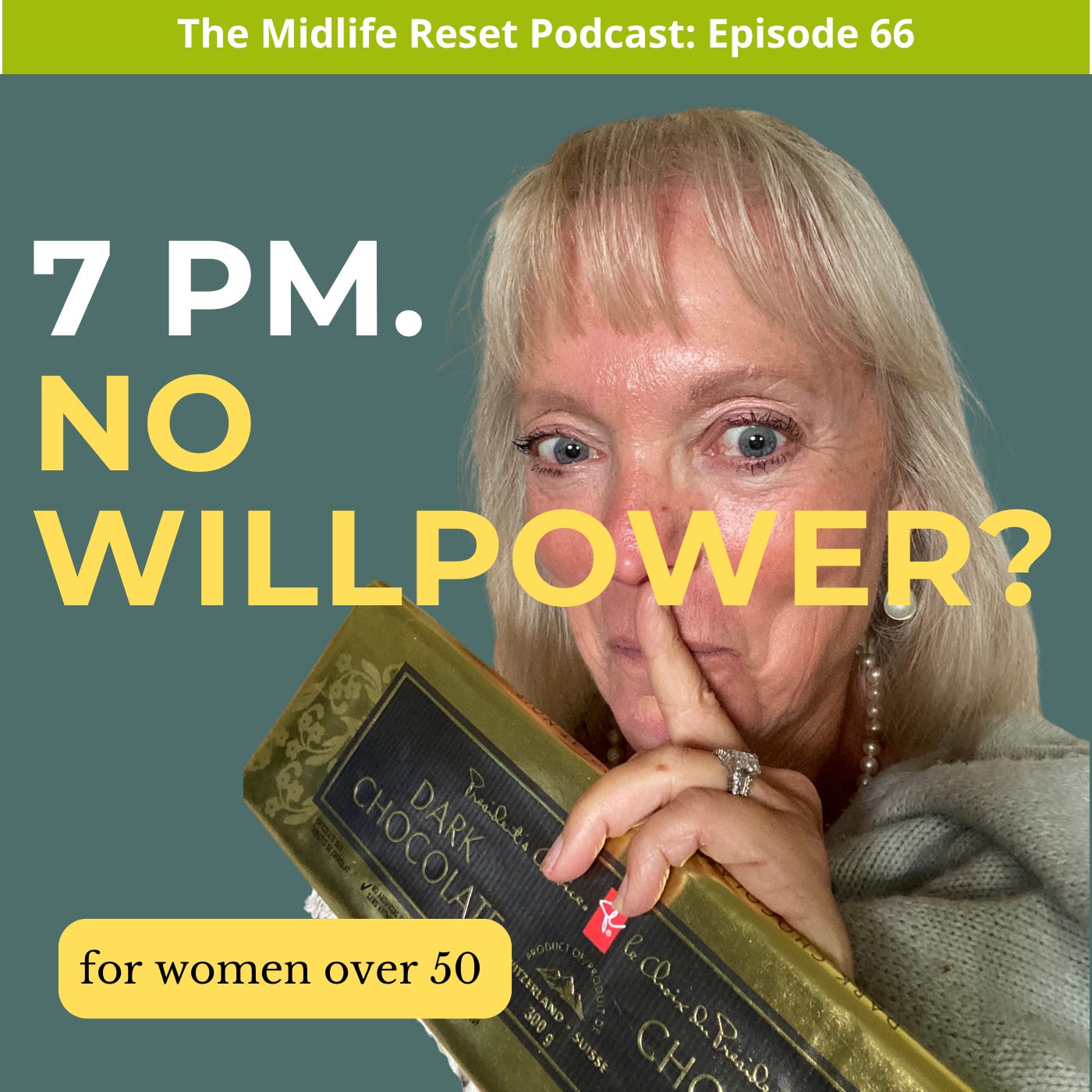
Do you eat healthy all day long but then go off the rails after dinner? Ugh!So many of us midlife women are beating ourselves up, feeling like we’re not measuring up because we blow the healthy eating by 7 pm. But honestly… once you understand WHY this happens, it’s a common sense fix. I’m not talking iron willpower or cleaning out all the junk food from your cupboard.Let’s clarify what is actually going on when those cravings hit and give you 3 easy strategies for sailing through those nighttime urges.My Nighttime Pattern… Sound Familiar?For me, it’s green smoothie for breakfast, high fibre salad for lunch. Even at dinner I start carefully. But then it tastes really good. And I’m not supposed to eat after dinner, so I’d better tank up now. Wouldn’t want to be hungry or I won’t sleep. And then I finish it all and think good, I’m full.But…. The night stretches out long ahead. I’m tired. But a little wired. My sweet tooth starts grumbling. What about a little chocolate??? Dark chocolate has antioxidants you know. Yup. That sure was good. Another little square won’t hurt. I sit to watch something on YouTube and next thing I know, half the bar is gone. OK, no more of that. This is what goes on in my brain, literally.This is my night time struggle. Literally every night.I feel shame for caving on the chocolate. That uncomfortable feeling niggles in the back of my mind while I’m trying to distract with more YouTube or reading. More shame starts piling in because it’s a shame spiral. The more the merrier, right?“You should sign up for an exercise class at night. You will never fit into your clothes if you don’t tackle this weight around the middle.” And for me, I make a living selling healthy lifestyle. What kind of advertisement is it if I look dumpy????“Yeah, and I should sign up for a continuing education class. That would keep me away from food at night. I do feel kind of tired after dinner. I put in full days. But if I were really ambitious or organized I would have energy for that” More shame, yay!How Habits PerpetuateMeanwhile, my habit brain, the part of my brain that organizes all my background processes, is becoming a little concerned. All this shame coming to the party leads to feelings of isolation, being left out and not measuring up. Wayyyyy back in the caveman days, being left out or ostracized from the tribe was fatal. My habit brain still holds to that notion. So these feelings of isolation are being read as a survival threat. We could die!!!!Habit brain to the rescue! It has a plan for all potential survival threats. And it has been gathering programming for millennia for just this moment.Unfortunately, my habit brain does not have room or any desire to embrace my goals, dreams and higher human potential. It’s only interested in basic survival. It doesn’t know that I’ve resolved to kick night time snacking or that I desperately want to fit into my beautiful clothes.The habit brain steadily amps up the signals that we should do whatever it takes to calm the feelings of isolation, shame and loneliness. Historically, you know what has worked super well???? Eating a snack!The Role of DopamineWhen we eat something rich in carbohydrates, like chocolate or popcorn or Oreos, the brain receives a strong dopamine hit. This is a pleasure hormone. We are wired, super hard wired, to go after dopamine hits.Ahhhhh. Pleasurable food. Brain happy. Shame spiral temporarily halted. Deep breath.Unfortunately, that dopamine hit just band-aided the problem. Logically, I’ve just added more fuel to the shame fire. The whole circle of hell starts again.Hopefully, my story helps you understand how absolutely normal you are. This is a trap so many of us fall into. You are not broken. I am not shame worthy. It’s just an unmindful pattern that we can totally hack into.Hack into the Habit BrainThere are several reasons why this night time snacking cycle gets away from us. In the SHE Mindfulness Program, we take a much deeper dive. And you have access to our private Community within which you can ask questions specific to your situation and share your own strategies with others like us.1. Trying to “Bank Calories”Days can be busy. Sometimes it’s hard to fit in proper meals. And I often don’t notice my hunger or cravings because my brain is so entertained by all that’s happening. Also, I might take advantage of that distraction and skip some meals. You know… bank my calories for later. It’s feels so virtuous to say, “Oh I forgot to eat today!” Or “I only had an apple for lunch”.Meanwhile, that habit brain is getting more and more concerned. Depriving ourselves and ignoring hunger cues can create a panic response in your system. Even mild hunger can trigger stress hormones. You might not notice the build up of anxiety because you are stimulated by your activities. But when the distractions start to wind down, the anxiety hits full tilt.Do you find you are nibbling while cooking dinner? Do the hunger pangs attack as you drive home to make supper? Do you get “hangry”?Routinely ignoring hunger cues sensitizes our alarm system so it’s super hard to control eating to enough. There is a brilliant communication loop built into our system. But if we are not attuned, the system loses its calibration. In other words, the habit brain becomes even more of a drama queen and sends these big panic messages as soon as it can find our attention.Here’s the solution: Eat when you are hungry. And stop eating when you’ve had enough.How elegant. In Mindful Eating (you can get a FREE copy of the guide ), we study exactly how to read the body for hunger and full cues. It sounds so simple but, for me, it has been an ongoing practice to recalibrate.This is a long term process of learning to deeply listen to your body again. You don’t have to give up chocolate or popcorn. I promise.2. Stress and CortisolThe next strategy is helping to address the hormones that cause unnecessary night time snacking.Cortisol is a normal hormone that is commonly released in the system to help us feel energized and prepped for activity. It starts to rise about 4 am and steadily grows all day. There’s nothing wrong with cortisol in the system. It’s normal.But here’s the catch. We sit down at dinner. We’re probably hungry. We’ve been busy. Our brains are tired. Do you know you have to make tens of thousands of decisions each day and each one is an energy gobbler?The relaxation that comes into the system with food is like a roller coaster downhill. We crash. Our system so needed that relaxation that it doesn’t want it to end. Especially if after dinner, there’s a whole bunch of yucky stuff like laundry or feeling lonely.The habit brain knows how to keep the party going. Keep eating! It’s simple. So we take a little more chicken. That’s healthy right? And maybe just a spoonful more pasta. It is so good tonight. Did you miss lunch? Well… have seconds of course. You can afford the calories.The body doesn’t really need those calories. They will likely be stored as fat… For most of human history, famine was a very real threat. The bottom line… you torpedo your weight loss goals before you’ve even really settled in for the evening.Does this resonate? “Well, I blew through my portion control at supper. I’ll start over tomorrow. But for tonight, I might as well blow it out with chips.” And then it’s the shame spiral all over again.There is a wonderful solution! In the SHE Mindfulness program we talk a lot more about mindful rest. Rest breaks throughout the day relate to weight loss. Most people think they need to exercise more. So this can be really counter intuitive. But stick with me.IF you don’t want to try and wrestle with that big tank in cortisol at supper tonight, wouldn’t it make sense to bring it down a bit during the day? This is scientifically possible by taking 5 - 20 minute mid day reset for the nervous system. A restorative yoga pose, a quick nap, a meditation…. There are many options to reduce cortisol product… This is a public episode. If you would like to discuss this with other subscribers or get access to bonus episodes, visit cherylgordonyt.substack.com

Are health issues popping up out of nowhere, stressing you out and sending you down the Dr. Google rabbit hole at 3 am? Me too! It might be TMI but I’d like to share with you the crazy digestive symptoms I’m having right now and what I’m doing about it. It’s not about a special exercise or new supplement. This is down to basics yoga and mindfulness tools that you can start today to feel more yourself.Be forewarned… we’re going to be very good friends at the end of this. If you are a bit squeamish about bathroom talk, you may want to skip this one.I help midlife women rediscover their strength, build their sleep back up and lose that fluffy weight without extremes or deprivation. I use the tools that I teach in my SHE Mindfulness program everyday. Hundreds of other women are journeying right along with me. I’m genuinely honoured that you are with me now.Random Health Issues Cropping UpWhat the heck is happening with us? As new things crop up, I feel like a delicate flower… can only eat certain things or go certain places. Am I weak? Am I getting old?The truth is that our bodies feel everything but can’t escape the way our minds can. The body is in it, 24/7. So all those late nights in your 20’s? Body remembers. All those great parties on vacation last year? Body’s still feeling it. The sleepless nights with kids? Body’s keeping score. You get the picture.Mentally, I’ve moved on. I maybe don’t even remember half this stuff. But my body still bears the imprint of the stress. The exhaustion. The unhealthy food. Maybe bad drugs in the 60’s …but I admit nothing.Why Things are Different NowBefore menopause, we had this little helper called estrogen. She floated around binding it all together. I’ve talked before about how estrogen is a little like that mom in our family. She does all this background stuff -remembers doctors appointments, gets permission slips signed, buys toilet paper … we don’t really acknowledge all she does to keep us together. But then mom gets the flu and the house goes to s**t. No one knows where we keep the toilet paper. I think I’m building a theme here. Oh boy. Anyway… you get the idea. When mom goes down, the real cracks start to show. Someone should have been helping mom with the toilet paper all along but she just did it.This is like our bodies when estrogen goes down. It all goes to s**t. There I go again with the unintended puns. I warned that this episode is a bit down the toilet. The point is that the stuff we got away with in our 20’s, 30’s, even 40’s will now catch up with us. It’s not a personal failing but biology. Unavoidable.Even if you exercise. Eat super healthy. Do yoga every day. Trust me. I know this from my clients but more intimately from my own experience.Lessons from the RestroomRecently my body has decided to send a stern memorandum that I need to make some changes. After returning from a trip in April, I thought I had a parasite. Fast forward through doctor’s visits, antibiotics, herbal remedies and cutting out dairy and gluten… blah blah blah… I’m pretty sure that my newfound desperation to always be by the loo is IBS.We had some significant family stress in February (normal stuff for women our age) that I think pushed me over the edge. The routines of self care I had no longer were sufficient.This is Common at our AgeHave you been hit with a health issue out of the blue? One of my clients just shared with me that she’s start bleeding after 10 years post menopause. Another developed a rash with no clear cause. Another client has started waking up at 2:36 am every morning for no reason. She’s exhausted. Another client got slammed with sciatica. Very painful, derailed her whole summer… no discernible cause.The doctor will have some help for all these problems but as a yoga therapist, I see a common thread amongst all of us.Stress.Specifically, the cumulative load of a life lived in overdrive for decades.Just a quick clarification here: WE DID NOT DO ANYTHING WRONG. A lot of times when people get diagnosed with a chronic disease that is exacerbated by stress, we blame ourselves. I should have retired earlier or left the marriage or been better somehow.The truth is when you are in the weeds, you don’t know you’re in the weeds. Maybe it’s a bit of arrogance but we think we can handle it. And we did. But the body kept tally. And now the debt is being called in.And because of what I do for a living, I’m particularly vulnerable to beating myself up for not recognizing the patterns earlier. But that is not helpful.Look to Yoga and Mindfulness for HelpWhat is helpful is knowing simple adjustments and tools to employ to pay off the deficit and get us back into the game of life again.Let’s talk about 3 simple shifts that you can start today to reassure your body, and your nervous system, that you are serious about getting better. These are really helping with my symptoms. I can get through teaching a whole yoga class now without rushing for the facilities. I’m back to eating cheese and pasta. Thank heavens because I love cheese and pasta. You obviously will assemble many things from your health care team like supplements, prescriptions, creams, dietary changes and other lifestyle habits… all this forms a puzzle unique to you and your healing. But these habits will accelerate your progress.* Mindfulness SnacksEver been on a trip, using your phone for maps and photos and watching YouTube videos and it almost dies half way through the day? Your nervous system needs recharging when there’s a heavy load on it in that same way.A mindfulness snack is 3 - 5 minutes segregated from normal activities to recharge the batteries.This can be a quick “legs up the couch”, a short guided meditation or one of my favourite is the 3 minute breathing space. It’s a classic mindfulness tool that can be utilized almost anywhere. If you’re not driving or operating heavy machinery while you listen to this, let’s try it together.* orient to present moment experience* Focus on purpose on movements of breath in the belly* Expand awareness to include breath but also full present moment experience.2. Technology BoundariesWith smart watches and computer phones a part of our minute to minute lives, I see the nervous system toll for my students. They are getting buzzed and binged even through yoga class. The one place I would hope they could take a break from the outside world. I guarantee that our bodies were never designed for 24/7 connectivity with the entire universe. It’s just overwhelming.Dumping the tech for long stretches can be even more stressful, or perhaps not practical. And turning off all notifications permanently might not even be safe or desirable.The first step is just to be more aware of how often you are responding to notifications or prompts. Or how often you are checking the news headlines. Can you set boundaries around that? Be aware that every time you look at your device, your nervous system is getting a jolt. It’s burning through battery power, in other words.Do you ever close apps on your phone to save the battery? You get the picture.My suggestion is that you start with limits around bedtime. Maybe a one hour moratorium on devices before bed. No scrolling when you wake up at night. Then try creating sacred silence around mealtime. No devices. And another time of day that is precious real estate is first thing in the morning. So many of us reach for our phones to open our day. Consider creating another sacred space when your brain is fresh and the day is full of exciting new possibilities. Conserve your battery power for your own thoughts and plans.Which segues to #33. Journal moreIf you do decide to put the devices away in the morning, you could use that time to visit with the most amazing and fascinating person in the world… YOU.Journalling can be complicated. But this doesn’t have to be.Many of my clients who are more visually stimulated start with a blank page and a doodle. I love colour so sometimes I just draw a rainbow and l… This is a public episode. If you would like to discuss this with other subscribers or get access to bonus episodes, visit cherylgordonyt.substack.com

Comments

Download from Google Play

Download from App Store
 United States