


 Claim Ownership
The Mindful Menopause Reset|Better Sleep, Menopause Weight Loss and Building Peace Again
Subscribed: 2Played: 2
Subscribe

© Cheryl Gordon
Description
Need better sleep? Struggling with midlife weight loss? Tune in to gain simple menopause solutions using mindfulness. We'll cover:
* menopause sleep tips without pills or extremes
* menopause weight loss without dieting or deprivation
* managing menopause mood swings
* rebuilding confidence after major life change and
* minimizing menopause joint pain
Press play. Subscribe. Let's create more peace in your body again.
Join our online community at https://cherylgordonyt.com/resources/join-the-conversation/
cherylgordonyt.substack.com
72 Episodes
Reverse

Cheryl: Hey girlfriends, I’m so glad you’re here today, because this episode is about the weight gain I’ve been experiencing over the last few months. I’ve invited my fellow podcaster, Kim Hynes, star of the Emotional Eats podcast, who also runs a coaching business focused on emotional eating. In real time, we’re going to sort out what might be going on for me. It’s not about cutting calories or boosting exercise. You’ve heard that so many times. So what is going on? Kim, I’m so excited you’re here to help me unpack it.Kim: Hi Cheryl, my friend. I’m so thankful to be here, because this is a conversation I’ve had to have with myself, and I know all you ladies are going through it too.Cheryl: It can be so frustrating. Kim, just a little background. I had some real family stress last winter, and that’s when I started noticing the weight gain. It’s so clear in my mind that the stress is linked to it. We’re tempted to say, “Well, you were just stress eating,” but I keep careful track of what I eat through my mindful eating program, and I really wasn’t bingeing or doing a deep dive on Oreo cookies. I think this is a more nuanced conversation.Kim: I agree. First of all, I’m proud of you for linking it back to something that isn’t food or exercise, because that’s the first thing we’ve all been taught to do: eat less, exercise more, maybe I’m just not walking enough. But our bodies are really smart, and we forget how connected all the systems are. You could be eating exactly the way you always have, and even setting menopause aside, it could be directly related to that stress.Cheryl: Right. Those old beliefs are still so entrenched. Can we talk about why “walk more, get to the gym more, cut out carbs” really doesn’t apply to women at our age?Kim: Absolutely. I know you talk about this too, so it’s worth repeating. We’ve been sold a bill of goods, one that may not even have been created by women, that if we just work harder, we’ll get what we want. Put in two hours at the gym, cut out the carbs, and we’ll have the bodies we see online. We take one piece of advice and run with it.The other problem is that our hormones at this age are very different. We need some of the foods we’ve been cutting out for years, and not just for energy. We need them to take care of our brains. Our bodies love carbs and glucose, but we’ve been taught to remove them and assume everything will be fine. Or we go on a diet that’s all meat, or whatever the plan of the moment is.I can’t entirely blame society, though, because we want an easy fix too. As women, we’re busy. We’re managing households, kids, ourselves, everything. Then we turn around and try to control food, because we want a checklist: just tell me what to do and I’ll do it. But we forget that we’re one big system. It’s like trying to lose only belly fat. Our brain affects our heart, our lungs, our gut, and it all works together. We pare it down to what society says is easiest, which is cutting out food. And is that actually easy? No, it’s not.Are you enjoying the conversation? Please subscribe to support more publications like this. Thanks!Cheryl: No, it’s not.Kim: It’s also the moneymaker. You can keep selling a diet whether or not people do well on it.Cheryl: It sells books, supplements, and plans. So let’s go deeper. If our systems are all interconnected, and I decide to cut out carbs because “carbs are bad,” well, my brain needs carbs. I need that energy to function. So when I cut them out, I create stress for my system.Kim: Yes. Any kind of cutting out of food puts stress on the body. We can’t blame cortisol for everything, but there’s no doubt it’s a stressor. And it isn’t just physical, whether it’s cutting foods or fasting or any of the things we’ve been taught to do. There’s an emotional toll too, because we know we’re depriving ourselves. And we’ve talked about this before: when we deprive, deprive, deprive, what’s at the other end, when we just can’t take it anymore? Bingeing.Cheryl: Yes, we rebel. We rebel against all the rules that box us in as women, the “good girl” rules. When we’re with other people, we’re the model of health and wellness. Then we get by ourselves, and we rebel.Kim: Yes. As coaches, that’s really hard, because we have that identity. When we go through hard times, we can’t believe we can’t stick to the things we teach other people. But we’re human beings, and we’ve both been through it.Cheryl: The same goes for exercise. If you think you need to walk longer, or do CrossFit, or amp up your game, that can add stress to a mature body. We need time to recover from the inflammation that comes from a hard workout, right?Kim: Thank you for bringing that up. I’m a bit embarrassed to say this, but I used to be a coach for one of those big multimillion-dollar fitness companies that pumped out workout programs. You’d work out 30 to 45 minutes a day, but you’d go hard and fast, six days a week. At 30, your body can handle that. You have the energy, the recovery, and the estrogen. On top of that, I was a marathon runner, so I thought I was killing it, and not in a good way.As we get older, we need recovery time in between, not only to bring down inflammation but to let all our systems settle. Working out that hard also takes time away from the other self-regulating, self-care things we need. If you’re working out six days a week, how are you fitting in everything else you need to take care of yourself?Cheryl: Exercise is so important, but it’s not the only thing. Can we talk about GI stuff now? Because guess what else happened, Kim? Shortly after the big family blow-up, I found myself very attached to my toilet, shall we say.Kim: Yes.Cheryl: I did a podcast on this a couple of weeks ago that I’ll link in the show notes. The GI issues are really embarrassing. They make it hard to teach a yoga class, because I get that funny look on my face and have to run to the facilities. I did all the testing with my doctor and took the antibiotics, everything that might help. But what it boils down to is that when my system feels stressed, particularly around my family, I have a day or two of another bout. So you were saying that feeling heavy, or my pants not fitting well, could have something to do with that, not just with weight itself.Does this resonate? Maybe a friend would benefit? Please share!Kim: Exactly. Thank you for being so honest about it, because sometimes we think it’s a TMI topic. It’s interesting that your stress went toward the bathroom. Mine went in the direction of constipation, so it can go either way. I was fully hydrated, taking my time, and cutting down on caffeine. I did a stool test, and I did have a parasite, but that was a sidebar. Getting rid of it didn’t solve everything.When we’re very stressed, digestion slows down, so motility can be slower. But you can also have the opposite situation. I have a client who was diagnosed with IBS, but when we spent time together, it wasn’t IBS. It was her reaction to a major life change, her family breaking apart. She was bloated all the time when she ate. Our digestive enzymes don’t work as well when we’re stressed. You can take all the digestive enzyme supplements you want, but if your body is working against them, they won’t help.So motility shuts down, digestion shuts down, enzymes aren’t working for you, or it just goes straight through. I can’t say medically why, but it makes sense. And it’s not far off from the diagnosis you could have been given, because IBS is a convenient umbrella diagnosis when people don’t know what’s going on. Imagine if everyone went back to their stress. How many of those cases might improve?Cheryl: Exactly. So I think we have a clear idea that a lot of stress was building up. Now I’ve done what I know how to do, and I’m getting frustrated, especially in these first few months, because I don’t see the bus turning around. I don’t see the weight dropping off. It might even be going the other way, even though I’m doin… This is a public episode. If you would like to discuss this with other subscribers or get access to bonus episodes, visit cherylgordonyt.substack.com
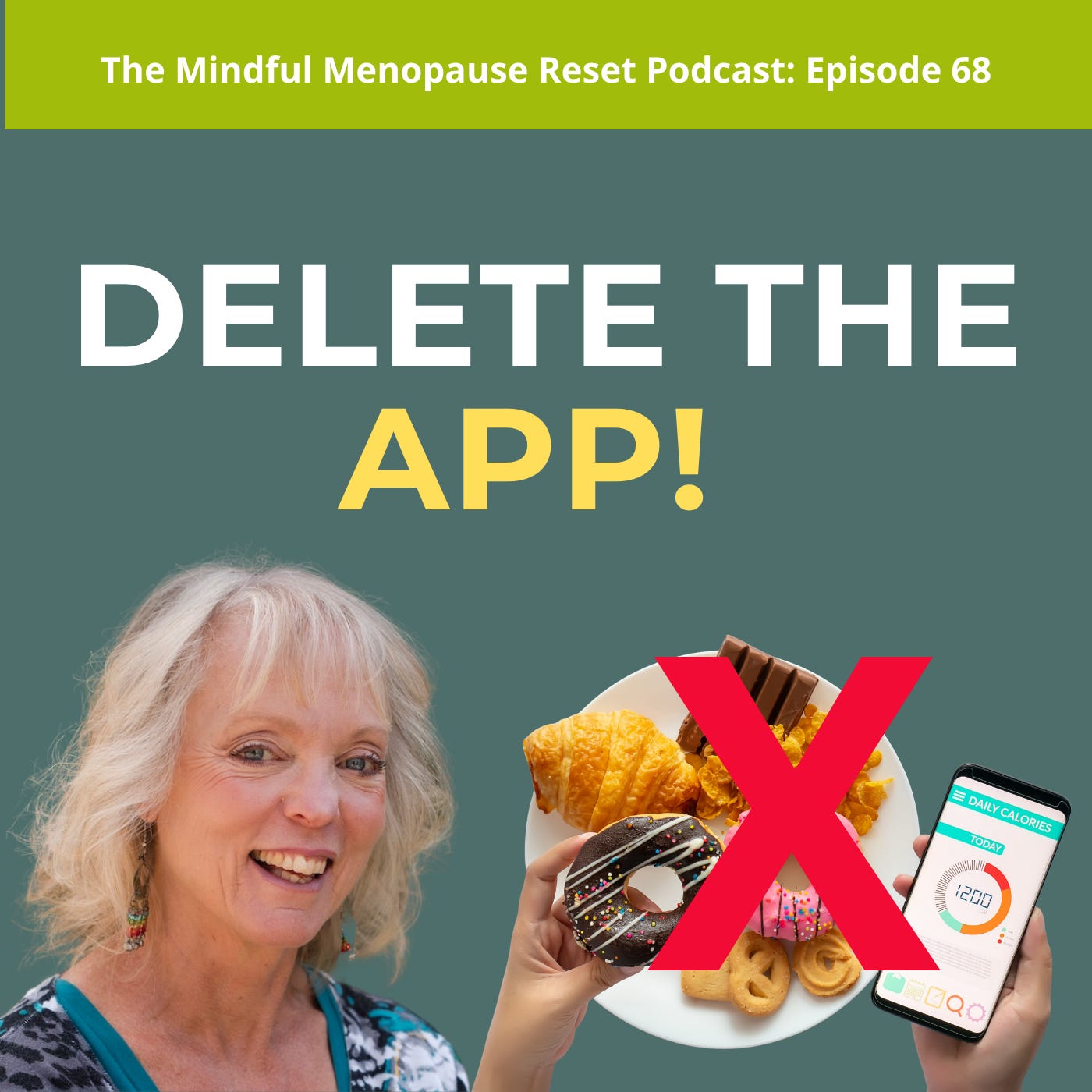
Ugh! How many calories is in an apple? A homemade cookie? Are you sick of trying to use that app to track everything? Years of diet trauma have created the perfect storm for rebelling against restricting our food in any way. But wait! Mindful menu planning can be your super power. Allow me to demonstrate a simple five minute morning routine that can revolutionize how you handle food decisions for the rest of the day. It’s a key part of how I lost 25 menopausal pounds without counting a single carb. Sharing this post helps women like us find more yoga and mindfulness tools for holistic health.My Planning StoryLet me paint the picture. Here’s the first time I really felt the power of planning ahead. We were in Florida a few years ago and friends of ours were staying about 45 minutes away. She invited us for happy hour. Now here’s how things would normally go. I’d exercise iron willpower around the happy hour snacks. Getting hungrier and hungrier as dinner time approached. But in front of others, I managed to keep it together.But as soon as I was out of sight, my “hangry” got ugly. I would grab food and grab it fast.Can’t tell you the number of times my husband and I would be on a road trip and I’d say “I’m feeling a little peckish”. And he’d keep driving. So I’d say, “I’m getting hungry now”. And he’d keep driving. It didn’t take long for this to evolve into a full scale “you don’t love me” argument, ending up with me stress eating double the human quantity of take out.This occasion was different though. I had started what eventually molded into the SHE Mindfulness program a couple months before. I was planning my food each day.So on this occasion, I had anticipated that I would be driving the 45 minutes back home on an empty belly. I knew the temptation to start a fight and then snatch anything to soothe my hunger. I could do something different if I thought ahead.All it took was a few minutes of consideration earlier in the day and some simple prep. So when we pulled into our trailer, hungry and tired, dinner was just a step or two to hot and ready.How Can a Few Minutes in the Morning Fix OverEating?This doesn’t sound like much. Why didn’t days always work out this way?Because most days, before the SHE Mindfulness program, I didn’t take the time to prioritize my own needs. I figured out meals, snacks, rest breaks, hydration… all of it… on the fly. I had so many things on my mind. Such a big to do list. I left my own self care til I was too frazzled to make elegant decisions.That all changed with the SHE Mindfulness program.Now there are many facets to this change…. This prioritizing of self care… but today I want to focus on a key tool of the program… the Daily Planner Sheet.(Please watch the video to get a full tutorial on how to use the sheet)This is not a food tracker in the traditional sense. No calories counting. No macros. No foods are off limits. You can eat whatever, whenever, how much ever you want.The KEY DIFFERENCE is that you are making these decisions early in the day when your brain is fresh. And you are looking at the big picture simultaneously. You are mindful of your goals and dreams AND the fact that you have a late meeting or there’s no good options for lunch at that building.And that’s what you do in the morning. And it I know it sounds like a lot. It took me a long time to talk about all that. But, really, once you get practice at this, it can be done in under five minutes.Frequently Asked Questions* Plan enough food. One thing that’s come up a lot for my clients is they don’t put enough food on the plan. They’re so used to diet programs, where you can only have 1200 calories a day, or you’re not allowed to have any… any of this kind of food or something. Throw all of that out. You don’t have to eat it if you’re not hungry, but make sure you put lots of food on your plan, because you’re literally wrestling with that diet mentality, that diet trauma.And for me, if I didn’t see that there was plenty of options and plenty of food on my plan, I would get a sense of panic, because what if there’s not enough? I’ve never gone hungry a day in my life, but there was, for some reason, this scarcity mindset. I had to really work with that. So make sure you plan enough food. * Eating Off Plan: Sometimes you plan something in the morning, and then you realize you don’t have enough, because company’s dropping over, or you get to the meal, and you just can’t look at that leftover again. It’s okay. The planning part is the important part.If you don’t follow the plan perfectly, we have a protocol for that in mindful eating. It all is part of the process. Not a slip up or failure.* Ditch the Deprivation: You never want to encourage a feeling of denial or deprivation. There’s no bonus points for being like super iron willpower. This is only going to trigger rebel eating. One thing you can do though, if you are tempted to go off plan and there’s no real good reason to go off plan, think of this as an invitation to spend a little time visiting with yourself. What are you feeling? Bored? Depressed? Exhausted? Frazzled? Thirsty? And if a little self care doesn’t solve the issue, you can reassure yourself that you will plan for this food tomorrow or next week. Make the commitment to your plan reflective of your commitment to your own wellness. It doesn’t get compromised on a whim. You are a big boss!You can always have the foods you love. But in the way your most rested and intelligent self has organized them.That reassurance that you can always have what you really want might be enough to bring your brain into a calmer state of mind. Alleviate diet trauma.* Dealing with the Dread of Planning: Once you get practiced at this, you will have done it really quickly in the morning when your brain is fresh and you’ve made so many decisions already about your day.This approach reduces decision fatigue. We make like 60,000 decisions every day. Do we turn left? Do we turn right? Do do we order this or not? Do we say hello to that person or not? Do we agree to go out for dinner or not? Do we wear red or we we wear blue? There are so many decisions through the day that our brain literally gets fatigued. It makes perfect sense that we will offload so many of our outright decisions, into automatic pilot because we’re just simply tired. If you’ve made a lot of your food decisions earlier in the day, it’s one less task with which to struggle.* Relieve General Stress: The stress of being hangry leaves us so vulnerable to binging and stress eating. And I really want us to be able to prioritize our own health care, our own well-being, which means don’t let yourself get so tired and stressed. Go get out ahead of it. And that’s what the planning is all about.Get a Free Mindful Eating GuideThis isn’t about just losing pounds for a wedding or a vacation. It’s about prioritizing your needs for once, putting yourself first.Your outward appearance begins to align with the love you lavish on yourself, and it happens almost effortlessly.There’s no dieting, no deprivation, no denial, and no drama. If you found this article interesting, please subscribe to receive my weekly podcast posts. This is a public episode. If you would like to discuss this with other subscribers or get access to bonus episodes, visit cherylgordonyt.substack.com

Lost your job. Watched your kids move out. Ended a relationship. Hit perimenopause. None of these come with a funeral — but your nervous system doesn’t know the difference.Please join the conversation with Dr. Aoife Earls, a naturopathic doctor in St. Catharines, Ontario who specializes in helping women navigate the kind of grief nobody sends a casserole for. We’re talking about ambiguous grief, disenfranchised grief, and why so many midlife women feel like they’re “losing it” when really, their body is just trying to process an enormous amount of change at once.The Physical Toll of LossKeep reading to find out what is actually happening physiologically when loss piles up — the adrenaline spikes, the sleep disruption, the digestive chaos — and why rest isn’t a luxury during this time, it’s biology. We also get into why guilt shows up the moment joy tries to return, and a simple tool (the “sidecar”) for carrying that guilt instead of fighting it.Grief Isn’t Just for FuneralsMost of us have felt but never had language for this kind of grief. By midlife, most women are carrying a long list of losses that never got a formal goodbye — a pet, a job, the family home, even the shift in identity that comes when your kids move out and your role as “mom” changes shape. This ambiguous or disenfranchised grief is real loss. But people around you (and sometimes you yourself) don’t fully recognize as grief at all.Are you finding this article helpful? Please share it with someone who needs to hear this too.Why It Catches up with Us in MidlifeBetween roughly ages 45 and 70, women are often navigating several of these transitions at once — retirement or job loss, kids leaving home, divorce or separation, a health surprise, and the physical upheaval of perimenopause or menopause, all layered on top of each other. The nervous system doesn’t distinguish between a “big” loss and a “small” one; it just registers change, and it responds with the same physiological toolkit regardless: adrenaline spikes, disrupted sleep, digestive issues, a dampened immune response. The brain craves a predictable story, and when that story suddenly changes, it treats the disruption as a threat that needs managing.Rest is Mandatory - Real RestRest matters so much more than our culture tends to allow for. Grief recovery is like healing from a concussion: the brain needs real downtime to do the work of rebuilding its sense of self and story, and skipping that stage doesn’t make the work go away, it just gets postponed, often resurfacing later as burnout or a feeling of “why can’t I just push through this anymore?” This is so hard to actually practice — * the guilt of resting when you have responsibilities, * the cultural expectation that women bounce back quickly, and * on paper, you have a full and happy life.I was blindsided by “empty nest syndrome”. The sense of loss was embarrassing as I never considered myself wrapped up in my kids’ lives. I thought I had a career, social life, travel…. I cried every day for a year when the first one moved out. I just couldn’t adjust to not hearing his car in the driveway or key in the lock. I was gutted. But who would send a casserole for that???Welcoming Back Joy and CuriosityIt starts with “glimmers” — small, almost throwaway moments of noticing something good - like a nice sunrise or a pair of pants that feel good against your skin — as a way of gently signalling to your nervous system that not everything is unsafe. This is the biochemistry of connection and creativity. Oxytocin and vasopressin, released when we’re engaged in something relational or creative, work in direct opposition to adrenaline, which is part of why returning to something as simple as a dance class or singing in the car can genuinely support recovery.Remember the old fashioned shows that had the character riding in a motorcycle with a “sidecar”? That’s like our guilt and shame. Instead of trying to eliminate the guilty voice that shows up when joy starts to return (the fear that feeling better means forgetting someone, or that you don’t deserve to feel okay again), let that part of you ride along rather than demanding it disappear before you can move forward. David Kessler’s book that he co-authored with Elizabeth Kubler-Ross, “On Grief and Grieving”, offers the “three C’s” — you didn’t cause it, you can’t cure it, you can’t control it. This is a way of interrupting the self-blame loop so many women fall into after a job loss, a divorce, or a diagnosis.I love sharing these teachings with you and I’d love to do more. By Subscribing, you’re helping me broaden my reach.How a Naturopath Can HelpBeyond supplements or a diet plan, a doctor like Aoife can help at * rebuilding a predictable rhythm around sleep and nourishment, * supporting the nervous system directly through herbal medicine and targeted nutrients, * encouraging rhythmic movement (not exercise for its own sake, but movement that helps the body metabolize adrenaline), and * gently rebuilding a sense of safe connection, often starting with very small steps.Now is not the time to overhaul your diet in the middle of an acute loss, like losing a spouse or closing out an estate. That’s often not the moment for a big physical change. Sometimes the kinder, more effective move is to add one small supportive thing rather than restrict or overhaul anything at all.When to Ask for HelpAlmost every woman going through midlife has been “kicked in the knockers” by loss more than once, and asking for help with that, even when you’re the one who usually holds everything together for everyone else, is its own kind of self-compassion practice.It’s time to ask for help if you are having trouble getting daily tasks done or have been hiding at home for more than three months. This is not carved in stone but general guidelines.How I Can HelpUnderstanding that the brain requires rest when processing change gives you the permission to slow down and bring mindfulness into your healing.That’s where the SHE Mindfulness Program can help. This step by step, guided system blends what you already know from yoga and meditation into a gentle reset for midlife women. The program accounts for the overwhelm that midlife women are tackling. It’s not about deprivation or iron willpower but working with your nervous system compassionately and patiently. There’s a free webinar to try the method and see the effectiveness for yourself.Final TakeawayYou are not falling apart, and you didn’t cause this. You’re allowed to rest.About my guest: Dr. Aoife Earls is a naturopathic doctor practicing in St. Catharines, Ontario, specializing in supporting women through loss, transition, and the physical toll grief takes on the body.[Aoife’s website ]If you’re navigating a season of change and want more support with the nervous system side of midlife, check out my SHE Mindfulness Program: https://cherylgordonyt.com/she-mindfulness/ This is a public episode. If you would like to discuss this with other subscribers or get access to bonus episodes, visit cherylgordonyt.substack.com

This is a public episode. If you would like to discuss this with other subscribers or get access to bonus episodes, visit cherylgordonyt.substack.com
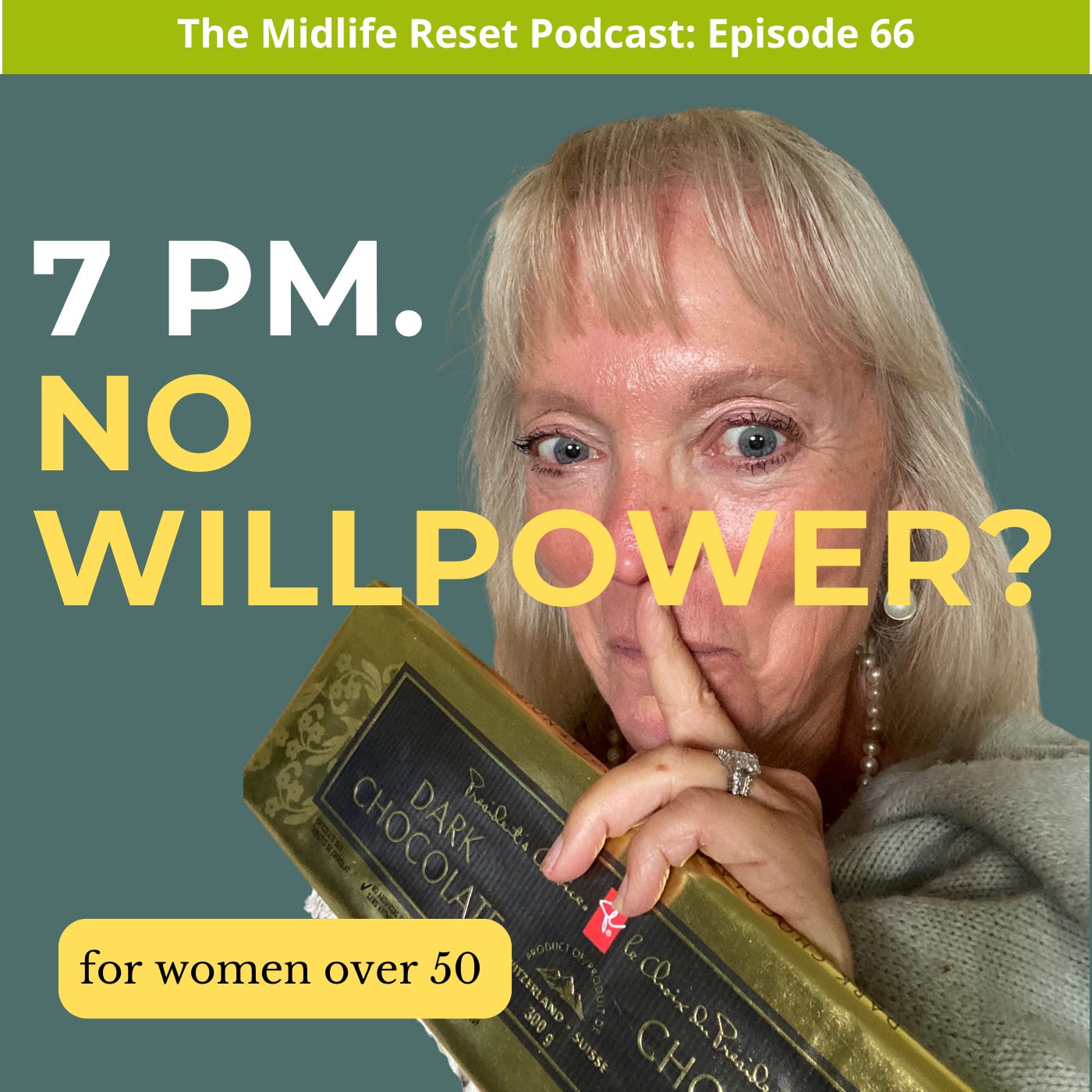
Do you eat healthy all day long but then go off the rails after dinner? Ugh!So many of us midlife women are beating ourselves up, feeling like we’re not measuring up because we blow the healthy eating by 7 pm. But honestly… once you understand WHY this happens, it’s a common sense fix. I’m not talking iron willpower or cleaning out all the junk food from your cupboard.Let’s clarify what is actually going on when those cravings hit and give you 3 easy strategies for sailing through those nighttime urges.My Nighttime Pattern… Sound Familiar?For me, it’s green smoothie for breakfast, high fibre salad for lunch. Even at dinner I start carefully. But then it tastes really good. And I’m not supposed to eat after dinner, so I’d better tank up now. Wouldn’t want to be hungry or I won’t sleep. And then I finish it all and think good, I’m full.But…. The night stretches out long ahead. I’m tired. But a little wired. My sweet tooth starts grumbling. What about a little chocolate??? Dark chocolate has antioxidants you know. Yup. That sure was good. Another little square won’t hurt. I sit to watch something on YouTube and next thing I know, half the bar is gone. OK, no more of that. This is what goes on in my brain, literally.This is my night time struggle. Literally every night.I feel shame for caving on the chocolate. That uncomfortable feeling niggles in the back of my mind while I’m trying to distract with more YouTube or reading. More shame starts piling in because it’s a shame spiral. The more the merrier, right?“You should sign up for an exercise class at night. You will never fit into your clothes if you don’t tackle this weight around the middle.” And for me, I make a living selling healthy lifestyle. What kind of advertisement is it if I look dumpy????“Yeah, and I should sign up for a continuing education class. That would keep me away from food at night. I do feel kind of tired after dinner. I put in full days. But if I were really ambitious or organized I would have energy for that” More shame, yay!How Habits PerpetuateMeanwhile, my habit brain, the part of my brain that organizes all my background processes, is becoming a little concerned. All this shame coming to the party leads to feelings of isolation, being left out and not measuring up. Wayyyyy back in the caveman days, being left out or ostracized from the tribe was fatal. My habit brain still holds to that notion. So these feelings of isolation are being read as a survival threat. We could die!!!!Habit brain to the rescue! It has a plan for all potential survival threats. And it has been gathering programming for millennia for just this moment.Unfortunately, my habit brain does not have room or any desire to embrace my goals, dreams and higher human potential. It’s only interested in basic survival. It doesn’t know that I’ve resolved to kick night time snacking or that I desperately want to fit into my beautiful clothes.The habit brain steadily amps up the signals that we should do whatever it takes to calm the feelings of isolation, shame and loneliness. Historically, you know what has worked super well???? Eating a snack!The Role of DopamineWhen we eat something rich in carbohydrates, like chocolate or popcorn or Oreos, the brain receives a strong dopamine hit. This is a pleasure hormone. We are wired, super hard wired, to go after dopamine hits.Ahhhhh. Pleasurable food. Brain happy. Shame spiral temporarily halted. Deep breath.Unfortunately, that dopamine hit just band-aided the problem. Logically, I’ve just added more fuel to the shame fire. The whole circle of hell starts again.Hopefully, my story helps you understand how absolutely normal you are. This is a trap so many of us fall into. You are not broken. I am not shame worthy. It’s just an unmindful pattern that we can totally hack into.Hack into the Habit BrainThere are several reasons why this night time snacking cycle gets away from us. In the SHE Mindfulness Program, we take a much deeper dive. And you have access to our private Community within which you can ask questions specific to your situation and share your own strategies with others like us.1. Trying to “Bank Calories”Days can be busy. Sometimes it’s hard to fit in proper meals. And I often don’t notice my hunger or cravings because my brain is so entertained by all that’s happening. Also, I might take advantage of that distraction and skip some meals. You know… bank my calories for later. It’s feels so virtuous to say, “Oh I forgot to eat today!” Or “I only had an apple for lunch”.Meanwhile, that habit brain is getting more and more concerned. Depriving ourselves and ignoring hunger cues can create a panic response in your system. Even mild hunger can trigger stress hormones. You might not notice the build up of anxiety because you are stimulated by your activities. But when the distractions start to wind down, the anxiety hits full tilt.Do you find you are nibbling while cooking dinner? Do the hunger pangs attack as you drive home to make supper? Do you get “hangry”?Routinely ignoring hunger cues sensitizes our alarm system so it’s super hard to control eating to enough. There is a brilliant communication loop built into our system. But if we are not attuned, the system loses its calibration. In other words, the habit brain becomes even more of a drama queen and sends these big panic messages as soon as it can find our attention.Here’s the solution: Eat when you are hungry. And stop eating when you’ve had enough.How elegant. In Mindful Eating (you can get a FREE copy of the guide ), we study exactly how to read the body for hunger and full cues. It sounds so simple but, for me, it has been an ongoing practice to recalibrate.This is a long term process of learning to deeply listen to your body again. You don’t have to give up chocolate or popcorn. I promise.2. Stress and CortisolThe next strategy is helping to address the hormones that cause unnecessary night time snacking.Cortisol is a normal hormone that is commonly released in the system to help us feel energized and prepped for activity. It starts to rise about 4 am and steadily grows all day. There’s nothing wrong with cortisol in the system. It’s normal.But here’s the catch. We sit down at dinner. We’re probably hungry. We’ve been busy. Our brains are tired. Do you know you have to make tens of thousands of decisions each day and each one is an energy gobbler?The relaxation that comes into the system with food is like a roller coaster downhill. We crash. Our system so needed that relaxation that it doesn’t want it to end. Especially if after dinner, there’s a whole bunch of yucky stuff like laundry or feeling lonely.The habit brain knows how to keep the party going. Keep eating! It’s simple. So we take a little more chicken. That’s healthy right? And maybe just a spoonful more pasta. It is so good tonight. Did you miss lunch? Well… have seconds of course. You can afford the calories.The body doesn’t really need those calories. They will likely be stored as fat… For most of human history, famine was a very real threat. The bottom line… you torpedo your weight loss goals before you’ve even really settled in for the evening.Does this resonate? “Well, I blew through my portion control at supper. I’ll start over tomorrow. But for tonight, I might as well blow it out with chips.” And then it’s the shame spiral all over again.There is a wonderful solution! In the SHE Mindfulness program we talk a lot more about mindful rest. Rest breaks throughout the day relate to weight loss. Most people think they need to exercise more. So this can be really counter intuitive. But stick with me.IF you don’t want to try and wrestle with that big tank in cortisol at supper tonight, wouldn’t it make sense to bring it down a bit during the day? This is scientifically possible by taking 5 - 20 minute mid day reset for the nervous system. A restorative yoga pose, a quick nap, a meditation…. There are many options to reduce cortisol product… This is a public episode. If you would like to discuss this with other subscribers or get access to bonus episodes, visit cherylgordonyt.substack.com

Comments

Download from Google Play

Download from App Store
 United States