


 Claim Ownership
Community Rising
Subscribed: 0Played: 0
Subscribe

© 2025 Narrative Arts
Description
Community Rising examines environmental news in the coastal Carolina region. We focus on the environment, development, climate change, pollution, and public health.
27 Episodes
Reverse
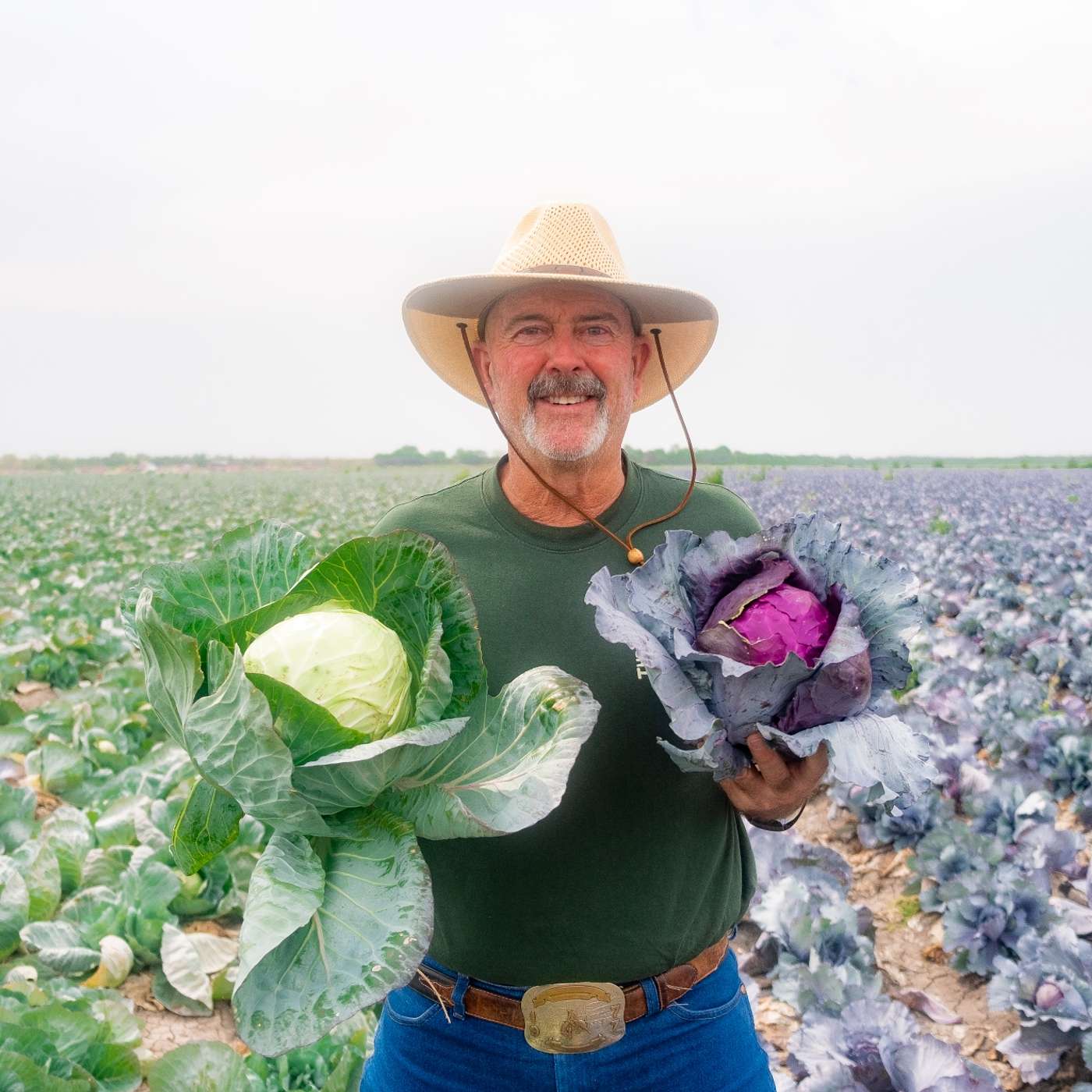
In this episode of Shoresides, host Nicolas Magrino talks with Mike Meyer, Head of Farmer Advocacy for The FarmLink Project, about a growing effort to make sure nutritious food reaches every community — especially when traditional supply chains fall short. As food banks across the country stretch to meet rising demand, FarmLink is showing what can happen when farmers, state agriculture departments, the USDA, and hunger relief organizations work together. Meyer shares stories from North Caroli...
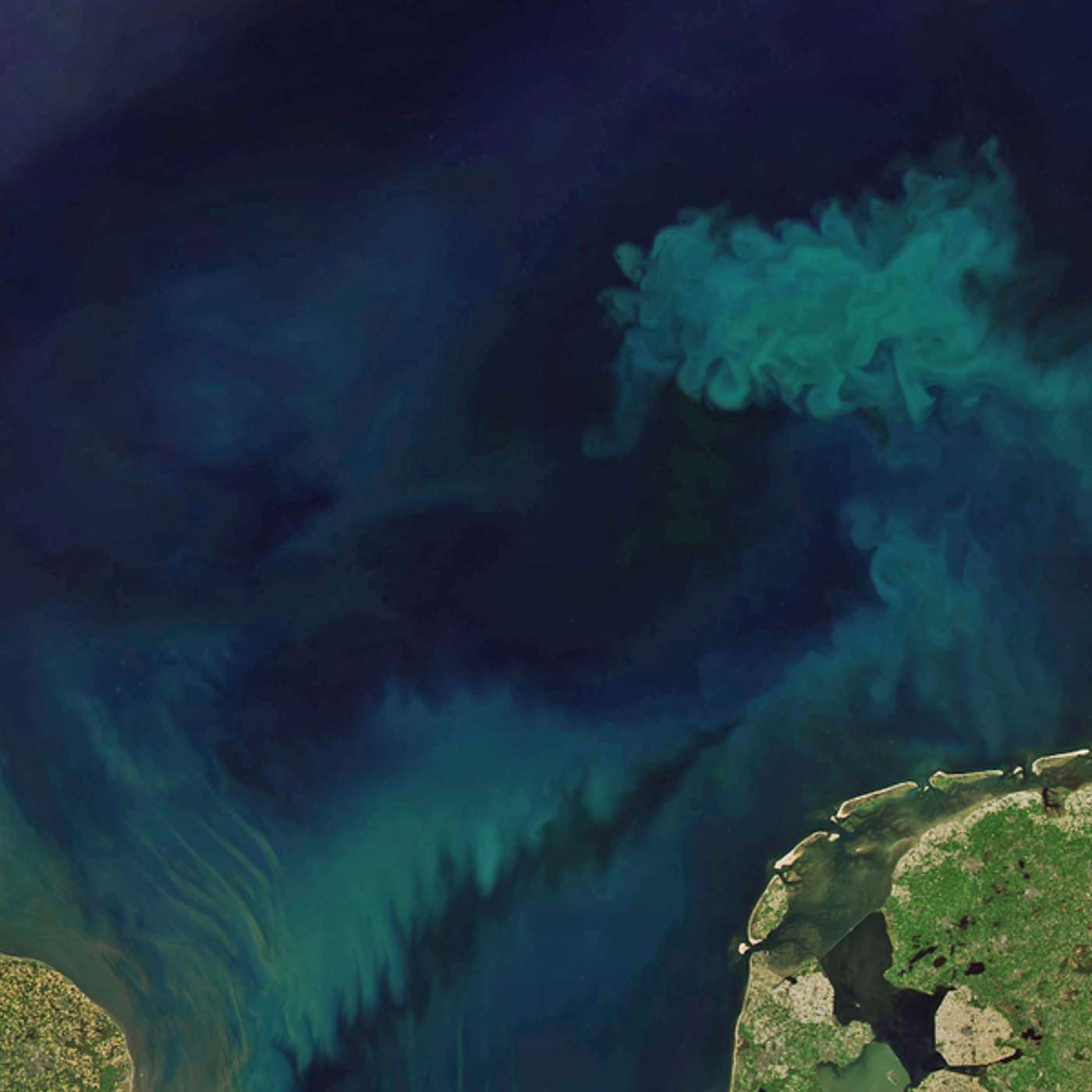
The ocean is getting greener — and bluer. Scientists can see it from space. But what does it mean? In this episode of Shoresides, host Nicolas Magrino speaks with Philip Bresnahan, associate professor at the University of North Carolina Wilmington, about what’s driving subtle but measurable changes in ocean color around the world. From warming waters to shifting nutrient flows, the hues of the sea are telling a complex story — one that hints at the far-reaching effects of climate change, but ...
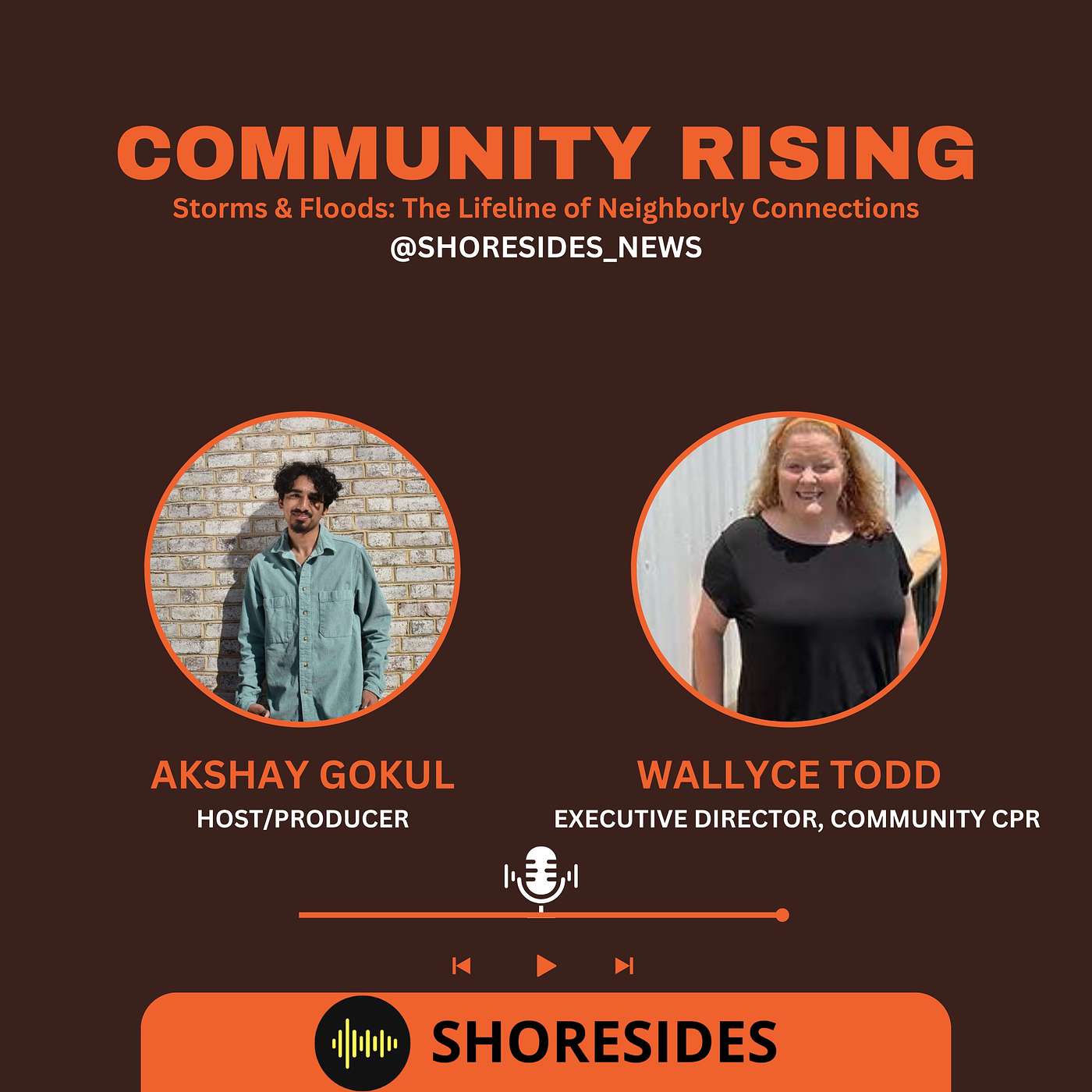
Join us in this episode as we interview Wallayce Todd of Community CPR to explore the vital role of community connections in the rural areas of Columbus County after storms. Learn how her organizing, Community CPR, and neighborly bonds transform lives, foster resilience, and strengthen the social fabric of our region's rural communities. Ten Things to Do to Prepare for a Storm and Flooding: Create an Emergency Plan: Develop a family emergency plan, including communication methods, evacuatio...

When it rains in coastal North Carolina stormwater pours off our plethora of parking lots into the neighborhoods, parks and eventually the Cape Fear River, and with the stream of water pollutants with it. Our increasing number of surfaces don’t allow the water to soak into the ground. Local groups are advancing public education which acknowledge the big public policy issues at play, but also offer solutions we can all take. The episode features staff from Heal Our Waterways and t...

In this episode of Community Rising, we spotlight the vital work of Seeds of Healing, Inc. Join us as we speak with Bonetta Spratley, Christopher Marville, and Dr. LeShonda Wallace to learn how they are advancing HIV testing and awareness in coastal North Carolina. Discover the innovative approaches they use to combat stigma, provide support, and empower individuals living with HIV. Listen in to hear inspiring stories and learn how you can contribute to this essential cause. Learn more about...

“We were just sitting on the porch like normal on a beautiful Saturday. And then we heard this tractor, and then all of a sudden this animal waste was coming everywhere and it was stinking like nothing we had ever experienced,” says Elsie Herring of Wallace, North Carolina. Herring is one of many eastern North Carolinians who have had negative health impacts and financial burdens as a result of nearby concentrated animal feeding operations (CAFO’s) over the last several decades. In this episo...
Coming soon on Community Rising. Climate change is reshaping coastal North Carolina in a myriad of ways, and one of the most striking is the emergence of ghost forests. As our climate warms, sea levels rise, and saltwater intrusion advances inland, the delicate balance of coastal ecosystems is disrupted. The result is the eerie transformation of lush, vibrant forests into skeletal remnants of their former selves, populated by dead and dying trees. Ghost forests serve as a stark test...
Look to the coast of North Carolina and you may find something a bit unexpected - artificial reefs. These manmade reefs mimic the characteristics of real reefs in order to provide a home to ocean life. In this episode, Jordan Byrum, an artificial reef coordinator with the NC Division of Marine Fisheries, discusses the history, creation and importance of artificial reefs in North Carolina. Support Shoresides’ local storytelling. Your gift helps us amplify coastal voices: https://g...

Honey bees not only produce one of the most popular sweeteners used within food and drink products - they also play a huge role in our agricultural system. Onslow County Master Beekeepers David and Lynn Sanbeg, along with Eric Talley of the Onslow County Beekeepers Association, have made it their goal to provide high-quality honey for their communities. These dedicated beekeepers encourage residents of Coastal North Carolina to learn the importance of honey bees, and how they are a crucial co...
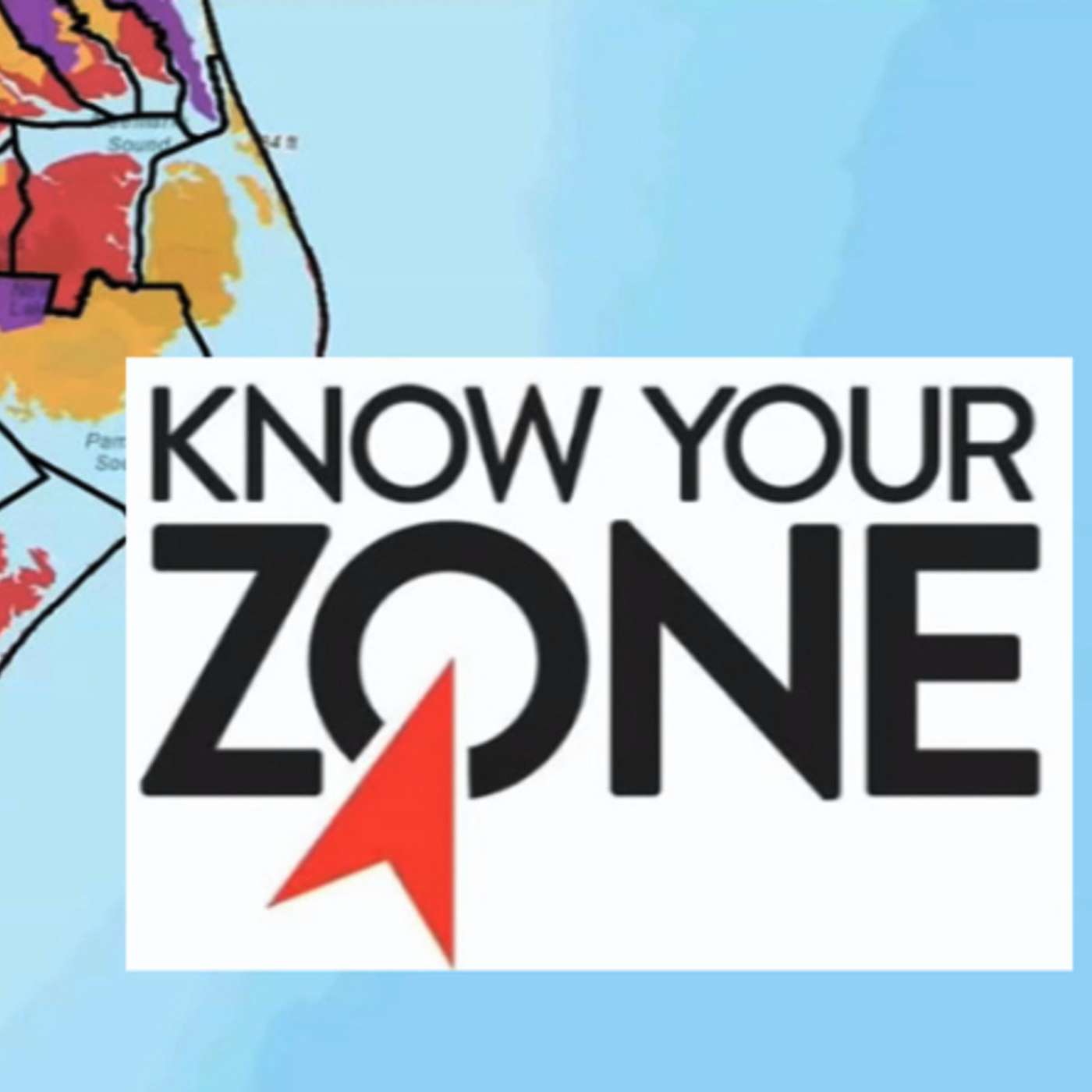
NC is predicted to have a high-intensity hurricane season this year. The state is launching a new tool – outlined zones – to help coastal residents understand which areas will be most vulnerable to impacts and organizes evacuations by predicted zone impact. In this episode, Katie Webster, Assistant Director of Planning for NC Emergency Management, talks about the state's new "Know Your Zone" program that hopes to streamline these evacuation orders amidst COVID-19. To find out your zone ...

North Carolina's low-income communities of color already face higher rates of chronic diseases like heart disease. And with the threat of increasing temperatures due to climate change, these disparities will only worsen. In this episode, Marian Johnson-Thompson, a virologist and environmental justice advocate, talks about how climate change will worsen health disparities, and why these disparities exist in the first place. Produced by Kayla Guilliams. Music by Meydän. Broadcast ...

From hog lagoons to sewage sludge to wood pellet plants, low-income communities of color in Eastern North Carolina experience a wide array of environmental injustices. Naeema Muhammad, an organizer and activist with the North Carolina Environmental Justice Network, has been fighting against these injustices for over 20 years and has experienced the emotional toll that comes with such activism. In this episode, Muhammad describes the current battle she's fighting - advocating for communities l...

Ana Zimmerman is a biology professor at the College of Charleston. She's also a flood survivor. Over the course of a few years, her home was repeatedly flooded after major storms. The effect of repeated floods caused major damage to her home, and left her with struggles that weigh on her both personally and professionally as a scientist. Produced by Ben Abrams. Music by Meydän. Photo by Wade Spees. Broadcast from the Working Narratives studio, this series examines environmental news i...

On July 22nd, the Chemours facility in Fayetteville, North Carolina notified Cape Fear Public Utilities Authority that sediment highly contaminated with PFAS chemicals leaked into the Cape Fear River. In this episode, Emily Donovan, co-founder of Clean Cape Fear, tells us what Brunswick, New Hanover and Pender county residents that rely on the river for drinking water need to know. For more information, go to www.cleancapefear.org/dailyfilter/ or https://www.cfpua.org/CivicAlerts.aspx ...

Larry Baldwin is the Crystal Coast Waterkeeper and the Advocacy Director of the White Oak New River Keeper Alliance. He's an advocate for improving the health and quality of water systems throughout coastal North Carolina. Baldwin has experienced a number of hurricane and says they can actually be a good thing for river systems. But they cause a number of other issues - they destroy communities' infrastructure and create issues with water quality, among others. Produced by Caroline Bai...

North Carolina's Albemarle-Pamlico Estuary is the second-largest estuary in the United States and serves as a vital resource for several industries and communities. Bill Crowell, Director of the Albemarle-Pamlico National Estuary Partnership, says that as climate change continues to threaten this resource, taking steps to protect it is more important than ever. Produced by Kayla Guilliams. Music by Meydän. Broadcast from the Working Narratives studio, this series examines environmenta...

Peter Groenendyk is the Director of Housing at the University of North Carolina at Wilmington (UNCW) and has experienced countless hurricanes. Groenendyk discusses the process of evacuating students during hurricanes and finding housing for students with nowhere to go. He says his experience relocating students during hurricanes prepared him to deal with student housing issues that resulted from COVID-19 - but only to an extent. Produced by Caroline Bailey. Music by Meydän. Broadcast from t...

As a seventh generation commercial fisherman, David “Clammerhead” Cessna, of Smyrna, NC, speaks about how his family's tradition led him to sustainable shellfish harvesting. At age 59, he is the co-founder of the Sandbar Oyster Company, producing job opportunities, environmental solutions and green gill oysters for Coastal NC and beyond. Produced by Chris Moncrief. Music by Meydän. Broadcast from the Working Narratives studio, this series examines environmental news in the coastal Carolina ...

The cancellation of plans to build the Atlantic Coast Pipeline was announced on July 5, 2020 by utility companies Duke Energy and Dominion Energy. Today we examine the negative impacts it would have caused and ask activist Hope Taylor, director of Clean Water for North Carolina, why she fought so long to end its proposed construction. The 600-mile pipeline would have brought natural gas from West Virginia down through North Carolina and have adverse impacts on poor communities of color. ...

Eric Griffin and Jeff Campbell are both seasoned administrators at UNCW, responsible for environmental health and safety on campus. They both explain how they could draw from past hurricane experiences to guide their plans for COVID-19 relief. Griffin and Campbell believe UNCW can be used as an example of resilience and community during these difficult times. But they admit that COVID-19 brings a whole new level of uncertainty that no one can totally prepare for. Produced by Caroline Bailey....

Comments

Download from Google Play

Download from App Store
 United States