


 Claim Ownership
B2B No Bull
Subscribed: 0Played: 0
Subscribe

© 2025
Description
Conversations about marketing communications for B2B marketers.
28 Episodes
Reverse
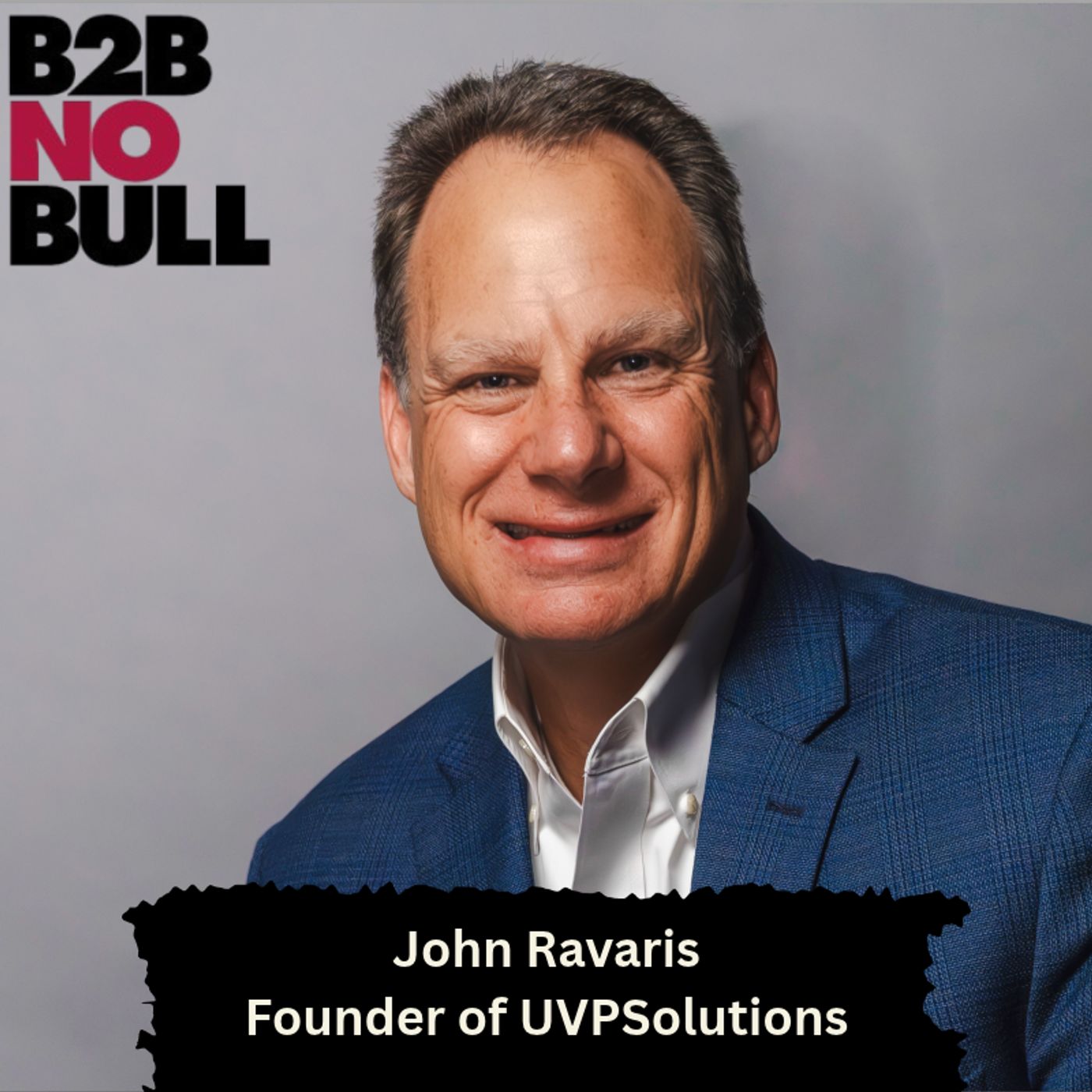
You Defined Your Value. Now What?A great value proposition isn't a marketing slogan. It's an organizational promise. And everybody has to deliver on it.You've defined your competitive advantage, sharpened your messaging, and launched a brilliant new website. Congratulations. But what happens when your billing department drops the ball, shipping misses a deadline, or customer service fails to deliver? Your carefully crafted value proposition just went out the window.In Part Two of our conversation with John Rivera, founder and CEO of UVP Solutions and author of Define Value, Drive Growth, we tackle the final two stages of his 4D Roadmap: Deploy and Delight.John explains why business growth cannot be delegated to sales and marketing alone. Every employee, from the receptionist to finance, operations, and customer service, plays a role in delivering the company's unique value proposition (UVP). The challenge for B2B marketers? Moving beyond creating messaging and collateral to building genuine organizational alignment.We explore how leadership can reinforce company values, how AI can help translate strategic messaging into actionable guidance for individual departments, and why marketers need to stay involved long after the sales enablement toolkit is delivered.Then comes Delight. And John takes customer experience a step further: turning satisfied customers into enthusiastic advocates who amplify your brand and accelerate business growth.From Chewy's memorable customer service response to the importance of capturing customer testimonials, reviews, and case studies, we discuss how businesses can turn everyday customer interactions into powerful marketing assets.We also explore how AI can simplify testimonial creation, support social selling, and preserve valuable customer knowledge as salespeople transition out of their roles.The bottom line: Sustainable B2B growth happens when everyone understands the value your organization delivers, consistently delivers on that promise, and gives customers a reason to tell your story.If you're a B2B marketer looking to strengthen sales and marketing alignment, improve customer retention, differentiate your company, and build a growth-enabled organization, this conversation is for you.No buzzwords. No corporate gymnastics. Just a roadmap for making growth everyone's business.Resources & ReferencesDefine Value, Drive Growth – John Rivera's book introducing the 4D Roadmap: Discovery, Develop, Deploy, and Delight.UVP Solutions – Business consulting, coaching, and technology designed to help organizations implement the 4D principles.UVP AI – AI-enabled tools for developing customer testimonials, case studies, and social selling content.Chewy – An example of customer empathy and exceptional service turning a customer experience into brand advocacy.Wayfair – An example of building a business around customer service, customer experience, and customer-driven growth.Highlight Quotes"Value is discovered, it's not invented." — John Rivera"Growth is an organizational initiative. It's not just the sales team." — John Rivera"If I want to grow at two or three X the industry, I need to execute at two or three X the industry." — John Rivera
Produced by: Flint RockArt by: Brohan ProductionsMusic licensed through: Flint Rock
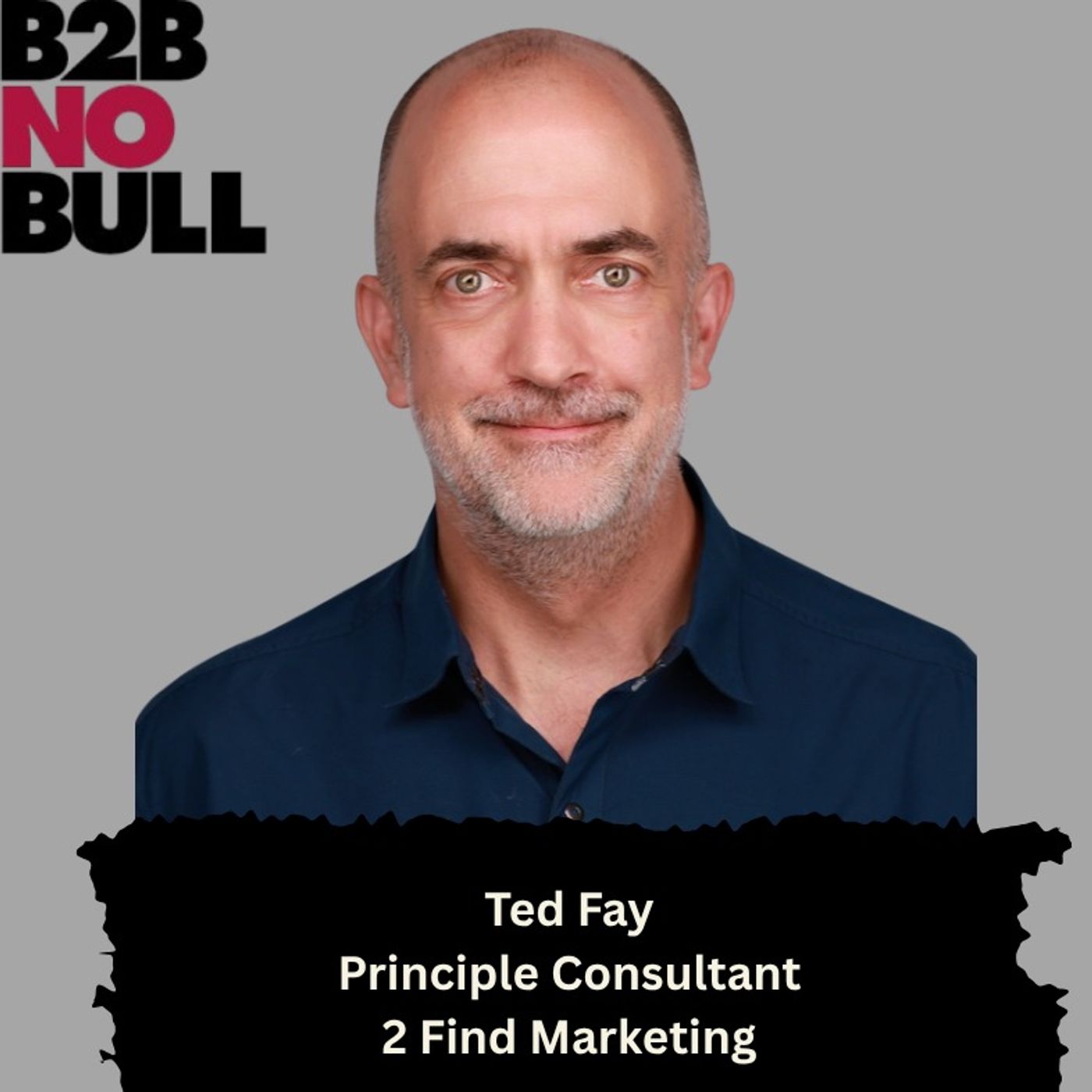
Getting Found in AI: The New B2B Marketing BattlegroundWhat happens when your B2B customer stops Googling and starts asking ChatGPT, Gemini or Perplexity who can solve their problem? Does your company show up in the answer?On this episode of B2B No Bull, Liz Brohan and Mark Brohan talk with Ted Fay, principal consultant at 2 Find Marketing, about the rapidly changing world of AI search, AI visibility, generative engine optimization (GEO), answer engine optimization (AEO), and AI agents in B2B buying.Ted explains that getting “found in AI” isn't simply about ranking No. 1 on Google. It means having your company’s answers, expertise, brand voice and differentiators appear in the answers AI generates for potential customers.The conversation explores how AI uses “fan-out” searches to break a customer's question into multiple related searches, evaluate sources for trust and credibility, and synthesize an answer. That creates new opportunities for B2B marketers—but only if their expertise is visible across websites, blogs, LinkedIn, Reddit, news coverage and other credible sources.The episode also tackles a major organizational challenge: silos. Sales, customer service, product marketing, PR, social media and web teams all hold pieces of customer knowledge. AI makes it increasingly important to connect those pieces and tell a consistent story throughout the customer journey.And then there's the next frontier: AI agents that can research and potentially purchase products on behalf of buyers. B2B companies need to think seriously about what product information, pricing, availability and specifications should be publicly accessible—and whether their digital infrastructure is ready.Ted's bottom line? AI is here to stay, it's changing fast, and successful marketers need to know their customers' questions, provide authoritative answers, build trust and communicate what makes their company unique.Because in the AI era, the goal isn't just to rank.It's to be the answer. 5 resources/references mentionedG2 AI Search research — The episode references G2 research on how extensively B2B software buyers are using AI during the purchase process. G2's current 2026 research expands on that shift toward AI-first software discovery. G2 — The Answer Economy: How AI Search Is Rewiring B2B Software Buying2 Find Marketing / Ted Fay — Ted's company, which focuses on helping organizations become discoverable through search and AI. The transcript directs listeners to [email protected] Find MarketingTed Fay on LinkedIn — Ted specifically invites listeners to connect with him on LinkedIn at Ted Fay. linkedin.com/in/tedfayGoogle Gemini — Recommended in the episode as one of the AI engines marketers can use to test whether their company, products and answers are appearing in AI results and sources.ChatGPT & Perplexity — Both are discussed as examples of AI tools customers are increasingly using for research, comparison and decision-making. The episode emphasizes that different AI engines can behave differently, making it important for marketers to understand how their brands appear across platforms. Three tweet-length highlight quotesIn the AI era, getting found isn't just about ranking #1 on Google. It's about having your company's answer show up when a customer asks AI who can solve their problem. Don't just rank. Be the answer. AI doesn't just search. It evaluates sources, looks for trust and credibility, and builds an answer. If your expertise isn't showing up across the places your customers ask questions, you've got work to do. AI isn't killing marketing. It's exposing the silos. Sales, customer service, product, PR, social and web all hold pieces of the customer story. The marketers who connect those pieces may become the most valuable people in the organization
Produced by: Flint RockArt by: Brohan ProductionsMusic licensed through: Flint Rock
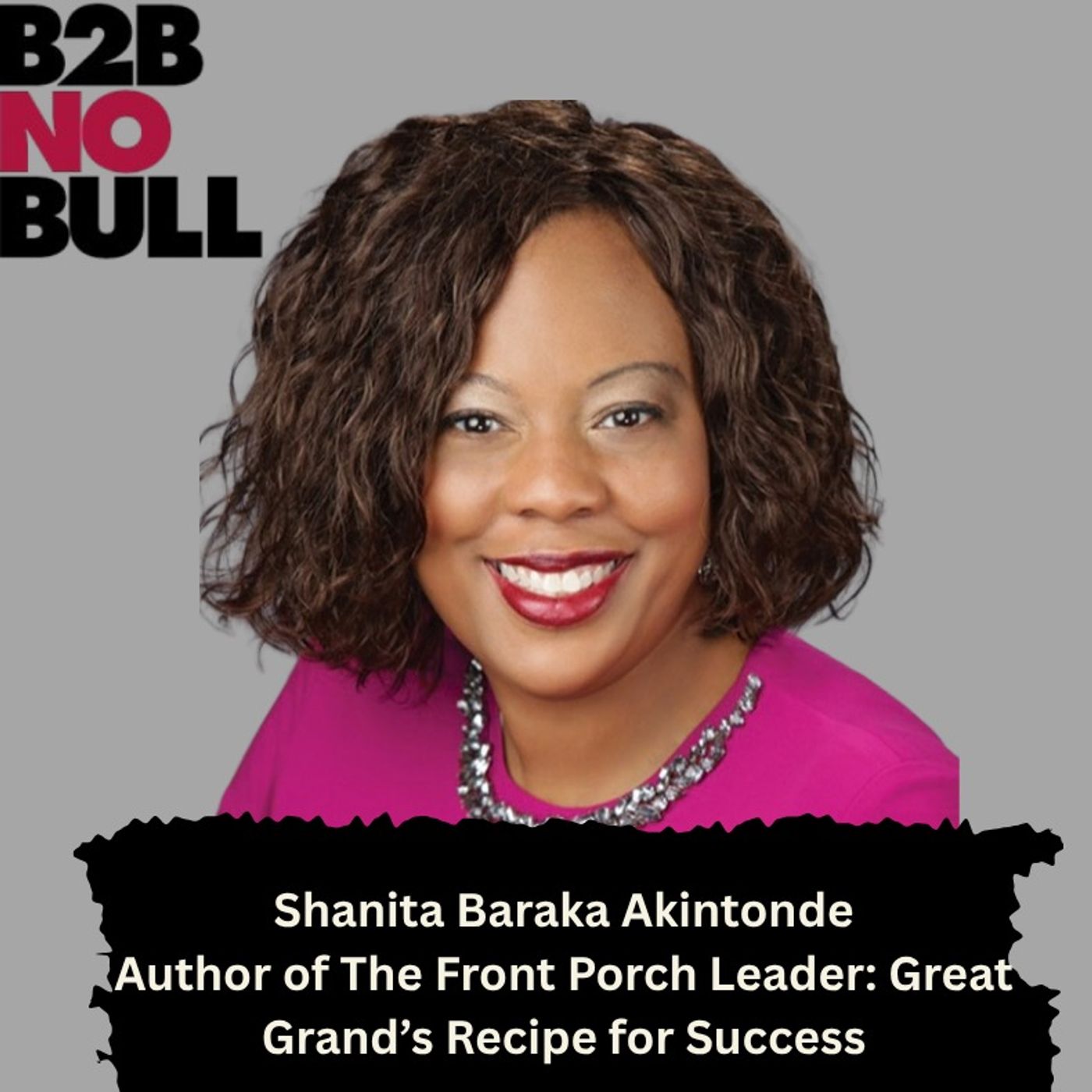
Information isn’t influence. And in B2B marketing, knowing the difference can change everything.In this episode of B2B No Bull, Liz and Mark Brohan sit down with Shanita Baraka Akintonde, author, educator, marketer, communicator and author of The Front Porch Leader: Great Grand’s Recipe for Success, for a no-jargon conversation about what it really takes to influence buyers and drive action.Shanita explains why simply delivering facts, product specifications and data isn’t enough. Effective B2B marketing has to answer the question every customer is asking: “What’s in it for me?” The goal isn't just to inform people—it’s to make the message matter to them.The conversation takes a fascinating turn into AI and marketing. Shanita describes AI as a tool that can make marketers faster, but argues that the fundamentals of good marketing haven’t changed. You still need to understand your customer, identify the problem you're solving and know what to ask before AI can help you get there.The hosts also explore the B2B buyer journey, from awareness and intent to purchase, loyalty and advocacy—and why marketers shouldn't confuse an immediate transaction with genuine influence. They dig into customer retention, brand loyalty and the importance of creating experiences that keep customers coming back.And Shanita brings one of the episode’s most memorable lessons from her great-grandmother: technology may change, but understanding people never goes out of style.If you're a B2B marketer wondering how to cut through the noise, use AI without losing the human touch, and turn information into influence, this conversation is packed with practical—and decidedly No Bull—advice.Resources & ReferencesThe Front Porch Leader: Great Grand’s Recipe for Success — Shanita Baraka Akintonde — the book at the heart of Shanita’s “ancestral intelligence” philosophy. Learn more about The Front Porch LeaderShanita Akintonde on Forbes — the episode references Shanita’s work as a Forbes contributor. Shanita Akintonde on ForbesToastmasters International — Shanita is identified in the episode as a Distinguished Toastmaster. Toastmasters InternationalNational Association of Black Journalists (NABJ) — the episode notes Shanita’s role with NABJ; the organization provides training, career development and advocacy for Black journalists and media professionals. National Association of Black JournalistsColumbia College Chicago — Shanita discusses her 23 years as a professor there. Columbia College Chicago Highlight Quotes“Information isn’t influence. You have to touch that core within people that makes them say, ‘Why should I even care about this information?’” — Shanita Baraka Akintonde“AI is a tool. Just like a hammer, a screwdriver, a wrench is a tool. You’re only as good as how you use the tool.” — Shanita Baraka Akintonde“If you’re going to influence, you’ve got to know who your target market is, what you want to say. AI can help with that. It’s not going to do it for you.”
Produced by: Flint RockArt by: Brohan ProductionsMusic licensed through: Flint Rock
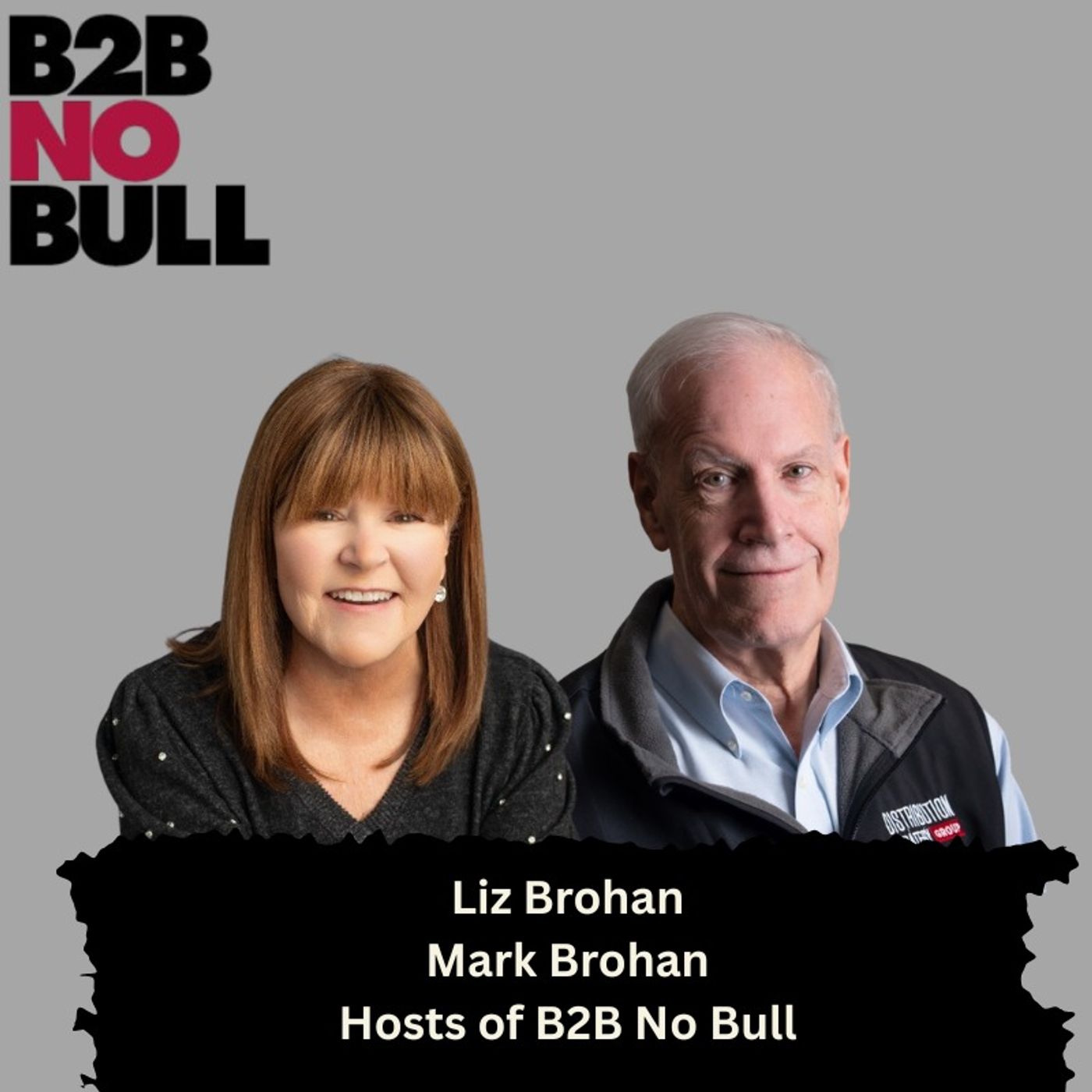
What happens when you look back at a year of conversations with some of the smartest people in B2B marketing? You discover that the biggest lessons weren’t about chasing the next shiny technology—they were about understanding people, asking better questions, listening differently, and thinking strategically.
In this special B2B No Bull recap, Liz and Mark revisit five conversations that changed the way they think about marketing.
Scott Wingo challenged marketers to stop thinking about AI as simply a productivity tool and start seeing it as a new kind of customer—one that is already changing how products are discovered, researched and purchased.
Drew Neisser reinforced the human side of AI: the technology can accelerate execution, but curiosity, strategy and human judgment remain irreplaceable.
Justin Racine shifted the conversation from price to experience, reminding B2B marketers that today’s buyers bring consumer-level expectations for intuitive, self-service digital experiences.
Cindy Greenglass delivered a tough-love lesson in internal communication: marketers need to speak the language of business, build the ROI case and prove how marketing drives revenue.
And Richard Guha reframed innovation itself. Innovation isn't brainstorming. It's diagnostics—finding pain points, listening across the organization and uncovering opportunities hiding in plain sight.
Together, these conversations reveal a powerful connective thread: the marketers who thrive will be the ones who stay intellectually curious, ask “why” before “how,” master emerging tools, and never stop listening to customers or their own organizations.
After a year of B2B No Bull, one thing is clear: technology will keep changing. Buyers will keep changing. Channels will keep changing. But understanding the customer remains the constant.
Resources & References
ChatGPT — Discussed as one of the major AI/agentic commerce engines.
Perplexity — Mentioned as an AI research/search tool.
Microsoft Copilot — Identified as another major AI engine.
Google Gemini — Discussed as Google's AI platform.
Digital Commerce 360 — Referenced in Mark's discussion of the evolution of digital commerce and B2B buying behavior.
Highlight Quotes
“When it comes to using AI, you’re asking the wrong question.” — Scott Wingo
“AI changes how customers buy.” — Liz Brohan
“Don’t ask AI to think for you. Use it to think with you.” — Drew Neisser
“Innovation isn’t a brainstorming exercise. It’s a diagnostic process.” — Richard Guha
“Price is not the biggest driver of B2B buyer behavior. It’s the experience.” — Mark Brohan
Produced by: Flint RockArt by: Brohan ProductionsMusic licensed through: Flint Rock
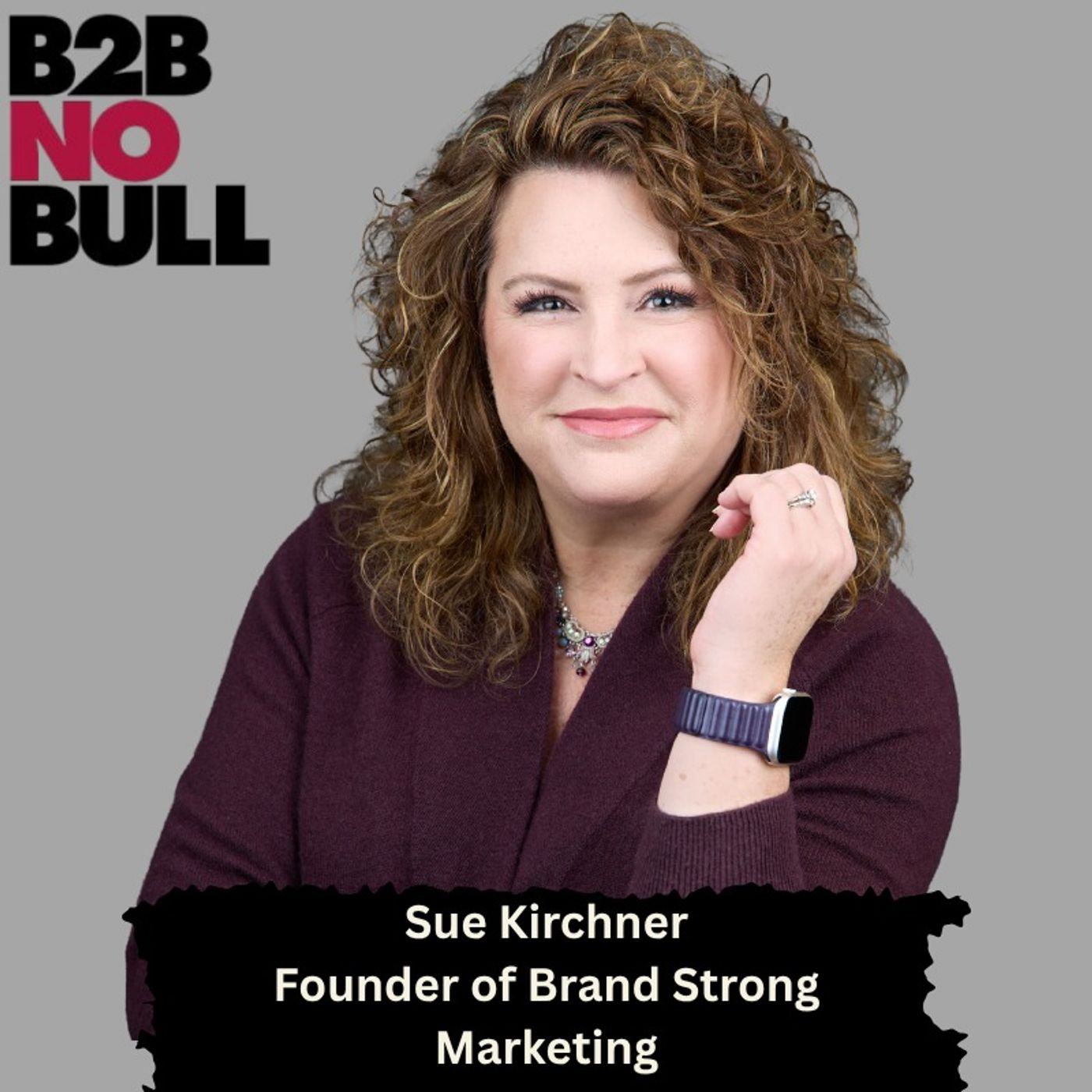
What if your biggest growth challenge isn’t sales, operations, or hiring—but your brand?
In this episode of B2B No Bull, host Liz Brohan sits down with brand strategist and Brand Strong Marketing founder Sue Kirchner to unpack one of the most misunderstood growth levers in business: branding.
Sue challenges the common misconception that a brand is simply a logo, color palette, or visual identity. Instead, she reframes brand as something far more powerful: the perception people hold based on every interaction they have with your company. That means your brand lives in customer experiences, employee behaviors, company culture, leadership decisions, and the promises your organization consistently keeps—or breaks.
The conversation explores why branding becomes mission-critical during periods of growth and change. Sue explains that companies scaling quickly often struggle not because demand disappears, but because they lose clarity. Without a clearly defined brand, organizations attract the wrong customers, hire mismatched talent, dilute culture, and confuse the market.
Through real-world examples—including an IT services company that outgrew its identity, an insurance company unable to hire fast enough, and a private equity firm consolidating multiple acquisitions—Sue demonstrates how brand strategy directly influences profitability, employee retention, customer loyalty, and long-term enterprise value.
Liz and Sue also discuss why internal branding deserves as much attention as external marketing, how HR and marketing should collaborate, and why purpose-driven storytelling matters more than ever—especially for attracting modern talent.
Key takeaway: Brand isn’t a marketing exercise. It’s a business strategy that shapes growth, alignment, and competitive advantage.
If your company is entering a new market, launching products, scaling teams, or preparing for acquisition, this episode offers a practical blueprint for building a brand that grows with you.
Resources & References Mentioned
Brand Strong Marketing — Sue Kirshner’s brand strategy consultancy.
Turbo Branding Show Podcast — Sue’s podcast focused on branding and growth.
Motorola — Sue referenced early career experience shaping her marketing perspective.
Kellogg School of Management — Entrepreneurial training and investor pitch experience discussed in the episode.
Palatine High School District 211 — Student business incubator and entrepreneurship mentoring program highlighted by Sue.
Highlight Quotes
“Your brand isn’t what you say it is—it’s what customers, employees, and investors believe after every interaction they have with you.”
“Fast growth doesn’t break companies. Lack of brand clarity does. Scaling requires customers, talent, capital—and a story everyone can deliver consistently.”
“Brand strategy doesn’t live in marketing. It lives in the C-suite because brand touches operations, HR, sales, culture, and every customer experience.”
Produced by: Flint RockArt by: Brohan ProductionsMusic licensed through: Flint Rock

Comments

Download from Google Play

Download from App Store
 United States