


 Claim Ownership
The Curious Cardiologist
Subscribed: 4Played: 76
Subscribe

© Laguna Institute of Functional Medicine
Description
Rethinking heart health, one question at a time.
I’m Dr. Sanjay Bhojraj—interventional cardiologist, functional medicine expert, and lifelong student of what really keeps us well. In this podcast, we go beyond prescriptions and procedures to explore the deeper drivers of health, disease, and healing.
From inflammation to intuition, cholesterol to consciousness, I sit down with doctors, researchers, and changemakers who are reshaping how we think about the heart—and the whole human behind it.
Whether you're a fellow clinician, a health seeker, or someone navigating your own transformation, this show will challenge what you thought you knew—and invite you to stay curious.
30 Episodes
Reverse
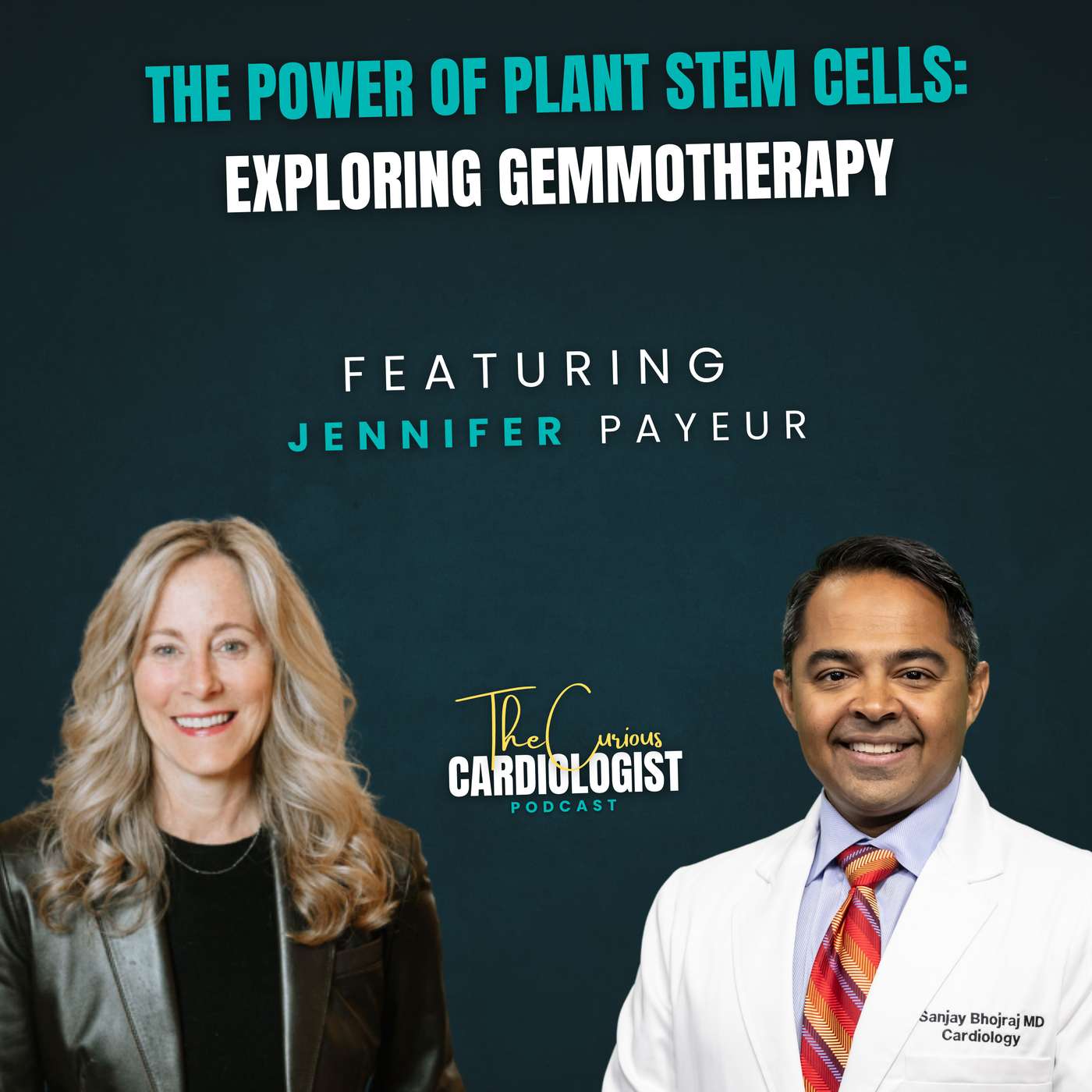
What if some of nature’s most interesting healing potential could be found in the earliest stages of a plant’s growth?In this episode of The Curious Cardiologist, Dr. Sanjay Bhojraj sits down with Jennifer Payeur, CEO and founder of Nature Provides, to explore gemmotherapy—a practice that uses extracts from the buds and young growth of plants.Jennifer explains what plant stem cells are, how they differ from conventional human stem cells, and why she became passionate about this approach after a deeply personal health journey. She also shares the history of gemmotherapy, the traditional use of medicinal plants, and how Nature Provides sources its plant material from the Italian Alps.The conversation explores the relationship between plants and human health, including the lymphatic system, fascia, inflammation, cardiovascular health, nervous system regulation, and the body's natural balance.Jennifer also discusses several plants featured in the company's formulations, including blackcurrant, linden, sweet chestnut, hawthorn, and rosemary.In this episode, you'll hear about:What plant stem cells are and how gemmotherapy worksThe history and origins of gemmotherapyJennifer's personal journey into natural and integrative healthWhy plant buds are used instead of mature plant materialThe role of the lymphatic system and extracellular matrixThe connection between fascia, stress, and the body's healing journeyPlants traditionally associated with cardiovascular and nervous system supportNature Provides' sourcing and harvesting process in the Italian AlpsThe importance of researching traditional plant-based approachesAbout Jennifer PayeurJennifer Payeur is the CEO and founder of Nature Provides, a company specializing in gemmotherapy and plant-based formulations. Her work brings together her background in the healing arts, her interest in plant medicine, and her commitment to making the subject more accessible to practitioners and the public.Explore Nature Provides:Consumer website: https://health.nature-provides.comPractitioner website: https://nature-provides.com

Perimenopause is about more than hot flashes and changes in your menstrual cycle. It can also be an important time to pay closer attention to cardiovascular and metabolic health.On this episode of The Curious Cardiologist, Dr. Sanjay Bhojraj sits down with Dr. Mariza Snyder, author of The Perimenopause Revolution, to explore the connections between hormones, heart health, blood sugar, sleep, movement, and stress.They discuss why women’s cardiovascular health has historically received less attention, how hormonal changes during midlife can coincide with shifts in metabolic and cardiovascular markers, and why a broader approach to women’s health matters.In this episode, we cover:Why cardiovascular disease deserves more attention in conversations about women’s healthHow perimenopause can affect sleep, energy, and metabolic healthWhy everyday movement may matter more than a perfect workout routineWhat “exercise snacks” are and how to incorporate short bursts of movement into your dayThe relationship between sleep consistency and cardiometabolic healthHow community, connection, and nervous system regulation fit into a healthy lifestyleWhy tracking glucose trends can offer useful information—and why individual readings need contextProtein, fiber, healthy fats, and the role of minimally processed foodsMeal timing, circadian rhythms, and late-night eatingHow changing hormones can coincide with shifts in lipids, inflammation, and blood pressureThe role of symptoms, health history, and laboratory trends in conversations about perimenopauseDr. Snyder’s perspective on hormone therapy and the importance of looking at the bigger health pictureDr. Snyder’s central message is that women’s health should be about more than managing individual symptoms. Movement, sleep, nutrition, connection, and stress management all deserve a place in the conversation about long-term health.About Dr. Mariza SnyderDr. Mariza Snyder is a women’s health educator and author of The Perimenopause Revolution. In this conversation, she shares her approach to supporting women through midlife and connecting hormone health with broader lifestyle and metabolic considerations.About The Curious CardiologistHosted by Dr. Sanjay Bhojraj, The Curious Cardiologist explores health and longevity through new perspectives on familiar medical questions.Subscribe for more conversations about cardiovascular health, prevention, and whole-person approaches to wellness.Connect with Dr. Mariza Snyder:Website: https://drmariza.com/Instagram: https://www.instagram.com/drmariza/Facebook: https://www.facebook.com/drmarizasnyder/YouTube: https://www.youtube.com/user/drmarizasnyder/Book, The Perimenopause Revolution: https://peri-revolution.com/
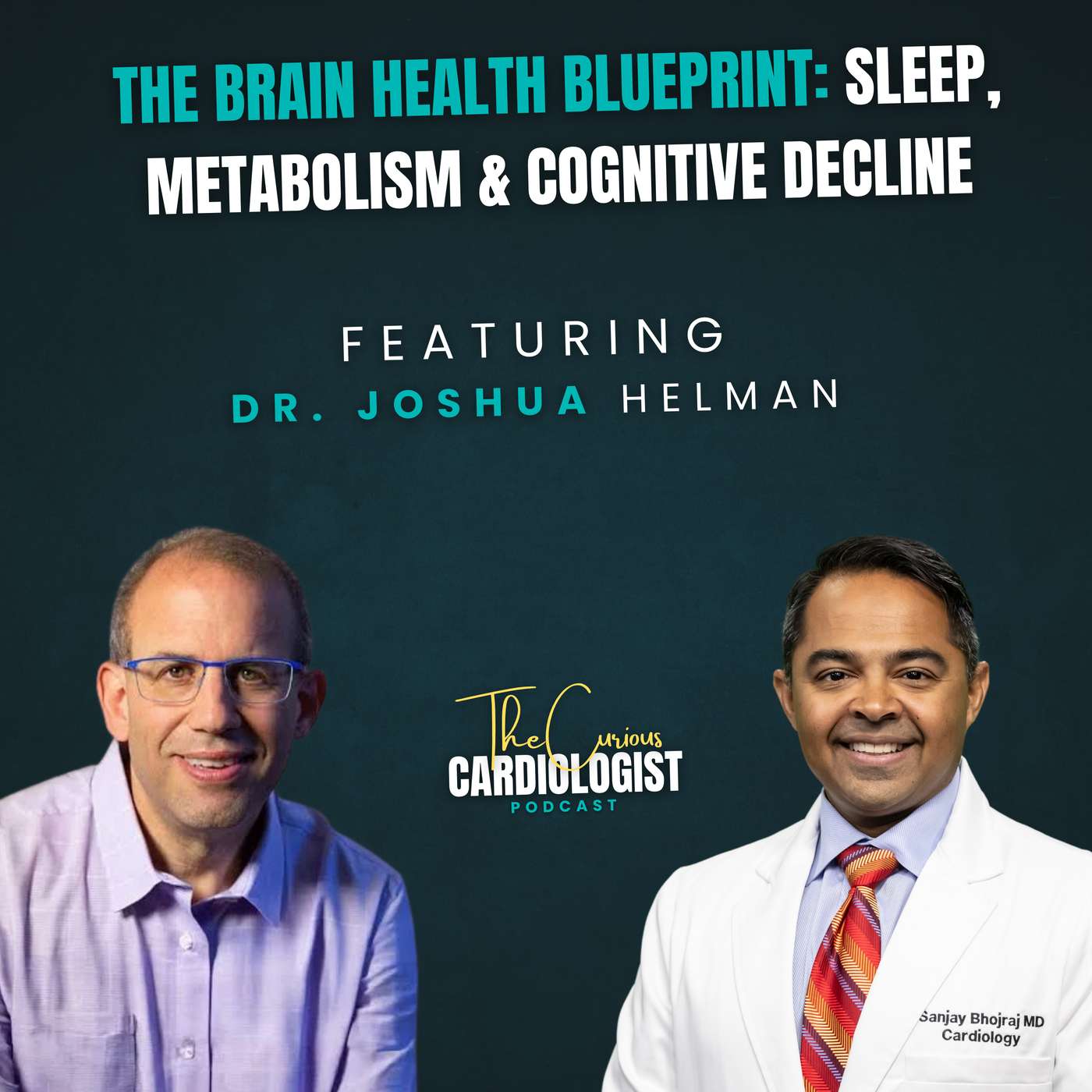
Can Alzheimer’s disease be reversed—or is cognitive decline simply an inevitable part of aging?On this episode of The Curious Cardiologist, Dr. Sanjay Bhojraj sits down with Dr. Josh Helman, an emergency medicine and lifestyle medicine physician focused on brain health and cognitive disease, to explore how sleep, metabolism, genetics, environmental exposures, and lifestyle may influence cognitive function.Dr. Helman shares how his grandmother’s experience with Alzheimer’s first shaped his interest in the disease, and how his clinical work led him to investigate the many factors that may contribute to cognitive decline. He describes his individualized approach to patients and explains why he believes there is reason to focus on brain health long before memory problems appear.In this episode, we discuss:Why Alzheimer’s risk may begin decades before symptoms appearThe role of deep N3 sleep and why Dr. Helman emphasizes formal sleep evaluationsGenetics, including APOE variants, and individual differences in riskMetabolic health, insulin resistance, and the brain’s use of energyEnvironmental exposures, including mold, heavy metals, and microplasticsHow exercise, strength, balance, social connection, and stress management support overall healthBrain-derived neurotrophic factor (BDNF) and the relationship between exercise and brain functionDr. Helman’s perspective on therapeutic plasma exchange and other interventions used in his practiceCognitive assessments and the importance of tracking objective changes over timeThe ongoing debate surrounding cholesterol, LDL, statins, and brain healthWhy hope, early action, and individualized medical care matterA key takeaway: Brain health is multifactorial. Genetics are only one part of the picture, and everyday habits—including sleep, physical activity, nutrition, and social connection—are important areas to discuss with your healthcare professional.About Dr. Josh HelmanDr. Josh Helman is a physician board-certified in emergency medicine and lifestyle medicine who focuses on cognitive health and Alzheimer’s disease. His work combines detailed assessment with individualized treatment strategies.Learn more:Website: https://drjosh.comPrograms and supplement information: https://drjosh.com/programSocial media: Green Brains MDIf you found this conversation valuable, please like, subscribe, and share your thoughts in the comments. What would you like us to explore in a future episode?
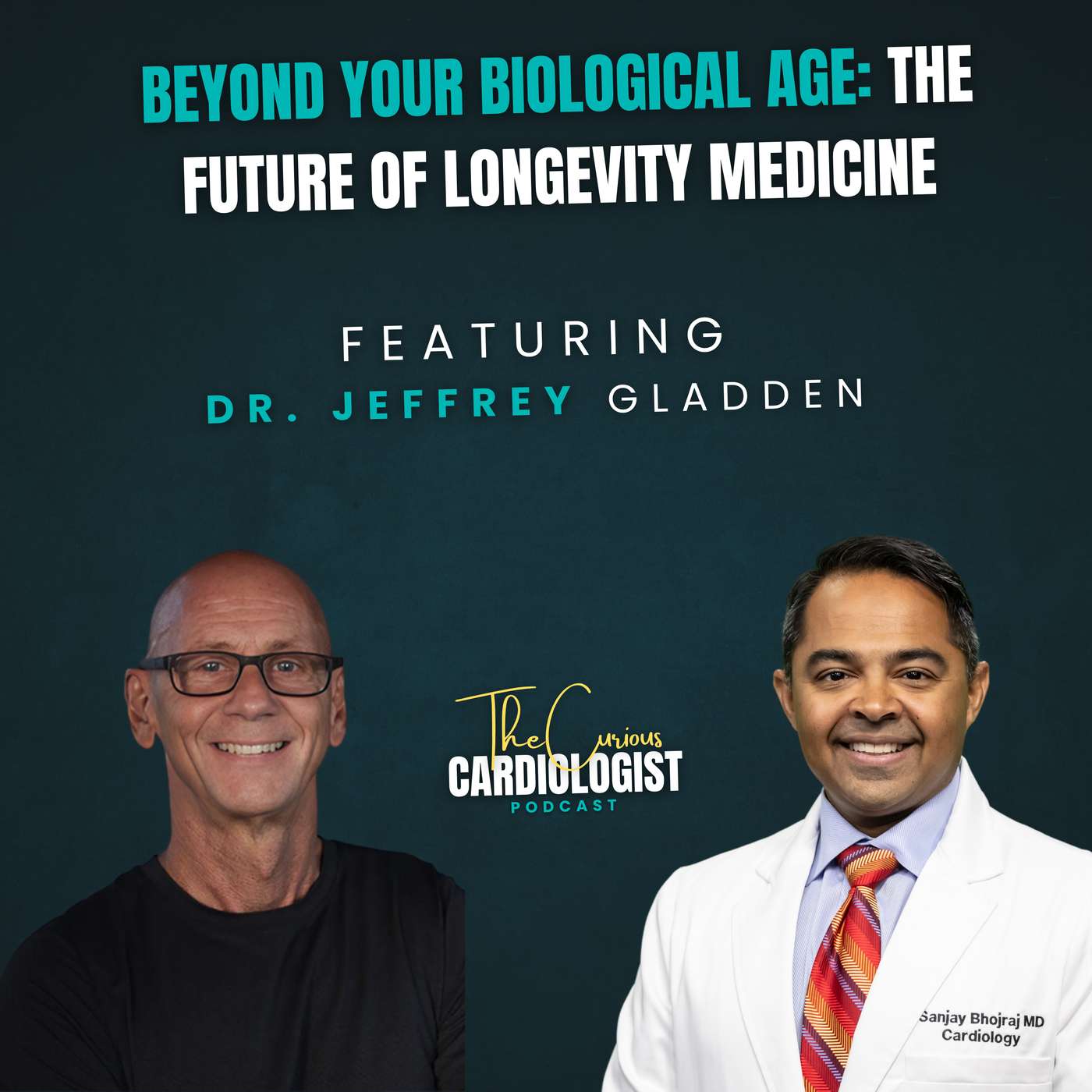
What if aging didn't have to mean an inevitable decline in energy, strength, cognition, and performance?In this episode of The Curious Cardiologist, Dr. Sanjay Bhojraj sits down with Dr. Jeffrey Gladden, an interventional cardiologist who transitioned into functional, integrative, and longevity medicine after experiencing his own health challenges.After approximately 25 years practicing interventional cardiology, Dr. Gladden began experiencing persistent fatigue, weight gain, loss of strength, brain fog, anxiety, and depression. When his initial medical evaluation suggested that his results were normal for his age, he decided to investigate further.That personal journey changed his approach to medicine and led him to explore a more individualized model of health—one that considers multiple biological systems, personal risk factors, physical performance, psychological well-being, and the environments that shape our habits.Together, Sanjay and Dr. Gladden discuss why treating disease is different from optimizing health, why one test cannot tell the whole story, and how emerging technologies could transform the future of personalized longevity care.In this episode, you'll learn about:Dr. Gladden's transition from interventional cardiology to longevity medicineHis personal health journey and the search for answers beyond “normal for your age”Why personalized medicine looks beyond population averagesThe role of genetic differences and individual responses in health decisionsThe relationship between stress, trauma, mental health, and physical healthThe five areas Dr. Gladden uses to organize his approach to longevityWhy physical fitness involves the nervous system, coordination, and balance—not just muscleResilience, robustness, and the idea of becoming stronger after challengesHormesis: the concept of beneficial adaptation to certain forms of stressWhy biological aging is more complex than a single numberHow AI, quantum computing, and digital twins might support personalized health optimizationThe emerging role of technology in understanding individual biologyWhy purpose, relationships, and psychological well-being belong in the longevity conversationThe five areas of Dr. Gladden's longevity frameworkDuring the conversation, Dr. Gladden describes five interconnected areas:Life energy: Psychological and spiritual well-being.Longevity: The biological processes associated with aging.Health: Understanding and addressing health issues.Performance: Strength, speed, agility, balance, flexibility, and cardiovascular capacity.Environments: Designing surroundings and routines that make healthy behaviors easier to maintain.The broader goal is to understand the individual more completely instead of relying on a single metric or a one-size-fits-all approach.About Dr. Jeffrey GladdenDr. Jeffrey Gladden is a physician focused on longevity and personalized health. His work explores biological aging, health optimization, physical performance, and the relationship between psychological well-being and biology.He is the author of 100 Is the New 30 and host of the Gladden Longevity Podcast.Website: https://gladdenlongevity.com/Book: 100 Is the New 30Podcast: Gladden Longevity PodcastJoin the conversationWhat do you think matters most for healthy aging: physical fitness, personalized testing, mental and emotional well-being, or the environment in which we live? Share your thoughts in the comments and subscribe to The Curious Cardiologist for more conversations about health, longevity, and the future of medicine.

What happens when the healthcare system isn't designed for the kind of health problems we're facing today?In this episode of The Curious Cardiologist, Dr. Sanjay Bhojraj sits down with Dr. Efrat LaMandre, a nurse practitioner with a PhD and a voice in the conversation around healthcare disruption, functional medicine, patient advocacy, and medical gaslighting.Together, they explore the tension between conventional medicine and emerging approaches to chronic disease—and why the goal shouldn't necessarily be to reject conventional medicine, but to understand where different approaches may be useful.They discuss what medical gaslighting can look like, why patients sometimes stop questioning their healthcare providers, and how patients can become more informed advocates for themselves and their families.Dr. Efrat also shares personal and professional experiences that shaped the way she thinks about diagnosis, chronic illness, nutrition, and the doctor-patient relationship, while Dr. Sanjay reflects on a patient experience that fundamentally changed how he approached symptoms in women.The conversation also moves beyond the exam room into the economics of healthcare, including insurance, prior authorization, and the financial pressures that can influence how care is delivered.In this episode, we discuss:• How medical training has shaped modern healthcare• Where conventional medicine works—and where patients may experience gaps• Acute care vs. chronic disease management• What medical gaslighting can look like in practice• Why patients sometimes struggle to advocate for themselves• The importance of asking questions and seeking second opinions• The difference between information and wisdom• Why clinicians need to keep learning and evolving• Dr. Efrat's personal experiences with diagnosis and nutrition• The patient stories that changed how both doctors practice• How healthcare hierarchy can affect patient behavior• Why trusting your instincts can matter when something doesn't feel right• How insurance and financial incentives can influence patient care• The importance of finding a healthcare professional you trustAbout Dr. Efrat LaMandreDr. Efrat LaMandre is a nurse practitioner with a PhD who works at the intersection of healthcare, education, patient advocacy, and medical disruption. She is also the author of It's Not In Your Head, which she discusses during the episode.Learn more about Dr. Efrat LaMandre:https://www.drefratlamandre.com/

Comments

Download from Google Play

Download from App Store
 United States