


 Claim Ownership
Polity.org.za Audio Articles
Subscribed: 20Played: 5,204
Subscribe

Description
Polity.org.za offers a unique take on news, with a focus on political, legal, economic and social issues in South Africa and Africa, as well as international affairs. Now you can listen to the top three articles on Polity at the end of each day.
1003 Episodes
Reverse
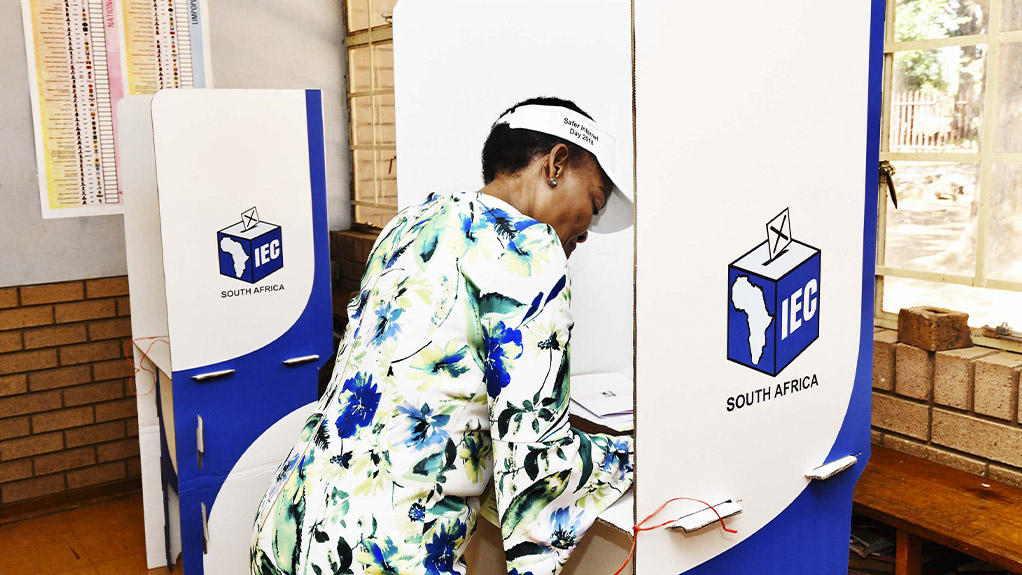
AI, ultra-cheap disinformation threatens voter trust – experts
As South Africa prepares for the highly anticipated local government elections, the intersection of AI, political campaigning, and digital disinformation has triggered intense national scrutiny.
At a recent high-level roundtable focused on combating fake news, public officials and independent fact-checkers converged to sound the alarm on a rapidly evolving digital landscape that threatens to compromise voter trust.
Speaking at the roundtable, Sandile Nene of the Government Communication and Information System (GCIS) reflected on the challenges governments face when communicating in a modern digital era.
According to Nene, South Africa has plunged headfirst into the "attention economy" – an environment defined by "content everywhere" where algorithms aggressively dictate what citizens see and believe.
For the GCIS, cutting through this algorithmic noise is not just a strategic objective; it is a constitutional and socioeconomic obligation.
"There is always a correlation between an informed society and economic development," Nene explained, citing historical frameworks from the World Summit on the Information Society and mandates within South Africa's National Development Plan (NDP).
"Information received from print, electronic, and broadcast media is vital for an informed citizen. That becomes our responsibility."
However, this mandate faces severe headwinds. Global trust deficits in public institutions and traditional media are opening the floodgates for unethical AI exploitation.
The stakes are uniquely high for South Africa, with a global study by Accenture indicating that South Africa stands to benefit by roughly R1.3-trillion if it can successfully roll out ethical AI frameworks.
Yet, the unintended consequences of unregulated AI present an immediate danger, Nene said.
GCIS data highlights that roughly 29-million South Africans live at the "bottom of the pyramid." Classified as information-deprived within the government's segmentation model, these citizens often lack alternative means or tools to verify content, Nene explained.
To counter this, GCIS has established core partnerships with the Council for Scientific and Industrial Research and international digital platforms to drive content moderation and takedown strategies.
Furthermore, the State relies heavily on its primary partnership with the Electoral Commission of South Africa to safeguard institutional legitimacy.
Nene warned against the "unspoken harm" of peer-to-peer sharing, where misleading content – such as fake election victory declarations – continues to spread organically via WhatsApp or Telegram even after being formally flagged or labelled.
He reminded citizens that under domestic law, individuals can be held legally accountable for resharing or liking harmful content that incites violence or generates mass confusion.
While government focuses on systemic policy adjustments, independent monitoring groups are tracking how these threats manifest in real time.
Experts from Africa Check and the Centre for Analytic Behavioural Change (CABC) provided a stark look at the tactical realities of the digital battlefield.
Africa Check researcher Cayley Clifford emphasised a surprising nuance: while public anxiety surrounding advanced AI is high, South Africa's disinformation ecosystem is already thriving using basic techniques.
Most of misleading content relies on "false context" – genuine, unedited images or videos stripped of their original backgrounds and repurposed to deceive.
When AI is deployed, Clifford drew a sharp distinction between two tiers of manipulation, noting that highly convincing deepfakes remain relatively rare owing to the advanced technical skills and steep computational resources required to produce them.
Clifford said clumsy fabrications are highly prevalent. Created rapidly using free online software, these are easily spotted by their poor lip-syncing, distorted details, or gene...

South Africa risks return to money-laundering grey list
South Africa faces a significant risk of returning to the Financial Action Task Force's grey list barely a year after it secured removal, according to the latest quarterly assessment from business lobby group Business Leadership South Africa (BLSA).
The FATF grey list names countries under increased monitoring for weaknesses in fighting money laundering and terrorist financing. A return to the list would increase scrutiny of South African financial transactions, raise compliance costs for banks and businesses, and risk some international banks pulling back from correspondent relationships — making cross-border payments and trade finance slower and more expensive.
South Africa spent more than two years on the list before its removal and business groups warned at the time that the listing had deterred foreign investment.
The BLSA Reform Tracker, presented on Wednesday in a briefing, found that the country's corruption reform score was unchanged at 51.2 in the July-September quarter, with no deliverables advancing in the anti-corruption area.
South Africa's National Treasury, which has led the anti-corruption efforts, didn't immediately respond to a request for comment.
A score of 51.2 means anti-corruption reforms are on average stuck at the halfway mark, well below the overall reform score of 72.5.
"We are at risk of re-entering that grey list. There is significant risk," Stuart Theobald, executive chairman of research consultancy firm Krutham, which compiles and analyses the tracker, told a media briefing.
Ismail Momoniat, the National Treasury adviser who led South Africa's campaign to exit the grey list in October 2025, has also flagged the danger, with anti-corruption the weak point, the tracker said.
South Africa is undergoing a new mutual evaluation by FATF, with a peer review expected in the first quarter of 2027 and the assessment running through October of that year. The evaluation will examine whether the country has sustained the increase in investigations and prosecutions of money-laundering networks that secured its removal.
BLSA said weaknesses in law enforcement — in investigating organised crime, prosecuting successfully and recovering criminal assets — could count against South Africa. The state-appointed Madlanga inquiry into alleged corruption and interference in law enforcement has added to concerns after uncovering leadership failings in the police and intelligence services.
"We cannot afford to become complacent, particularly when the weaknesses in our criminal justice institutions, investigations, prosecutions, remain unresolved," BLSA CEO Busi Mavuso said.
Despite the grey list warning, the broader reform tracker recorded its highest score since monitoring began in March 2024, with the overall completion index rising to 72.5 from 71.3 in the previous quarter.
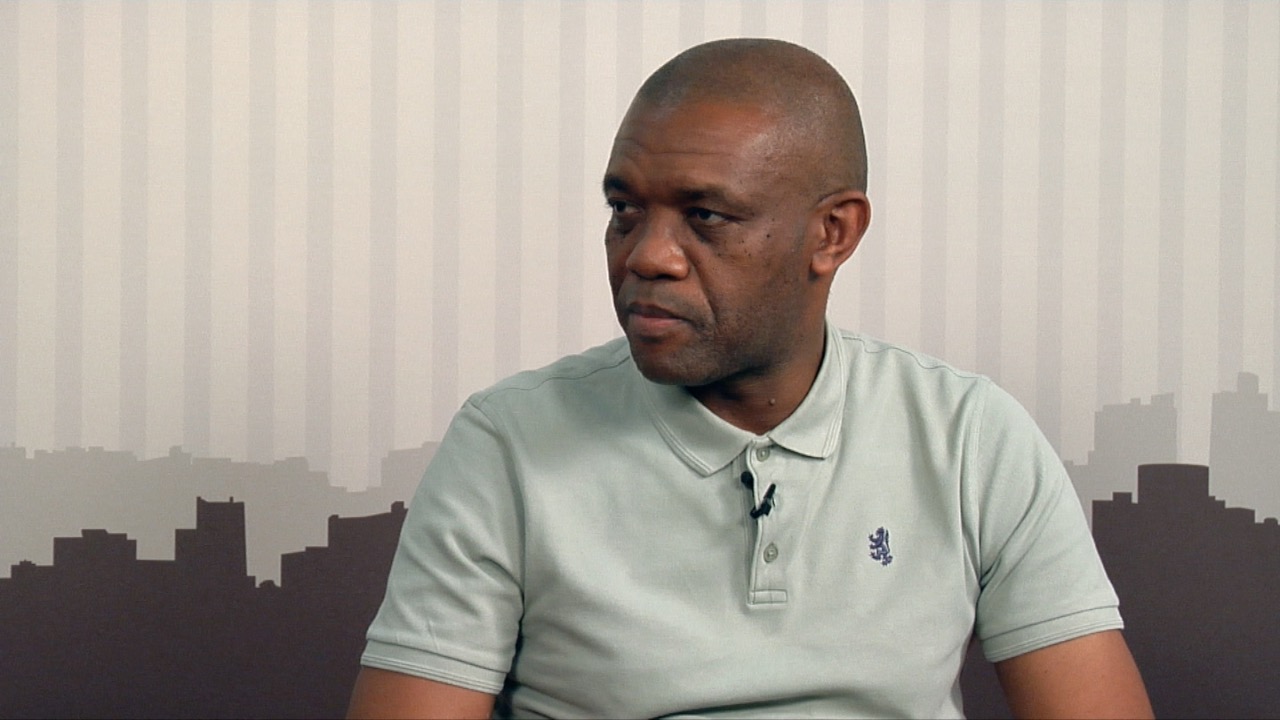
RISE Mzansi, GOOD to merge at 'earliest opportunity', as Zibi punts systemic change in final election push
As South Africa prepares for the November Local Government Elections, Polity is engaging with political parties contesting the elections in a series of interviews to examine their manifestos, policy priorities and plans for local government.
As political parties make their final pledges for change ahead of next week's local government election, RISE Mzansi is campaigning on the need for systemic change to solve South Africa's most pressing issues.
Speaking exclusively with Polity, RISE Mzansi leader Songezo Zibi highlighted the importance of spatial justice, accessible public transport and ensuring that people live as close as possible to their places of work.
"All of these things are interlinked. You can't just solve one. What defines both the legacy of the ANC and the DA is that they tend to speak about these things as totally disconnected things. And that's a conversation we've been having with South Africans for the last few months," he said.
He also noted the importance of having "quality people" solving "dysfunction" in the country.
Sharing the ideals and policies of RISE Mzansi, the GOOD Party will be contesting the 2026 election with Zibi's party.
He explained that in Gauteng, GOOD Party candidates are campaigning under the banner of RISE Mzansi, while in the Western Cape RISE Mzansi are on the GOOD Party list.
Zibi described both parties as socially democratic, with "exceptionally few differences".
While the parties were not able to merge ahead of the elections, Zibi says that is a statutory issue.
"When you get elected, say in 2024, that's a legal contract with the people of South Africa. You can't dissolve until the end of the term, because if we were to form a new party right now, that new party was never on the ballot. It can't be in Parliament. So we have to exist like this until 2029. But that really is just a statutory issue. Otherwise, we will merge at the earliest available opportunity," Zibi announced.
COALITIONS AND ACCOUNTABILITY
South Africa must get used to coalitions, Zibi believes. He predicts another 20 years of multi-party governance, and expressed amusement at parties that believe they will win outright.
While RISE Mzansi will not steer clear of any particular party in coalition negotiations, he stressed the need for a governing programme.
"The difficulty with that, you then dismiss a significant percentage of the electorate. And we create unnecessary deadlocks in the system. Let's rather premise it on a transparent agreement. And setting minimum standards, both in terms of leadership and performance," he said.
When asked how voters could hold the party accountable to the promises made, Zibi said ward councillors will be the main points of contact.
He said the quality of engagement that residents have with councillors is important. RISE Mzansi pledges to monitor the response times of councillors to residents' queries.
Another priority is the party's ability to deal with crime and inadequate infrastructure.
"Those are two big ones. They kill business, both of them. Poor infrastructure and a lot of crime and lack of safety, plus non-adherence to bylaws. You tighten those up, you begin to see the city turning around in that people have more confidence in investing in the city," Zibi said.

Ramaphosa receives final report on Iran's participation in naval exercise
President Cyril Ramaphosa has officially received the final report from the independent panel appointed to investigate naval drills known as "Exercise MOSI III: Will of Peace."
The Presidency confirmed that the panel, chaired by retired Justice Bernard Ngoepe, concluded its probe into how Iran's navy participated in the joint exercises despite explicit instructions from the President prohibiting it.
The investigation was instituted in February 2026 following an apparent breakdown in the command structure during the Chinese-led "Will of Peace 2026" drills held in South African waters.
Ramaphosa had previously issued a direct instruction requesting that Iran withdraw and no longer participate in the joint exercise.
When that directive was openly ignored, the President instituted an urgent, high-level panel to uncover how and why his executive instructions failed to filter down through the military and State structures.
The independent panel reporting directly to Ramaphosa comprised prominent legal and military figures, including, chairperson Justice Bernard Ngoepe and panel members Justice Kathleen Satchwell, Justice Mashangu Monica Leeuw, and Rear Admiral (Junior Grade) Patrick Duze.
While initially given a strict mandate of one calendar month to finalise their investigation, the panel successfully argued for an extension, presenting evidence that more time was required to properly assess the security breaches and logistical timeline.
Because the investigation touches directly on defence operations, international diplomatic relations, and intelligence protocols, the Presidency has noted that the panel's findings remain confidential owing to national security concerns.
Ramaphosa has expressed his gratitude to Ngoepe and his team for their "dedication and diligence".
The Presidency said Ramaphosa will be processing the report and carefully consider its recommendations.
Hill-Lewis warns against 'coalition chaos', urges Capetonians to secure DA majority
Ahead of next week's highly anticipated local government elections, DA leader and Cape Town mayoral candidate Geordin Hill-Lewis has issued a strong warning to residents against splitting their votes, urging them to keep "coalition chaos" out of the city by voting for the DA.
Speaking at a campaign announcement in Blouberg on Tuesday, Hill-Lewis argued that voting for smaller parties risks opening the door for an ANC and EFF "takeover".
He pointed to the political instability that has severely impacted Johannesburg as a cautionary tale of what could happen if a single party does not secure a decisive mandate.
"With just days to go, I am asking personally for Capetonians' support so that, together, we can take Cape Town forward for everyone," Hill-Lewis said.
"Currently the race for Cape Town is close. Cape Town's progress is on the ballot. And there is no such thing as a safe majority if the people who support it stay at home. Polling puts the DA on 51% in Cape Town, and this election is too close for comfort," he added.
Reflecting on his past five years in office, Hill-Lewis highlighted the city's recent achievements, including the addition of 418 000 jobs, the deployment of more law enforcement officers, and extensive infrastructure investment.
Looking forward, he outlined the DA's plan for the next five years, which includes establishing a dedicated Metro Police Detective Unit and cutting bureaucratic red tape to foster business growth and job creation.
He said a DA-led government would replace 100 km of water pipes and 100 km of sewer pipes yearly and source cheaper electricity from independent power producers to lower costs for residents.
"Serving as your mayor these past five years has been the greatest honour of my life," Hill-Lewis stated.
The Cape Town address follows a major address by Hill-Lewis on Sunday at the DA's KwaZulu-Natal final election rally in eThekwini. Highlighting recently released final polling data, Hill-Lewis claimed the DA is on the verge of making national history.
According to Hill-Lewis, the polling shows the DA within a few percentage points of overtaking the ANC to become the largest political party in South Africa, while leading in five of the country's major metropolitan areas.
He added that hundreds of thousands of citizens are planning to vote for the DA for the first time.
Turning his focus to the highly contested eThekwini metro, Hill-Lewis framed the mayoral race as a direct, two-party contest between the DA and the MKP.
"There are only two parties in this fight. And only the DA is big enough to stop the beautiful city falling to the destruction of MKP," Hill-Lewis said, rallying Durban residents to unite behind the DA to secure a DA-led government.
He warned supporters to expect "political desperation" from the ANC as voters migrate away from the ruling party.
"They will use every dirty trick in the book to make sure they stay in office," he alleged, urging voters to remain vigilant as the country heads to the polls next week.

Comments

Download from Google Play

Download from App Store
 United States