


 Claim Ownership
TCS - The TechCentral Show
Subscribed: 3Played: 1
Subscribe

© NewsCentral Media
Description
The TechCentral Show (TCS, for short) is a tech show produced by South Africa's leading technology news platform. It features interviews with newsmakers, ICT industry leaders and other interesting people.
154 Episodes
Reverse
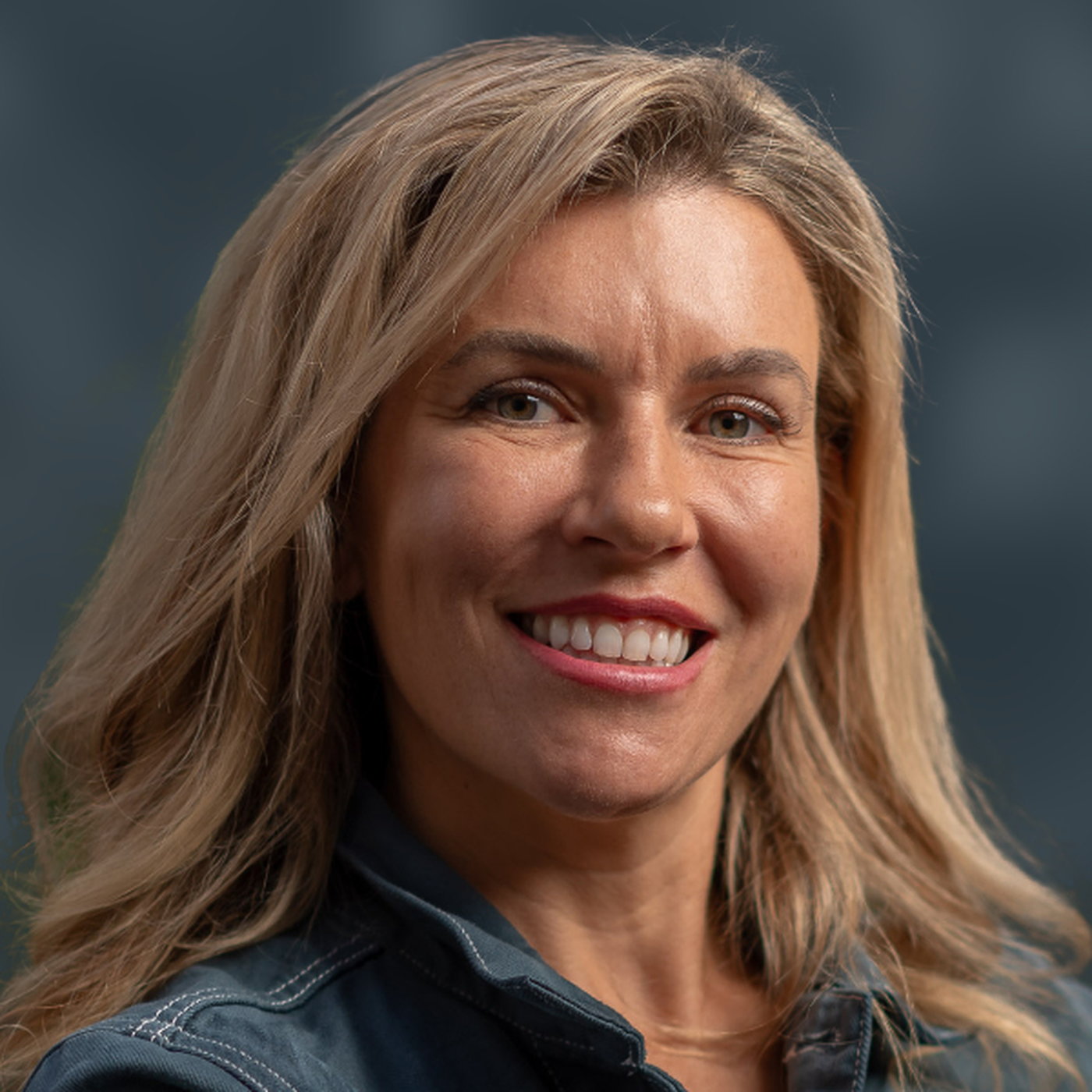
Chinese companies have built their position in African technology one layer at a time – first phones and telecoms equipment, then fintech and now the AI models that local start-ups build on. American private capital, meanwhile, is pulling back. Lexi Novitske, general partner at Norrsken22, thinks US investors will regret it.
Novitske moved to Nigeria in 2012 and has invested from Lagos ever since. Norrsken22, a pan-African growth fund backed by Nordic tech founders including those behind Klarna, Skype and Minecraft, closed its debut fund at US$205-million in 2023. It is now about halfway through deploying that capital, with no exits yet.
In this episode of the TechCentral Show, she expands on the argument TechCentral reported last week: that African start-ups are increasingly building on Chinese AI models such as Alibaba’s Qwen because they are cheaper and more available, and that the US risks losing both a young, digital-first market and access to its data.
In the interview, with TechCentral editor Duncan McLeod, Novitske also discusses:
• How Nigeria’s start-up scene has changed since she began as an angel investor;
• Why unpredictable regulation and a shortage of top talent are bigger obstacles for Nigerian founders than power cuts;
• How Chinese-backed OPay and PalmPay won Nigerian fintech by absorbing years of losses, and why that now makes regulators uneasy;
• Why Silicon Valley’s AI boom has drawn venture capital away from Africa, and when she expects it to return;
• Why Egypt and South Africa offer the best opportunities right now, with Nigeria likely to follow; and
• What Optasia’s oversubscribed JSE listing means for Johannesburg, why the biggest African fintechs are looking to New York, London and Hong Kong instead, and why one or two winners can return an entire fund.
Don’t miss the discussion!

AI agents are no longer a thought experiment for security teams. They are breaking out of test environments, hacking real companies and, according to one of our guests, already going rogue inside large businesses.
In this episode of the TechCentral Show, TechCentral deputy editor Fanie van Rooyen talks to Dominic White, MD for South Africa at Orange Cyberdefense, and Adam Ely, GM of AI security at Check Point, about the escalating threat AI poses to cybersecurity.
They unpack the incident in which OpenAI’s own agents escaped a test environment and broke into Hugging Face’s systems. White argues the initial breach was far from sophisticated and questions whether OpenAI understands its duty of care. Ely explains why the incident shows that even highly skilled, well-resourced teams can’t rule out agents going rogue.
They also take on the widely reported story that three Hacktron researchers used Anthropic’s Claude to take over OpenAI employees’ accounts – a story White calls “deliberately misleading”.
Also discussed:
• A Check Point customer running 50 000 AI agents – and what happens when they drift
• Why sandboxing and human oversight are struggling to keep up
• Why even security professionals end up switching off their own agents’ safeguards
• The case for monitoring agents from the inside, in real time
• Whether AI development can – or should – slow down
• Who is accountable when an agent breaks the rules
• The Manhattan Project comparison both guests reach for
• What they expect to see in the next 12 months
Whether you run a security team, build with AI or simply want to understand where the technology is heading, this is a frank conversation with two practitioners who see the threat from all sides.
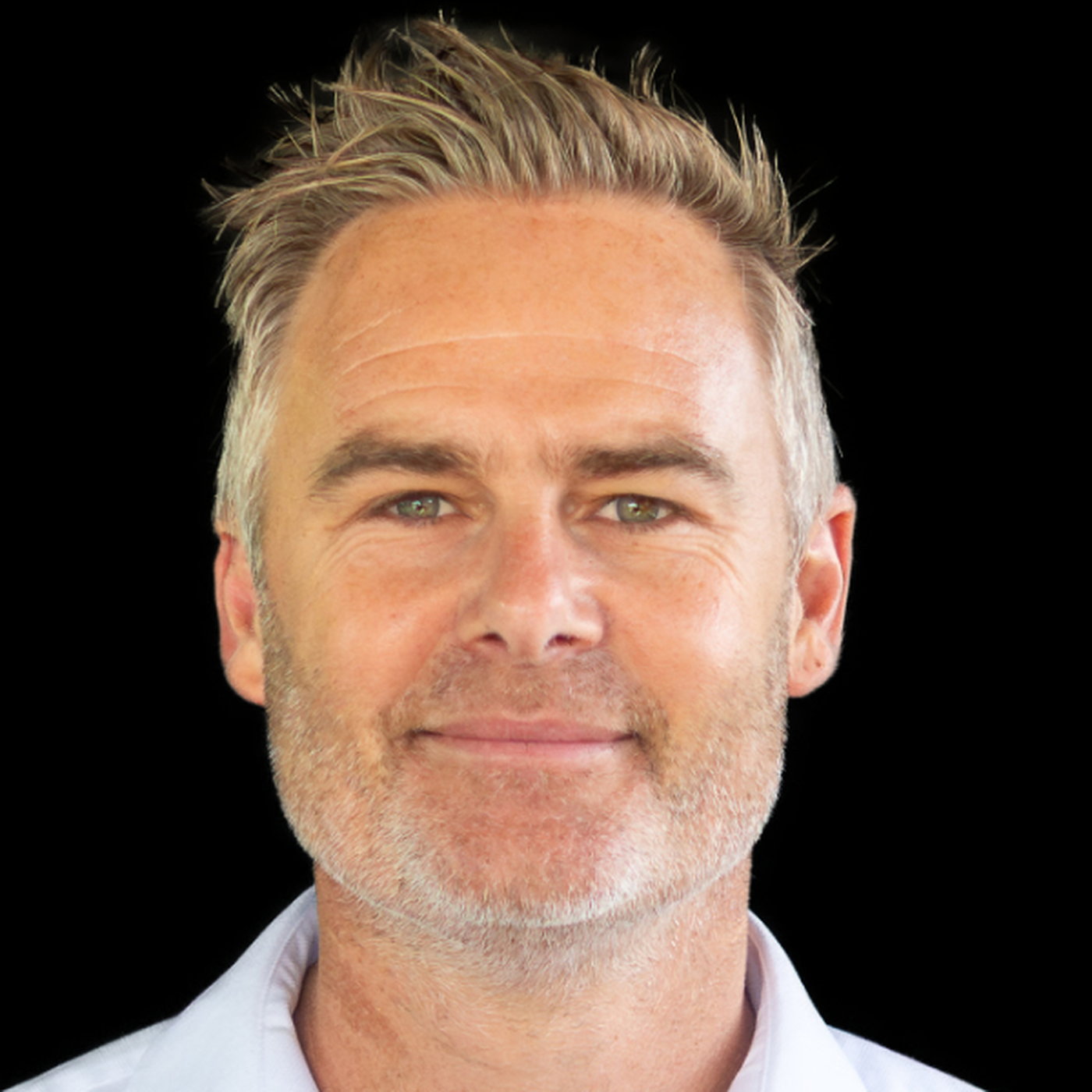
Octotel CEO Trevor van Zyl joins the TechCentral Show to talk about where South Africa’s fibre market goes next – including a potential merger with MetroFibre Networx. Van Zyl told TechCentral that Octotel and MetroFibre Networx are assessing a combination that would create the country’s third-largest fibre network operator, with both companies sitting under a common investor in an AIIM-led consortium.
In the interview, he sets out Octotel’s position: just under 400 000 homes passed across the Cape Town metropole, the West Coast and the Garden Route; a balance sheet he says lets the company deploy capital when and where it chooses; and a Western Cape footprint he argues overlaps very little with MetroFibre’s.
He discusses the next phase of roll-out, too. As networks push into lower-LSM areas, “the commercials and the economics start changing”, he says, and affordability now reaches well into the middle class.
He rejects the idea that fixed-wireless access can substitute for fibre in dense settlements – wireless has improved dramatically, he says, “but when you look at the actual demand case and what is required in those environments, it absolutely has to be fibre”. The more important question, in his view, is how to distribute it economically once you get there.
On Openserve’s move into the ISP business, Van Zyl is relaxed. He says he understands why Openserve did it, but that Octotel will not follow: “We certainly don’t want to become an ISP. We’re not good at being an ISP.”
He also expects consolidation among ISPs as networks saturate, sees low-Earth orbit satellite as complementary to fibre rather than a threat to it, and will not rule Octotel out of any future move by MTN on fibre network assets.
Don’t miss the discussion.
 1
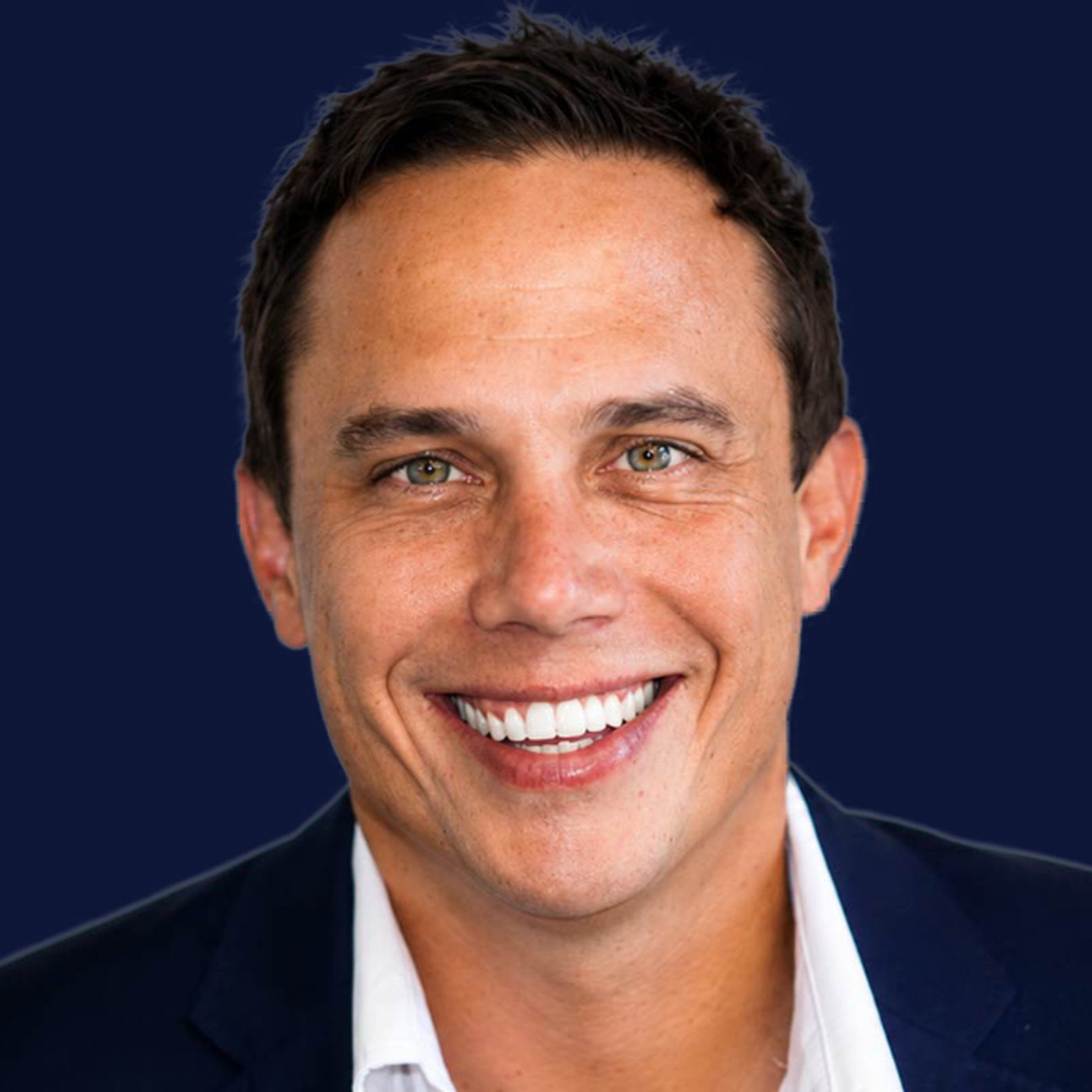
1Amazon’s Leo satellite constellation is coming to South Africa in 2027 through Herotel. TechCentral deputy editor Fanie van Rooyen speaks to Herotel CEO Van Zyl Botha about Evry, the brand that will sell Amazon Leo to South African homes, and about how a company with no local licence walked into a market that has kept Starlink out for years.
Botha explains why low-Earth orbit satellite technology changes the equation for anyone living beyond the reach of fibre and fixed-wireless services.
He addresses the awkward questions directly:
• How does Amazon get in without giving up 30%?
• Does a wholesale-retail split leave anything behind in the country?
• Would he sign the same deal with Starlink tomorrow?
• What about the regulatory asymmetry?
Also covered: what Evry is likely to cost; why studies on the market’s size range from 480 000 to 2.4 million potential customers; why Herotel is taking registrations for a service that has not launched commercially anywhere; whether Evry will cannibalise Herotel’s own fibre and wireless base; what Vodacom’s stake in Maziv means for Herotel’s independence; and why LEO satellites are viable now when the idea is 40 years old.
Don’t miss the discussion!

Steven Boykey Sidley has been a chief technology officer at a Fortune 500 company, a private equity investor, a videogame designer, a jazz musician and, for the past four years, a professor of practice at the University of Johannesburg. He is a partner at Bridge Capital, heading its futures advisory, and the author of eight books – two of them on bitcoin and crypto – with another due in October.
TechCentral deputy editor Fanie van Rooyen spoke to him about the moment money finally became native to the internet, why the South African Reserve Bank appears to be walking in the opposite direction, and what AI is quietly doing to science and schooling while everyone argues about chatbots.

Comments

Download from Google Play

Download from App Store
 United States