


 Claim Ownership
The Autoimmune Wellness Podcast
Subscribed: 27Played: 181
Subscribe

© Copyright Trescott LLC
Description
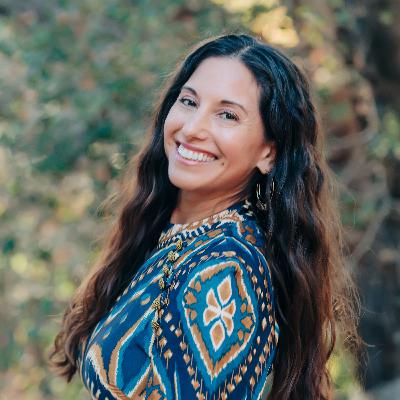
The Autoimmune Wellness Podcast is brought to you by Mickey Trescott, MSc., a functional nutritionist, chef, and author of three best-selling books: The Autoimmune Paleo Cookbook, The Autoimmune Wellness Handbook, and The Nutrient-Dense Kitchen. After personally navigating life with Hashimoto’s disease and celiac disease, Mickey is passionate about empowering others to take charge of their health. She is the creator of the AIP Certified Coach Practitioner Training Program and co-founder of Autoimmune Wellness, a platform dedicated to helping people find a path to healing using the Autoimmune Protocol (AIP). Her approach blends evidence-based principles from both natural and conventional medicine to give those with autoimmune disease their best chance at a vibrant, healthy life.
This podcast was originally co-hosted with Angie Alt, NTC, CHC, who helped launch the show and contributed significantly to its early success through her advocacy and personal story of living with endometriosis, lichen sclerosis, and celiac disease.
For more information on the Autoimmune Protocol (AIP), visit autoimmunewellness.com.
This podcast was originally co-hosted with Angie Alt, NTC, CHC, who helped launch the show and contributed significantly to its early success through her advocacy and personal story of living with endometriosis, lichen sclerosis, and celiac disease.
For more information on the Autoimmune Protocol (AIP), visit autoimmunewellness.com.
93 Episodes
Reverse

Episode 96: Understanding Food Reactions: Why Foods Affect People DifferentlyOne of the central goals of the Autoimmune Protocol is figuring out which foods work for you and which ones don’t. But when a symptom appears after eating a food, what actually counts as a food reaction—and does every reaction mean the same thing?In this episode of the Autoimmune Wellness Podcast, Mickey Trescott explores the science of food reactions and why they can look so different from person to person. She breaks down the major categories of reactions, including food allergies, celiac disease and non-celiac gluten sensitivity, digestive intolerances, and reactions to specific compounds in foods.Mickey also explains why a reaction and its underlying mechanism aren’t necessarily the same thing, and why that distinction matters when personalizing your diet. She explores how dose, timing, preparation, digestive function, and other factors can influence food tolerance, plus why a reproducible reaction can still provide useful information even when science can’t yet explain exactly why it happens.In this episode, you'll learn:The many ways a food reaction can show up, including changes in autoimmune symptomsThe difference between a food reaction and its underlying biological mechanismHow food allergies, celiac disease, food sensitivities, and digestive intolerances differWhy dose, timing, preparation, and digestive function can influence food toleranceHow compounds like histamine and sulfites can trigger symptoms in some peopleWhy meaningful food reactions can occur even when we don’t fully understand the mechanismWhy food reactions can be difficult to identify when symptoms fluctuateHow AIP elimination and reintroduction help identify the foods that work for youResources:The Autoimmune Protocol: theautoimmuneprotocol.comThe New Autoimmune Protocol by Mickey TrescottEpisode Timeline:00:00 – Understanding what constitutes a food reaction03:24 – What can a food reaction actually look like?07:29 – Food allergy: When the immune system reacts to food15:22 – Gluten reactions: Celiac disease and non-celiac gluten sensitivity21:54 – Food intolerances: When digestion and absorption are the problem27:35 – Reactions to compounds in food: When it isn’t the food itself35:37 – Why food reactions can be so hard to figure out40:06 – Bringing it back to AIP: Finding the foods that work for you42:06 – Wrap-up and closing
Episode 95: Understanding Perimenopause: A Beginner’s Guide with Dr. Mariza SnyderPerimenopause can feel especially confusing when you’re already living with autoimmune disease. Changes in sleep, mood, energy, inflammation, cognition, and even how your body responds to familiar strategies can leave you wondering: Is this an autoimmune flare, perimenopause, or both?In this episode of the Autoimmune Wellness Podcast, Mickey Trescott is joined by functional medicine practitioner, bestselling author, and women’s hormone health expert Dr. Mariza Snyder for a Perimenopause 101 conversation designed to help women understand what’s actually happening during this transition.Together, they explore when perimenopause can begin, the surprising symptoms that often appear before cycle changes, and why fluctuating estrogen and progesterone may be especially disruptive for women managing autoimmune disease. They also discuss the foundational role of nutrition, sleep, strength training, metabolic health, and stress resilience, plus where hormone replacement therapy may fit into a personalized approach.In this episode, you'll learn:What perimenopause is and why it can begin as early as the late 30sWhy symptoms can appear years before noticeable menstrual cycle changesCommon early symptoms, including anxiety, irritability, brain fog, sleep disruption, and mood changesWhy perimenopause and autoimmune flares can be difficult to distinguishHow estrogen and progesterone interact with immune regulation and inflammationWhy strategies that worked for years may suddenly feel less effectiveHow tracking symptoms alongside your menstrual cycle can reveal important patternsWhy blood sugar regulation, nutrition, sleep, strength, and stress resilience matter in perimenopauseDr. Mariza’s “landing the plane” strategy for improving your nighttime routineHow to advocate for better perimenopause care and know when to seek additional supportWhere hormone replacement therapy may fit alongside foundational lifestyle strategiesWhy your needs may continue to change throughout the perimenopause transitionResources:Book: The Perimenopause RevolutionThe Perimenopause Revolution resources: drmariza.com/bookPodcast: Energized with Dr. MarizaEpisode Timeline:00:00 – Why perimenopause can be confusing with autoimmune disease03:16 – Introducing Dr. Mariza Snyder04:28 – Perimenopause 101: What are we dealing with?10:28 – Common and surprising symptoms of perimenopause17:14 – The perimenopause-autoimmune connection23:22 – Why old strategies can stop working in perimenopause28:27 – A foundational approach to perimenopause35:28 – Knowing when to dig deeper and advocate for care40:57 – Hormone replacement therapy in perimenopause46:09 – Hope for autoimmune women navigating perimenopause

Episode 94: Food Nomad — Navigating the Emotional Journey of Autoimmune Disease with Imei HsuFor many people, changing the way they eat because of autoimmune disease can feel like losing more than food. It can affect family traditions, cultural connection, travel, restaurants, and the simple feeling of belonging around a shared table.In this episode of the Autoimmune Wellness Podcast, Mickey Trescott is joined by Bernice Imei Hsu, registered nurse, licensed mental health counselor, National Board-Certified Health and Wellness Coach, and AIP Certified Coach, to explore the emotional and cultural journey of living with dietary restrictions.Five years after writing her Autoimmune Wellness article, "Bringing Culture Back to the Kitchen," Imei reflects on what she has learned about healing, reintroductions, adapting traditional foods, and becoming what she calls a "Food Nomad." Together, Mickey and Imei discuss why healing isn't simply about getting foods back. It's also about finding new ways to reconnect with culture, relationships, travel, and joy.In this episode, you'll learn:What Imei means by becoming a "Food Nomad"Why dietary restrictions can affect identity, culture, and belongingWhy adapting cultural recipes can take years of experimentationHow reintroducing foods like soy helped Imei reconnect with family traditionsWhat Imei learned from experimenting with gluten-free sourdough and other foodsWhy healing and food tolerance can continue evolving long after the elimination phaseWays to navigate family gatherings when you can't eat traditional foodsHow to give yourself permission to adapt traditions instead of perfectly recreating themWhat it means to become the "keeper of the food flame"Why grief around food and cultural traditions is a normal part of the autoimmune journeyHow to hold onto hope when you're still early in elimination or reintroductionsResources:Bringing Culture Back to the Kitchen – Imei's original 2021 article on Autoimmune WellnessImei Hsu on Instagram: @everydaywithimeiEpisode Timeline:00:00 – Food, identity, belonging, and autoimmune disease02:34 – Introducing Bernice Imei Hsu03:39 – What it means to be a "Food Nomad"06:17 – Revisiting "Bringing Culture Back to the Kitchen"13:21 – The long game of healing and food reintroductions18:19 – Gluten-free sourdough baking experiments25:58 – Bringing culture back into the kitchen31:48 – Food, belonging, and navigating relationships37:55 – Giving yourself permission to adapt tradition42:09 – Becoming the "keeper of the food flame"46:12 – Encouragement for anyone grieving foods or traditions48:24 – Wrap-up and where to follow Imei

Episode 93: Beyond the Studies — Results from the New Autoimmune Protocol CommunityWhat happens when people put the Autoimmune Protocol into practice—not in a clinical trial, but in real life?To celebrate the launch of The New Autoimmune Protocol, hundreds of readers joined a guided online community where they worked through the new Transition Phase, completed 30 days of either Core or Modified AIP, tracked their symptoms, and supported one another along the way.In this episode of the Autoimmune Wellness Podcast, Mickey Trescott shares the results from this unique community experience. While this wasn't a formal research study, the symptom improvements closely mirrored many of the findings from published AIP research—and the participant stories reveal the power of preparation, accountability, and community support.Together, these survey results offer a real-world look at what implementing AIP can look like, what people struggled with, what surprised them, and why healing is often about much more than food alone.In this episode, you'll learn:Why Mickey created a guided community alongside The New Autoimmune ProtocolWhat surprised her most about who joined the programWhy the new Transition Phase helped participants feel more prepared for eliminationHow overall autoimmune symptom severity changed after 30 daysWhich symptoms improved the most, including digestion, energy, sleep, pain, and brain fogThree standout participant stories that illustrate the range of real-world experiencesHow these community results compare with published AIP researchWhy symptom tracking is one of the most valuable tools during AIPThe importance of community support when implementing dietary changeHow to join the ongoing Autoimmune Protocol communityResources:The New Autoimmune Protocol – Mickey Trescott's updated guide featuring the Transition Phase, Core and Modified AIP, and personalized reintroductionsThe Autoimmune Protocol Community Episode 59: The First Published AIP Study in Inflammatory Bowel DiseaseEpisode 61: AIP and Hashimoto's Thyroiditis ResearchEpisode 63: AIP IBD Gene Expression StudyEpisode 65: New Hashimoto's Research from PolandEpisode 89: The First AIP Pilot Trial in Rheumatoid Arthritis with Julianne TaylorEpisode Timeline:00:00 – Introduction and overview of the community experience02:39 – Why Mickey created The New Autoimmune Protocol community06:38 – Who joined the community?09:45 – The new Transition Phase in action14:33 – What happened after 30 days?17:16 – Overall autoimmune symptom improvements19:12 – Energy and sleep results20:03 – Digestive health improvements21:53 – Joint pain and inflammation22:42 – Brain fog, skin, and other symptom changes23:59 – Three standout participant stories28:58 – Comparing community results to published research32:06 – Mickey's biggest takeaways36:26 – An invitation to join the ongoing community40:11 – Wrap-up and closing

Episode 92: Fiber, Gut Health & the Microbiome with Farzanah NasserFiber is having a moment—but for people with autoimmune disease, digestive symptoms, or a history of restrictive diets, it can also feel confusing.In this episode of the Autoimmune Wellness Podcast, Mickey Trescott is joined by UK-based naturopathic nutritionist, certified functional medicine practitioner, and author Farzanah Nasser to explore why fiber is one of the most overlooked nutrients in modern nutrition—and why it's so important for gut, immune, and overall health.Together, they discuss how fiber nourishes the gut microbiome, supports immune function, and helps produce beneficial anti-inflammatory compounds. They also dive into why increasing fiber sometimes causes digestive discomfort, how to introduce it gradually, and practical strategies for reaching the recommended 30 grams per day—even for those with sensitive digestion or autoimmune disease.In this episode, you'll learn:Why 96% of people aren't getting enough fiberHow fiber feeds the gut microbiome and supports immune functionThe difference between probiotics, prebiotics, and postbioticsWhy short-chain fatty acids are so important for gut and immune healthWhy increasing fiber too quickly can cause bloating and digestive symptomsPractical strategies for gradually increasing fiber intakeTips for improving bean tolerance through preparation methodsHow to approach fiber if you have IBS, IBD, SIBO, or sensitive digestionWhy mindful eating and proper digestion matter when increasing fiberFavorite high-fiber foods for the Autoimmune Protocol and Modified AIPWhat 30 grams of fiber actually looks like in a daySimple ways to build more fiber into everyday mealsResources:Website: https://farzanahnutrition.comInstagram: @farzanahnasser_nutritionBook: The Everyday High-Fiber PlanEpisode Timeline:00:00 – Why fiber matters for autoimmune health01:30 – Introducing Farzanah Nasser03:28 – Why fiber deserves a rebrand04:48 – What fiber is and why we need more of it07:11 – How fiber feeds the gut microbiome08:32 – Fiber, inflammation, and immune function10:51 – Why fiber sometimes causes digestive symptoms17:01 – Preparing beans for better digestion19:28 – Fiber for IBS, IBD, SIBO, and sensitive digestion23:16 – Optimizing digestion before increasing fiber25:38 – Favorite high-fiber AIP foods30:39 – What 30 grams of fiber looks like in real life37:04 – Favorite recipes from The Everyday High-Fiber Plan40:48 – Wrap-up and closing

Comments

Download from Google Play

Download from App Store
 United States