


 Claim Ownership
Get It, Together
Subscribed: 0Played: 0
Subscribe

© 2026 PartnerStack
Description
Over 50% of SaaS companies say partnerships are a top revenue driver, but the path to success isn’t always clear.
On this show, we unpack the real stories behind the programs driving revenue growth, straight from the people who’ve built them.
From early missteps to pivotal moments, each guest breaks down how their strategy evolved, what actually worked, and the lessons that stuck. We’re getting tactical, walking through the exact playbooks they’ve used to turn partnerships into a predictable, repeatable revenue stream you can learn from.
Whether you're evolving a partner program or building one from scratch, Get it, Together delivers the clarity and practical insight you need to move fast and get it right. Instead of asking "where do I start?" or “what’s next?”, you’ll be saying "let's run this back."
Practical, honest, and occasionally spicy, this is the podcast that helps GTM teams build partnership programs that are built to last.
29 Episodes
Reverse
A partnership can look successful on paper and still fail to generate real business.When partner programs prioritize activity over outcomes, it's easy to lose sight of what matters. Building successful partnerships requires understanding how partners operate, aligning with their priorities, and creating measurable customer value.Csaba Csordas, Director of Strategic Alliances at Hyperproof, joins PartnerStack CMO Tyler Calder to discuss how his engineering and consulting background shaped his approach to partnerships. He shares why executive buy-in doesn't always translate into results, how traditional partnership models can limit growth, and how embedding technology into a partner's existing services unlocked new business opportunities.They also explore Csaba's three-part framework: score before you sign, watch before you engage, and measure what's real. From evaluating partner fit and uncovering hidden enablement costs to prioritizing revenue over activity, Csaba shares practical lessons for building partnerships that deliver lasting business value.You’ll learn:Why executive buy-in and signed agreements don't guarantee partnership successHow to evaluate partner fit beyond traditional scoring criteria and categoriesWhy understanding how partners make money is key to building stronger relationshipsHow embedding technology into existing partner services can unlock new business opportunitiesWhat partnership leaders should measure beyond onboarding, meetings, and activity-based metricsJump into the conversation:(0:00) Introducing Csaba Csordas(1:28) Asking for a partner’s sales deck before showing yours(5:41) Why executive buy-in didn’t move the business(9:07) Scoring potential partners before signing(16:15) What to watch before engaging partners(18:54) Embedding technology into existing partner services(24:16) From software engineer to partnerships(29:32) Why free enablement isn’t free for partners(32:27) Challenging outdated partnership models(35:16) Finding value beyond traditional partner categories(37:39) Measuring partnership outcomes over activity(41:30) Where to start improving your partner programResources:Connect with Csaba on LinkedIn: https://www.linkedin.com/in/csaba-csordas/Learn more about Hyperproof: https://hyperproof.io/
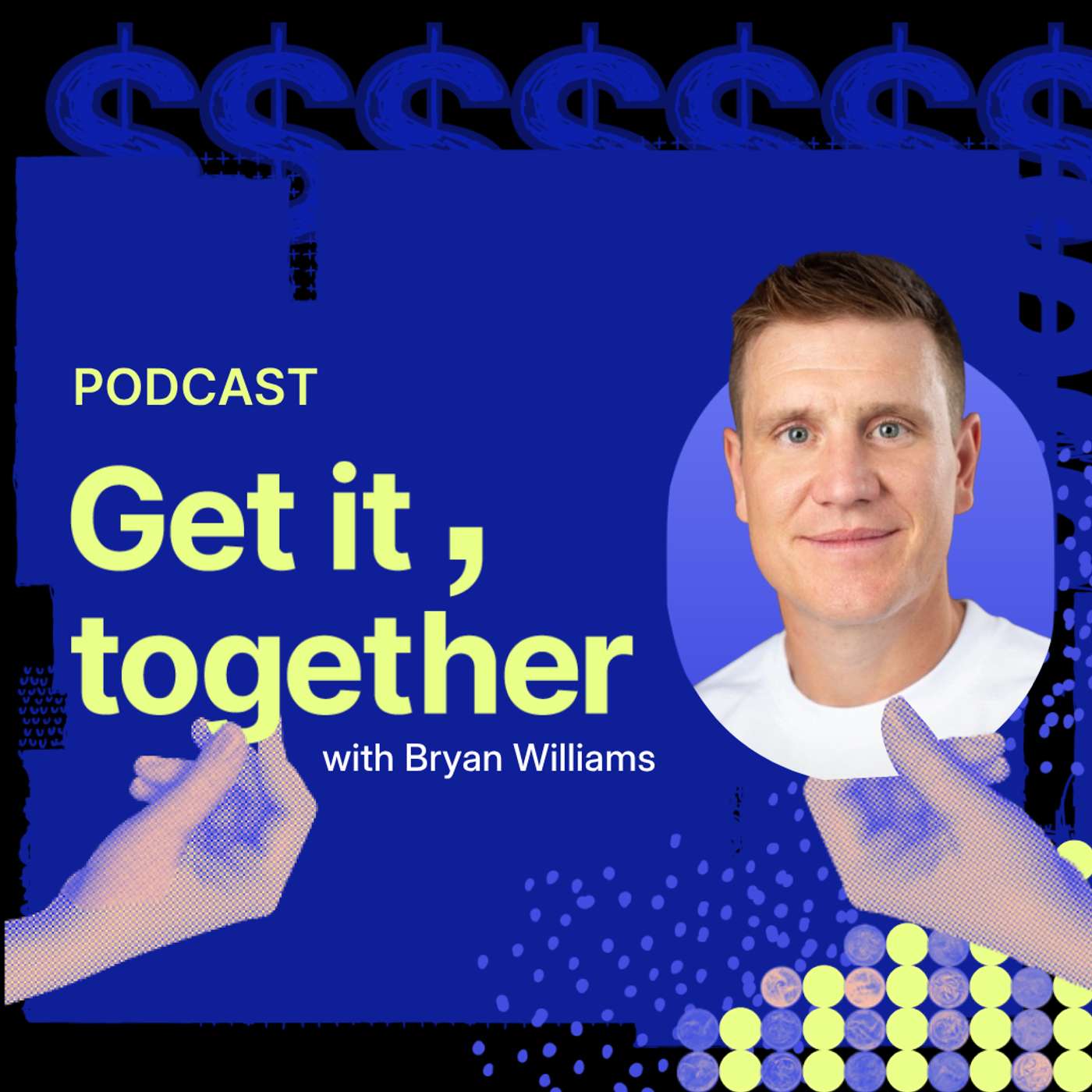
Most partner programs start with hope. A big-name partner signs on and a new PRM goes live. Then everyone waits for leads that never show up.When the results don’t come, partnerships takes the blame. Bryan Williams has watched this pattern play out for years, and he says the fix starts well before launch.Bryan Williams, Founder of Hockey Stick Advisory, joins PartnerStack CMO Tyler Calder to share how he went from making 200 cold calls a day to building partner programs across APAC. He also managed Xero’s partner ecosystem as it grew from about 100 partners to 1,200.They also discuss why partner programs built on guesswork stall out, how to evaluate a partner’s real capacity, how to speak the CFO’s language to win investment and what it takes to be the easiest partner to work with.You’ll learn:How to evaluate partners using the four Cs of customers, capacity, commitment and capabilityWhy “build it and they will come” fails as a partner strategyHow to figure out what share of a partner’s revenue you can realistically driveHow to build a bottom-up partner plan a CFO will fundWhere to place your bets when time and resources are limitedJump into the conversation:(00:00) Introducing Bryan Williams(01:58) Pitching a referral motion to leadership(04:52) Why partnerships must be commercially led(07:00) Lessons from scaling Xero’s partner ecosystem(09:02) The Field of Dreams approach to partner programs(15:42) How Bryan got started in partnerships(21:19) Why leaders stay partner curious instead of committed(23:57) The four Cs of partner evaluation(28:35) Deciding where to place partner bets(35:13) How to be the easiest partner to work with(37:31) Balancing CEO pressure with program runway(40:54) How AI is changing partnershipsResources:Connect with Bryan on LinkedIn: https://www.linkedin.com/in/bryanwilliamsaus/ Learn more about Hockey Stick Advisory: https://hockeystickadvisory.com/
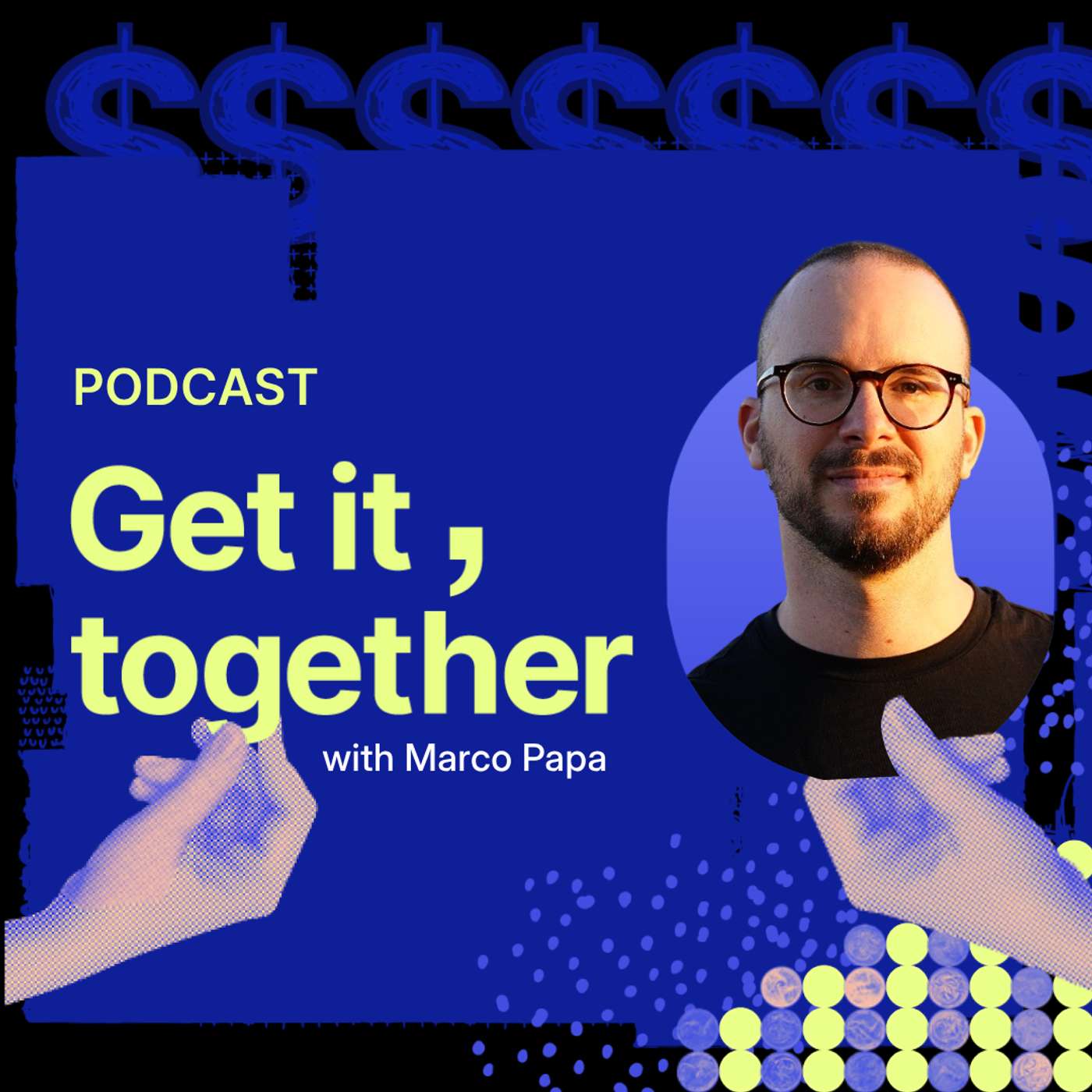
A partnership program can grow quickly in size, but that does not always mean it is creating meaningful impact.As companies turn to partnerships for growth, leaders must decide where to focus their efforts, when to expect results, and how to build a program that can scale. The choices made early on can determine whether partnerships become a meaningful growth engine or a collection of disconnected initiatives.Marco Papa, Director of Channels and Alliances at Metaflo Technologies, joins PartnerStack CMO Tyler Calder to share his experience building partnership programs across industries and company stages. From creating new motions as a team of one to managing global ecosystems, Marco shares the decisions, challenges, and lessons that shape successful partnerships.They also discuss evaluating partner opportunities, balancing short-term wins with long-term investments, avoiding common scaling mistakes, the importance of enablement, and how AI could reshape partnership operations.You’ll learn:How to build a partnership motion from zero to one by aligning strategy with company goalsWhy partnership leaders need both quick wins and long-term bets to build internal confidenceHow to identify the right partner opportunities by starting with customer and business prioritiesWhen to qualify partners out before investing time and resources into scaling the programWhat strong partner enablement looks like and how AI could improve knowledge sharing across ecosystemsJump into the conversation:(0:00) Introducing Marco Papa(3:12) Creating a partner program from zero to one(7:18) Balancing quick wins and long-term bets(9:59) Choosing where to place partnership bets(11:36) Starting with business goals before partner strategy(15:03) Building partnerships by accident(19:30) Learning the foundations of partner success(25:11) Why reseller programs often fail(29:50) Proving the motion before scaling(32:59) Lessons from successful partner ecosystems(36:18) How AI could transform partner enablement(40:23) Final lessons on qualifying partnersResources:Connect with Marco on LinkedIn: https://www.linkedin.com/in/papamarco/

Companies may be overlooking one of their biggest growth levers by failing to give partnerships a seat at the revenue table.While many organizations invest in building partner ecosystems, they often struggle to turn those relationships into a predictable source of growth. Scaling partnerships requires more than strong connections. It requires the processes, technology, and accountability needed to activate partners and drive measurable results.Andre Kaufmann, Head of Global Partnerships at RoomPriceGenie, joins PartnerStack CMO Tyler Calder to discuss how he transformed partnerships into a major revenue channel. He shares how RoomPriceGenie built toward a goal of generating 50% of revenue through partnerships, why reactivating dormant partners became a key opportunity, and the operational changes needed to scale the program.They also discuss creating predictable partner revenue, segmenting partner strategies, using automation to improve engagement, where AI fits into partnership teams, and why human relationships remain essential to ecosystem growth.You’ll learn:How to transform partnerships from a support function into a predictable revenue channelWhy reactivating dormant partners can unlock more growth than constantly sourcing new onesHow to build a partner motion with clear goals, attribution, and forecastingWhen automation can scale partner engagement without replacing human relationshipsWhat role AI should play in improving partnership operations and decision-makingJump into the conversation:(0:00) Introducing Andre Kaufmann (1:00) From hospitality to partnerships (3:00) Building RoomPriceGenie's partner strategy (7:00) Making partnerships a revenue engine (10:00) The path from 30% to 50% revenue (13:00) Unlocking value from dormant partners (20:00) Creating scalable partner engagement (24:00) Balancing new and existing partners (30:00) Automating partnerships without losing trust (35:00) Where AI fits into partnerships (40:00) Building the future of partner ecosystemsResources:Connect with Andre on LinkedIn: https://www.linkedin.com/in/andre-kaufmann-59a522a/
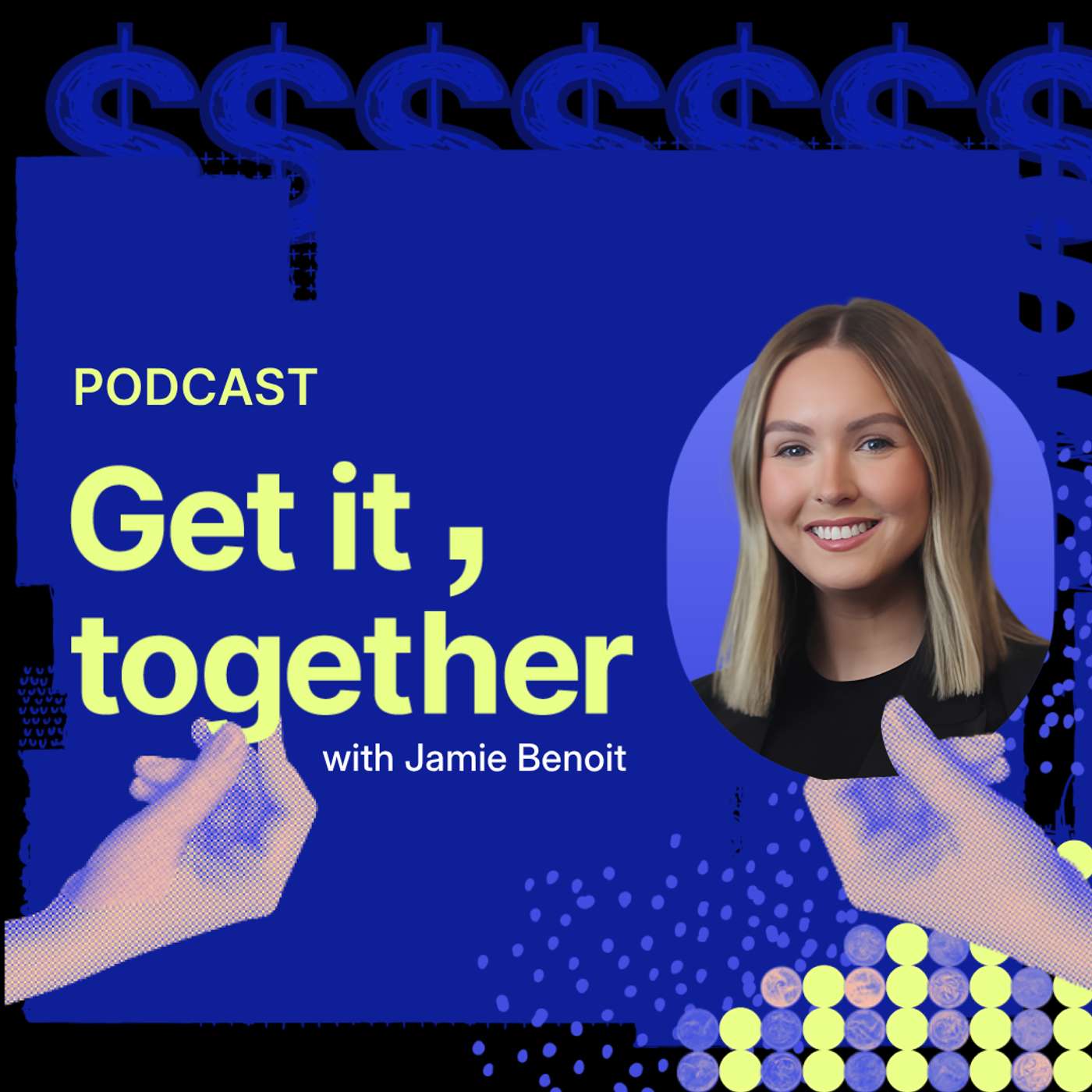
A partner-first strategy sounds simple in theory, but making it work requires companies to rethink everything from sales motions to internal processes and partner relationships.For many organizations, the hardest part of partnerships isn’t launching a program; it’s building the confidence, consistency, and internal systems needed to make that program successful. The transition requires patience, alignment, and a willingness to evolve how the business operates.Jamie Benoit, Director of Business Development at Beauceron Security, joins PartnerStack CMO Tyler Calder to discuss her experience building and scaling partnerships at a growing cybersecurity company. Jamie shares the lessons she’s learned navigating the evolution of a partner program and the challenges that come with making partnerships a larger part of the company’s growth strategy.They also discuss what it takes to build strong partner relationships, create alignment across teams, and develop a partnership approach that can scale.You’ll learn:How to transition from a direct sales motion to a partner-first growth strategyWhy successful partnerships require company-wide alignment and a long-term commitmentHow to identify the right partners and build a program around their needsWhat it takes to scale partner enablement as an ecosystem growsWhy giving up short-term margin can create larger opportunities through partnershipsJump into the conversation:(0:00) Introducing Jamie Benoit and Beauceron Security's partner-first approach(3:56) Building a career across customer success, sales, and partnerships(6:58) Why Beauceron shifted toward a partner-led growth model(11:38) Expanding partnerships into the US market(13:30) Finding the right partners and building credibility in a new market(16:40) Creating a partner experience built on trust and differentiation(18:57) Scaling partner enablement across the organization(21:36) What breaks when partnership programs start to scale(25:48) Staying committed through the long transition to partnerships(29:47) Rethinking margin tradeoffs and the value of partner-led growth(32:17) Applying partner-first principles to financial services(37:46) Lessons for building sustainable partner ecosystems(42:08) Using AI to support the future of partnershipsResources:Connect with Jamie on LinkedIn: https://www.linkedin.com/in/jamie-benoit/

Comments

Download from Google Play

Download from App Store
 United States