


 Claim Ownership
Paper Talk
Subscribed: 7Played: 643
Subscribe

© 淼淼Elva@小宇宙App
Description
Sharing research articles, tracking the latest developments
1650 Episodes
Reverse
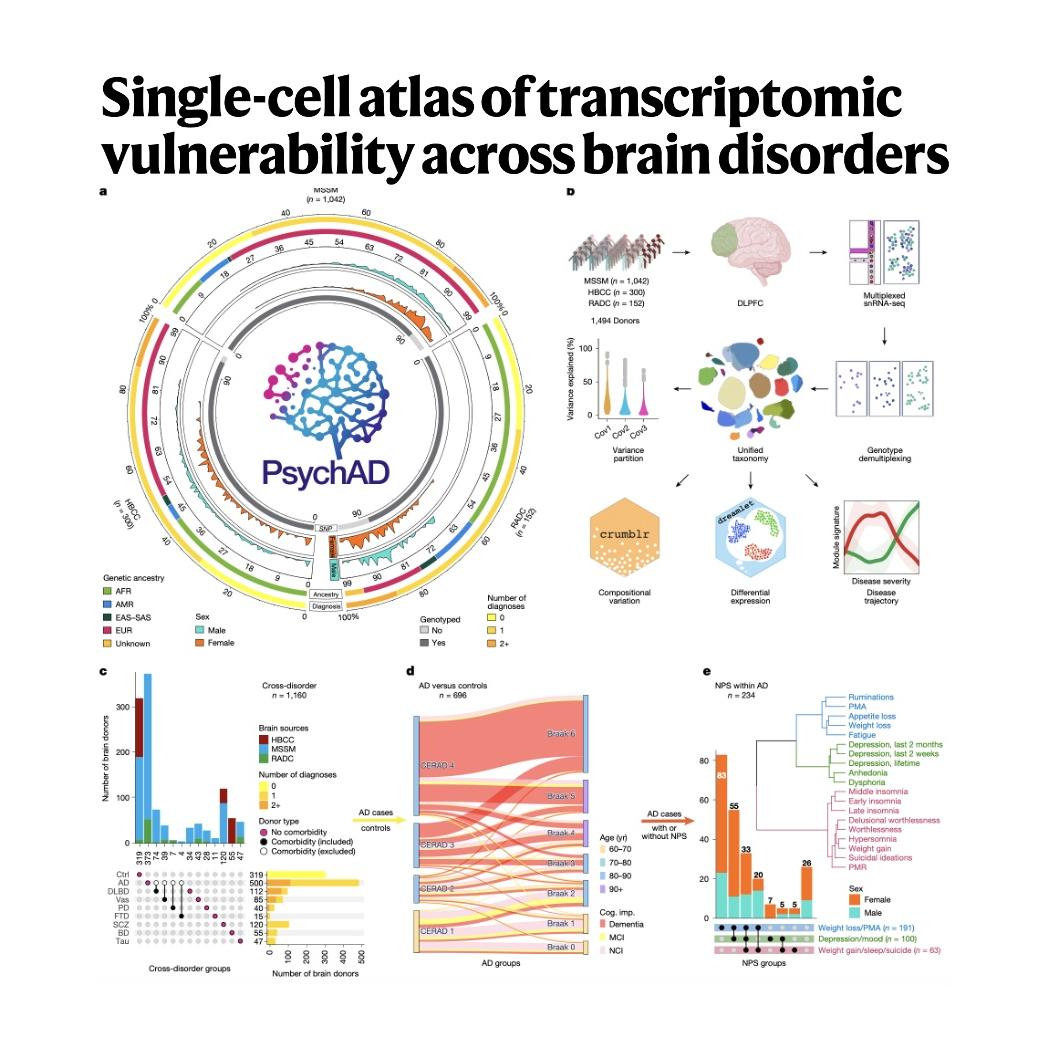
The paper describes the PsychAD cohort, a massive single-nucleus transcriptomic study of the human dorsolateral prefrontal cortex involving over 6.3 million nuclei from 1,494 donors. This research creates a comprehensive cellular atlas to identify how gene expression changes across eight different neurodegenerative and neuropsychiatric disorders, such as Alzheimer’s and schizophrenia. By establishing a unified cellular taxonomy, the study reveals universal molecular signatures shared across diseases, such as disruptions in protein localization and mRNA processing. It further distinguishes disease-specific patterns, showing that neurodegenerative conditions primarily impact glial and vascular cells, while psychiatric disorders are more closely linked to neuronal variation. Additionally, the sources detail how individual genetic backgrounds and specific disease trajectories, like those in Alzheimer’s, drive distinct cellular shifts in the brain's complex ecosystem. This resource ultimately provides a framework for understanding transcriptomic vulnerability and identifying new targets for medical intervention.References:Lee D, Koutrouli M, Masse N Y, et al. Single-cell atlas of transcriptomic vulnerability across brain disorders[J]. Nature, 2026, 657(8133): 988-1002.前往小宇宙评论区与主播互动
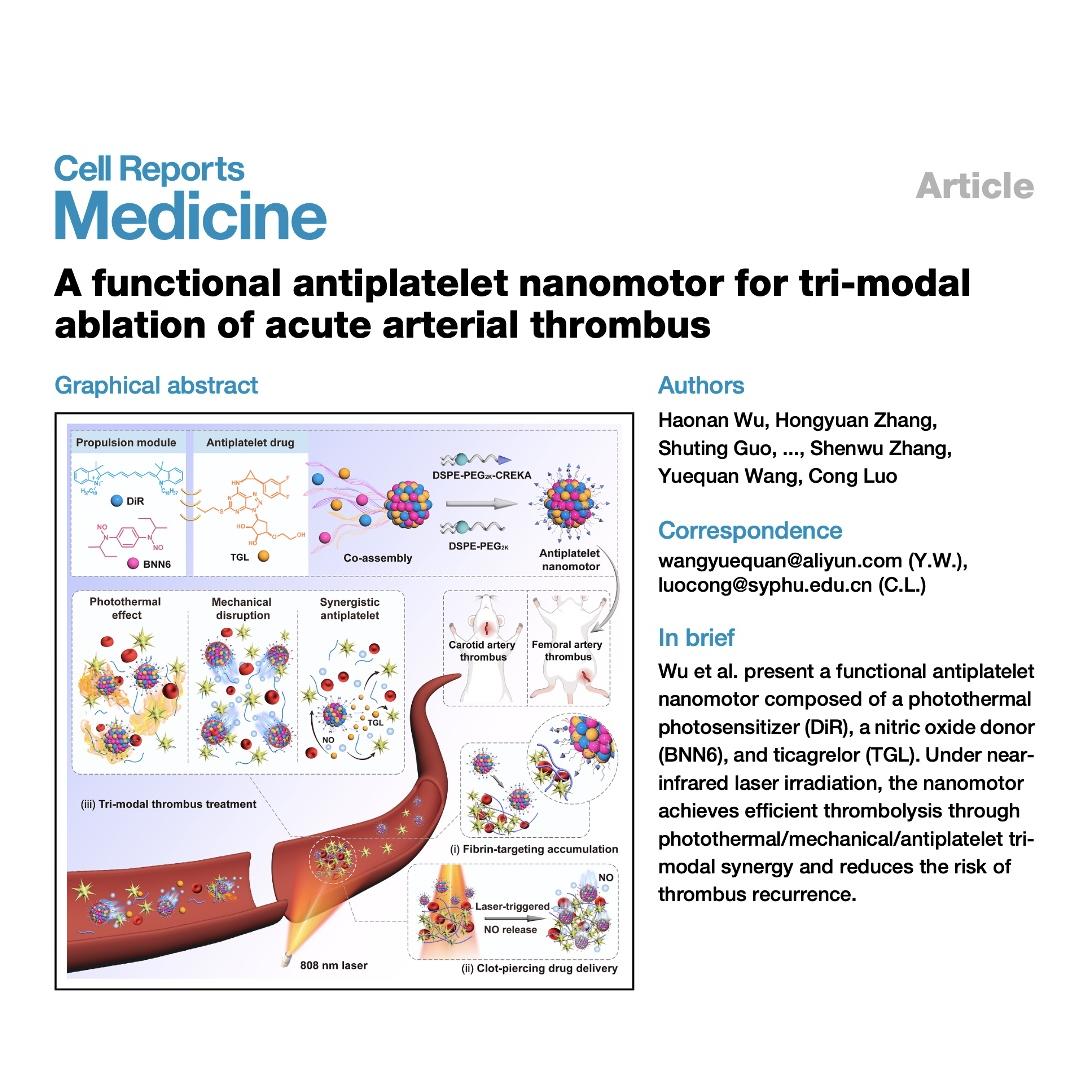
This research article describes the development of a carrier-free antiplatelet nanomotor designed for the advanced treatment of acute arterial thrombosis. The authors engineered a specialized nanosystem by co-assembling a photothermal agent (DiR), a nitric oxide donor (BNN6), and the antiplatelet drug ticagrelor (TGL). When activated by a near-infrared laser, the nanomotor generates vigorous mechanical motion and heat to physically penetrate and disrupt blood clots. Simultaneously, the localized release of nitric oxide and ticagrelor provides a synergistic medicinal effect that inhibits platelet activation and prevents the recurrence of new thrombi. Experimental results in rat models demonstrate that this tri-modal approach achieves superior thrombolytic efficiency and safety compared to traditional drug therapies. Ultimately, this technology offers a promising integrated platform for rapid vessel recanalization and long-term management of cardiovascular diseases.References:Wu H, Zhang H, Guo S, et al. A functional antiplatelet nanomotor for tri-modal ablation of acute arterial thrombus[J]. Cell Reports Medicine, 2026.前往小宇宙评论区与主播互动
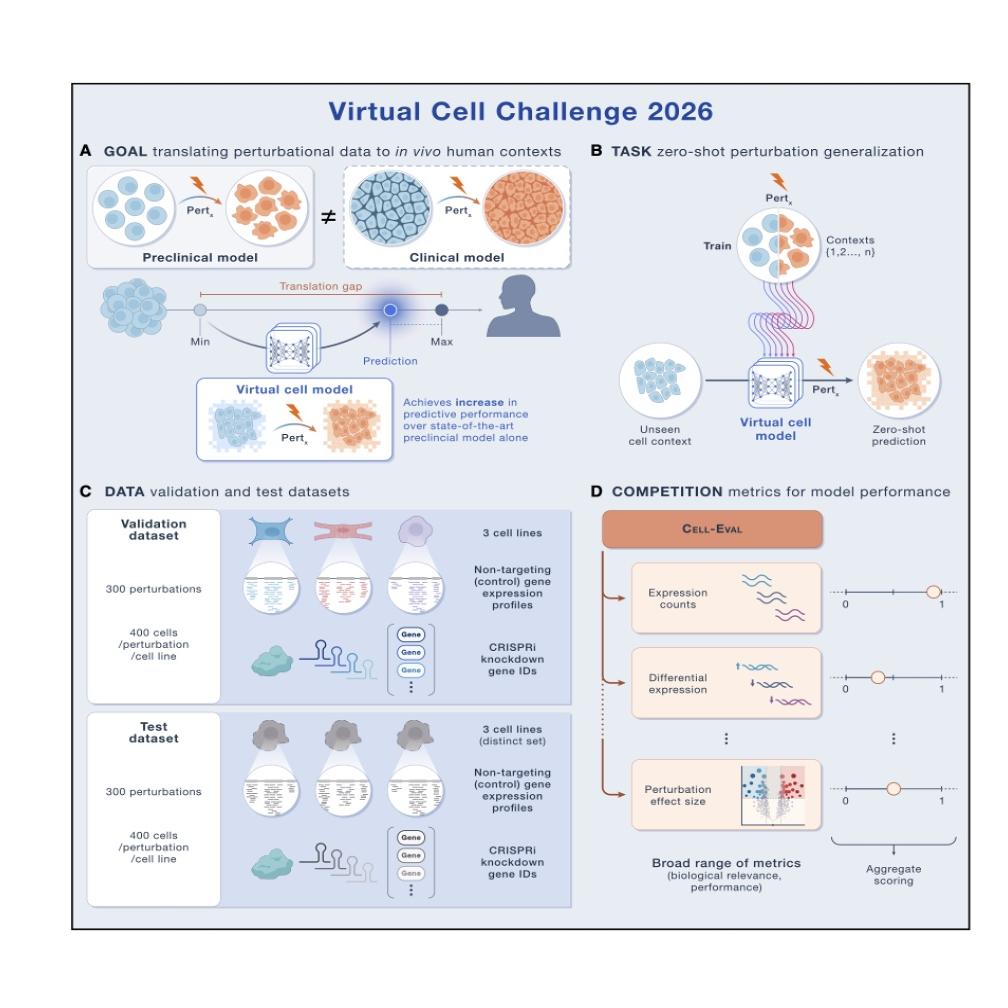
The 2026 Virtual Cell Challenge introduces a rigorous benchmark designed to evaluate how well computational models can predict gene knockdown responses in entirely new biological environments. Building on the findings of the inaugural 2025 competition, this year’s task shifts toward zero-shot generalization, requiring participants to simulate cellular changes without access to specific training data for the target cell lines. The initiative aims to bridge the translational gap between laboratory experiments and human biology by developing virtual cells that can accurately forecast molecular outcomes in rare or difficult-to-study tissues. By using a standardized framework of CRISPRi datasets and diverse evaluation metrics, the challenge seeks to identify models that can effectively prioritize the most impactful real-world experiments. Ultimately, these predictive simulations serve to enhance our understanding of complex cellular behaviors and accelerate the discovery of new therapeutic interventions.References:Adduri A, Burke D, Caputo J, et al. Virtual Cell Challenge 2026: Benchmarking zero-shot generalization across cellular contexts[J]. Cell, 2026, 189(19): 5827-5830.前往小宇宙评论区与主播互动
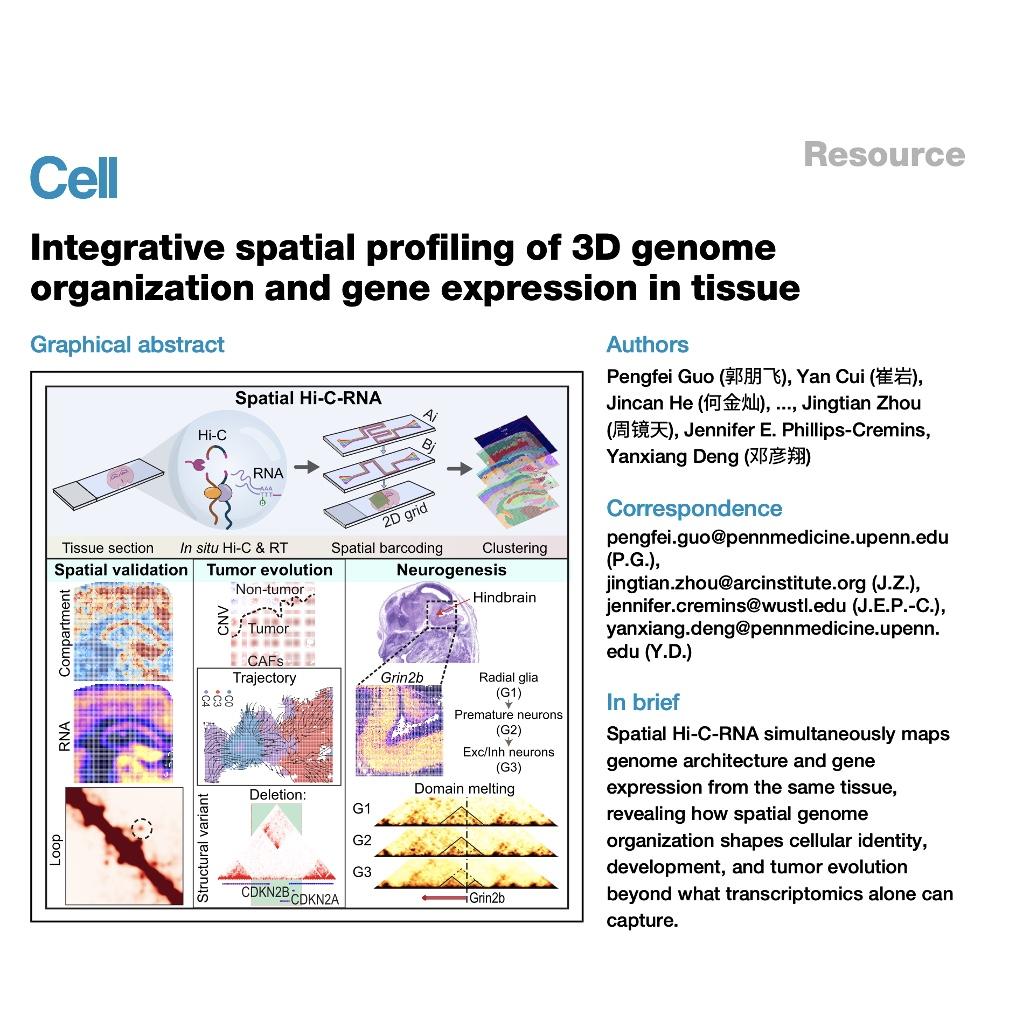
The paper introduce Spatial Hi-C-RNA, a pioneering multimodal technology that simultaneously maps three-dimensional genome architecture and whole-transcriptome profiles within intact tissue sections. By integrating microfluidic barcoding with high-throughput chromatin capture and RNA sequencing, this platform preserves the physical context of genetic regulation at near-single-cell resolution. Researchers successfully applied this method to mouse embryos, adult brains, and human melanoma, demonstrating its ability to link structural features like chromatin loops and A/B compartments to specific cell identities. The findings reveal that spatial genome organization provides deeper insights into developmental processes and tumor heterogeneity than gene expression analysis alone. Ultimately, this framework offers a powerful tool for investigating the complex structure-function relationships of the genome in both healthy development and disease.References:Guo P, Cui Y, He J, et al. Integrative spatial profiling of 3D genome organization and gene expression in tissue[J]. Cell, 2026.前往小宇宙评论区与主播互动
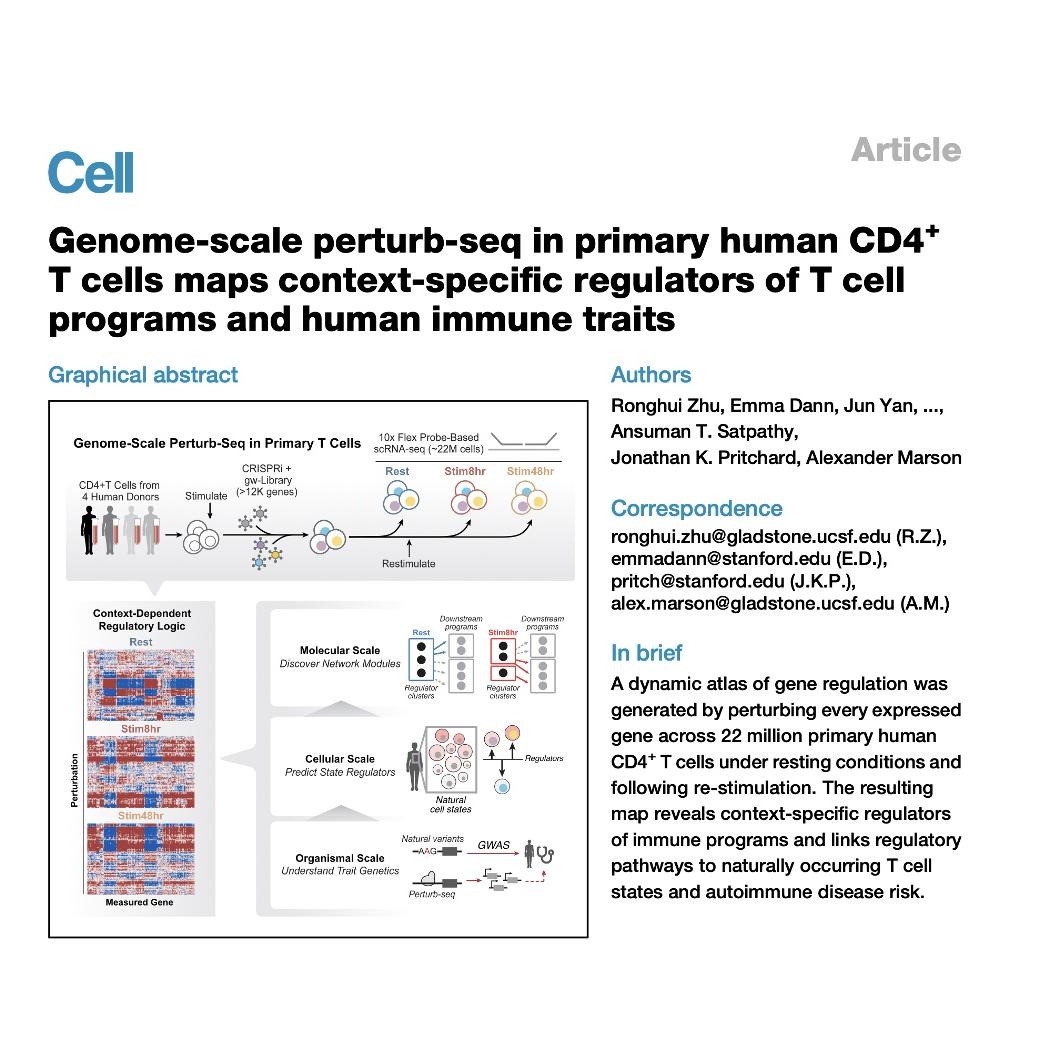
Researchers developed a massive genome-scale perturb-seq platform to map the regulatory networks of 22 million primary human CD4+ T cells. By systematically knocking down over 12,000 genes across different activation states, they created a dynamic atlas that identifies how specific regulators control immune programs and cytokine production. The study demonstrates that gene regulatory effects change significantly depending on whether a cell is at rest or stimulated. Furthermore, the authors successfully used this data to predict the regulators responsible for T cell polarization and age-related immune changes observed in human populations. Finally, the work establishes a foundational resource that links specific molecular pathways to autoimmune disease susceptibility and human immune traits.References:Zhu R, Dann E, Yan J, et al. Genome-scale perturb-seq in primary human CD4+ T cells maps context-specific regulators of T cell programs and human immune traits[J]. Cell, 2025.前往小宇宙评论区与主播互动

Comments

Download from Google Play

Download from App Store
 United States