


Hidden Histories Of The Scottish Borders
Subscribed: 12Played: 89
Subscribe

© Thistle And Time
Description
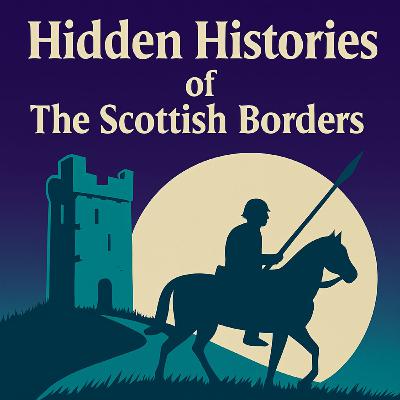
Hidden Histories of the Scottish Borders uncovers the forgotten stories behind the region’s most fascinating castles, tower houses, and historic ruins. Journey through the Scottish Borders as each episode explores a single site, revealing its dramatic past, the families who lived there, and the conflicts that shaped it.
From the lawless days of the Border Reivers to bloody raids, civil wars, and tales steeped in folklore, this podcast brings history vividly to life. All hosted by David.
Season Two is now live, with new episodes every Thursday.
From the lawless days of the Border Reivers to bloody raids, civil wars, and tales steeped in folklore, this podcast brings history vividly to life. All hosted by David.
Season Two is now live, with new episodes every Thursday.
35 Episodes
Reverse
High above the Merse near Kelso stands Hume Castle, one of the Scottish Borders' most recognisable landmarks. But the picturesque ruins conceal a turbulent history of medieval warfare, Border Reivers, royal intrigue and Anglo-Scottish conflict.In this episode of Hidden Histories of the Scottish Borders, we explore the history of Hume Castle and the powerful Hume family who made it their stronghold. From the Wars of Independence and the Battle of Flodden to the Rough Wooing, Mary, Queen of Scots, the Marian Civil War and Cromwell's invasion of Scotland, Hume repeatedly found itself at the centre of conflict.We also discover the remarkable story of Lady Home's defence of the castle, the legend of James IV's body, and how a once-formidable fortress was eventually transformed into the picturesque folly we see today.For more information about Hume Castle and other historic places in the Scottish Borders, visit https://thistleandtime.scotMusic CreditsLast And First Light by Scott Buckley | https://soundcloud.com/scottbuckleyThe Great Battle by Alexander Nakarada (CreatorChords) | https://creatorchords.comHorizons by Scott Buckley | https://soundcloud.com/scottbuckleySnowfall by Scott Buckley | https://soundcloud.com/scottbuckleyUnderow by Scott Buckley | https://soundcloud.com/scottbuckleyEight Mountains by Savfk | https://www.youtube.com/savfkmusicAll sourced from Royalty Free Music by https://www.free-stock-music.comCreative Commons / Attribution 4.0 International (CC BY 4.0)https://creativecommons.org/licenses/by/4.0/
Discover the turbulent history hidden behind the peaceful village of Darnick in the Scottish Borders. This episode explores Darnick Tower, Fisher’s Tower and the dramatic Battle of Melrose (Battle of Darnick/Battle of Skirmish Hill) in 1526, when Sir Walter Scott of Buccleuch attempted to rescue the young James V, King of Scots, from the control of the Earl of Angus.We also uncover the story of the Heiton and Fisher families, the destruction of Darnick during the Rough Wooing, the Border Reiver feud that followed the battle, and Darnick’s later connection with Sir Walter Scott.This podcast episode is a fascinating journey into the castles, tower houses, Border Reivers and battles of the Scottish Borders. For more information about Darnick and other historic sites, visit https//thistleandtime.scotMusic creditsAbsolution | Ascension | Discovery | Chasing Daylight | Ride the WindAll above tracks by Scott Buckleyhttps://soundcloud.com/scottbuckleyMusic promoted by https://www.free-stock-music.comCreative Commons / Attribution 4.0 International (CC BY 4.0)https://creativecommons.org/licenses/by/4.0/Podcast theme from Pixabay.com
Discover the forgotten history of Old Thirlestane Tower, near Lauder in the Scottish Borders. Once the home of the powerful Maitland family, this medieval Border stronghold stood on an important route between the Scottish Borders and Edinburgh. Explore its connections to the Border Reivers, the Rough Wooing, Mary, Queen of Scots, the Marian Civil War and the rise of the Maitlands to national political power. Find out how the ruined tower was eventually superseded by the magnificent Thirlestane Castle at Lauder.Music creditsVopna and Prepare For War both by Alexander Nakarada (CreatorChords) https://creatorchords.comEight Mountains by Savfk https://www.youtube.com/savfkmusicAbove music promoted by https://www.free-stock-music.comCreative Commons / Attribution 4.0 International (CC BY 4.0)https://creativecommons.org/licenses/by/4.0/Podcast theme music from pixabay.com
Journey into the peaceful ruins of Dryburgh Abbey, one of the most beautiful medieval monasteries in the Scottish Borders. In this episode of Hidden Histories of the Scottish Borders, discover the remarkable story of the Premonstratensian abbey founded in 1150, its repeated destruction during the Wars of Scottish Independence and the Rough Wooing, its connections to Robert the Bruce, Sir Walter Scott and the legends that still haunt its ancient stones.From Norman nobles and medieval monks to English invasions, royal patronage and ghostly folklore, this episode uncovers nearly 900 years of history beside the River Tweed. Whether you're planning a visit to Dryburgh Abbey, exploring the Borders Abbey Way, or simply fascinated by Scottish history, this is the story behind one of Scotland's most atmospheric historic sites.Music CreditsEight Mountains by Savfk https://www.youtube.com/savfkmusicIn Search Of Solitude by Scott Buckley https://soundcloud.com/scottbuckleyJul by Scott Buckley https://soundcloud.com/scottbuckleyAll promoted by https://www.free-stock-music.comCreative Commons / Attribution 4.0 International (CC BY 4.0)https://creativecommons.org/licenses/by/4.0/Podcast theme from Pixabay.com
Discover the remarkable story of Cockburnspath Tower, one of the Scottish Borders' most overlooked medieval fortresses. Hidden beside the A1 in Berwickshire, this atmospheric ruin once guarded the principal coastal route between England and Scotland and stood at the centre of centuries of royal intrigue, noble rivalries and border warfare. In this episode of Hidden Histories of the Scottish Borders, we explore the fortunes of the Earls of Dunbar and March, the Homes and Douglases, the Rough Wooing, Margaret Tudor's connection to the tower, and its eventual decline after the Union of the Crowns.Join David as he uncovers the fascinating history behind this forgotten stronghold, explaining why Cockburnspath Tower played such an important role in defending Scotland's eastern frontier. If you enjoy Scottish history, medieval castles, Border history, the Border Reivers and hidden heritage sites, this episode offers a compelling journey into one of the Borders' best-kept secrets. For photographs, visitor information and more detailed historical articles, visit www.thistleandtime.scotMusic credits:At The End Of All Things | Aurora | Celestial | Filaments All by Scott Buckley | https://soundcloud.com/scottbuckleyMusic promoted by https://www.free-stock-music.comCreative Commons / Attribution 4.0 International (CC BY 4.0)https://creativecommons.org/licenses/by/4.0/

Comments

Download from Google Play

Download from App Store
 United States