


 Claim Ownership
Business & Society with Senthil Nathan
Subscribed: 0Played: 0
Subscribe

© 2026 Senthil Nathan
Description
Inspiring and thought-provoking conversations with eminent thinkers and leaders about business in society.
0 Episodes
Reverse

Have you ever left a conversation at work wondering whether you were the problem? Gaslighting is a word many people have heard, but few have examined through the lens of institutional power. In this episode, we talk with sociologist Paige Sweet, whose research on domestic violence and workplace dynamics shows how gaslighting works: by making people doubt their own experience, often through the very hierarchies organizations take for granted. Paige explains why isolation is so central to the process, how social vulnerabilities shape who gets believed, and why a network of support can be the turning point. We also discuss what organizations and leaders can do to build cultures where concerns are heard rather than dismissed, and why Paige’s upcoming book is an important read for practitioners.Link to her Scientific American Article How Gaslighting Manipulates RealityPlease visit our website, www.businessandsociety.net, for more inspiration.

What does a shipping container have to do with the global economy? Almost everything. In this episode, we sit down with economist and historian Marc Levinson to explore how a simple metal box revolutionized the way goods move across the world—and, by extension, how supply chains are organized, where manufacturing happens, and even which communities thrive or struggle. Marc walks us through the unlikely origins of containerization, from Malcolm McLean's 1956 voyage to the painstaking international negotiations that created industry standards. We discuss how containers made globalization possible by collapsing transportation costs from 15–20% of goods' value to mere cents, the profound impact on dock workers and manufacturing communities, and why today's supply chain disruptions are forcing businesses to rethink the just-in-time model. Along the way, Marc reminds us that the most transformative changes in how we do business often come from the most unexpected places—and that understanding this history is essential to navigating our present.Link to the book The Box: How the Shipping Container Made the World Smaller and the World Economy BiggerPlease visit our website, www.businessandsociety.net, for more inspiration.
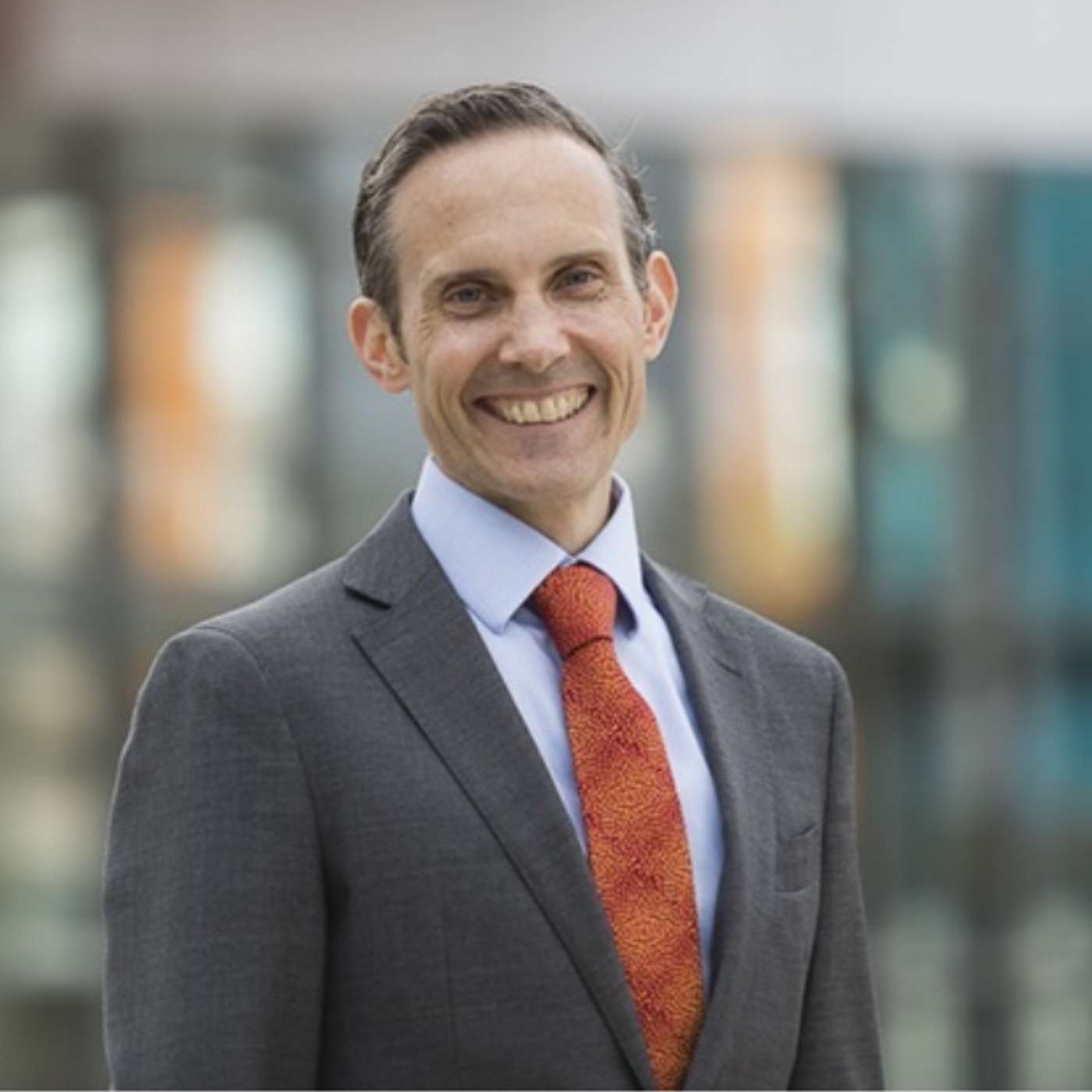
In this episode, Senthil sits down with The Hon Dr Andrew Leigh MP, Australia's Assistant Minister for Productivity, Competition, Charities, and Treasury, to explore how innovation actually happens—and why the stories we tell about it are often wrong. Drawing from his book The Shortest History of Innovation, Andrew challenges popular myths: the lone genius, the eureka moment, and the innovation cluster. Instead, he reveals what history really teaches us about breakthrough ideas: they emerge through tinkering, collaborative teams, and the cross-pollination of diverse ideas. The conversation also tackles artificial intelligence—both its transformative potential and the real risks we need to manage—and explores what true leadership looks like in an age of rapid technological change.Link to the book: The Shortest History of InnovationPlease visit our website, www.businessandsociety.net, for more inspiration.

What does it really mean to act on your values at work? Most of us think speaking up means confrontation—blowing the whistle, telling your boss they're wrong, or risking your career. But what if there's a better way?In this episode, Senthil talks with Mary Gentile, creator of Giving Voice to Values, about how to navigate ethical conflicts with skill, strategy, and authenticity. Mary spent decades studying how leaders actually speak up—not through preaching or confrontation, but through practical tactics grounded in who they are. We explore what values really are, why we freeze when facing conflicts, and how you can prepare yourself to act on what matters most—even in cultures where speaking up feels impossible.Link to Mary Gentile's book: Giving Voice to Values Please visit our website, www.businessandsociety.net, for more inspiration.
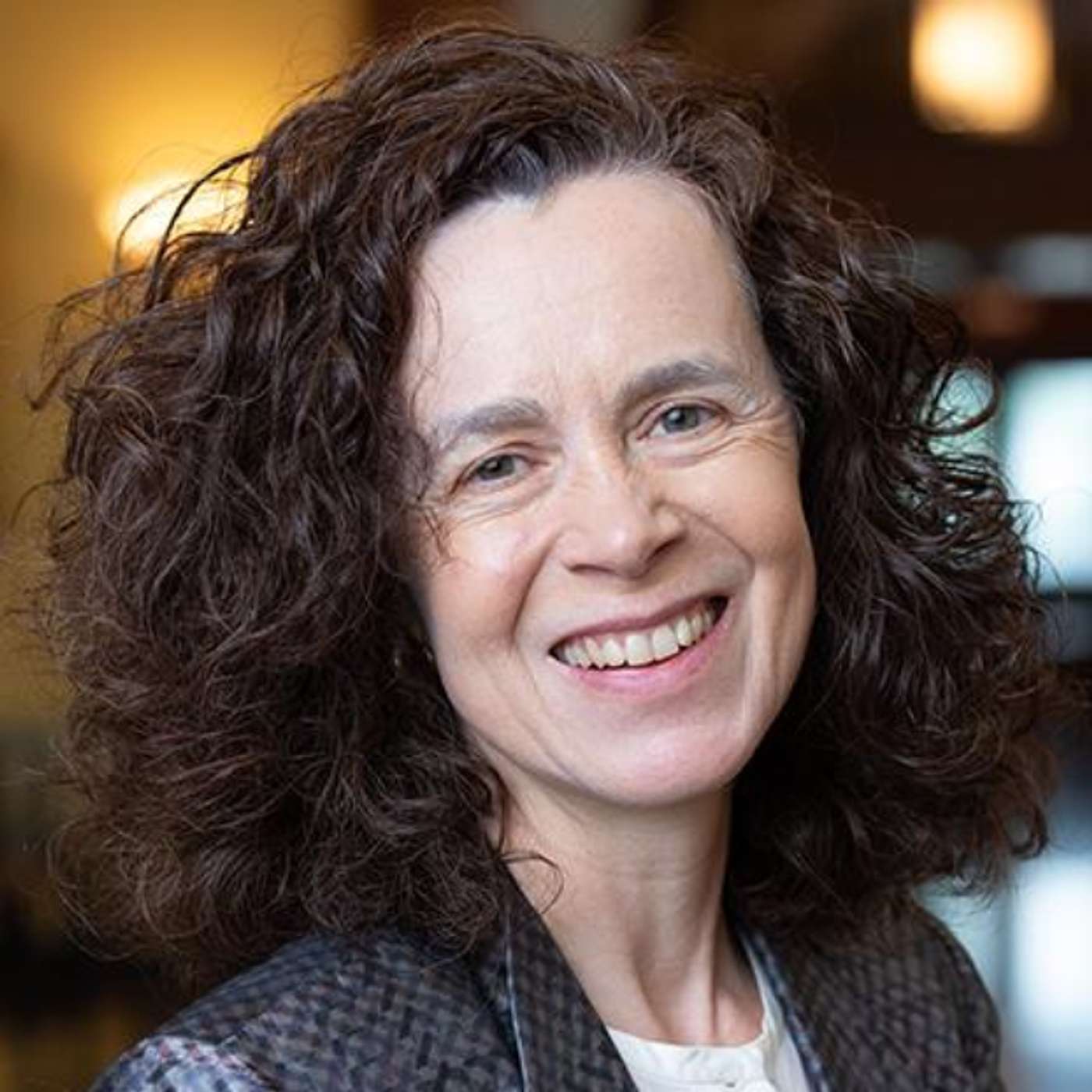
What does business owe society? And what does society owe business in return? These aren't abstract questions—they're survival questions. As climate change accelerates, democracies falter, and mission-driven companies struggle to stay afloat, we need a new conversation about what capitalism can actually do. This week, we sit down with Rebecca Henderson to explore the real constraints, the hidden power of the private sector, and why this moment might be more hopeful than it seems.Rebecca Henderson is one of 25 University Professors at Harvard and author of Reimagining Capitalism in a World on Fire. We talk about climate commitments, investor power, the future of democracy, and what it takes to build a business that lasts. If you're a founder, a leader, or simply trying to understand how we got here and where we go next, this conversation is for you.More about Rebecca's work and research: https://www.hbs.edu/faculty/Pages/profile.aspx?facId=12345Please visit our website, www.businessandsociety.net, for more inspiration.
Comments

Download from Google Play

Download from App Store
 United States