


The Book Faire | Middle Grade and Children’s Literature for Librarians, Educators and Young Readers
Subscribed: 8Played: 169
Subscribe

© 2026 The Book Faire | Children's and YA Literature
Description
Do you struggle keeping up with new books for young readers? Are you concerned about book bans? Welcome to the Book Faire! This podcast is all about the latest in kidlit, from Middle Grade to YA interviewing authors and professionals in the children’s publishing industry, highlighting diverse new releases, and covering stories that impact public schools, educators and librarians. Check in for Two weekly episodes covering the latest news and author interviews!
Contact: [email protected] Patreon: patreon.com/TheBookFaire @bookfairepod.bsky.social
187 Episodes
Reverse

In this episode of The Book Faire Podcast, host Anthony sits down with author Ariel Vanece to discuss her picture book, Day Shift, Night Shift (illustrated by Jade Orlando). Ariel shares the personal inspiration behind the story—drawing from her own childhood village of grandparents to celebrate non-traditional family structures, intergenerational love, and the special bond between a young girl and her train-mechanic grandfather.Ariel discusses the story's main character, Atticus, who mirrors her Pop Pop’s night-shift routine by tackling her own daytime "shifts" fixing a toy train set. She breaks down the writing craft behind creating realistic stakes for young readersand explains how she navigated a 600+ word manuscript format.The conversation also explores the collaborative process between author and illustrator. Ariel details her work with Jade Orlando, sharing how unscripted visual details—like a matching handmade "Pop Pop" keychain—brought deeply personal childhood memories to life on the page. Furthermore, Ariel opens up about her commitment to intersectional representation, body positivity, and authentic Black family portrayals in children's literature.Teachers, school librarians, and parents will find this episode invaluable for exploring picture book craft, intergenerational family representation, and inclusive social-emotional learning (SEL) resources for young readers.TakeawaysImportance of diverse representationCreative collaboration in children's booksChapters00:00 Exploring Family Dynamics05:04 The Creative Process of Writing07:00 Collaboration with Illustrators16:56 Representation in Children's Literature20:15 Ariel's Vision as a Writer

In this episode of The Book Faire Podcast, host Anthony exposes how school boards are actively weakening public transparency to advance controversial display and library policies. We lead with Hooksett, New Hampshire, where the school board voted to dissolve its policy review committee—eliminating required public meetings—following intense community pushback over a proposed ban on rainbow-themed displays. A similar trend unfolds in Detroit Lakes, Minnesota, where board leadership strictly limited public comments during contentious debates over classroom rainbow flags and stickers.Shifting to positive advocacy updates, we examine McKinney ISD in Texas, where the board of trustees amended its library complaint policy to require that formal challenges originate exclusively from district parents or staff. By shutting down frivolous complaints filed by outside political groups, this policy change saves district resources and protects student access under Texas's restrictive SB 13 mandates.Finally, we return to Somerset County, Maryland, where State Superintendent Carey Wright issued an official stay of enforcement, delaying the district’s attempt to restrict Young Adult books to students age 18 and older. The policy is now paused pending a formal review by the Maryland State Board of Education to determine if it violates the state's newly enacted Freedom to Read Act.Teachers, school librarians, and education advocates will find this episode essential for tracking school board governance, recognizing loopholes in public comment policies, and monitoring statewide Freedom to Read enforcement.New Releases:Good Bear, Bad Bear By Hyewon Yum (Ages 4-8)Lulee Lullaby By Olga Pastuchiv (Ages 4-8)Words Spoken True by Anne Broyles (Ages 12+)* A Drop of Color by Elizabeth Ese (Ages 14+)*Debut authorTakeawaysImportance of diverse storiesImpact of censorship on literatureChapters00:00 New Children's Literature Releases08:57 Censorship and Book Bans in Schools13:43 Positive Changes in Library Policies15:41 Ongoing Controversies in Maryland Schools

https://www.tunisiawilliams.com/In this episode of The Book Faire Podcast, host Anthony sits down with middle school counselor and debut author Tunisia Williams to discuss her heart-centered children's book, The Uncles (illustrated by Blance Evans). Tunisia shares the deeply personal inspiration behind the story—modeled after a young boy who lost his mother and was surrounded by a strong, supportive village of community men.Tunisia discusses how the book follows young Kevin as he navigates the loss of his father by calling on a group of close family friends who step in to offer love, mentorship, and guidance. She opens up about the importance of authentic representation in children's literature, intentionally weaving in cultural nuances—like streetlights coming on as the universal sign to come home—while actively combating harmful stereotypes about Black fathers and family structures.Drawing from her professional background in education, Tunisia also offers profound insights into how adults can support grieving children, emphasizing why it is vital to talk about lost loved ones, celebrate their memories, and listen actively to young people.Teachers, school counselors, librarians, and parents will find this episode invaluable for exploring social-emotional learning (SEL) tools, navigating conversations around loss and resilience with children, and championing inclusive, joyful representation on library shelves.TakeawaysImportance of found familyRepresentation matters in literatureChapters00:00 Introduction02:50 The Concept of Found Family05:05 Representation in Children's Literature13:30 The Impact of Grief and Memory18:30 Being Present in Children's Lives22:05 The Role of Representation in Writing
In this news-focused episode of The Book Faire Podcast, host Anthony breaks down the systemic mechanics and hidden consequences of modern school library censorship. We examine a recent analysis from Book Riot tracking what happens to challenged books during the review window, revealing how temporary removals effectively achieve the goals of censorship advocates by denying student access for months at a time.We turn to Florida, where the Department of Education’s statewide memo has forced Palm Beach County schools to pull 1,800 library titles for review despite zero parent objections, stretching district budgets and staff thin amidst ongoing layoffs. In Minnesota, we look at the lingering fallout in rural districts like North Woods School, where an indefinite administrative hold kept over 80 books locked away from students following a librarian's firing over a Banned Books Week display.Shifting to industry and economic impacts, a new Publishers Weekly report highlights how severe school budget shortfalls and administrative anxiety are scaling back visiting author programs, cutting off a vital source of income for creators and an essential engine for student book discovery. Finally, we cover a positive community initiative: Microsoft partnering with the Public Library Association to launch digital literacy training and AI guidance resources for public library staff nationwide.Teachers, school librarians, and education advocates will find this episode essential for navigating library challenge policies, understanding the economic pressures facing children's authors, and defending the freedom to read.New Releases:Noor the Storyteller by Seina Wedlick, illus. by Leah Giles (Ages 4-8)Boundless: 17 Stories Starring Disabled Kids Edited by Marieke Nijkamp (Ages 8-12)This is a Door by Daniel Nayeri (Ages 8-12)You’re No Better by Andrew Joseph White (Ages 14+)TakeawaysEmerging themes in children's literatureImpact of censorship on librariesChapters00:00 Exploring New Children's Releases08:30 Censorship and Book Challenges16:37 Impact of Budget Cuts on Literature20:28 AI Literacy in Libraries
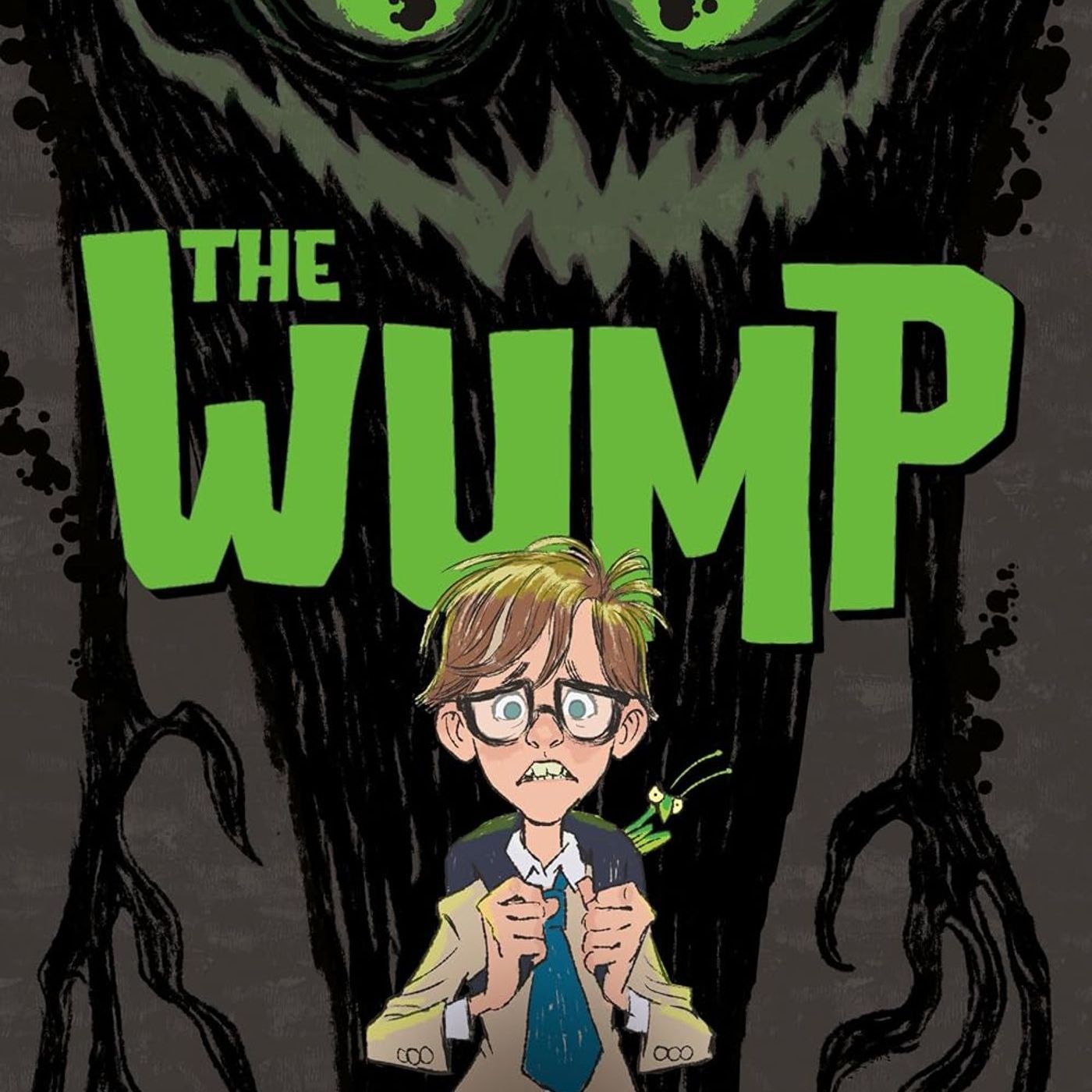
https://diterlizzi.com/In this episode of The Book Faire Podcast, host Anthony sits down with Caldecott Honor-winning author and illustrator Tony DiTerlizzi (The Spiderwick Chronicles, The Search for WondLa) to discuss his illustrated middle-grade novel, The Wump. Tony reflects on the 20-year journey to write what he calls the most honest story of his career, drawing directly from his own middle school experiences with bullying, feelings of powerlessness, and a fascination with insects. Tony breaks down how the story's main character, Tim, sees his internal anger and suppression manifest as a physical shadow monster—a "wump"—that starts as a revenge fantasy before raising the stakes. He explains how he consulted with a child psychologist to explore Jungian shadow-self theory, using alter-ego tropes like Dr. Jekyll & Mr. Hyde and The Incredible Hulk to give a young protagonist the agency needed to stand up for himself. The conversation also dives into the craft and business of middle-grade publishing. Tony explains how he collaborated with Dial and Penguin to print the heavily illustrated book on heavy graphic novel paper, intentionally creating a visual bridge to help reluctant readers transition from comics to prose. Teachers, school librarians, and parents will find this episode invaluable for understanding middle-grade social-emotional learning (SEL), visual literacy in the classroom, and how empathy-building literature helps young readers navigate grief, anger, and self-acceptance. Welcome to the Book Faire Podcast, my name is Anthony and this show is all about children’s literature and the freedom to read. This week we have an interview with Tony DiTerlizzi, author of the Wump.TakeawaysExploration of bullying themesImportance of self-identity in literatureChapters00:00 Introduction to The Wump03:02 Character Development and Personal Reflection06:34 Tim's Relationship with His Mother08:10 Creating Larger-than-Life Characters11:42 Navigating Middle School Challenges15:36 The Evolution of The Womp18:08 Illustration and Visual Storytelling23:27 Publishing Insights and Community Support25:36 Final Thoughts on Storytelling

Comments

Download from Google Play

Download from App Store
 United States