


 Claim Ownership
Last2First Podcast
Subscribed: 1Played: 4
Subscribe

© 2026 Jason Burns
Description
Welcome to Last 2 First, the podcast dedicated to exploring the final mile in logistics and the unique challenges faced by business owners in this vital industry. Each episode features insightful conversations with industry experts, entrepreneurs, and thought leaders who share their experiences, strategies, and innovations shaping the future of final mile delivery.
Join us as we dive into topics like optimizing delivery routes, enhancing customer satisfaction, navigating regulatory hurdles, and leveraging technology for efficiency. Whether you're a seasoned logistics professional or a business owner looking to improve your operations, Last 2 First offers valuable insights and actionable advice to help you lead your business to success.
Tune in and discover how to turn the last mile into your first priority!
Join us as we dive into topics like optimizing delivery routes, enhancing customer satisfaction, navigating regulatory hurdles, and leveraging technology for efficiency. Whether you're a seasoned logistics professional or a business owner looking to improve your operations, Last 2 First offers valuable insights and actionable advice to help you lead your business to success.
Tune in and discover how to turn the last mile into your first priority!
91 Episodes
Reverse

Tyler Thatcher didn't come from transportation. He built his early career in technology, riding the software wave through the dot-com crash, then spent time in private equity before buying a small final mile courier company in 2011, knowing almost nothing about the industry. Days after closing, DHL dropped them, wiping out about 20% of the revenue overnight. That was his introduction to logistics.Today, Tyler is President of Western Peaks Logistics, operating 17 facilities across six Western states with around 500 employees, and he does delivery work for more than half of the Fortune 20. In this episode, Jason Burns sits down with Tyler to trace how he built a regional powerhouse in the Rocky Mountain West, the market he calls a "black hole on the map" that the national carriers wouldn't touch.In this conversation:1. How Tyler expanded market by market, through both building his own facilities and acquiring competitors, always by solving a specific customer problem2. Why he treats the business as a math problem, tracking route-level profitability every single day to make thin margins work3. How healthcare and pharma grew to more than half the business, moving lab work, blood, and life-saving prescriptions where the delivery is only a fraction of the total service4. His honest take on private equity in logistics, why some deals strip out the relationships and humanity that made the business work, and why he was selective about his own partner5. Why rising insurance premiums nearly ended the company, and how a captive insurance program became a lifeline6. The technology he's investing in, from AI driver-safety cameras that cut his claims to a data warehouse pulling profitability by route and by hour7. The culture rules he refuses to break, respect and kindness as non-negotiables, and the leadership lessons that shaped how he runs 500 people8. Whether you run a small fleet, operate in final mile, or want to understand how a regional carrier scales in a tight-margin industry, this is a detailed look at the business from someone who learned every part of it the hard way.
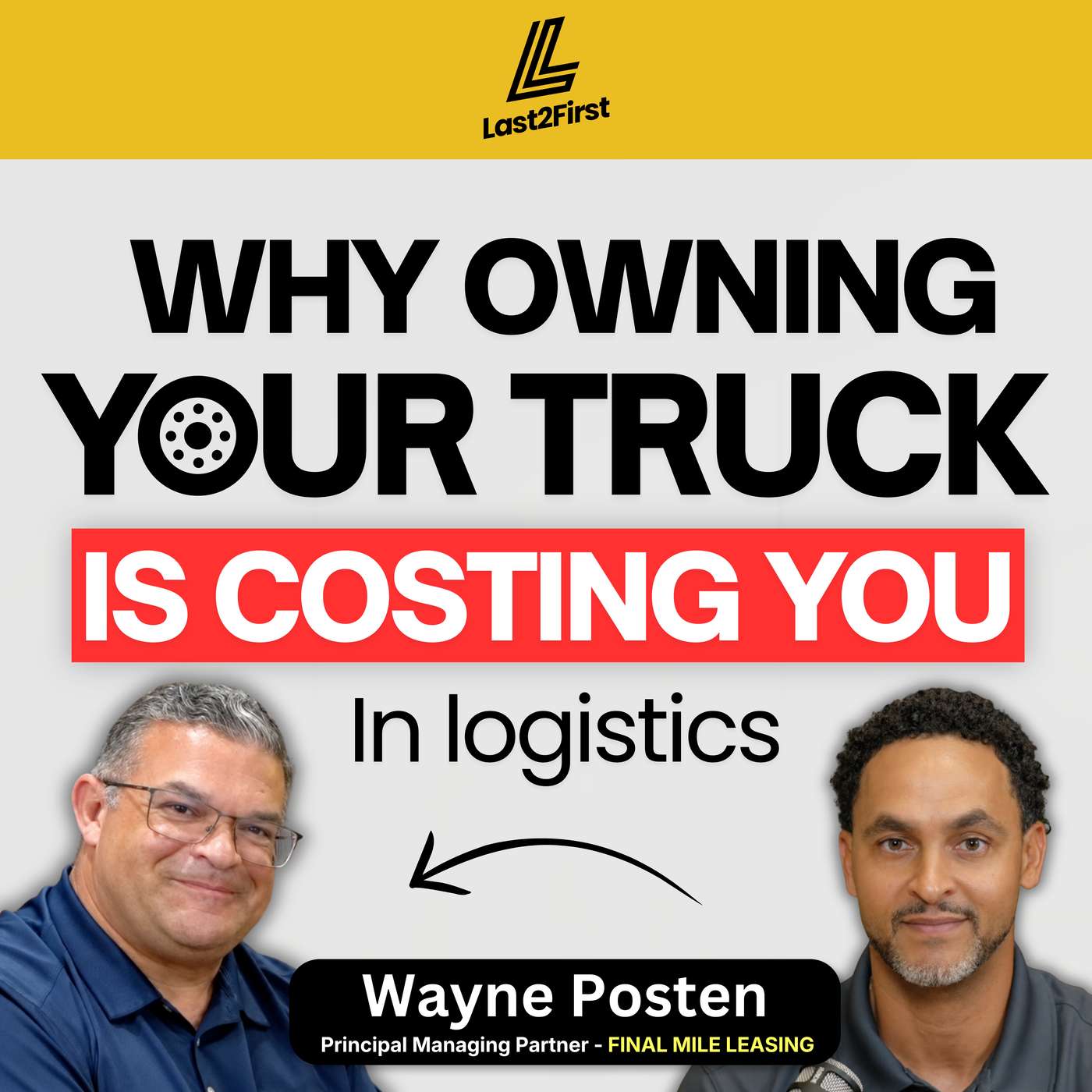
Wayne Posten spent 32 years in home delivery before building the company he runs today. He started on a truck in Atlantic City in the early '90s, became a contractor, and worked his way up to Chief Operating Officer of his own company and final mile Vice President for a billion-dollar operation. He knows exactly what it costs to be a small operator, because he spent decades as one.Now, as Managing Partner of Final Mile Leasing, Wayne has built an alternative to the big truck rental companies, one designed specifically for the one-to-ten-truck owner-operator the larger brands overlook. In this episode, Jason Burns sits down with Wayne to unpack why ownership has become so expensive for small operators, and why leasing the right way can be the smarter path.They get into why the cost of owning a truck, between financing, maintenance, insurance, and downtime, quietly eats into a small operator's margins, and how Final Mile Leasing runs 10 to 15% below the big brands by carrying less overhead. Wayne explains why he vets operators carefully instead of handing a truck to anyone who walks in, the difference between calling an 800 number and reaching a dedicated fleet manager who picks up on a Sunday, and the mentorship side of the business, including the young operator he spent three hours on the phone with who now runs 13 trucks. He also shares what 32 years in the field taught him about helping the next generation of owner-operators get in without sinking.Whether you're an owner-operator weighing leasing against buying, a small fleet trying to control costs, or someone thinking about getting into final mile, this conversation is a look at the economics of the business from someone who has lived every side of it.

Labor is one of the biggest costs in this industry. In Part 2 of our Remotely+ series, Jason Burns and co-founders Steve Schoeffler and Matt Cohen get into the economics, exactly how the savings work and where the up to 70% actually comes from.Learn more or find talent: https://www.remotelyplus.comThe founders break down the real math. A customer service or dispatch role runs a flat $2,400 to $2,500 a month through Remotely+, roughly $30,000 a year, with nothing on top. The same role hired domestically can cost $60,000 to $65,000 in salary, plus another 15 to 20% in burden for health insurance, workers comp, and tax match, pushing it past $70,000. That's before the cost they say almost nobody calculates: turnover. Rehiring, job postings, interview time, retraining, and fighting unemployment claims all add up, and none of it shows in the sticker price. They also share why retention on remote professionals has run significantly higher.The founders walk through the roles they place, from customer service and dispatch to digital marketing, bookkeeping, and even software and CRM specialists, their multi-level vetting and English proficiency testing, and the fact that there's no upfront fee and no obligation if a client doesn't hire anyone.If back office costs or constant turnover are draining your operation, this episode shows you the alternative and the numbers behind it.Guests: Steve Schoeffler and Matt Cohen, co-founders of Remotely+Listen to more episodes of the Last2First Podcast, and find the full video version on the Last2First YouTube channel.
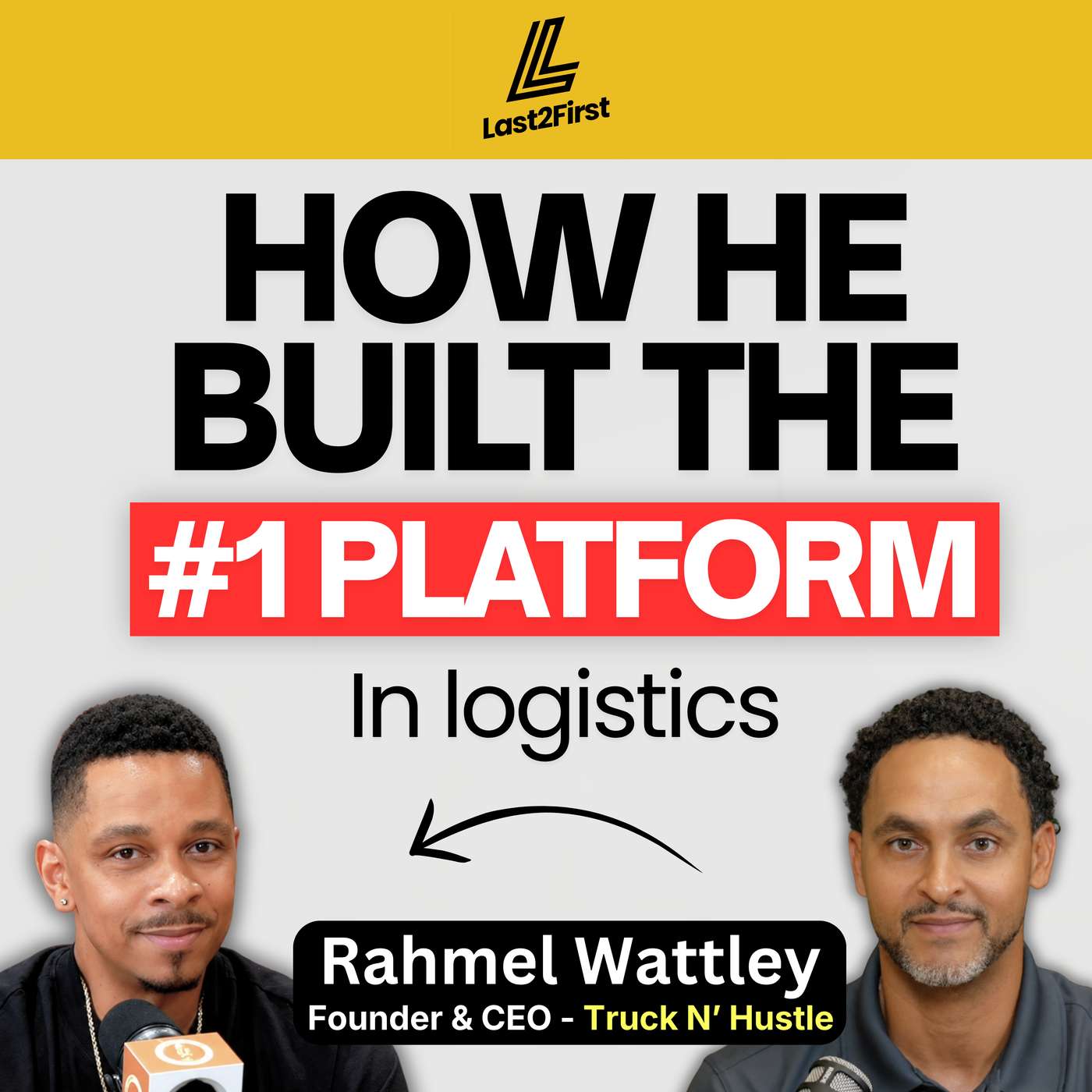
In this episode you will learn how a passion project became the biggest media brand in trucking, how to grow a niche audience that advertisers actually pay for, why relationships open more doors than resumes, and what most brands get wrong when they sponsor a podcast.In a role reversal, host Jason Burns turns the mic on Rahmel Wattley, founder and CEO of Truck N' Hustle, the number one media platform at the intersection of transportation, logistics, technology, and culture. Rahmel started with a CDL and a classified ad, built and sold a driver staffing company, then launched a podcast from his spare bedroom that has grown to over a million subscribers and more than 50 million downloads. This is his first official sit down interview as a guest.They get into his path from CDL driver to dispatcher to terminal manager to founder, why he built and sold a driver staffing company, and how relationships drove every step of his career. Rahmel shares the origin of Truck N' Hustle and why he niched down to the business of trucking, the single YouTube video that caught fire and changed everything, and why a small, focused audience beats a big, unfocused one when it comes to monetization. He also breaks down the business of podcasting: why sponsors should be long term partners rather than one time ad buys, and why founders need to get on camera and be real instead of hiding behind vanilla, over produced ads. He closes with his last to first moment, meeting his wife, and why the whole thing has always been about the people.
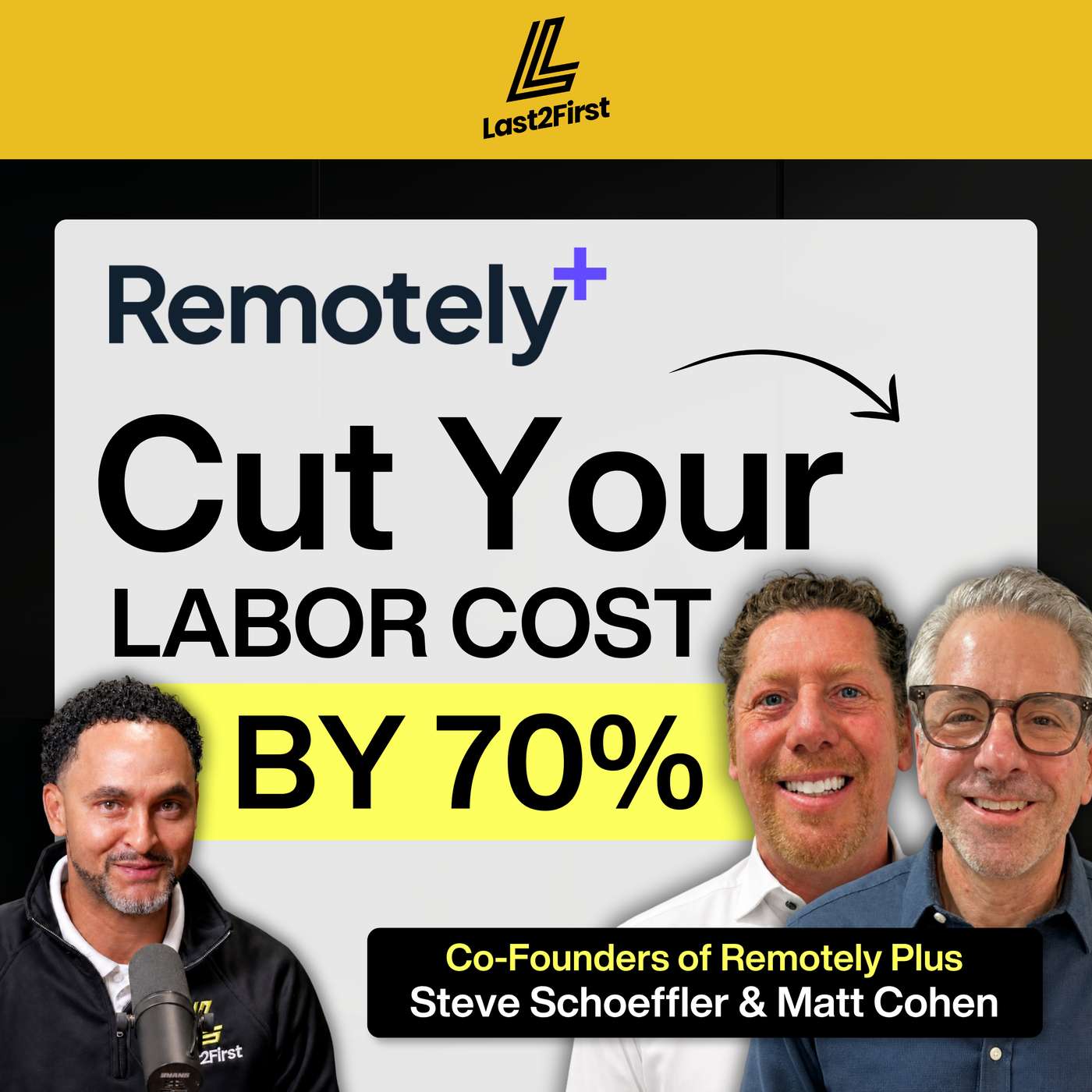
Labor is one of the biggest costs in this industry. In Part 1 of this three-part series, Jason Burns sits down with Steve Schoeffler and Matt Cohen, co-founders of Remotely+, to break down how nearshore talent from Central and South America can cut hiring costs by up to 70%.Learn more or find talent: https://www.remotelyplus.comRemotely+ places bilingual, screened, and vetted remote professionals from countries like Colombia, Panama, Honduras, Bolivia, and Argentina. What sets it apart from traditional offshore staffing is time zone alignment, so your team works your hours instead of the graveyard shift, savings of up to 70% versus hiring the same role onshore, elite professionals with high retention, no long-term contracts with fast replacements if a hire isn't the right fit, and dedicated performance coaches who run weekly check-ins. Roles commonly placed include customer support, sales, bookkeeping, marketing, dispatch, and other back-office tasks, making it a fit for logistics, warehousing, manufacturing, and any operation looking to reduce overhead without sacrificing quality.Matt Cohen spent 28 years in the promotional products space and used nearshore talent for nearly a decade before selling his company in 2025. Steve Schoeffler built and scaled large HR and staffing firms, selling one to private equity in 2018. Together with logistics operator Mike Frankel, they founded Remotely+ to bring nearshore staffing to the small and mid-sized companies the big agencies overlook.In this episode, they cover why the real cost of labor isn't the wage but the turnover that never shows up on your P&L, how COVID permanently changed trust in remote work, and why once operators make the switch, they don't go back. This is Part 1. In Part 2, the founders get into the economics and exactly how the savings break down.Listen to more episodes of the Last2First Podcast, and find the full video version on the Last2First YouTube channel.

Comments

Download from Google Play

Download from App Store
 United States