


 Claim Ownership
But Why? A Design Podcast
Subscribed: 1Played: 1
Subscribe

© But Why? A Design Podcast
Description
A space for curious minds to explore the stories, systems, and people behind the design of our everyday world.
www.butwhyadesignpodcast.com
www.butwhyadesignpodcast.com
17 Episodes
Reverse
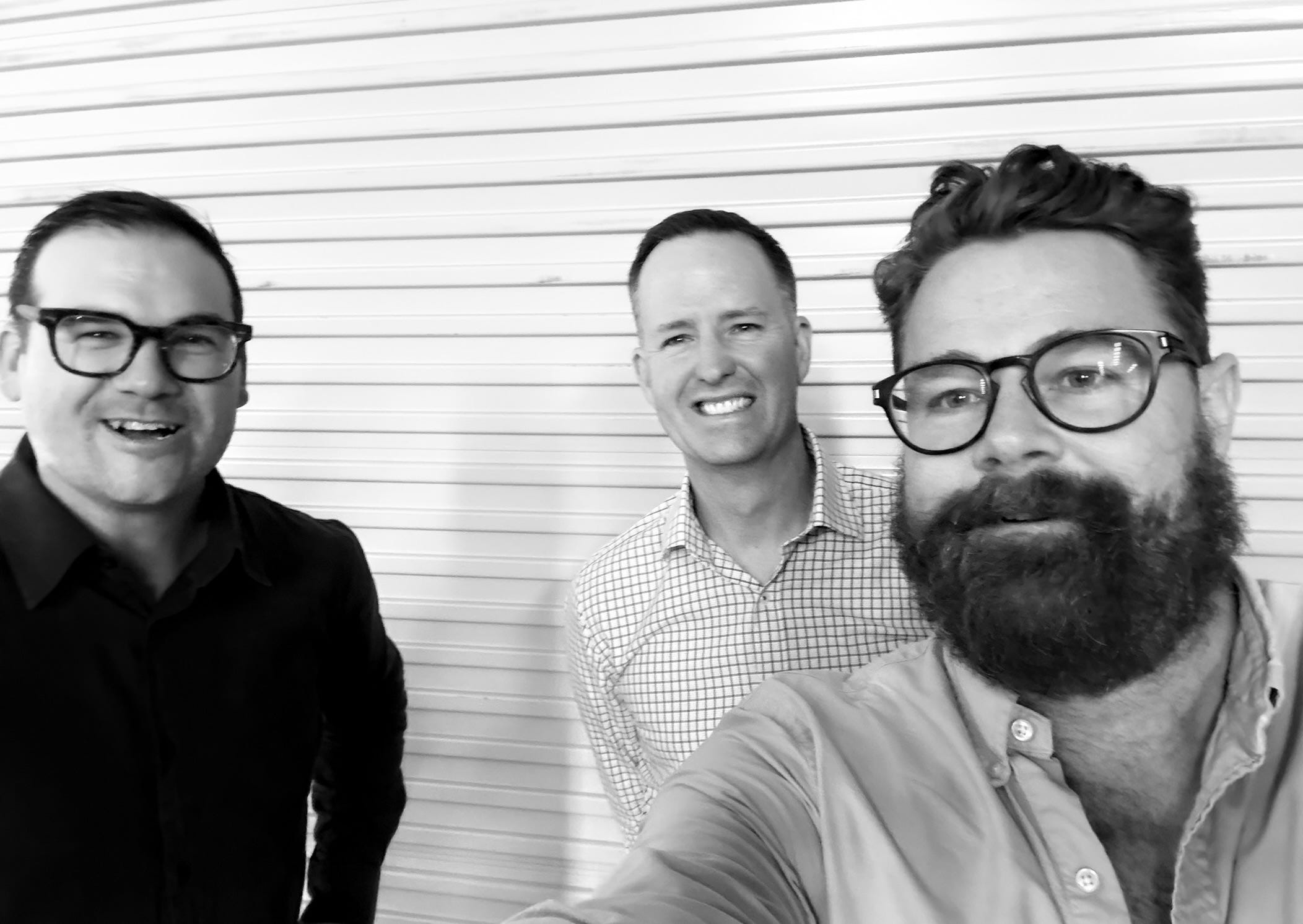
In this episode of But Why? A Design Podcast, Eugene and Stirling are joined by Justin Millar, Director of Property Solve, to explore the relationship between design and project management, and ask: Why Manage Design?Justin brings an interesting perspective to the conversation. Trained as an industrial designer, his career has taken him from superyachts and high-end interiors to workplace design, construction and ultimately client-side project management. It means he understands both the creative process and the practical realities of getting a project delivered.Our conversation explores the tension between creativity and constraint, and whether managing design limits creativity or actually creates the conditions for better outcomes. We discuss the role of time, budget and function, the difference between cost and value, and why sometimes the most valuable contribution to a design is simply asking……what is the point?This episode touches on:* The relationship between design and project management, and whether management has always been an inherent part of designing.* Why design needs a clear outcome, and what happens when the creative process is allowed to continue without boundaries.* How constraints around time, budget and function can improve rather than compromise a design outcome.* The importance of project managers needing to understand the competing interests of clients, designers, contractors and other stakeholders without automatically favouring one.* The difference between cutting cost and genuinely engineering value.* The importance in giving consultants the opportunity to explain and justify their thinking rather than defaulting to the cheapest option.* The value of independence in design review, particularly when designers become emotionally connected to their own work.* Why managing design ultimately isn't about controlling creativity, but helping turn an idea into an outcome.We hope you enjoy.Keep questioning, keep exploring, and most importantly… keep asking, But Why?Keen to Support Us?But Why? A Design Podcast is proudly an independent self-funded publication. By subscribing, you signify our content is valuable and it gives us reason to keep creating.If you are feeling generous, you can make a pledge, but if you would rather just buy us a coffee, we would love that too! Shout us a coffee through the below link:Show Links* Justin Millar LinkedIn* Property Solve* Woods BagotProduced by us.Music by Jessica Hooks. This is a public episode. If you would like to discuss this with other subscribers or get access to bonus episodes, visit www.butwhyadesignpodcast.com

In this episode of But Why? A Design Podcast, Eugene and Stirling are joined by Gavin Campbell, a designer and design advocate with more than 40 years of experience across interior design, architecture, project leadership, branding and the broader design profession.Gavin’s career has included major commercial, healthcare and infrastructure projects, alongside longstanding involvement with the Design Institute of Australia (DIA), including as National President. Throughout that time, he has maintained a strong interest in what defines good design, the responsibility designers carry, and how the profession recognises and promotes quality.Together, we explore the topics of Why do we need design awards?Our conversation examines what design awards should be recognising and whether some have become more focused on aesthetics, marketing and commercial opportunity than good design. Gavin challenges awards programs to look beyond the ‘beauty pageant’, arguing for greater honesty, stronger criteria and a deeper interrogation of the design process - including the constraints, compromises and decisions that shaped the final outcome.This episode touches on:* The construct of putting the word “designer” in front of a product doesn’t automatically make it good design.* The idea of ‘award washing’ and whether the term ‘award-winning’ has become devalued.* The importance of clear criteria, rigorous judging and understanding what an awards program actually stands for.* Potential conflict between sponsorship, entry fees and maintaining the independence and integrity of awards.* Why social, cultural and environmental responsibility should be embedded within good design rather than treated as separate award categories.* The value of asking designers what didn’t work and unresolved challenges.* How awards programs offer opportunity for design teams to stop, reflect and understand the value they created.We hope you enjoy.Keep questioning, keep exploring, and most importantly… keep asking, But Why?Keen to Support Us?But Why? A Design Podcast is proudly an independent self-funded publication. By subscribing, you signify our content is valuable and it gives us reason to keep creating.If you are feeling generous, you can make a pledge, but if you would rather just buy us a coffee, we would love that too! Shout us a coffee through the below link:Show Links* Hungry Puffs* Design Institute of Australia* Dieter Rams – Ten Principles for Good Design* Victor Papanek – Design for the Real WorldProduced by us.Music by Jessica Hooks. This is a public episode. If you would like to discuss this with other subscribers or get access to bonus episodes, visit www.butwhyadesignpodcast.com

In this episode of But Why? A Design Podcast, Eugene and Stirling are joined by Emily Wills, designer, design educator and interdisciplinary researcher whose work explores the intersection of clothing, textiles, culture and sustainability.Emily has spent more than two decades working across design practice and education, challenging many of the assumptions surrounding the clothing industry. Rather than viewing clothing through the lens of fashion, she advocates for a broader conversation about design responsibility, material value, human labour and environmental impact.Together, we explore the provocative idea behind this episode’s title: Fashion Can’t Be Sustainable. Emily believes that fashion depends on continual novelty and consumption, it cannot genuinely be sustained. Instead, she proposes we stop thinking about fashion altogether and start thinking about clothing as a responsible design discipline focused on longevity, repair, quality and genuine human need.This episode touches on:* Why the word fashion has become incompatible with sustainability.* How trends and the pursuit of constant newness drive overconsumption.* The hidden environmental and social costs behind inexpensive clothing.* Why responsible clothing extends beyond environmental impacts to include fair labour and human wellbeing.* How the true value of clothing is disconnected from the price consumers pay.* Why quality, durability and longevity should replace quantity and convenience.* The challenges of recycled materials, microplastics and the complexity of choosing ‘better’ materials.* Why slowing consumption may ultimately be more important than improving recycling.* The role government policy, education and consumer behaviour can play in reshaping the future of clothing.We hope you enjoy.Keep questioning, keep exploring, and most importantly… keep asking, But Why?Keen to Support Us?But Why? A Design Podcast is proudly an independent self-funded publication. By subscribing, you signify our content is valuable and it gives us reason to keep creating.If you are feeling generous, you can make a pledge, but if you would rather just buy us a coffee, we would love that too! Shout us a coffee through the below link:Show Links* Emily Wills LinkedIn* Curtin University School of Design & Built Environment* The True Cost documentary* Terry Pratchett’s Boot Theory of Socioeconomic UnfairnessProduced by us.Music by Jessica Hooks. This is a public episode. If you would like to discuss this with other subscribers or get access to bonus episodes, visit www.butwhyadesignpodcast.com

In this episode of But Why? A Design Podcast, Eugene and Stirling are joined by Jonathan Lake, Director of GA Architecture, member of Curtin University’s School of Design Advisory Board, and Adjunct Fellow at the University of Notre Dame Australia.Jonathan has spent many years designing outcomes that place people at the centre of the built environment, through private residences, public spaces, social housing, community buildings and commercial workplace projects. Throughout his career he has challenged the traditional separation between architecture and interior design, believing that great buildings are ultimately judged by how they make people feel and function, not simply by how they look.Together, we explore the topic of: Why does architecture need interior design?Our conversation explores the relationship between architecture and interiors, why these disciplines have become increasingly siloed, and how reconnecting them can lead to more meaningful, adaptable and human-centred places. Jonathan shares why designing for experience should begin long before finishes are selected, and why empathy, collaboration and curiosity remain some of the most powerful design tools available.This episode touches on:* Why people experience buildings primarily from the inside, making interior thinking fundamental to great architecture.* How architecture and interior design have become increasingly separated through education, procurement and industry structures.* Why designing for human experience should begin during the earliest stages of briefing and concept development, not after development approval.* The importance of designing for everyday life rather than simply creating iconic buildings.* How collaboration between architects, interior designers and other specialists creates stronger long-term project outcomes.* Why adaptability allows buildings to remain relevant as users, technology and communities evolve.* The role empathy, listening and stakeholder engagement play in creating spaces that genuinely improve people’s lives.* Lessons from projects ranging from social housing and community facilities through to commercial workplaces and cultural buildings.* Why great design isn’t about protecting professional boundaries, but about solving problems together.We hope you enjoy.Keep questioning, keep exploring, and most importantly… keep asking, But Why?Keen to Support Us?But Why? A Design Podcast is proudly an independent self-funded publication. By subscribing, you signify our content is valuable and it gives us reason to keep creating.If you are feeling generous, you can make a pledge, but if you would rather just buy us a coffee, we would love that too! Shout us a coffee through the below link:Show LinksGA ArchitectureJonathan Lake LinkedInCurtin University School of Design & Built EnvironmentUniversity of Notre Dame AustraliaAlvar AaltoJørn UtzonProduced by us.Music by Jessica Hooks. This is a public episode. If you would like to discuss this with other subscribers or get access to bonus episodes, visit www.butwhyadesignpodcast.com

For the eleventh episode of But Why? A Design Podcast, we are joined in studio by Gordon Bateup. Gordon leads a Perth-based Project Management business and is the founder of Green Chair - a social enterprise established to connect physical items of value with people in need.Gordon spent a good chunk of his career as a quantity surveyor which he describes as ‘an accountant of the construction industry’ before establishing himself as a hands on and inquisitive Project Manager. In 2020, after witnessing years of nonsensicle waste as a by-product of the commercial property industry he took action and established Green Chair which has since helped a number of non-profit and other worthy organisations receive over 65,000 units of quality furniture, white goods, technology and other items.We loved being candid in this conversation with Gordon, while also sitting in admiration for the impact he has had in taking action over the past six years. This is someone who cares enough to be motivated to influence better outcomes for what would traditionally end up in landfill.In this conversation we explore: * What motivated the establishment of a social enterprise.* The ‘ghost economy’ and some of the structures that enable it.* Short term cost uplift vs long term value retention.* Ensuring those less equipped to deal with trash don’t become a pseudo landfill.* Who is, and shouldn’t be, scared of second-life product being normalised.* The unexpected benefits for people involved in the process.* What interior designers and manufacturers could do to minimise what Green Chair struggles to re-home.We hope you enjoy.*please note that during this episode we mention the late Adam Paikos-Coe who was an absolute champion of a designer who passed away too soon. We apologise in advance if this surfaces undesired emotions for our listeners. We felt it was important that the content remained as Adam was an instigator and convener of impactful design decisions that have informed and inspired the approach of many (including us) since. Keep questioning, keep exploring, and most importantly… keep asking, But Why?Keen to Support Us?But Why? A Design Podcast is proudly an independent self-funded publication. By subscribing, you signify our content is valuable and it gives us reason to keep creating.If you are feeling generous, you can make a pledge, but if you would rather just buy us a coffee, we would love that too! Shout us a coffee through the below link:Show LinksBateup ConsultingGreen ChairProduced by us.Music by Jessica Hooks. This is a public episode. If you would like to discuss this with other subscribers or get access to bonus episodes, visit www.butwhyadesignpodcast.com

Comments

Download from Google Play

Download from App Store
 United States