


 Claim Ownership
Is this the norm?
Subscribed: 2Played: 10
Subscribe

© Copyright 2026 Is this the norm?
Description
Is this the norm?
44 Episodes
Reverse
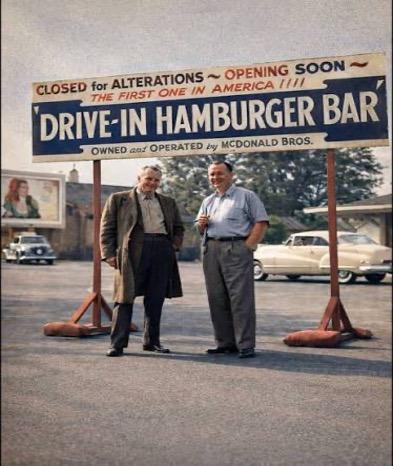
In this episode of "Is This The Norm?", sisters Lora, Rebecca, and Heather dig into the surprising origins of McDonald's — long before Ray Kroc built the empire we know today. The story follows brothers Dick and Mac McDonald from their humble beginnings in New Hampshire, through failed Hollywood dreams and a Great Depression-era movie theater, to their groundbreaking fast food innovations in San Bernardino: the Speedee Service System designed on a tennis court, the iconic Golden Arches, the perfection of the french fry, and the birth of franchising. Watch for the second episode coming soon!McDonald’s Historyhttps://corporate.mcdonalds.com/corpmcd/our-company/who-we-are/our-history.htmlThe Story of How McDonald’s First Got Its Starthttps://www.smithsonianmag.com/history/story-how-mcdonalds-first-got-its-start-180960931/Ray & Joanhttps://rayandjoan.com/fact-checking-the-founder/
Join Lora, Heather and Rebecca as they cover The Great Recession and its impact on the "Lost Generation". Lora walks through how low interest rates in the early 2000s led banks to issue mortgages to unqualified buyers driving up housing prices. When rates climbed, borrowers with adjustable-rate mortgages (ARMs) couldn't afford payments, demand collapsed, and home values plummeted causing the housing bubble burst. The crash spread to the broader economy causing reduced spending, higher unemployment, and global impact through interconnected financial markets.References: https://www.britannica.com/money/great-recessionhttps://cfi.co/northamerica/2025/04/driving-through-the-storm-how-ford-avoided-a-bailout-and-steered-towards-the-future/https://explaininghistory.org/2026/05/04/tarp-and-the-bank-bailouts-did-the-government-save-or-sell-out/Chrome AI overviewWikipedia
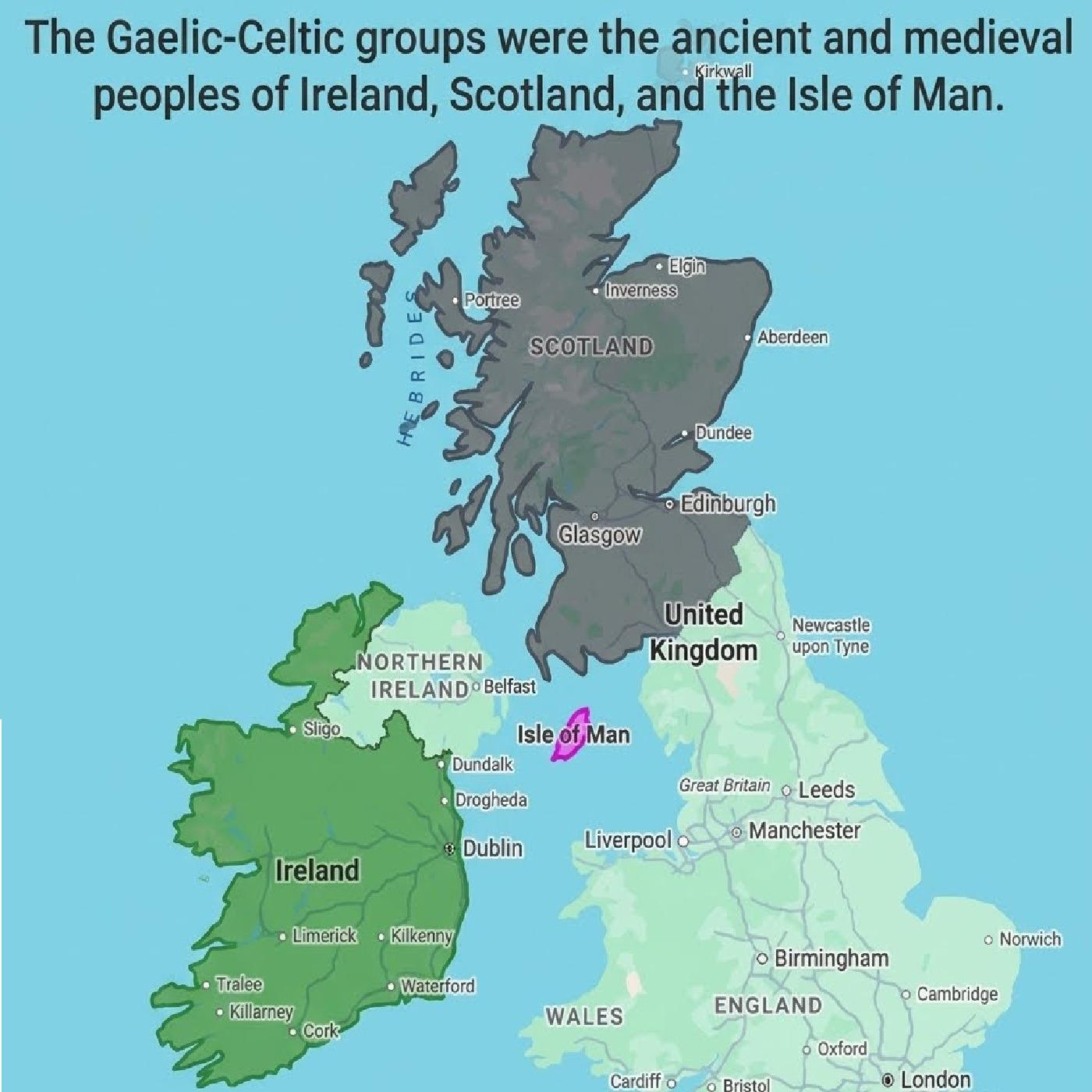
In this episode of Is This The Norm podcast hosted by three sisters, Rebecca, Heather, and Lora — Rebecca leads a deep dive into the ancient Irish myth "The Adventure of Nera" (Echtra Neraí) from the Ulster Cycle, connecting it to the origins of Halloween through the Celtic festival of Samhain. The tale follows Nera, a warrior of Connacht who, on a Halloween dare, ends up carrying a dead man on his back to find him a drink. They pass three houses — each protected (or not) by household practices tied to fire-tending and water cleanliness — before the corpse kills the inhabitants of the unprotected house by spitting cursed water in their faces. Nera then follows a fairy host into a sidhe (fairy mound), where he sees a vision of his people's destruction on the next Samhain, takes a fairy wife, and ultimately chooses to remain in the fairy realm forever after warning his people. The sisters unpack the folk customs embedded in the story — keeping a clean house on Samhain, never traveling alone after dark, wearing disguises to fool spirits, and leaving food for the dead — and connect them to modern Halloween traditions like costumes, trick-or-treating, and cautionary tales, all woven together with their signature sisterly banter about mustaches, family dynamics, and childhood memories.
References
The adventures of nera. (n.d.). Retrieved October 11, 2026, from https://www.ucc.ie/en/media/academic/seanmeanghaeilge/cdi/texts/Meyer-Echtra-Nerai.pdf
The adventures of nera. (2026). Maryjones.Us. https://www.maryjones.us/ctexts/nera.html
Three sisters — Lora, Rebecca, and Heather unpack the dark side of MLM companies. Lora opens by tracing the history of financial scams from Charles Ponzi's 1920 Ponzi scheme, to illegal pyramid schemes, to the legally gray world of multi-level marketing.References:https://en.wikipedia.org/wiki/Ponzi_schemeChrome AI copilothttps://www.youtube.com/c/HannahAlonzo
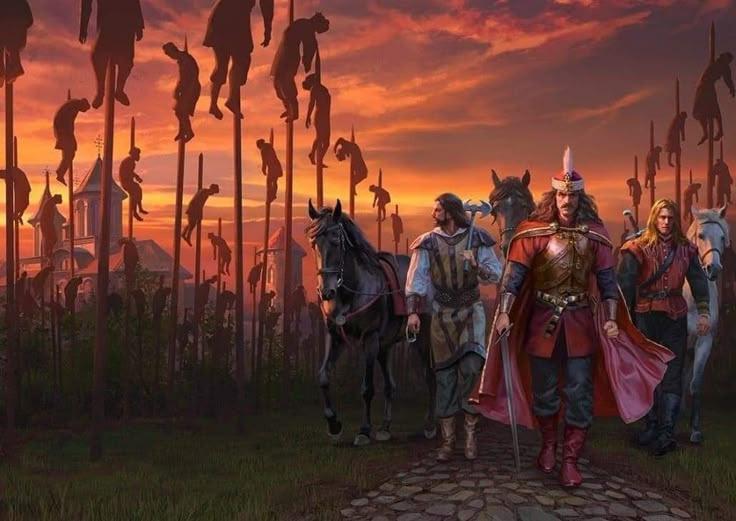
In this episode of "Is This The Norm?", hosts Heather, Rebecca, and Lora explore the real history behind the world's most famous vampire. Heather traces the story of Vlad III of Wallachia — better known as Vlad the Impaler — from his childhood as a political hostage in the Ottoman court to his brutal reign of terror, including the mass impalements that earned him his infamy. The discussion covers how Bram Stoker borrowed Vlad's name and aura of darkness for his 1897 Gothic novel, the evolution of Dracula on screen from monstrous creature to romantic heartthrob, and how Gothic literature — from Frankenstein to Dr. Jekyll and Mr. Hyde — shaped our fascination with the macabre. The episode wraps with a lively debate about why vampires became romanticized while the real history remains far more horrifying than any fiction.References:Vlad the Impaler: The medieval Prince who inspired Draculahttps://www.livescience.com/40843-real-dracula-vlad-the-impaler.htmlVlad the Impalerhttps://www.britannica.com/biography/Vlad-the-ImpalerThe Impalings of Vlad the Impalerhttps://www.medievalists.net/2025/12/impalings-vlad-the-impaler/

Comments

Download from Google Play

Download from App Store
 United States