


 Claim Ownership
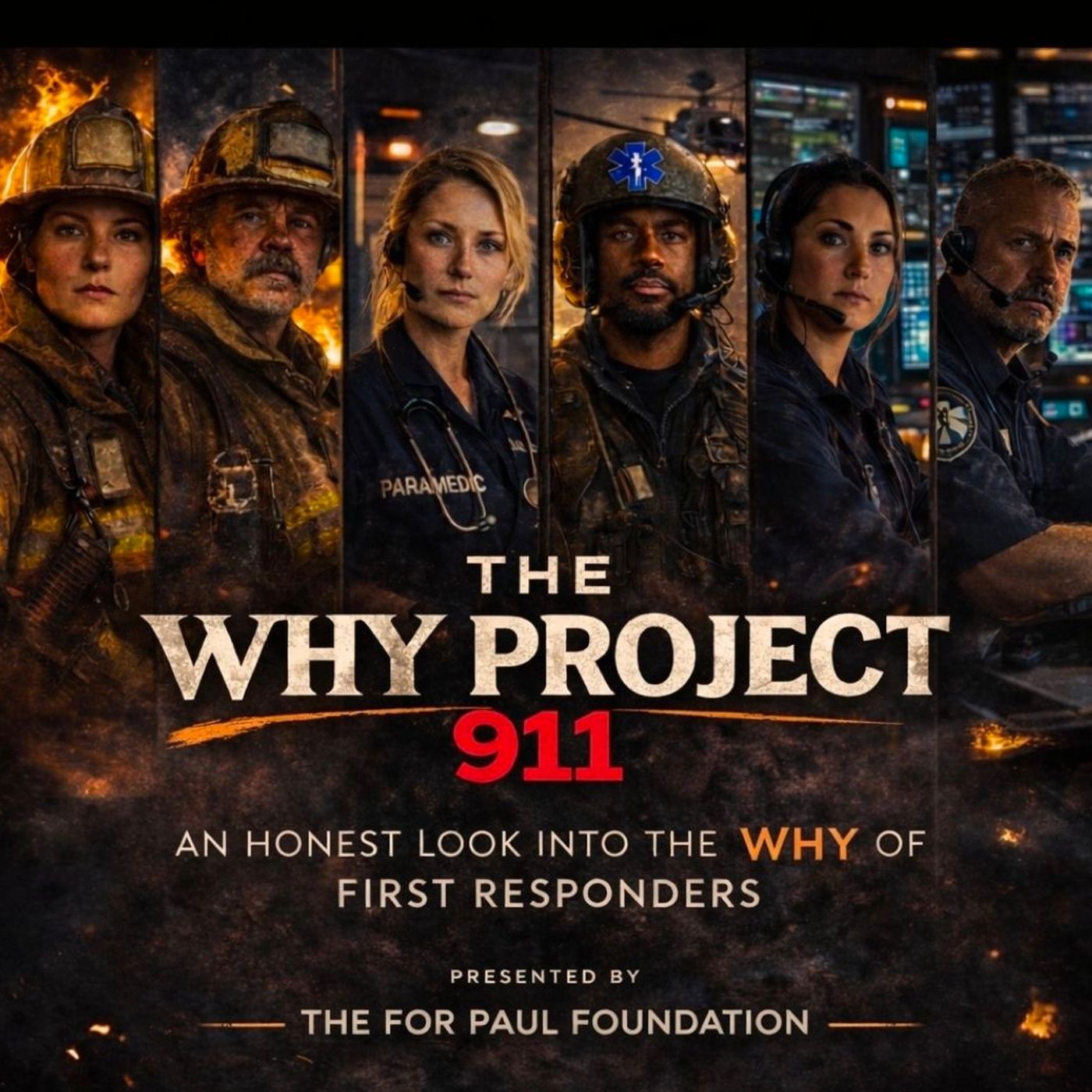
 The WHY Project 911
Subscribed: 0Played: 4
Subscribe

© 2026 Mickey Tofexis
Description
An honest look into the WHY of first responders presented by The For Paul Foundation
25 Episodes
Reverse
In this episode, Mickey and Kelly discuss the critical roles of nurses and first responders in emergency management, emphasizing the importance of mental health, communication, and collaboration between different emergency services. Kelly shares her extensive experience in trauma care and the need for better integration and support systems for first responders. The conversation explores the challenges faced by the nursing profession post-COVID, highlighting generational differences in work ethic, the importance of communication in leadership, and the need for collaboration between first responders and healthcare providers to improve patient outcomes.TakeawaysMental health is crucialCollaboration enhances emergency care Emphasize continuous learningFoster open communicationChapters00:00 Introduction to Trauma Girl RN01:45 Kelly's Journey in Emergency Management04:28 The Importance of Loop Closure07:14 Mental Health in First Responders13:08 Improving Relationships Between EMS and Hospitals18:12 The Role of Healthcare Coalitions22:39 The Value of Competitions in EMS25:38 Engaging the Younger Generation in Healthcare26:27 Challenges in Nursing Education Post-COVID30:35 Generational Differences in Work Ethic34:46 The Importance of Communication in Leadership39:58 Navigating Difficult Conversations44:20 The Bigger Picture in First Responder Roles49:00 Improving Trauma Patient Outcomes Through Collaboration
In this episode of the Why Project 911, Derek Bagshaw shares his journey through the ranks of the fire service, emphasizing the importance of leadership, culture, and accountability. He discusses the significance of building relationships and trust within a team to foster a positive culture in the fire department. The conversation focuses on the importance of building a positive culture within fire departments, emphasizing trust, accountability, and effective communication. Derek Bagshaw and Mickey discuss their experiences in leadership roles, the significance of training, and the need for mutual respect among team members.TakeawaysLeadership through relationship buildingImportance of culture in fire service Building trust through shared challengesEffective communication fosters accountabilityChapters00:00 Introduction to Derek Bagshaw03:00 Derek's Journey in the Fire Service06:04 The Importance of Rank Experience09:58 Earning Respect in Leadership12:00 The Culture Code Class15:58 Building a Positive Culture19:00 Training and Trust in Teams23:01 Building Trust Through Shared Challenges24:14 Expectations and Accountability in Leadership27:37 Navigating Negative Culture in the Workplace30:06 Creating a Positive Training Environment32:47 Understanding Generational Differences in Communication36:25 The Importance of Personal Connections in Leadership40:32 The Role of Senior Members in Firehouse Culture43:51 Taking Responsibility for Training and Development44:10 Defining Personal and Professional 'Whys'
Mariah Fenwick, a 911 dispatcher with 17 years of experience, discusses the challenges and importance of dispatching for fire, police, and EMS. She emphasizes the need for critical thinking, communication, and flexibility in handling emergency calls. Mariah also highlights the significance of training, teamwork, and collaboration between dispatchers and first responders. The conversation covers the importance of communication and feedback between dispatchers and first responders, the value of open communication and support during emergency incidents, and the training and recruitment of new dispatchers.TakeawaysCritical thinking in emergency dispatchImportance of training and collaboration between dispatchers and first responders Communication and feedback between dispatchers and first responders is crucialOpen communication and support during emergency incidents is essentialTraining and recruitment of new dispatchers is a key focusChapters00:00 Introduction to Mariah Fenwick02:27 Dispatching Fire, Police, and EMS05:14 The Role of Dispatchers in First Response09:10 Training and Collaboration15:31 Dealing with Conflict and Communication22:56 Critical Thinking and Flexibility in Dispatching27:08 Communication and Feedback in Emergency Incidents29:02 Support and Feedback for Dispatchers35:22 Recruitment and Training of New Dispatchers42:51 Challenges and Funny Stories in Dispatching
The conversation delves into the world of firefighter fitness, Chantel's journey to becoming a firefighter, her aspirations and leadership in the fire service, competing in firefighter challenges, inspiring and mentoring young females, Camp Ignite's impact, generational differences in the fire service, and leadership and growth in the fire service. The conversation covers topics related to leadership, mental health, crew dynamics, technical difficulties, fitness and training support, the Why Project, social media and networking, training and learning opportunities, and overcoming challenges and pursuing goals.TakeawaysFirefighter fitness encompasses physical, mental, and technical skills.Mentoring and inspiring the next generation of firefighters is crucial for the future of the fire service. Leadership involves recognizing and addressing mental health issues within the crew.Building strong relationships and understanding crew dynamics are essential for effective leadership.Social media and networking provide valuable learning and networking opportunities for firefighters.Chapters00:00 Introduction to Firefighter Fitness01:08 Chantel's Journey to Becoming a Firefighter02:30 Aspirations and Leadership in the Fire Service04:06 Competing in Firefighter Challenges07:19 Inspiring and Mentoring Young Females11:36 Camp Ignite: Empowering Future Firefighters17:56 Generational Differences in the Fire Service24:16 Leadership and Growth in the Fire Service26:49 Leadership and Mental Health27:41 Building Relationships and Crew Dynamics29:35 Technical Difficulties34:10 Fitness and Training Support35:57 The Why Project and Giving Back37:41 Social Media and Networking40:14 Training and Learning Opportunities43:27 Overcoming Challenges and Pursuing Goals
The conversation covers the experiences and insights of Uncle Larry, a retired firefighter paramedic, as he discusses the significance of leadership, behavioral health, and decision-making in the fire department. He emphasizes the importance of presence and accessibility as a leader, highlighting the challenges and rewards of the role. The conversation covers topics related to leadership, team building, retirement, transition, expectations, role clarity, career reflection, promotion, and professionalism in the fire service. It provides insights into the challenges and rewards of a career in the fire service, emphasizing the importance of leadership, preparation, and professionalism.TakeawaysLeadership is a choiceThe importance of presence and accessibility as a leader Leadership is about setting an example and engaging in team-building activities.Retirement from the fire service requires realistic expectations and a transition to a new identity.Role clarity and clear expectations are essential for effective team performance.The fire service career offers both challenges and rewards, shaping individuals into the professionals they become.Promotion in the fire service requires a balance of authority, respect, and professionalism.Chapters00:00 The Best Job in the World02:18 Leadership in the Fire Department10:50 Behavioral Health and Leadership18:48 Scenarios and Decision Making27:50 The Ministry of Presence29:05 Leadership and Team Building32:03 Retirement and Transition40:03 Expectations and Role Clarity45:55 The Job and Career Reflection53:34 Promotion and Professionalism

Comments

Download from Google Play

Download from App Store
 United States