


 Claim Ownership
Silence, Brand! LIVE
Subscribed: 0Played: 0
Subscribe

© Silence, Brand!
Description
A (probably) weekly live stream where our crabby crew chats about breaking in marketing and internet culture. Our team of award-winning brand marketers and culture experts trawls the depths of the social internet, catching trends as they bubble up, so you’re prepared when they surface. Featuring Dayna Castillo, Ryan Benson, Dejaih Smith, and Benton Williams.
silencebrand.substack.com
silencebrand.substack.com
30 Episodes
Reverse
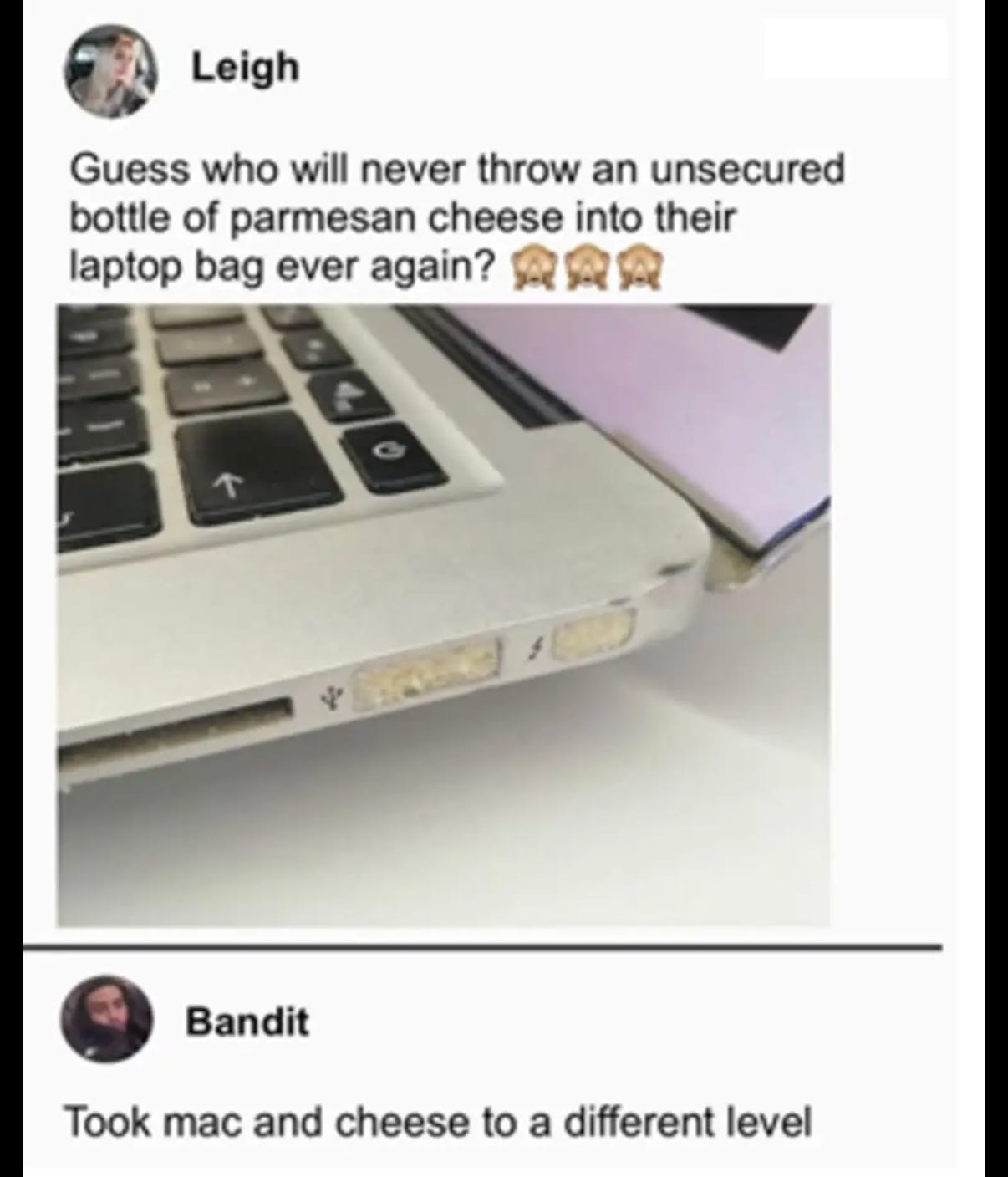
Welcome to Silence, Brand!, a potluck of internet absurdity at the intersection of brand marketing and internet culture written by a collective of award winning digital marketing professionals.If you like what we do, please consider becoming a paid subscriber.In this week’s Silence, Brand! Live, we we opened with a firsthand investigation into Kraft’s disastrous Pocket Parm rollout before spiraling into TikTok’s newest comment-sharing feature, a livestreaming creator bringing back the joy of pandemic-era internet entertainment, a North Carolina pizza shop that accidentally mastered social strategy, Chipotle’s enormous bag, and a Pringles sweepstakes that requires participants to be dead.Between pop-up activations that forgot to tell people where to pop up, creators finding success by being themselves, and brands discovering increasingly elaborate ways to get attention, we kept returning to one question: what happens when brands get so caught up in the campaign that they forget about the people it’s supposed to reach?🦀 Silence, Brand! Live is powered by Ecamm, a live streaming and video production tool that basically turns your laptop into a full-on studio by switching cameras, dropping graphics, sharing screens, and pushing your stream to multiple platforms like Substack, LinkedIn, and Instagram, all at once without everything catching on fire.If you’ve ever wondered how we’re juggling all of this in real time, it’s Ecamm doing the heavy lifting.Get 15% off your first purchase at Ecamm with promo code SILENCEBRAND 🦀Topics on the table:Kraft’s Pocket Parm activation was a hot mess on wheels. Ryan managed to acquire Kraft Natural Cheese’s miniature Parmesan shakers after chasing a promotional truck around Los Angeles, and the experience was apparently more difficult than obtaining pit tickets for the Eras Tour. The campaign featured confusing schedules, vague locations, last-minute changes, and a truck that sometimes drove away before people could find it. The product was cute!The experience was an endurance test!A beautifully designed campaign deck doesn’t help someone find a truck that’s already driven away.A pop-up still requires actual planning. Kraft’s promotional materials listed multiple locations without sufficiently clear timing or directions, leaving consumers to play an involuntary game of Where’s Waldo with a flatbed truck. At one point, Ryan followed the truck around USC while campus police repeatedly moved it along. Meanwhile, frustrated customers were met with responses directing them back to captions that hadn’t answered their questions in the first place and in other instances, being met with captions on posts being turned off all together. We discussed the difference between manufacturing excitement and manufacturing inconvenience, because people shouldn’t need a private investigator to obtain a tiny bottle of Parmesan shaky cheese.TikTok is finally acknowledging that culture happens in the comments. TikTok’s new comment-reposting feature lets people amplify individual comments, introducing another layer of participation beyond making videos or replying directly. We compared it to Tumblr reblogs and quote tweets, although the execution still feels a little half-baked. For brands, it creates an opportunity to acknowledge conversations without barging into someone’s replies. For everyone whose greatest internet accomplishment is getting the top comment, it might finally be time to update the résumé.LoozeCannon1 is bringing back the joy of 2020 TikTok. We checked in on creator loozecannon1 whose freestyle Michael Jackson impersonations and nightly livestream battles have been attracting enormous audiences. One battle reportedly peaked around 50,000 viewers and 50 million likes, with fans spending real money on virtual gifts simply because they enjoyed the entertainment. We discussed how his success resembles the early days of comfort streaming, when people gathered online to watch creators do something entertaining without being constantly pushed toward a shopping cart. Brands looking to participate should pay attention to what already makes the experience enjoyable, rather than trying to turn the whole thing into an advertisement. Pizza Vino discovered that repetition is a feature, not a bug. A North Carolina pizza shop has been gaining attention on TikTok thanks to Zach, an employee whose straightforward delivery, distinctive mannerisms, and extremely simple videos have become their own recognizable format. He asks questions, tells people about the pizza or sweet tea, swings his arms around a little, and gets millions of views. We compared his newer videos with the restaurant’s older, more conventionally produced content and discussed why the less polished approach works better. Sometimes the best social strategy is to stop trying to look like a commercial and simply tell people that the restaurant sells pizza. Is it authentic if the creator knows it’s a bit? Zach’s success prompted a debate about where genuine personality ends and deliberate performance begins. His mannerisms seem to become more exaggerated as the videos progress, but that doesn’t necessarily make the content less authentic. We landed somewhere around the idea that he knows what people enjoy about him and has learned how to amplify it. There’s a difference between developing a recognizable persona and manufacturing a personality from scratch. Also, he has sweet tea.TikTok creators are becoming the entertainment industry. We celebrated creator Ashby’s move into an off-Broadway opportunity before discussing TikTok’s plans to co-produce creator-led micro-series. The conversation expanded into vertical dramas, AI-generated entertainment, and the possibility of TikTok developing its own original programming. We compared the platform’s ambitions to the early days of Netflix originals, when streaming companies began evolving from distributors into studios. Creators are already building audiences and developing recognizable characters online. The next question is how those relationships translate into longer-form entertainment.Chipotle made a big-ass bag, and we had questions. Chipotle brought back its enormous branded to-go bag, which is apparently large enough to compete with IKEA’s iconic blue shopping bag. The campaign leaned into the absurdity with comparisons to other recognizable retail totes, including bags from Trader Joe’s and Gap. We discussed whether the oversized accessory was a fashion statement, a catering announcement, or simply an opportunity to say “big ass” on the brand’s Instagram. We also briefly confused it with a completely different $425 designer bag, because nothing says modern consumer culture like accidentally conducting luxury handbag research during a burrito giveaway.Pringles wants to put you in a can when you die. For Halloween, Pringles introduced a sweepstakes offering 200 years’ worth of chips, complete with funeral-themed creative and references to a last will and “tastement.” The campaign draws on the real brand lore surrounding the inventor of the Pringles can, who reportedly wanted his ashes buried in one. We appreciated the connection to the product’s history, but also discussed how brands navigate humor about death when audiences are increasingly exposed to real-world tragedy. Liquid Death may have normalized morbid marketing, but that doesn’t mean every consumer is necessarily ready to joke about their own funeral arrangements.Kelly Clarkson accidentally started a luxury furniture PR crisis. After Kelly Clarkson shared an experience of being dismissed at a Brooklyn boutique, the situation escalated into a public controversy. We discussed footage of the interaction, the shop owner’s increasingly defensive response, and the reported decision to dramatically raise the item’s price. Rather than treating the situation as an opportunity for accountability or even a playful resolution, the store appeared to be making the situation worse. We also considered whether Clarkson’s point was less about being a celebrity who wasn’t recognized and more about how the store might treat an ordinary customer who doesn’t look wealthy.AI might finally help us escape Big Printer Ink. We discussed reports of people using chatbots and reverse-engineering tools to work around HP printer restrictions that prevent certain third-party cartridges from functioning. The idea of using AI to regain control over a product someone already owns was appealing, even as the conversation expanded into broader concerns about cybersecurity and increasingly powerful AI systems.Good marketing isn’t necessarily complicated, but it does require understanding what people actually want from the experience. Pizza Vino found success by stripping away unnecessary production and giving audiences a recognizable personality. Loose Cannon built a community around entertainment people genuinely wanted to watch. Kraft, meanwhile, managed to make a highly desirable product unnecessarily difficult to obtain.Brands spend enormous amounts of time trying to manufacture attention, but attention is only valuable when the experience behind it delivers.We’ll be back next week with more internet anthropology, questionable campaign logistics, and whatever new consumer product requires us to conduct a citywide search and rescue operation.Our Lives are available as podcasts on Apple Music and Spotify.¯\_(ツ)_/¯ Like and subscribe if you don’t want to look at us while we yap.And follow @silencebranddotnet on IG while youre at it.We hope you enjoyed this installment of Silence, Brand!—a tri-weekly, late-night potluck of internet absurdity 🦀Ryan J DiLazio • Dayna Castillo • Dejaih Smith • Janine DavisOur team of award-winning brand marketers and culture experts trawls the depths of the social internet, catching trends as they bubble up, so you’re prepared when they surface.In addition to our newsletter, we offer bespoke cultural intelligence services for agencies and
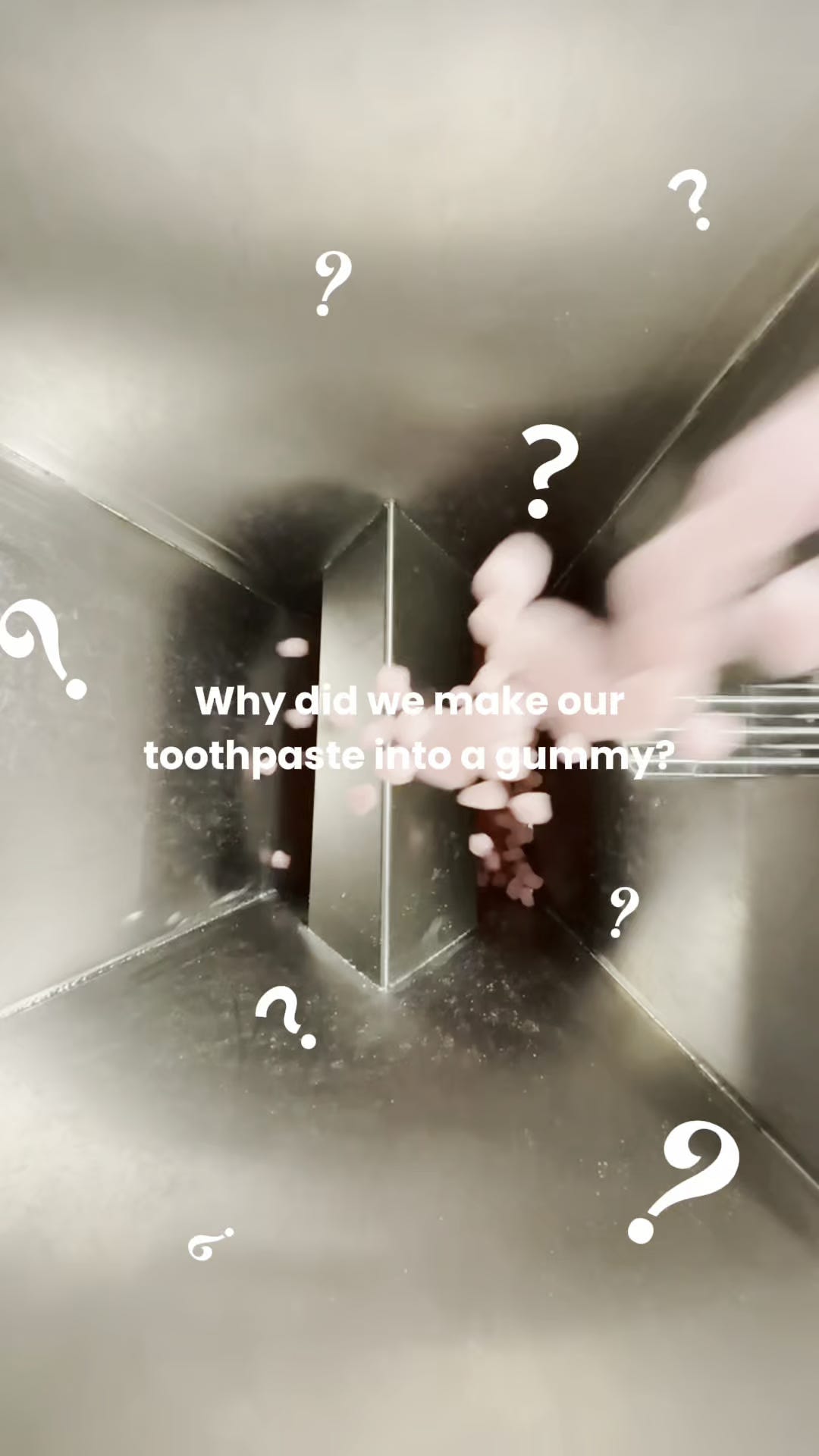
Welcome to Silence, Brand!, a potluck of internet absurdity at the intersection of brand marketing and internet culture written by a collective of award winning digital marketing professionals.If you like what we do, please consider becoming a paid subscriber.In this week’s Silence, Brand! Live, we opened with a thorough investigation into Uncle Pussy and his increasingly complicated family tree before spiraling into AI-generated toothpaste captions, the ethics of rage bait, an internet-wide expedition to the Congo Basin, Michael Jackson impersonators, hurricane-name discourse, and the latest fashion aesthetic that has Gen Z spending ten thousand dollars to look like they aren’t trying.Between nonsensical Twitter memes, brands turning mistakes into engagement strategies, TikTok audiences developing parasocial relationships with explorers, and young people rediscovering archived designer clothing, we kept circling back to the same question: when does internet participation create something meaningful, and when are we all just enthusiastically feeding the algorithm?🦀 Silence, Brand! Live is powered by Ecamm, a live streaming and video production tool that basically turns your laptop into a full-on studio by switching cameras, dropping graphics, sharing screens, and pushing your stream to multiple platforms like Substack, LinkedIn, and Instagram, all at once without everything catching on fire.If you’ve ever wondered how we’re juggling all of this in real time, it’s Ecamm doing the heavy lifting.Get 15% off your first purchase at Ecamm with promo code SILENCEBRAND 🦀Topics on the table:Uncle Pussy is a state of mind. Gay Twitter has apparently adopted Uncle Pussy as its latest linguistic obsession, and we spent a considerable amount of time attempting to understand a meme that does not particularly care whether anyone understands it. Nobody has to understand the original joke for the joke to keep evolving. The internet will continue avalanching with or without us. Pearl Pop “accidentally” published the ChatGPT prompt with its toothpaste ad. A brand selling toothpaste gummies for kids posted a TikTok with a promotional caption that began with what appeared to be an AI assistant’s response to a copywriting request. Rather than quietly correcting the mistake, Pearl Pop left the post running and replied to criticism by joking that it was too busy inventing the future of toothpaste to proofread. The product itself seemed interesting, but the social strategy was considerably more questionable. Did someone forget to delete the ChatGPT instructions, or did we just witness a very successful piece of manufactured incompetence? Is rage bait a Brand W, a Brand L, or a Brand IDK? The Pearl Pop moment turned into a larger discussion about whether deliberately irritating an audience can be an effective awareness strategy. The post had accumulated thousands of likes, bookmarks, and hundreds of comments, while the brand was also running more straightforward educational content and retargeting ads. We compared the tactic with American Eagle’s controversial advertising and asked whether short-term attention is worth potentially damaging consumer trust. If outrage gets people into the funnel, does that make it good marketing? And what happens when brands decide being annoying is their entire personality?The internet has collectively adopted a man exploring the Congo Basin. Explorer Ash Dykes has been documenting his expedition, and TikTok audiences are following along with a mixture of fascination, concern, and the energy of a parent watching their child make an extremely questionable decision. Lost luggage, ominous travel setbacks, crocodiles, and the general dangers of the region have only intensified the collective anxiety. People are making videos about quitting their jobs to follow the expedition, while others are joking that their personal equivalent of exploring the Congo Basin is venturing into the bushes outside Marshalls. Not every viral moment needs a brand in the comments. We wondered how long it would take for companies to insert themselves into the Congo Basin discourse, particularly after recalling a previous stunt involving ELF sunscreen being delivered to a sailor attempting an ocean crossing. But an expedition involving real physical risks, local communities, and culturally significant land isn’t necessarily the ideal environment for a consumer brand looking for impressions. Sometimes the correct marketing move is to simply watch the TikToks like everyone else. Michael Jackson TikTok has become its own little universe. A detour into the internet’s latest Michael Jackson obsession introduced us to a livestreaming impersonator reportedly attracting tens of thousands of viewers, children discovering Michael Jackson through newer media, and a small Michael Jackson doll that people are treating like an extremely cursed Elf on the Shelf.The IRS is coming, but this time it’s the weather. A collection of storms with names forming the initials IRS inspired jokes about the government coming for everyone ahead of tax season. That led us to a clip of Ron DeSantis insisting on calling a storm “Isaiah” rather than attempting its actual name, which prompted a conversation about pronunciation, cultural assumptions, and why openly refusing to learn a name is a strange thing to brag about. We also learned about the system for recycling storm names and retiring those associated with particularly destructive events. What the hell is Ball Hog? Gen Z has introduced another fashion term, this time describing a style built around expensive, often archived designer pieces that might look relatively ordinary to someone outside the fashion internet. At first, we wondered whether this was simply quiet luxury with a new name, but an explainer helped connect it to the earlier hypebeast era and renewed interest in archival fashion. Think designer pieces from previous decades, streetwear influences, and an outfit worth ten thousand dollars that doesn’t necessarily announce its price tag to everyone in the room. Gen Z is remixing the fashion eras it was too young to experience. The Ball Hog discussion became an exploration of how younger audiences rediscover and reinterpret styles from the late 1990s, 2000s, and 2010s. Much like the Y2K revival, archival fashion gives people access to an aesthetic they may remember only vaguely, or never experienced firsthand. What looks like a brand-new trend is often a familiar cultural language being reconstructed by people with different reference points.Well! That’s the episode!The internet doesn’t require everything to be understandable, useful, or even particularly original for people to build meaning around it. A ridiculous phrase becomes a shared language. An expedition becomes appointment viewing. A decades-old fashion aesthetic gets a new name and an entirely new audience. These moments become interesting because people collectively decide they’re worth participating in.For brands, that creates both an opportunity and a temptation. The same participatory energy that builds communities can also be exploited for impressions, especially when outrage and confusion perform just as well as genuine enthusiasm. But getting people to talk about something and giving them a reason to care about it aren’t necessarily the same achievement.Our Lives are available as podcasts on Apple Music and Spotify.¯\_(ツ)_/¯ Like and subscribe if you don’t want to look at us while we yap.And follow @silencebranddotnet on IG while youre at it.We hope you enjoyed this installment of Silence, Brand!—a tri-weekly, late-night potluck of internet absurdity 🦀Ryan J DiLazio • Dayna Castillo • Dejaih Smith • Janine DavisOur team of award-winning brand marketers and culture experts trawls the depths of the social internet, catching trends as they bubble up, so you’re prepared when they surface.In addition to our newsletter, we offer bespoke cultural intelligence services for agencies and in-house teams, providing brand-tailored reports and insights to equip partners with the tools (and taste) to stay culturally fluent in a world that never stops posting.For all media pitches, service inquiries, story pitches and anything related to this here newsletter, hit us up at: [email protected] 🦀Follow our LinkedIn for updates and occasional shitposts. Get full access to Silence, Brand! at silencebrand.substack.com/subscribe
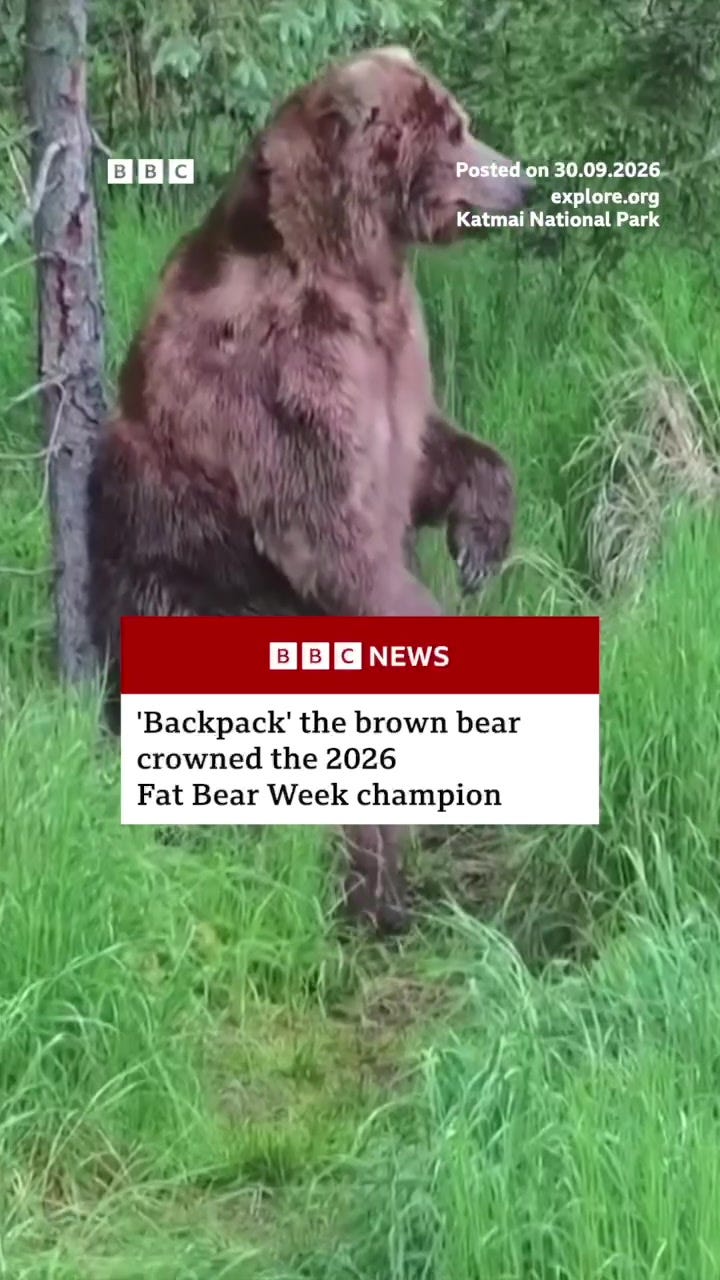
Welcome to Silence, Brand!, a potluck of internet absurdity at the intersection of brand marketing and internet culture written by a collective of award winning digital marketing professionals.If you like what we do, please consider becoming a paid subscriber.In this week’s Silence, Brand! Live, we opened with a formal grievance against Starbucks for taking away the apple crisp macchiato while allowing banana bread matcha to roam freely through fall before spiraling into nepo bears, Discord mascot violence, a parking lot full of identical orange Subarus, candy corn pizza, and spooky ranch.Between Fat Bear Week, Wumpus protest art, Sunshine Orange Crosstrek enthusiasts, and brands collectively deciding spooky season is a personality, we figured out that people yearn for community, and apparently they will build it around literally anything.A bear. A car. A Discord server. A pumpkin.Give people one extremely specific thing to care about together and they will figure out the rest.🦀 Silence, Brand! Live is powered by Ecamm, a live streaming and video production tool that basically turns your laptop into a full-on studio by switching cameras, dropping graphics, sharing screens, and pushing your stream to multiple platforms like Substack, LinkedIn, and Instagram, all at once without everything catching on fire.If you’ve ever wondered how we’re juggling all of this in real time, it’s Ecamm doing the heavy lifting.Get 15% off your first purchase at Ecamm with promo code SILENCEBRAND 🦀Topics on the table:Starbucks has lost the seasonal beverage plot. Ryan opened with a grievance: why can someone get a banana bread matcha in September while the apple crisp macchiato is nowhere to be found? Apple is fall. Pumpkin is fall. Banana feels suspiciously early summer. The Starbucks Cinematic Universe has rules, and somebody needs to respect the lore.Editor’s Note: During a post-show fact check, it appears that Apple Crisp typically releases later than Pumpkin Spice Lattes and may possibly make an appearance this season. In 2025, it released on October 9th.Fat Bear Week remains one of the internet’s purest institutions. Backpack won Fat Bear Week, but the victory came with nepo bear allegations because his mother previously won in 2019. She is apparently known as the Duchess of Density. We support women.Fat Bear Week is internet culture that actually comes from the internet. We got into why something as beloved as Fat Bear Week can still completely miss people who otherwise live online. A lot of what gets called “internet culture” is actually pop culture happening somewhere else and getting amplified online. Fat Bear Week is different. The bears do not know they are competing. The entire competition is born online, lives online, and remains beautifully niche. Take that Love Island.Discord users responded to age verification with extremely high-effort Wumpus violence. After Discord rolled out age-verification changes, we looked at users’ increasingly elaborate protest art involving the platform’s mascot. The images were gruesome, but the effort behind them also said something about the community’s relationship with Discord: these weren’t casual users complaining about an app they didn’t care about. They were people angry at a platform that had become infrastructure for their friendships and communities.Turns out a beloved mascot can also become your emotional punching bag. Mascots are usually designed to create affinity, but Wumpus became the stand-in for Discord itself. Instead of directing all of that anger toward a faceless company or executive, users could take the cute little embodiment of the brand and put him through unimaginable horrors.Poor Wumpus. (But great brand semiotics)Subaru understood that sometimes the correct brand strategy is “love you too.” In Maryland, the second annual Sunshine Orange Subaru Crosstreks meetup happened over the weekend. The event was originated by a single person within the community, and Subaru’s participation appeared relatively light-touch. The fueled participation with officially licensed pins, amplification of the organizer’s content, and enough involvement to support what was already happening without swallowing it whole. The group contrasted that with the uncool version, where a brand sees a community idea working and immediately tries to recreate it somewhere else under its own control. [whatever happened to that lesbian christmas commercial anyway???]Candy corn pizza looked rage bait directly in Dejaih’s eyes. Tombstone introduced a candy corn pizza, which nobody was particularly eager to eat but everyone could appreciate as a seasonal conversation starter. Candy corn is already the pineapple-on-pizza discourse of Halloween candy, so putting it on an actual pizza feels less like food innovation and more like fulfilling a prophecy.Black ranch is the correct amount of Halloween food whimsy. Hidden Valley entered spooky season with dark-colored ranch made using cocoa powder and fruit juice, immediately evoking memories of purple Shrek ketchup (Shreketchup if you will). Unlike simply making something bizarre for attention, we felt this was a cute way to put Halloween directly into a product people already use. Spooky, adorable, hopefully edible.The streets are for trick-or-treating. The group discussed plans in New York to close streets for Halloween activities and immediately landed on the community benefits of giving people a designated place to gather. Trick-or-treating can feel increasingly noncommunal when half the houses have their lights off and nobody knows which neighbors want to participate.October 1 is apparently Halloween First. Dayna reported live from the streets of Instagram on the extremely robust genre of “me on September 30 versus me on October 1” brand memes. Except upon further investigation, some brands had already started making versions in late August and early September. Spooky season no longer begins in October. It begins whenever everyone collectively decides summer is spiritually over.Halloween might be the April Fools’ Day of fall. The group noticed that brands seem unusually comfortable getting weird during Halloween, from memes to fake products to bizarre seasonal experiments. Unlike other holidays that come with more cultural or religious baggage, spooky season gives brands permission to jack around for a month and audiences seem largely down for the whimsy. Halloween becomes a sandbox between summer and the inevitable arrival of Christmas marketing.Well! That’s the episode!So what we’re getting at is people really do yearn for community, but community works best when participation feels voluntary, specific, and a little bit stupid. Fat Bear Week works because everyone gets to care about a bear. The Crosstrek meetup works because people already cared enough to organize it themselves.And the strongest communities don’t need brands to invent a reason for people to gather. Sometimes they just need the brand, platform, or city to make a little room and say, “yeah, go have fun.”We’ll be back next week with more internet anthropology, more seasonal grievances, and more things that make us ask, “is this community building, or did 100 people just accidentally buy the same orange Subaru?”Our Lives are available as podcasts on Apple Music and Spotify.¯\_(ツ)_/¯ Like and subscribe if you don’t want to look at us while we yap.And follow @silencebranddotnet on IG while youre at it.We hope you enjoyed this installment of Silence, Brand!—a tri-weekly, late-night potluck of internet absurdity 🦀Ryan J DiLazio • Dayna Castillo • Dejaih Smith • Janine DavisOur team of award-winning brand marketers and culture experts trawls the depths of the social internet, catching trends as they bubble up, so you’re prepared when they surface.In addition to our newsletter, we offer bespoke cultural intelligence services for agencies and in-house teams, providing brand-tailored reports and insights to equip partners with the tools (and taste) to stay culturally fluent in a world that never stops posting.For all media pitches, service inquiries, story pitches and anything related to this here newsletter, hit us up at: [email protected] 🦀Follow our LinkedIn for updates and occasional shitposts. Get full access to Silence, Brand! at silencebrand.substack.com/subscribe
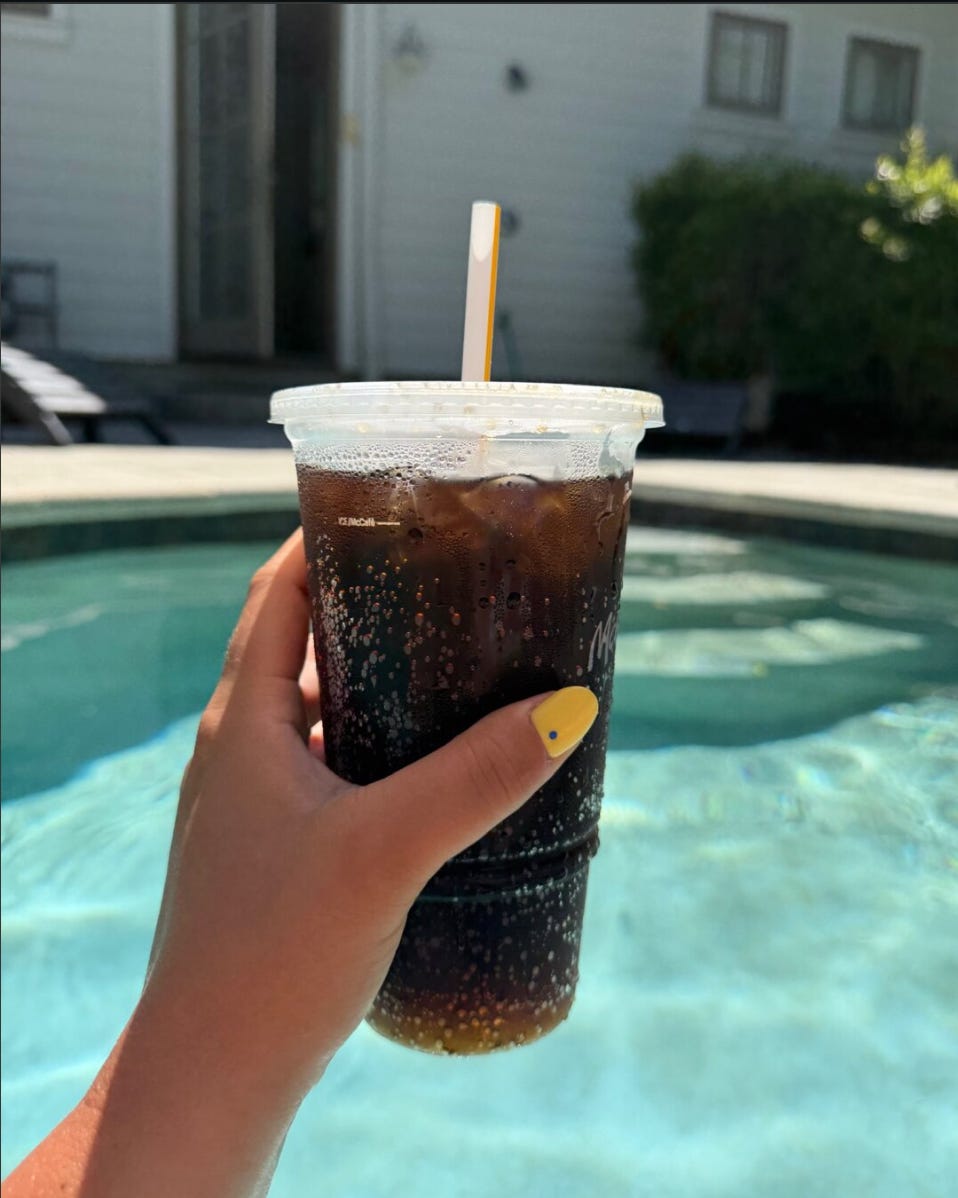
Welcome to Silence, Brand!, a potluck of internet absurdity at the intersection of brand marketing and internet culture written by a collective of award winning digital marketing professionals. If you like what we do, please consider becoming a paid subscriber.In this week’s Silence, Brand! Live, the gang opened with banana bread matcha, saucy nugs, and an ongoing investigation into the ideal post-concert fast food establishment before spiraling into emo Wendy’s, mysterious Diet Coke content, beauty-brand copy-paste chaos, a deeply depressed Laughing Cow, and the occupational hazards of replying to TikTok comments without knowing what the hell is actually going on.The big lesson this week is that that cultural relevance without cultural literacy gets weird fast. Making the album, using the meme, or jumping into the comments can absolutely get people talking. But once a brand enters the conversation, it also inherits the context around it, and understanding that context is increasingly the difference between participating in culture and simply making noise inside it.🦀 Silence, Brand! Live is powered by Ecamm, a live streaming and video production tool that basically turns your laptop into a full-on studio by switching cameras, dropping graphics, sharing screens, and pushing your stream to multiple platforms like Substack, LinkedIn, and Instagram, all at once without everything catching on fire.If you’ve ever wondered how we’re juggling all of this in real time, it’s Ecamm doing the heavy lifting.Get 15% off your first purchase at Ecamm with promo code SILENCEBRAND 🦀Topics on the table:Wendy’s released an emo album, but would an emo kid actually be at Wendy’s after the show? Wendy’s dropped a physical EP called Songs to Listen to in the Wendy’s Parking Lot, complete with actual bands and a clear play for Warped Tour nostalgia. The problem, according to the group, is that Wendy’s isn’t exactly the canonical post-show destination. Taco Bell, Jack in the Box, Denny’s, IHOP, Norms, and In-N-Out all have stronger claims to the sacred late-night debrief. (Theater kids know an IHOP.) The album itself got credit for being a surprisingly substantial piece of branded media, but the parking-lot premise raised a bigger question about whether the brand actually owns the behavior it’s referencing. If you’re going to build a campaign around the place people gather after a show, it helps if people can actually gather there for the debrief.Diet Coke made a post so unbranded it briefly became a McDonald’s ad. A Diet Coke post featuring a brown soda in a cup by a pool sent the group into forensic mode because almost nothing in the image immediately said Diet Coke. The cup and straw looked like McDonald’s, the branding required zooming, and the whole thing seemed designed to feel like casual UGC. The problem was that instead of “if you know, you know,” it landed closer to “I don’t know, and now I’m confused.”The beauty industry discovered the same packaging at the same time. Fenty Skin launched a new product format, then Glow Recipe appeared with something strikingly similar, followed by more brands, physical samples, AI mockups, fake launches, and general confusion about who was actually releasing what. What initially looked innovative quickly became a sea of sameness. Glow Recipe understood that when the products look the same, the story has to do more work. The group gave Glow Recipe credit for explaining how its version worked, breaking open the packaging, showing what was inside, discussing its formula, and grounding the product in the brand’s own methodology. Instead of simply saying “we have one too,” it gave people something tangible to understand. The Lipstick Lesbians were built for this exact moment. Their habit of breaking down beauty packaging and examining whether consumers can actually access all the product inside made them especially well positioned to dissect the new launches. When everyone else was arguing about who did what first, they could simply tear the packaging apart and show people what was actually happening. At some point, brands stopped talking to customers and started talking to each other. As the beauty launch discourse evolved into memes, fake products, AI imagery, and references that required increasingly specific knowledge of the drama, the group wondered who any of it was actually for. A casual customer following their favorite skincare brand could easily encounter a random Failure to Launch meme and have absolutely no idea what Matthew McConaughey had to do with eye patches. The Laughing Cow has stopped laughing. Please respect her privacy during this difficult time. The brand began posting its famously cheerful mascot looking distinctly unhappy, including on select packaging, without immediately explaining why. The group was intrigued, mildly concerned, and very invested in finding out where the campaign goes. If you’re going to emotionally devastate the cow, there had better be lore. Brands are entering their cinematic universe era. Wendy’s making an album, e.l.f. creating short-form series, and increasingly elaborate branded productions raised a bigger question: are brands going for EGOT status now? The group sees brands pushing beyond traditional product marketing into entertainment and multimedia storytelling that can exist as culture in its own right.Katz’s Deli and Stiller’s turned one dumb joke into a whole production. A collaboration involving Ben Stiller’s soda brand, Katz’s Deli, and New York Nico built an entire narrative around someone misunderstanding “Katz’s” as literal cats. The soda itself barely needed to be the star. The joke was simple, but instead of tossing it away in five seconds, they gave it some boogie room and a world to live in. Old Navy demonstrated why community management is not just pressing the reply button. The group unpacked TikTok comments using stickers of creator Samyra, including comments the brand had responded to even though the stickers themselves carried context that made those replies more complicated. Because third-party community management tools may not properly display newer TikTok features, a comment can look positive in a dashboard while hiding an entirely different joke in-platform. The words can be positive while the meme is doing something completely different. That gap between what a social tool sees and what a human sees became the heart of the Old Navy discussion. If the text says “I want to shop at Old Navy even more” but the attached sticker is being used to mock someone, sentiment analysis alone is not going to save you.Community management requires internet literacy, not just response time. The group stressed that brands need people who understand the communities, personalities, beefs, memes, and subtext surrounding their comment sections. Responding to something doesn’t just acknowledge it. It can boost the comment, lend it the brand’s approval, and make it more visible. Sometimes you have to get out of the dashboard and look at the actual internet.That’s the episode! Saucy nugs, theater kids at IHOP, emo Wendy’s, Diet Coke identity theft, skincare sameness, packaging autopsies, sad cheese cows, branded cinematic universes, Ben Stiller’s cats, TikTok sticker warfare, and one important reminder to please look at the actual comment before your brand replies to it.Our Lives are available as podcasts on Apple Music and Spotify.¯\_(ツ)_/¯ Like and subscribe if you don’t want to look at us while we yap.We hope you enjoyed this installment of Silence, Brand!—a tri-weekly, late-night potluck of internet absurdity 🦀Ryan J DiLazio • Dayna Castillo • Dejaih Smith • Janine DavisOur team of award-winning brand marketers and culture experts trawls the depths of the social internet, catching trends as they bubble up, so you’re prepared when they surface.In addition to our newsletter, we offer bespoke cultural intelligence services for agencies and in-house teams, providing brand-tailored reports and insights to equip partners with the tools (and taste) to stay culturally fluent in a world that never stops posting.For all media pitches, service inquiries, story pitches and anything related to this here newsletter, hit us up at: [email protected] 🦀Follow our LinkedIn for updates and occasional shitposts. Get full access to Silence, Brand! at silencebrand.substack.com/subscribe
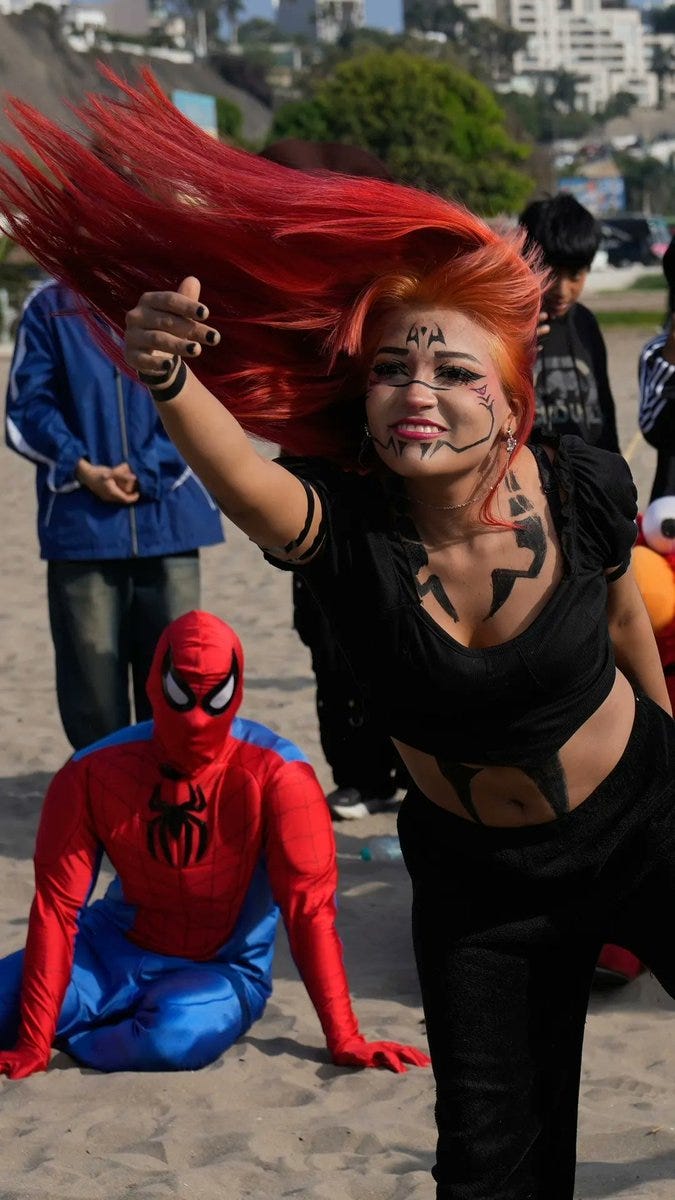
Welcome to Silence, Brand!, a potluck of internet absurdity at the intersection of brand marketing and internet culture written by a collective of award winning digital marketing professionals. If you like what we do, please consider becoming a paid subscriber.In this week’s Silence, Brand! Live, the gang arrived with three hours of sleep, two coffees, and several questions about what exactly counts as a song of the summer when the algorithm has apparently fractured reality into a multiverse of different summers where no one is being served the same content.Between Katy Perry’s unexpected 2011 comeback, Aaliyah’s Interlude turning personal style into a clothing brand, and the end of Chicken Shop Date, it’s apparent that the internet is very good at making something feel like it appeared overnight, even when the story has been building for years.🦀 Silence, Brand! Live is powered by Ecamm, a live streaming and video production tool that basically turns your laptop into a full-on studio by switching cameras, dropping graphics, sharing screens, and pushing your stream to multiple platforms like Substack, LinkedIn, and Instagram, all at once without everything catching on fire.If you’ve ever wondered how we’re juggling all of this in real time, it’s Ecamm doing the heavy lifting.Get 15% off your first purchase at Ecamm with promo code SILENCEBRAND 🦀Topics on the table:The kids yearn for community, but apparently they also yearn to Aura Farm in public. We opened with a conversation about people seeking third spaces and community through highly documented public gatherings. Part IRL gaming lobby, part spectacle, part content creation, these spaces come with the understanding that you’re not just showing up… You’re showing up to become content and hedge your bets on going viral.Whaat happens when people enter physical spaces already expecting to film, be filmed, and eventually appear online. Is it community? Performance? Surveillance? Or are we simply preserving Fortnite dances for our grandchildren?We apparently have multiple songs of the summer now. TikTok proclaimed Katy Perry’s “The One That Got Away” its song of the summer, while Spotify’s global chart put Ariana Grande’s “Hate That I Made You Love Me” at number one and its U.S. chart put Ella Langley at number one. The surprising part wasn’t just that the platforms disagreed. It was realizing that some of the group barely remembered encountering the supposed biggest songs of the summer at all.The algorithm may have killed the universal summer anthem. The conversation raised a bigger question about the death of monoculture. Platforms can have the data proving a song was massive while individual users can spend an entire summer barely encountering it because personalized algorithms no longer guarantee that everyone experiences the same popular culture moments.TikTok trends are changing what music charts actually mean. A song doesn’t necessarily need traditional radio play or intentional streams to permeate culture anymore. Sometimes one tiny clip becomes the cultural artifact, leaving people intimately familiar with ten seconds of a song they couldn’t name if their lives depended on it.Katy Perry’s track dates back to 2011, while other songs appearing in the conversation weren’t necessarily new releases either. The group started reconsidering what “song of the summer” even means when catalog music can suddenly reenter culture through platform behavior.Aaliyah’s Interlude has been building the whole time. Dayna highlighted Aaliyah Bah, aka Aaliyah’s Interlude, who announced her clothing line Fabtopia, positioned around affordable pricing and size inclusivity. For anyone tempted to eventually call her an overnight sensation, the group would like the record to show that she has very much been here.Fabtopia feels like the logical next step. Aaliyah has spent years developing a recognizable interpretation of Y2K style, building an audience around that aesthetic, releasing music, acting, and embedding herself across different corners of culture. Now she’s turning that influence into something she actually owns.If everyone is copying you anyway, sell it yourself. Aaliyah reportedly described launching her clothing line partly as a response to people already copying her style. Rather than watching everyone else monetize the aesthetic she helped popularize, she’s building the product herself.Nostalgia is never an exact historical recreation. The conversation around Aaliyah’s style opened into a larger discussion about how younger generations reinterpret past decades. The Y2K aesthetic circulating now isn’t necessarily what people actually wore in the early 2000s. It’s a modern interpretation of that period, similar to how earlier generations filtered the 1970s back through their own cultural lens.Welcome to the summer of the con artist. The episode then took a sharp turn into people pretending to be things they absolutely are not, beginning with a creator allegedly posing as a Duke nursing student while filming clinical-themed content and securing brand deals despite other students eventually pointing out one small problem: she does not go here.Apparently the fake student was still getting the bag. Despite allegedly cosplaying an entire academic career, the creator had built a sizable enough following to land multiple partnerships. This naturally inspired the realization that perhaps everyone else simply lacks the confidence required to participate in more internet scams.Some of us need our federal standing to remain pristine. Unfortunately, fear of jail remains a major obstacle to entering the influencer scam economy.Then there’s the fake 49ers player. Another alleged scam involved a man posing as a member of the San Francisco 49ers, complete with a player helmet he apparently carried into situations where no normal professional football player would ever need one. (Because nothing says “I’m definitely on the team” like bringing your helmet to the barber shop.)Prosecutors outlined allegations involving women he met through dating apps, with the entire situation inspiring one immediate question… Did nobody Google this man?The Tinder Swindler cinematic universe continues expanding. The story naturally reminded everyone of The Tinder Swindler and the astonishing amounts of money people have lost to romantic scams. The internet may have changed, but apparently “guy lies extravagantly on dating app” remains an evergreen content franchise.Chicken Shop Date is ending after 12 years. The genuinely sad news of the episode was Amelia Dimoldenberg announcing the end of Chicken Shop Date, closing out a series that predates even Hot Ones and became one of the internet’s most recognizable celebrity interview formats.She’s already embedded in the celebrity ecosystem, appearing on red carpets and operating far beyond the scale of a small creator. The group expects this to feel less like goodbye and more like the end of one format before the next version of her career appears.There is something powerful about knowing when your thing is finished. Rather than dragging the format indefinitely, the group appreciated Amelia’s decision to deliberately end something while people still love it. The conversation compared that creative instinct to shows and creators who have recognized when a project has reached its natural conclusion and chosen to move on.And apparently lunch lady arms are the newest thing women are supposed to worry about. The internet has once again discovered another perfectly normal part of having a human body and decided women should feel bad about it. The official response: we are all skin carcasses inside aging meat suits. Leave the lunch lady arms alone.If there’s a lesson here, it’s that cultural relevance looks increasingly fragmented from the outside. A song can be enormous without everyone hearing it. A creator can look like an overnight success after years of work. An aesthetic can feel nostalgic without accurately recreating the past. And a beloved internet show can end without its creator disappearing with it.The internet may not give everyone the same culture anymore, but it remains extremely good at making whatever reaches your corner of it feel like the only thing happening.Our Lives are available as podcasts on Apple Music and Spotify.¯\_(ツ)_/¯ Like and subscribe if you don’t want to look at us while we yap.We hope you enjoyed this installment of Silence, Brand!—a tri-weekly, late-night potluck of internet absurdity 🦀Ryan J DiLazio • Dayna Castillo • Dejaih SmithOur team of award-winning brand marketers and culture experts trawls the depths of the social internet, catching trends as they bubble up, so you’re prepared when they surface.In addition to our newsletter, we offer bespoke cultural intelligence services for agencies and in-house teams, providing brand-tailored reports and insights to equip partners with the tools (and taste) to stay culturally fluent in a world that never stops posting.For all media pitches, service inquiries, story pitches and anything related to this here newsletter, hit us up at: [email protected] 🦀Follow our LinkedIn for updates and occasional shitposts. Get full access to Silence, Brand! at silencebrand.substack.com/subscribe

Comments

Download from Google Play

Download from App Store
 United States