


 Claim Ownership
The Agentic Allocator
Subscribed: 2Played: 1
Subscribe

© 2026 AuumAI Limited
Description
The "manual era" of capital allocation is in its final chapter. The firms still relying on manual data extraction and analysis aren’t failing overnight, but they are falling behind one week at a time. While most of the industry continues to "white-knuckle" through 200-page documents and legacy databases, and manual Excel extraction, a new breed of Agentic Allocators is quietly rewriting the rules. They aren’t just using AI to summarize emails; they are leveraging AI-augmented workflows that intelligently automate parts of their investment and operational processes that were previously impossible to automate.
Hosted by Victoria Sienczewski, CEO and Founder of AuumAI, The Agentic Allocator is the "behind-closed-doors" look at how the world's most sophisticated Limited Partners (LPs), allocators and General Partners (GPs) are actually deploying AI, and the hard-won lessons from those building the systems.
This isn't a series about high-level theory or technical gibberish. Each conversation features industry leaders, forward-thinking LPs, GPs and experts who are rewriting the rules of capital allocation through agentic AI. Expect real-world case studies, tactical frameworks you can actually use, and moments that challenge outdated norms. You'll come away with a clearer understanding of the critical questions every allocator must ask - about data privacy, team adoption, integration, and governance - before investing in any AI solution. If you're tired of the "black box" and ready to evolve your investment office for what comes next, you're in the right place.
Hosted by Victoria Sienczewski, CEO and Founder of AuumAI, The Agentic Allocator is the "behind-closed-doors" look at how the world's most sophisticated Limited Partners (LPs), allocators and General Partners (GPs) are actually deploying AI, and the hard-won lessons from those building the systems.
This isn't a series about high-level theory or technical gibberish. Each conversation features industry leaders, forward-thinking LPs, GPs and experts who are rewriting the rules of capital allocation through agentic AI. Expect real-world case studies, tactical frameworks you can actually use, and moments that challenge outdated norms. You'll come away with a clearer understanding of the critical questions every allocator must ask - about data privacy, team adoption, integration, and governance - before investing in any AI solution. If you're tired of the "black box" and ready to evolve your investment office for what comes next, you're in the right place.
17 Episodes
Reverse
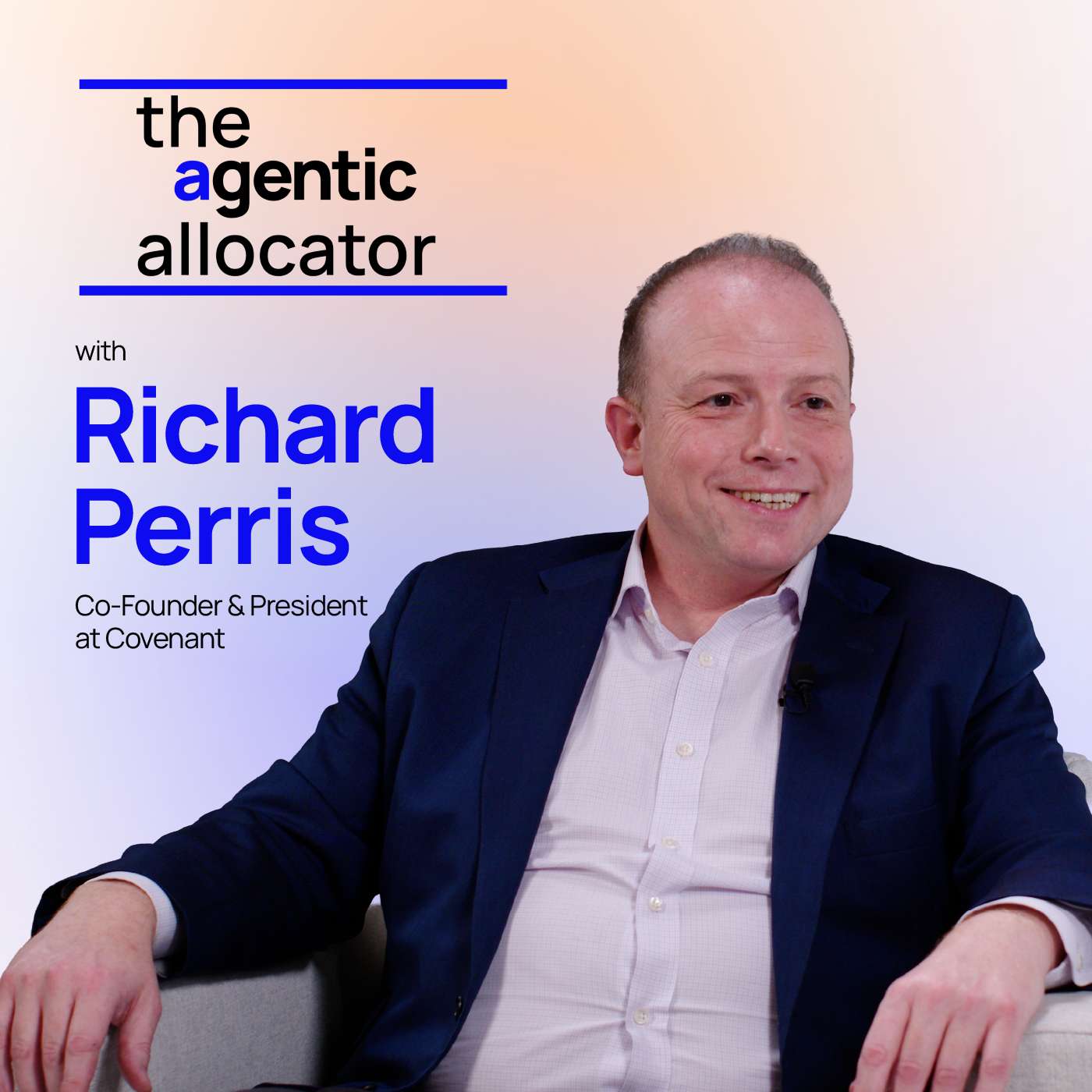
How AI changes fund document review for LPs: Richard Perris, Co-Founder and President of Covenant and former general counsel of CVC, joins The Agentic Allocator to explain why context, legal data and interoperability decide what AI can do in private markets. Covenant is an AI-enabled law firm built for private market investors. Richard spent 15 years at CVC leading legal and compliance across its private equity and private credit businesses and sat on the GP side of hundreds of fund negotiations before setting out to give LPs a better option.His starting point is a disparity that has existed for decades. Oversubscribed funds and investors paying everyone’s legal bills have allowed GPs to command favourable legal terms. Covenant uses AI to give LPs a clear view of the key terms across their LPAs, side letters and other fund documents, including what they have agreed to in their own past funds, so they can negotiate with better information. A comparison that once meant a quarter of a million in legal fees and a month of waiting now takes two minutes.Richard explains why the billable hour was always an awkward proxy for legal value and why AI removes the assumption it depended on. He describes how LP attitudes to data security have shifted since 2023, and why an LLM needs a context layer because the model itself cannot remember. Interoperability between legal, investment and operational data is where he sees the next step for the ecosystem. He closes with two opposing predictions for fund documentation and direct advice for LPs, GPs and the service providers who work for them.What You’ll Learn:Why GP and LP negotiations have been one sided for decades, and what that looked like from the GP side at CVCHow LP conversations about AI have moved from data security objections in 2023 to a starting position of wanting to deploy itWhy the billable hour depended on legal work taking human time, and why that assumption no longer holdsWhy Covenant was built as a new firm around the technology rather than retrofitting AI into an existing oneWhy an LLM is baked, has no memory and only learns from the context it is given, and what that means for how LPs organise their knowledgeHow an AI doing a legal review could pull an LP’s own history on a point from a connected knowledge base like an AI Brain Why private markets data is like travel plug adaptors, and why AI makes it cost effective to connect itHow visibility into the last 200 funds you signed changes the way you push back on an off-market clauseThe optimistic and pessimistic case for AI's impact on fund documentationWhat LPs and GPs should be demanding from their law firms on technology, pricing and valueAbout Richard Perris:Richard Perris is Co-Founder and President of Covenant, an AI enabled law firm built for investors in private markets. Covenant uses AI to streamline the review of fund documents and give LPs a clear view of the key terms across their portfolios. Richard has more than 20 years of experience as a lawyer in private markets, including 15 years at CVC, where he served as general counsel and led the legal and compliance teams for both the private equity and private credit businesses. He joined CVC from Clifford Chance. He is based in New York and advises on both the US and European markets.Episode Highlights:[02:05] The One Sidedness of GP and LP NegotiationsPrivate markets have been popular with investors for two decades. A good GP’s funds are oversubscribed and the investors pay everyone’s legal bills, so negotiations from the manager’s side always felt straightforward. Richard does not think that drift has been healthy for the market. Leaving CVC coincided with the arrival of the technology to do something about it.[03:45] From Data Security Objections to an Imperative to Use AIIn 2023 every LP conversation started with data security, and it took a long time to convince anyone to give AI a go. Now the conversation starts with ‘I want to use AI, can you help me deploy it?’ The security questions are still asked, but people want a solution rather than a reason to stop.[05:29] Data Security and AI: The Email PrecedentWhen Richard started practicing law in the early 2000s, people said you would be nuts to send client documents by email. Nobody says that anymore. The market came to a landing on a reasonable level of risk, and the same thing is starting to happen with AI. There are certain things you have to do to deploy it in an enterprise context. Do them, and you get to the benefit.[06:16] Governance, Because the Team Is Using AI AnywayWithout a policy or governance structure in place, the team is probably still using AI. It is so obviously useful that people find a way to make it work.[06:57] Why the Billable Hour Was Always an Awkward CompromiseWeighing legal work by the hours it took is an odd way to value output, and it puts the incentives in the wrong place. Nobody wants to pay more because work took longer. The model persisted because it is hard to value legal output directly, and it relied entirely on legal work taking human time. AI can do most of what associates currently spend their time doing, and that assumption falls away.[08:53] Building the Firm Around the TechnologyOnce AI arrives, the business model has to change. That was a catalyst for starting Covenant rather than joining an existing firm. It is easier to build from the ground up around the technology than to turn a cruise ship around a corner, which is the challenge the major law firms are now dealing with.[09:54] The Model Is Baked: Why Context Is EverythingThe core issue with LLMs is that the model is fixed. It has no memory and cannot learn in any real sense, unlike a human brain that changes every second. An LLM only learns from the context it is given. That is why you need to build a brain. Organising the context layer, and giving the model the right context at the right time, becomes a central part of the ecosystem.[11:25] Interconnectivity and the AI BrainAn AI doing a legal review could decide a point is relevant and go and get the information it needs. If an AI brain holds everything about an institutional investor, the legal review can be given structured knowledge of it and ask what the LP did about that point the last five times. Covenant holds the legal data, but legal data is not the end of the story. Interconnectivity between data pools is where the value sits.[12:37] Meeting Clients Where They WorkCovenant is building an MCP connector so clients can access it from Claude or ChatGPT. Many of them already work in those tools, and switching platforms to ask a question about an LPA review makes no sense. [13:56] Why Private Markets Data Does Not ConnectEvery fund and every SMA uses a different template and format for what is essentially the same information, so nothing plugs together. Previously a person had to build that database manually. Now that person can be an AI, and the lack of compatibility that slowed private markets down becomes cost effective to fix.[15:17] Portals Without APIsThere are still ingrained portal providers with no API or MCP connector, where the only route to your own files is a browser agent and a security risk. ...
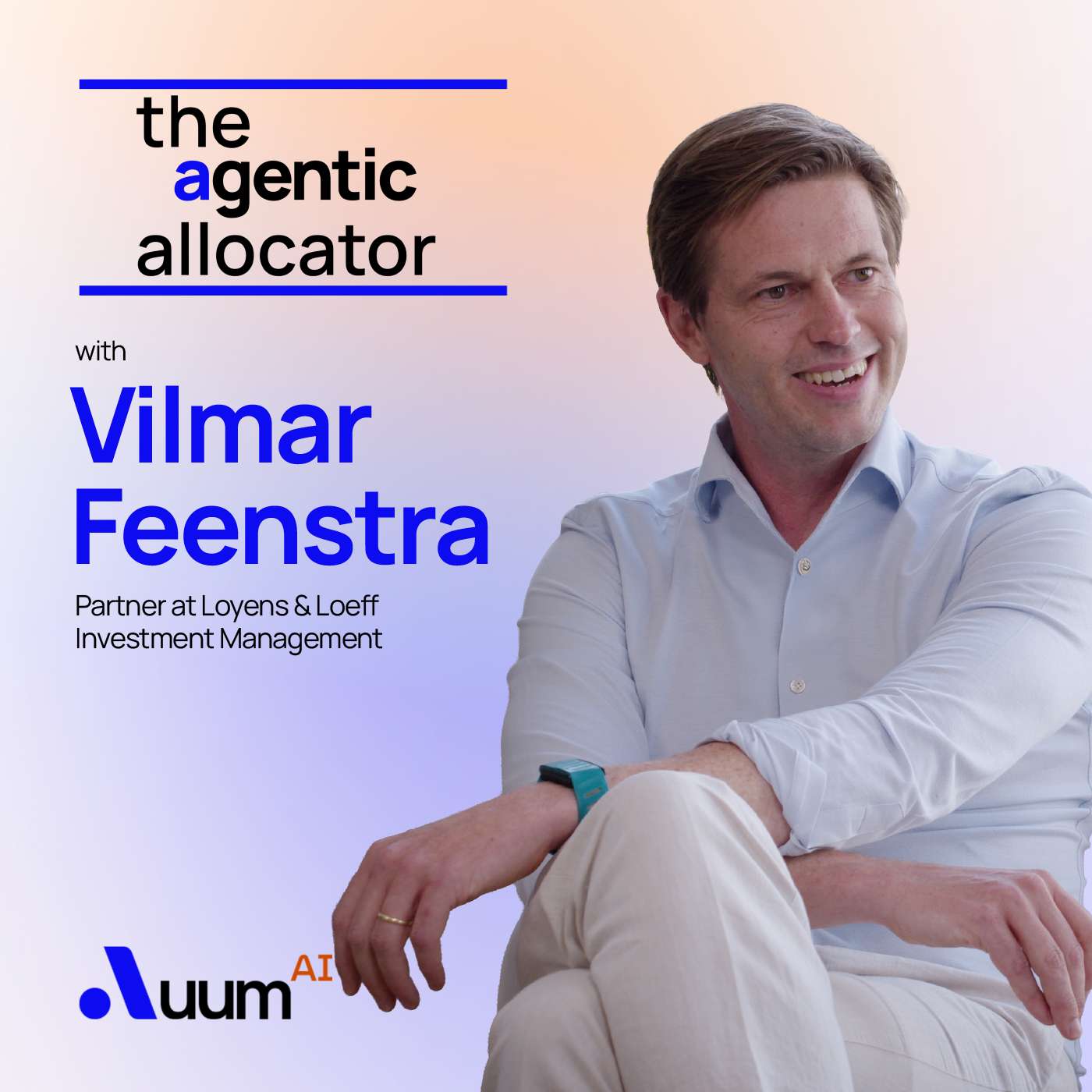
Vilmar Feenstra, Partner in the Investment Management practice at Loyens & Loeff in Amsterdam, joins The Agentic Allocator to discuss how AI is changing fund formation, fund documentation, and the work of the lawyers, GPs and LPs who depend on them. Vilmar advises on both sides of the table: managers raising funds and institutional investors committing to them.His central caution is specific to legal work. Hallucination is the obvious risk. The harder one to catch is an answer that is accurate as far as it goes but incomplete from a legal perspective. Used as a starting point, AI output is valuable. Used as the final answer, it becomes a liability.Vilmar explains why governance has to be agreed before any tool is selected, why organising data is not enough unless AI understands how fund agreements, side letters, subscription agreements and offering memoranda relate to each other, and why he expects fund documentation to start carrying explicit provisions on AI use. He also describes the fund review agent his team built, why the first version fell short, and what continued iteration produced.What You'll Learn:Why an answer that is correct from an AI perspective can still be incomplete from a legal one, and why that risk is harder to spot than hallucinationWhy decisions on tools, users, sign off and permitted data have to come before tool selectionHow clear guardrails make wider experimentation across a firm possibleWhy organising data is only half the work, and why AI needs to be guided on how fund documents connectWhy Vilmar expects LPAs and side letters to include explicit AI provisions, and why prohibiting counterparties from using AI is no longer a realistic positionWhat separates the firms making progress from those that banned AI or released tools without boundariesWhy asking staff to name their most frustrating tasks surfaces the most useful applicationsWhat a fund review agent that took several attempts to get right says about persistenceA practical sequence for LPs and GPs early in adoption: governance, document context, data storage, then room to experimentAbout Vilmar Feenstra:Vilmar Feenstra is a Partner and attorney at law in the Investment Management practice group at Loyens & Loeff in Amsterdam. He focuses on investment management structures and fund formation and works on both the GP and LP side, advising managers on the formation of their funds and institutional investors on their fund investments. His practice covers fund structuring, fund regulatory advice, and fund reviews and negotiations. Vilmar has 18 years of experience in funds law and spent time in the firm's New York office providing corporate and transactional advice. He is a member of the legal and regulatory committee of the Dutch Association of Private Equity and Venture Capital (NVP) and has been involved in building technology within the firm's funds practice, including its subscription tool for investor onboarding. Episode Highlights:[01:56] Building Technology From FrustrationMore than a decade ago, investor onboarding still meant completing Word subscription forms, printing them, and correcting frequent mistakes. With nothing suitable in the market, the team built its own subscription tool. Vilmar sees AI as the next phase of the same approach: start from what is inefficient and apply the technology available.[04:35] Correct From an AI Perspective, Incomplete From a Legal OneHallucinated information or conclusions is the risk everyone discusses. Vilmar points to a subtler one: answers that are accurate but not complete from a legal perspective, particularly when AI recommends next steps. The risk arises when output is treated as the final outcome rather than a starting point.[06:06] Confidentiality Starts With GovernanceLPs holding large volumes of confidential documents often ask where to begin. Vilmar's answer is governance: agree which tools can be used, who can use them, who signs off, and which data can and cannot be used. The choice of tools follows from those decisions.[07:29] Guardrails Make Experimentation PossibleMost attention goes to finding the right tool, but a tool on its own does not deliver the value firms need. Loyens & Loeff invested its time in governance so that everyone in the firm can experiment within defined boundaries.[08:34] Connecting the DocumentsOrganising data takes time and matters. What firms tend to miss is that a generic tool placed on top of data does not know how a fund agreement, side letters, subscription agreements and offering memoranda relate to one another. Guiding AI on those connections produces better output.[10:05] Will Fund Documents Need AI Provisions?Confidentiality provisions already cover some of this implicitly. Early on, some parties tried to prohibit counterparties from using AI at all. That position has proven unrealistic, and Vilmar expects fund documentation to include explicit references to AI use, and soon.[11:40] Who Is Falling BehindFirms that prohibited AI entirely are lagging. Firms that made a tool available with no boundaries have not solved the problem either. The biggest steps are coming from firms that control how AI is used while leaving room to experiment.[13:06] Shadow AI and Approved ToolsEarly career professionals are often more comfortable with AI than senior management. That makes a clear list of approved tools, and a shared understanding of how to use them, essential. Within those limits, people should be left free to work and experiment. [13:37] Asking Staff What Frustrates ThemAfter 18 years of practicing funds law, many tasks are done a certain way out of habit. Graduates arriving fresh bring different ideas about where AI can help. Asking people to name their most frustrating tasks has led to tools for side letter review and fund reviews.[14:37] The Fund Review Agent That Took YearsThe first agent built for fund reviews produced dissatisfying results. The team kept building for a couple of years, and the most recent version is highly useful. The first or second attempt may disappoint. The third may be the one that works.[15:53] Advice for LPs and GPs Starting OutSet governance first. Define how the data connects. Store data so it can actually be used. Then let people experiment. Vilmar's view is that AI can take on the frustrating parts of the work and leave more time for the interesting parts.Episode Resources:Vilmar Feenstra on LinkedInLoyens & Loeff WebsiteVictoria Sienczewski on LinkedInAuumAI WebsiteDisclaimer: This podcast is for informational purposes only and does not constitute legal advice. The views expressed are those of the speakers as of the recording date and may change over time.
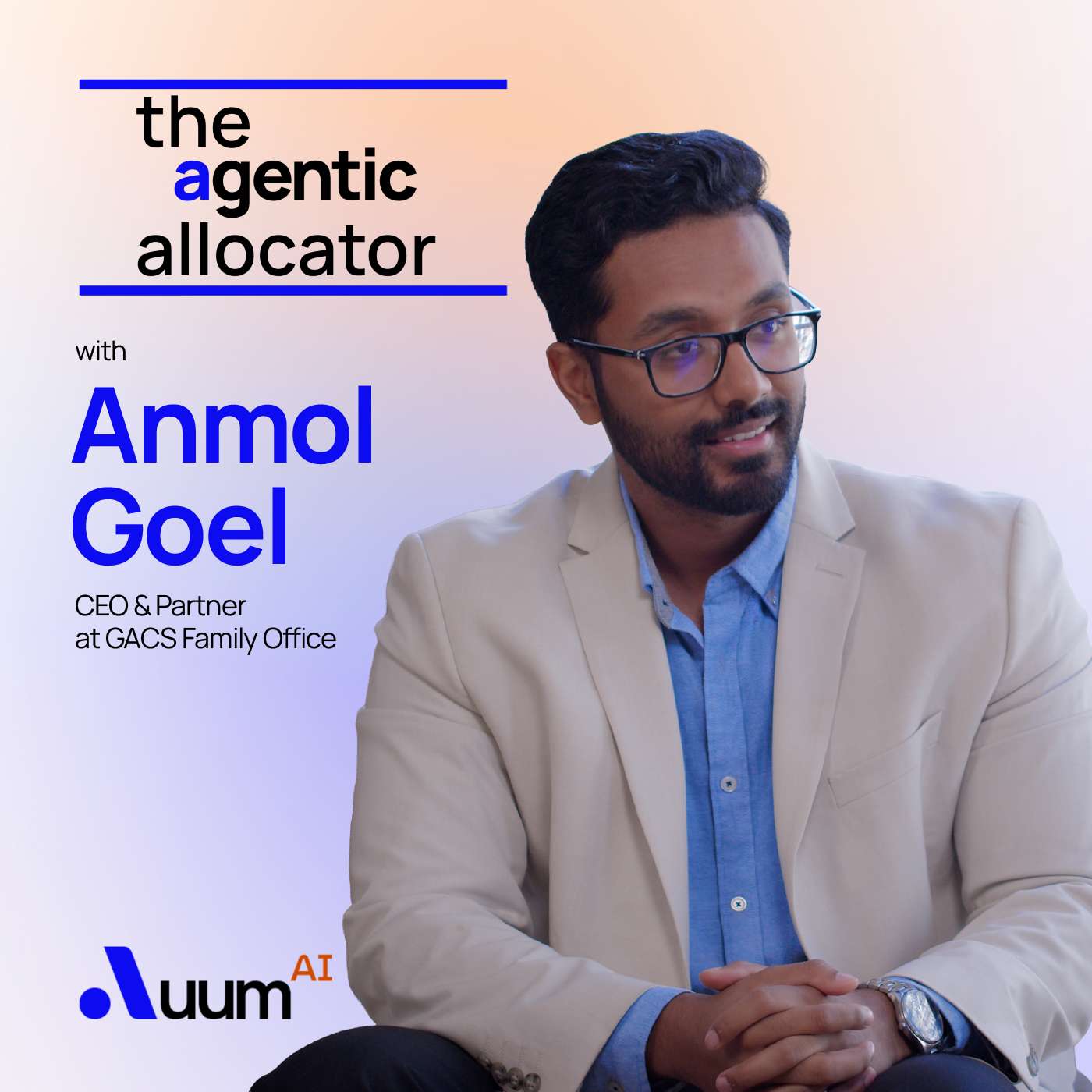
Anmol Goel, CEO and Managing Partner of GACS Family Office, joins The Agentic Allocator for a practical conversation about AI adoption inside a family office. GACS invests over $1 billion across venture, private equity and private credit from London and India, and Anmol runs it in public, speaking at conferences and building a personal profile in a historically discrete community.Anmol walks through how GACS is using AI within the investment office: a tech due diligence tool trained on the firm’s own past investment memos that has taken analysis from two months down to 2-3 weeks, an internal database that cross compares deals and surfaces unique portfolio connections, and a personal knowledge base built from roughly 10,000 contacts, past conversations and notes that he queries whenever a founder needs an introduction.He is equally direct about the challenges and what has gone wrong. Team members have put sensitive documents into public tools. Work has gone out without being checked. He is clear that they are still working through where the AI privacy line sits, and that the answer will be different for every family. For an industry where most AI conversations only cover the wins, it is an important reality check. What You'll Learn:How he got his family comfortable with a public profile in a historically private industryHow GACS built a tech due diligence tool on its own past investment memos, and why analysis went from two months to 2-3 weeksWhat happened when a new pitch deck went into the system and it surfaced a link to an existing portfolio company nobody had spottedHow a personal knowledge base of roughly 10,000 contacts answers questions like which fintech regulators do I knowThe two adoption challenges he has lived throughWhy he thinks an extra 30 to 60 seconds on a prompt removes most of the hallucination problemWhy he worries the next generation will lose the knowledge of knowhow, and what first principles have to do with AIWhat AI adoption looks like across the 30 to 35 family offices he co invests with, and why the split is generational rather than by sizeHis starting point for families: repetitive tasks, a cost test, and ignoring vendors who use big numbers to create urgencyAbout Anmol Goel:Anmol Goel is CEO and Managing Partner of GACS Family Office, a family office operating across the UK and India with over $1 billion in assets under management, investing across venture, private equity and private credit. He founded his first company at 17 and exited his second at 20 before moving into investing. He holds a degree in mathematics and economics and began his career at JP Morgan and Marsh McLennan. He has backed more than 80 companies and funds, co-invests alongside a syndicate of over 30 family offices, and has beta tested AI models ahead of public release.Episode Highlights:[01:42] Building in PublicFamily offices have historically operated quietly. Anmol’s view is that a public profile was the fastest route to a network, because if you know something worth sharing, people will take the call. His grandparents’ investment knowledge was land, real estate and gold, so what he was doing looked alien to his family at first. What settled it was a stack of proof. [05:35] AI Inside the Family OfficeMost significantly, GACS built its own tech due diligence tool, trained on past investment memos and structured around what the firm looks for in a founder, a market and technology. It is not perfect and human intervention is still required, but analysis that used to take two months now takes two or three weeks.[06:43] When the System Spots What the Team MissedAs the database grows, GACS can cross compare deals and identify smaller M&A opportunities across the portfolio. Anmol describes putting a pitch deck for a company the firm was about to back into the system, which immediately flagged how it linked to an existing portfolio company. The team had not made that connection themselves.[07:14] Ten Thousand Contacts and One Searchable BaseWith close to 10,000 contacts on his phone, Anmol is compiling everything into a single base: contacts, past videos, conversations, and notes. When a fintech founder comes to him, he can ask which fintech regulators, policymakers, operators, founders and investors he already knows, and get back a list with context on how each one could help. For a firm that invests hands on, that is the difference between remembering a useful contact and not.[09:20] Where It Has Gone Wrong: Privacy and Unchecked OutputTwo challenges stand out. The first is compliance and privacy. It can be hard to know with confidence what is being stored, and members of the team have put highly sensitive documents into public systems. The second is cutting corners. Output passed on without proper checking has been wrong highlighting the need for a human-in-the-loop. [10:32] Prompt Engineering and the Two Week to Two Hour ShiftA new hire in a team meeting that morning had been hesitant about using AI at all. Anmol’s response was that work which used to take two weeks now takes two hours, and the skill that closes the gap is prompting. Being precise about what you want, and spending an extra 30 to 60 seconds specifying it, removes a large share of the hallucination risk.[11:22] First Principles and the Knowledge of KnowhowAnmol has a background in mathematics, taught to derive an equation rather than just use it. His concern is that the models will keep improving while the underlying knowledge of how something works quietly disappears from the next generation. He considers himself lucky to have been on the cusp, having learned it just before it became optional.[12:48] The Adoption Split Across Family OfficesAcross the 30 to 35 family offices GACS co invests with, the divide is generational rather than by size. Families rooted in agriculture, manufacturing or real estate, with principals in their fifties and the next generation not yet in seat, are still some ways behind. Founders who exited in their early thirties and now run a few hundred million are often far ahead, to the point where Anmol asks them how they built it.[14:15] Where to Start, and What to IgnoreStart with the most repetitive tasks and see whether AI can take them. Run a cost analysis and check that one plus one makes two, because families understand numbers. Be skeptical of vendors who use big terminology and big numbers on an audience they know has a knowledge gap. Start small, understand what is actually making it work, and do not buy on FOMO.[15:23] People Analysis Over Market AnalysisAnmol argues qualitative analysis matters more now. His own work has shifted from technical, financial and market analysis towards people analysis: how hungry the founder is, how driven, what the why is. That is the part he does not believe AI will pick up, so he lets the models handle the rest and spends his time travelling to meet people.[16:22] Why He Meets Everyone Before InvestingOf roughly 80 funds and startups backed over the past two to three years, Anmol cannot think of one he invested in without meeting them first, even where that meant waiting a month or two. He accepts that this costs him deals. The trade is that the ones he does write are...
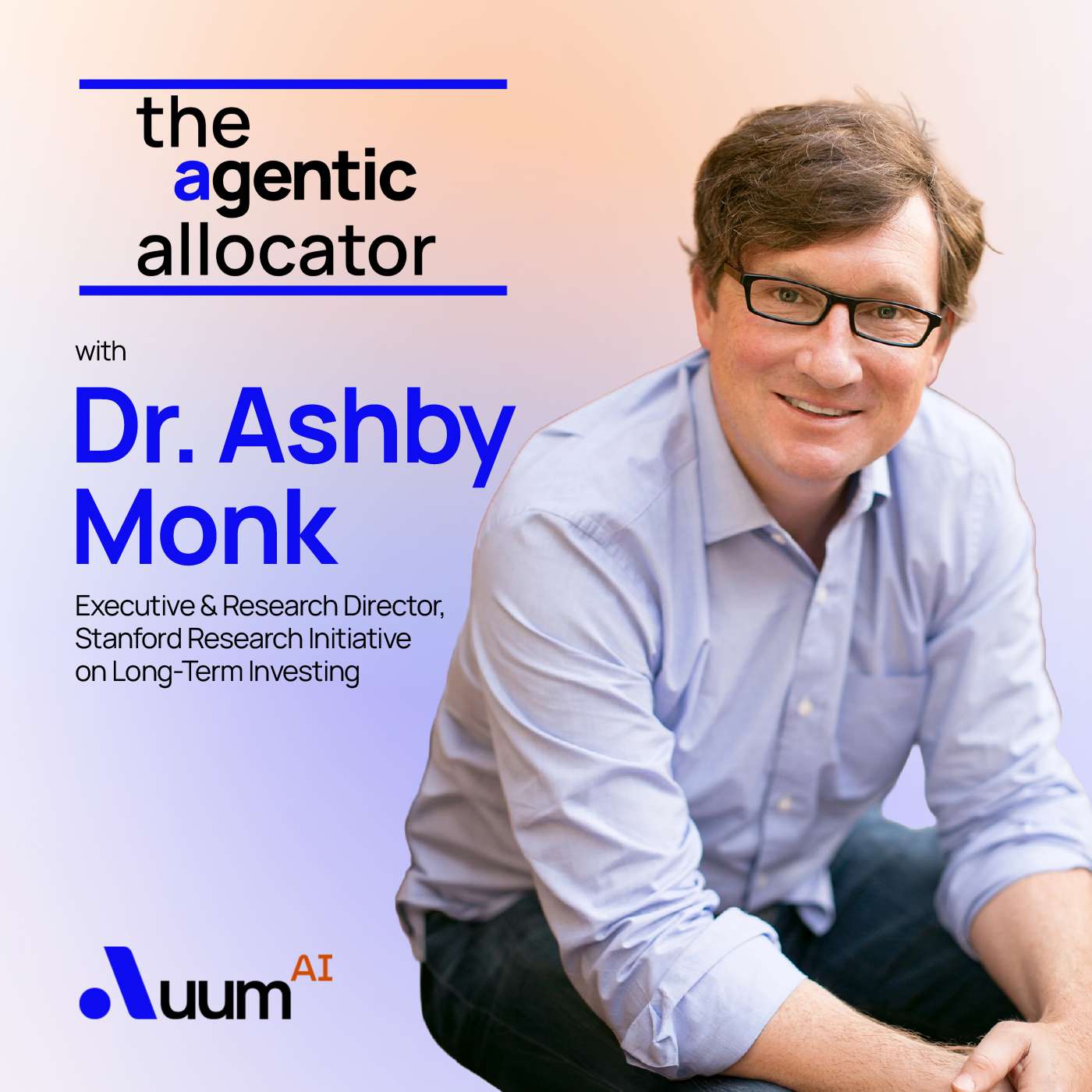
Dr. Ashby Monk, Executive and Research Director of the Stanford Research Initiative on Long Term Investing, joins The Agentic Allocator to explain why AI has become an existential question for pension funds and sovereign funds, and what a credible answer to the Board looks like.Ashby has spent over two decades studying and advising the world’s largest asset owners on governance, organisational design, technology, and investment strategy. He is also Managing Partner of KDX, a venture capital firm backing founders building technology for institutional investors, which gives him a unique vantage point across the ecosystem. His starting position is that the core LP problem predates AI entirely: portfolio complexity has far outstripped the organisational capability to manage it. Institutions designed around 60/40 are now past 50 percent in alternatives, without the technology, process, or governance to handle that opacity. AI is the first thing Ashby has seen motivate asset owners to confront this challenge.The conversation covers his on ramp for allocators, why investment decisions belong at the end of that sequence rather than the beginning, why handing a new tool to the person whose job it does will fail 99 times out of 100, and how the implementation gear of the industry could shift over the next ten years. What You’ll Learn:Why the fundamental LP pain point predates AI: portfolio complexity has outrun the capability to manage itWhy AI is an existential question for pension funds rather than a market crisis, and what boards are now demanding from CEOs and CIOsWhy wave one AI adoption is individual productivity, and why the real value sits in mobilising the organisation’s collective knowledgeAshby’s four step on ramp for allocators, and why the investment decision is the expert level that comes lastWhat generalist venture capitalists misunderstand about LPs, and why they see them as a source of funds rather than a user of technologyWhy an industry managing more than $140 trillion has almost no specialist technology investors backing itThe gearbox model of an investment organisation, and which gears AI is most likely to transform firstWhy asset allocation may be optimised to actual cash outflows within ten years rather than to a return targetThe ten-year view on implementation: SMAs at your own custodian, managers selling signals and custom indices, and a model that looks closer to technology outsourcingWhy sending a new tool to the person whose job it replaces produces a negative answer 99 times out of 100, and what to do insteadWhy governance should function as a steering wheel rather than a brakeWhat Ashby tells younger professionals whose seniors are hesitating around AI adoption, and why the pitch should be about capability rather than toolsAbout Dr. Ashby Monk:Dr. Ashby Monk is Executive and Research Director of the Stanford Research Initiative on Long Term Investing. He has more than twenty years of experience studying and advising the world’s largest pension funds and sovereign wealth funds on governance, organisational design, technology, and investment strategy, has authored seven books, and has published hundreds of research papers on institutional investing. His book The Technologized Investor won the 2021 Silver Medal from the Axiom Business Book Awards.Outside academia, Ashby is the Managing Partner of KDX, a venture capital firm focused on investment technology, and has helped build a number of companies applying advanced analytics to capital allocation, including RCI Navigator, acquired by Addepar, and Long Game Savings, acquired by Truist. He is a member of the CFA Institute Future of Finance Advisory Council and was named by CIO Magazine as one of the most influential academics in institutional investing. He holds a PhD in economic geography from the University of Oxford.Episode Highlights:[01:55] The Pain Point That Predates AIPension funds and sovereign funds were built around 60/40. Many are now past 50 percent in alternatives, and the word ‘alternative’ has become a conventional form of investment. The complexity of the portfolio has far outstripped the capability to manage it. What is missing is an organisation that can handle that complexity and opacity through technology, process, and governance.[04:05] Why AI Is an Existential Question, Not a Market CrisisClimate motivated asset owners. So did 2008 and 2001. AI is different. It is not a crisis in the markets, it is a question about whether the institution remains the one overseeing the corpus or ultimately relies on new forms of intelligence to manage it. Boards are asking directly, and leaders without an answer on organisational readiness are in trouble.[06:55] Wave One Is Productivity. The Power Is Collective Knowledge.Most organisations still have no AI strategy. What they have is individuals synthesising documents and formatting meeting notes. That is useful, but those individuals are tapping knowledge from outside the organisation. The firms doing this well are using AI to mobilise their own history, capabilities, and belief systems for the benefit of whoever opens the tool.[08:40] The On Ramp: Everything That Comes Before the Investment DecisionStart by using AI to understand what the organisation already thinks and who is working on what. Then underwrite past deals again, which takes thick skin, because AI is good at pointing out what was missed. Then run red team analysis on live deals. Then move to value creation inside the portfolio, where the stakes are lower. Investment decisions are the expert level and come fourth, not first.[10:30] The Silo Problem Across Client, Manager Selection, and Operations TeamsAllocator organisations typically run a client investment team, a manager research team, and an operations team on three systems that have never spoken to each other. Sharing collective knowledge across those functions has been structurally difficult. It is one of the clearest near-term applications of the technology.[11:35] What Generalist VCs Get Wrong About LPsGeneralist venture investors are strong technologists, but they see LPs as a source of funds rather than a user of technology. Their service model is oriented to founders. One well known GP limits LP contact to once a year. That framing is why so little capital has gone into the technology these institutions actually need.[13:55] $140 Trillion and the Case for Invest TechAsset owners may be bureaucratic and sit inside governments and universities, but they manage north of $140 trillion, and the work itself is processing data into information, information into knowledge, and knowledge into applied intelligence. Every stage of that is affected by technology. Defence tech supports 50 to 100 specialist funds on comparable technology budgets. Investment technology supports almost none.[16:30] The Gearbox: How to Model an Investment OrganisationEvery investor runs a set of interlinking gears. The organisation is governance, capital base and its preferences, culture, technology stack, and people. That gear drives a target asset allocation. That drives an implementation model. The outer gear is the global market. Ashby expects allocation and implementation to be transformed first.[17:50] Alloca...
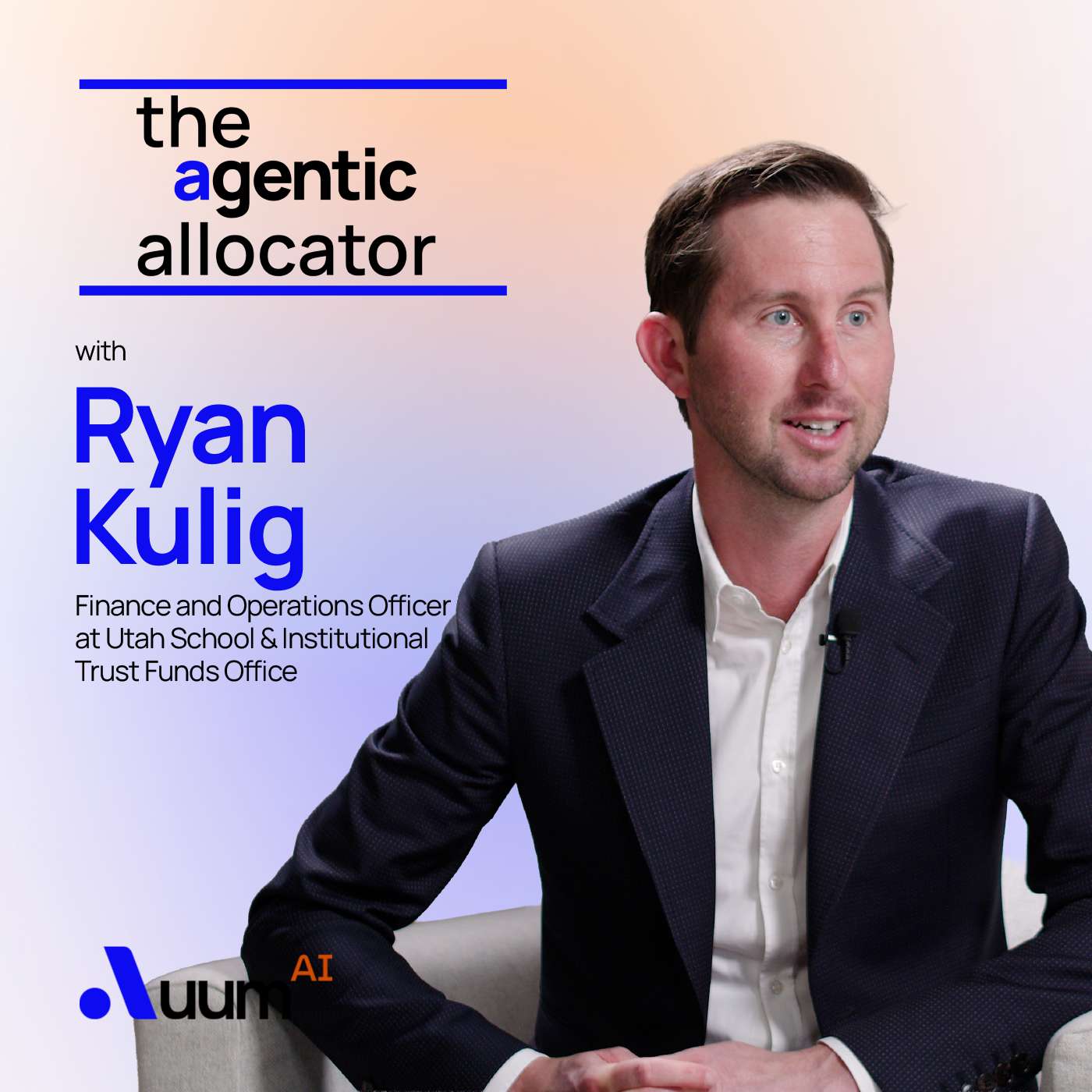
Ryan Kulig, Finance and Operations Officer at SITFO, the Utah School and Institutional Trust Funds Office, joins The Agentic Allocator to share how a $4.7 billion-dollar permanent fund for Utah's public education programs became one of the earliest institutional allocators to systematically build AI into the way it operates.For the past 16 months, Ryan has led a rigorous AI landscaping exercise at SITFO, evaluating vendors, building agentic workflows, and integrating AI into the operational fabric of the agency. As a member of several industry networks of leading endowments, foundations, and health systems, Ryan found that almost no one else in those communities was actively implementing AI, which only deepened his conviction that SITFO needed to lead.Ryan walks through why SITFO moved past using AI to generate investment memos, which it found to be a commoditized solution, toward a cross functional platform that serves finance and operations, strategy and risk, and manager research. He explains the integration work required to connect AI to the CRM, benchmarking systems, performance vendors, email, and shared document storage, and why that unglamorous plumbing work is what makes the AI powerful. He also shares his view that institutional investors have been slow to adopt AI because they treat it as a productivity tool rather than a transformational technology, and why SITFO concluded that the cost of moving early outweighed the risk of waiting.What You'll Learn:How SITFO grew from three people and an inherited portfolio of Vanguard mutual funds into a sophisticated allocator over its first ten yearsWhy SITFO moved past using AI for investment memos, which it found to be a commoditized solution, toward a single cross functional platform serving finance and operations, strategy and risk, and manager researchWhy SITFO prioritized integrating AI with its existing CRM, benchmarking, and performance systemsWhy Ryan believes institutional investors have been slow to adopt AI because they treat it as a productivity tool rather than a transformational technologyWhy SITFO concluded that the cost of being early outweighed the risk of waiting, and what that meant in practiceHow SITFO built a pipeline tool that pulls documents from its CRM daily and screens managers against desirable metrics across asset classesWhy low hanging fruit such as reviewing limited partnership agreements, populating subscription documents, and redlining NDAs frees the team for higher value workWhy Ryan believes manager research is shifting back to a people business, with more time spent on reference checks and relationship building and less on memo writingWhy SITFO's two most recent hires were chosen for technical skill rather than manager research background, and what that signals about where the team is headedRyan's advice for peers earlier in their AI adoption journey: assess your resources and objectives first, then run a structured landscaping processHow SITFO secured board and management support years in advance, including through an internal working group it calls the Skynet groupThe data integrity and integration challenges SITFO worked through, including cleaning its CRM and controlling permissions across email and shared drivesAbout Ryan Kulig:Ryan Kulig is the Finance and Operations Officer at SITFO, the Utah School and Institutional Trust Funds Office, a $4.7 billion-dollar permanent fund to support Utah’s public education programs. Ryan joined SITFO in 2016 to manage office operations, portfolio administration, and investment analysis, and has spent the past 16 months leading the agency's AI landscaping and implementation effort. Before joining SITFO, he worked at Sax Angle Partners, specializing in fundamental and technical analysis of equity investments. Ryan holds a Bachelor of Business Administration in Global Business from the University of Portland and an MBA from the University of Southern California.Episode Highlights:[01:57] From Three People to a Sophisticated AllocatorRyan traces SITFO's growth from three founding employees and an inherited portfolio of Vanguard mutual funds to a fully built out institutional allocator, and what it took to establish the foundational governing documents early on.[03:12] Beyond Investment Memos: One Solution Across Three VerticalsSITFO's early attempt to use AI for investment memos quickly proved commoditized. Ryan explains how that pushed the team toward a broader search for a solution that could serve finance and operations, strategy and risk, and manager research, and why integration with existing systems was a key priority. [04:44] Why the Industry Is Holding BackRyan's view on why institutional investors, as risk conscious fiduciaries, have been slow to adopt AI, and why many are still treating it as a productivity tool rather than a transformational one.[06:42] Why SITFO Chose to Move EarlyRyan explains SITFO's calculation that the cost of being early outweighed the risk of waiting, and how the team built a cross functional case for AI that could benefit every vertical in the agency rather than a single department.[07:39] Low Hanging Fruit: LPAs, Subscription Documents, and NDAsDocument intensive work is the clearest early win. Ryan explains why automating the baseline redlines of an NDA does not replace the attorney, it frees the attorney to focus on a more thorough review.[08:37] Building the Pipeline Engine: Top of Funnel to Bottom of FunnelRyan describes the tool SITFO built that pulls documents daily from its CRM and files them into active and prospective manager hubs, allowing the team to landscape its entire network and screen managers against asset class specific metrics.[10:31] The Cultural Shift: Back to a People BusinessRyan explains how AI is moving the manager research role away from quantitative screening and memo writing and back toward reference checks, relationship building, and firsthand observation of how managers operate.[11:25] SITFO in Three to Five Years: Hiring for Technical SkillSITFO's two most recent hires were chosen for technical aptitude rather than manager research background. Ryan explains why he expects the team to spend significant time coding and developing prompts to build out the agency's AI framework.[12:16] Why Manager Research Is Becoming a People Business AgainRyan's view on why AI, by making content easier to produce, will push allocators back toward firsthand experience and direct relationships as the basis for conviction.[13:46] Advice for Peers: Resources, Objectives, and a Structured ProcessRyan's framework for allocators evaluating an AI solution: assess your team's resources and skill set, define what you are trying to achieve, and run a structured landscaping process. [15:11] Governance: Board Buy In and the Skynet GroupRyan describes how SITFO secured support from its board and CIO years in advance, including through an internal working group established roughly three years ago to explore AI implementation across the organization.[16:05] Challenges: Data Integrity and Integration PermissionsRyan walks through the unglamorous work behind the AI bu...

Comments

Download from Google Play

Download from App Store
 United States