DiscoverHolding Space with Dr. Barker
Holding Space with Dr. Barker
Claim Ownership

Holding Space with Dr. Barker

Author: Dr. Christopher Barker

Subscribed: 5Played: 114
Share

Description

Holding Space with Dr. Christopher Barker is a psychology podcast focused on how unresolved complex trauma shapes daily life — from childhood through adulthood.


Complex trauma isn’t only about major events. It develops through chronic stress, attachment wounds, emotional neglect, and relational instability. Over time, these survival adaptations can show up as ADHD-like symptoms in children, emotional dysregulation, workplace conflict, burnout, leadership struggles, relationship challenges, and intergenerational family patterns.

Through the lens of EMDR therapy, attachment theory, neuroscience, and trauma-informed care, Dr. Barker explains how the nervous system learns to survive — and how healing becomes possible.


Each episode offers research-based insight and practical tools for regulating triggers, improving relationships, and moving from survival mode to intentional living.


Understanding your story is the beginning. Healing transforms how you live it.

Welcome to Holding Space.


https://substack.com/@christopherbarkerphd
104 Episodes
Reverse
Forgiveness is not the same as trust, reconciliation, or giving someone access to your life again.In this solo episode, Dr. Christopher Barker explores what forgiveness can mean after betrayal, abuse, or lasting harm—and why it should never become another obligation placed on the person who was hurt. He discusses accountability, anger, boundaries, and the possibility of building a fuller life even when forgiveness feels impossible. Learn more and find resources at www.drchristopherbarker.com — and if this episode helped you, follow Holding Space with Dr. Barker so you never miss an episode.
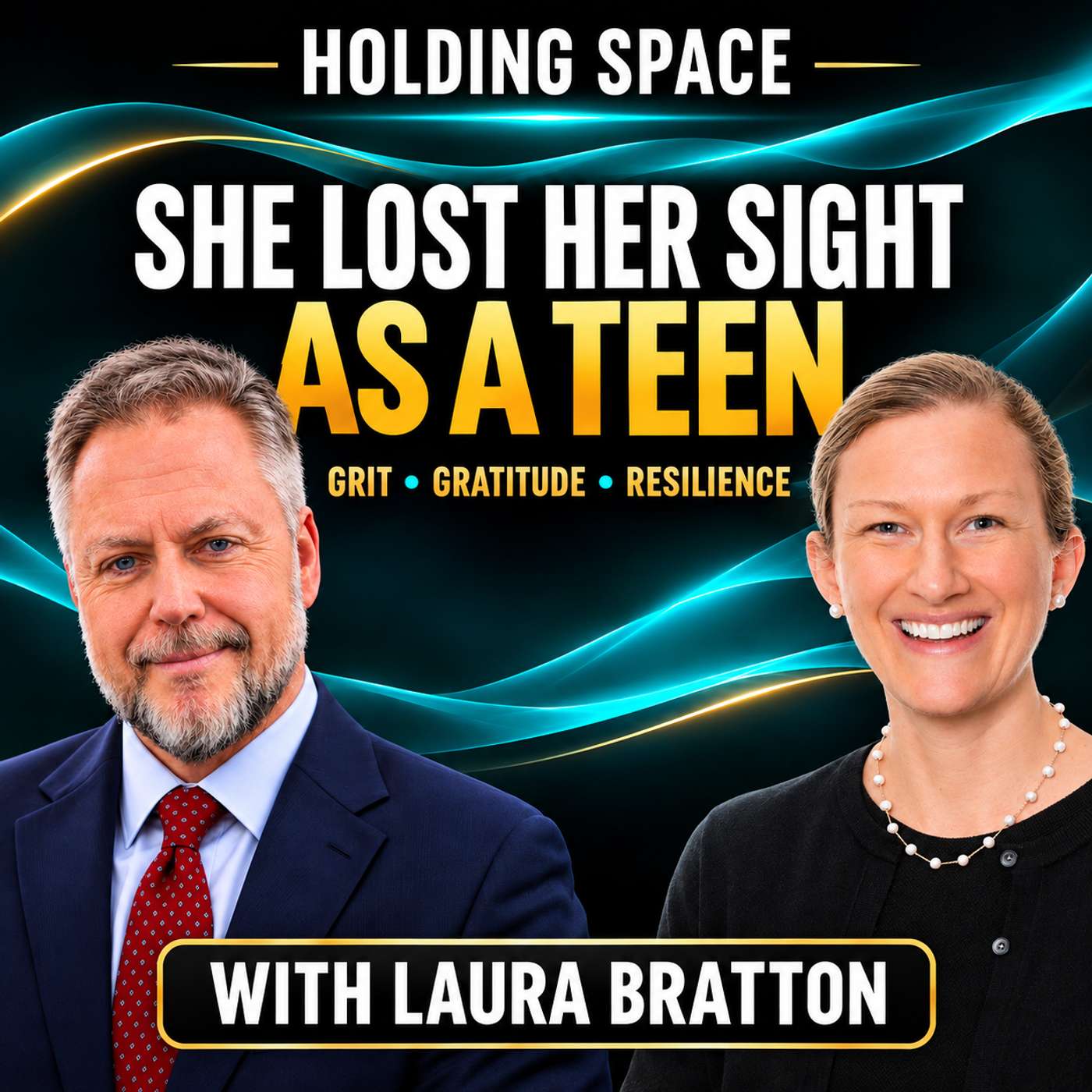
At nine years old, Laura Bratton was diagnosed with a rare retinal disease. Without a timeline or roadmap, she gradually lost her usable vision and was completely blind by the time she graduated from high school.In this deeply honest episode of Holding Space, Laura joins clinical psychologist Dr. Christopher Barker to discuss the grief, depression, anxiety, and panic attacks that accompanied that transition—and the people and practices that helped her continue moving forward.Laura explains why resilience is rarely smooth or linear, how her family taught her to take life one day at a time, and why being supported does not make someone weak. She also challenges the idea that gratitude means denying pain or pretending everything is positive. Instead, gratitude can help us recognize what continues to sustain us while still honoring how difficult life can be.Together, Laura and Dr. Barker explore healthy interdependence, the healing power of being treated like yourself, finding continuity during trauma, and why a major loss does not have to become your entire identity.Laura’s message is both simple and powerful: regardless of your circumstances, you and your humanity are enough.Learn more about Laura Bratton:https://www.laurabratton.comLearn more about Dr. Christopher Barker and Holding Space:https://drchristopherbarker.com
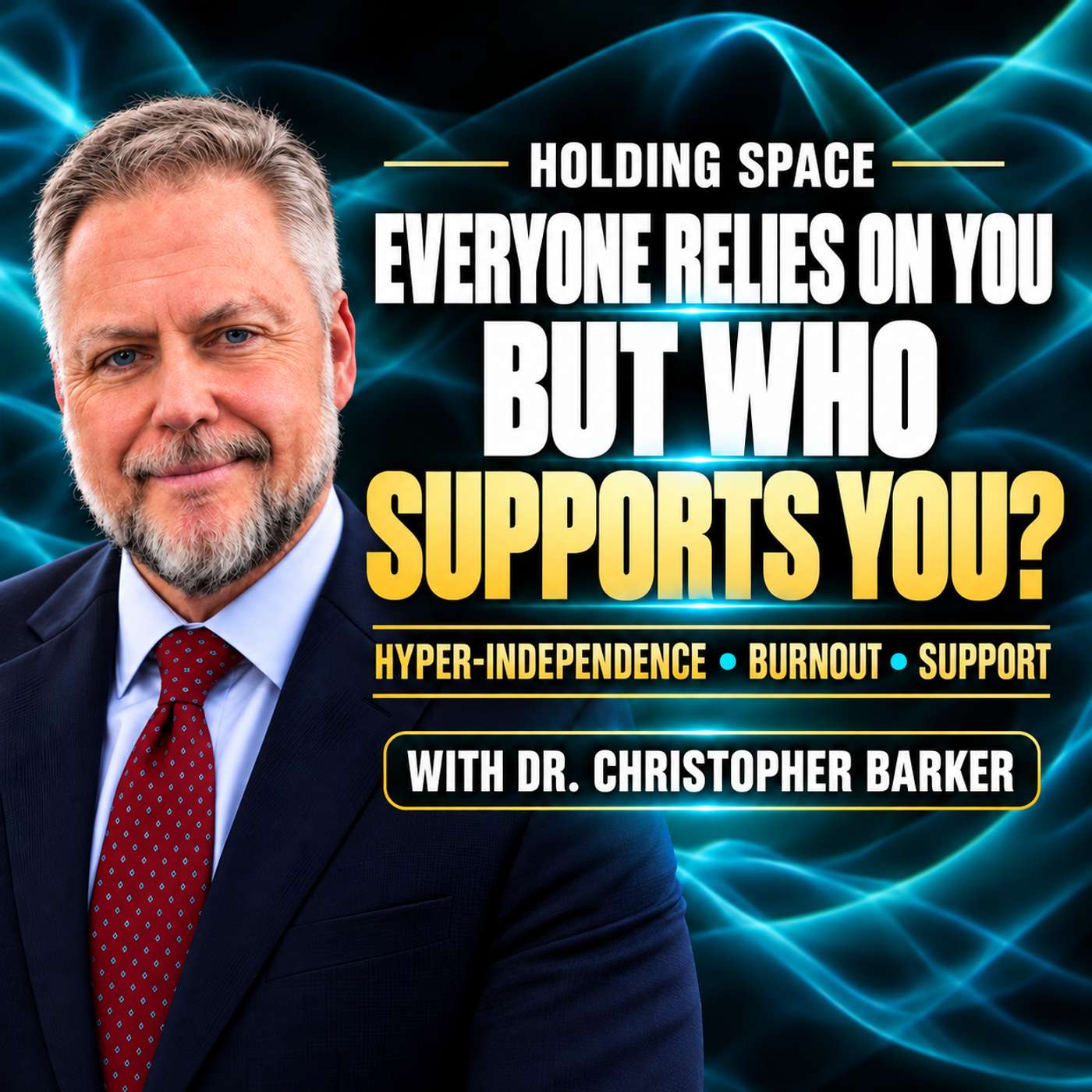
What happens when everyone relies on you, but you do not know who you can rely on?In this solo episode of Holding Space, clinical psychologist Dr. Christopher Barker explores the hidden loneliness of being the dependable one—the person who solves problems, calms others, and carries more than anyone realizes.Dr. Barker examines how this role can begin with parentification, childhood emotional responsibility, family hardship, workplace pressure, or relationships in which being useful becomes closely tied to belonging. He also discusses hyper-independence, burnout, the discomfort of receiving care, and why asking for help can feel riskier than handling everything alone.This conversation offers a compassionate reminder: your needs are not unreasonable, and another person’s inability to support you is not proof that you asked for too much.Learn more about Dr. Christopher Barker, his work, and Holding Space at https://drchristopherbarker.com.
From the rugged trails and waterfalls of Torrin Pools on Scotland’s Isle of Skye, Dr. Christopher Barker reflects on the road behind us—and the one still ahead.Complex trauma can teach us to expect the future to repeat the past. Even when the danger has ended, we may remain in survival mode, waiting for the next bad thing to happen. But the road ahead can also lead toward repair, intimacy, connection, and joy.That does not mean the journey will be smooth. There may still be slippery rocks, unexpected setbacks, and enough mud to ruin a perfectly good pair of jeans. Healing is often complicated and messy—but continuing forward allows us to experience moments we would have missed by staying where we were.Pause. Look around. The road ahead may be difficult, but it does not have to be the same as the road behind.A special two-part reflection from Holding Space on the Road: Scotland.
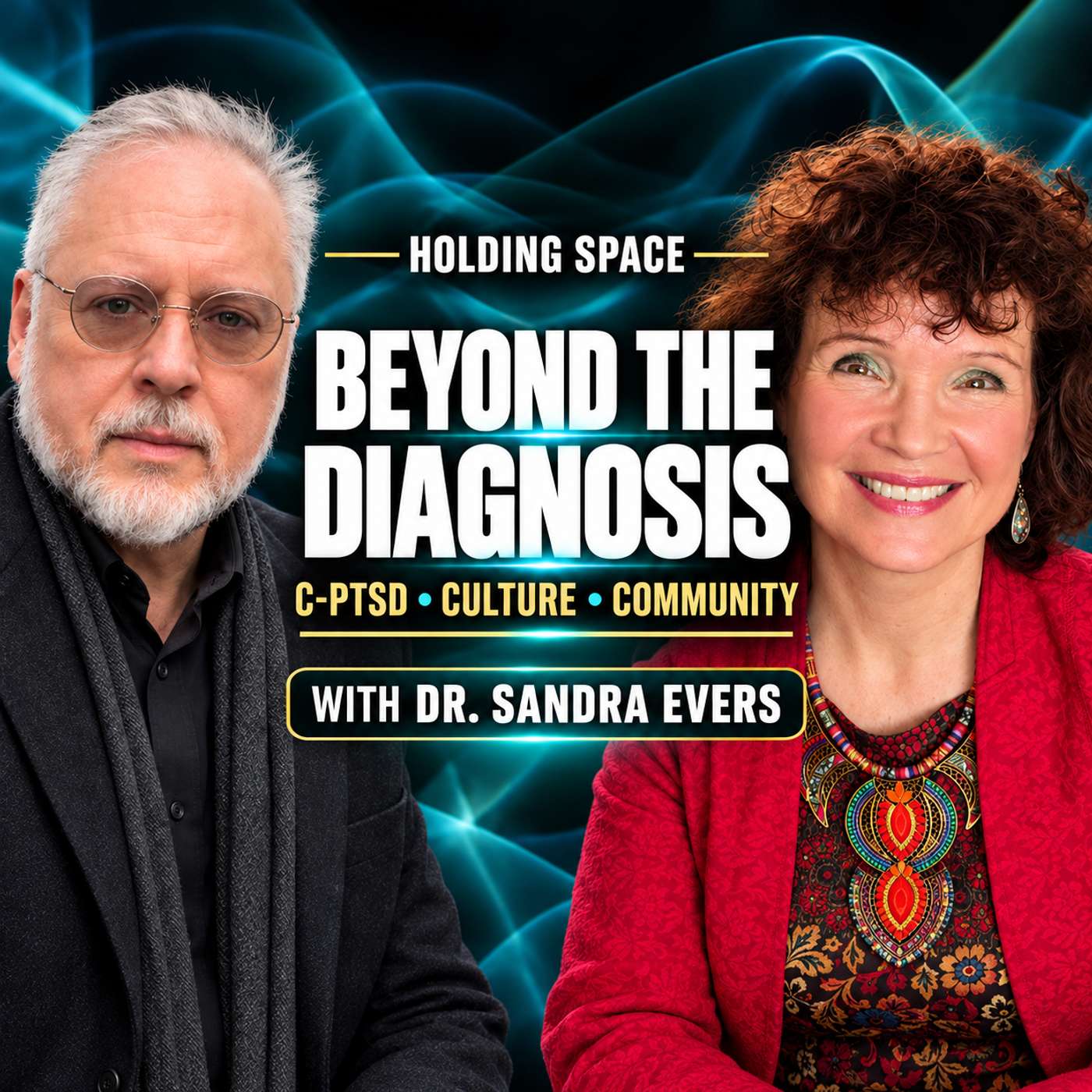
What happens when trauma is treated as a diagnosis without fully hearing the life behind it?In this episode of Holding Space, Dr. Christopher Barker speaks with anthropologist, researcher, author, and survivor Dr. Sandra J.T.M. Evers about relational violence, institutional harm, C-PTSD, and the human capacity for resilience.Dr. Evers shares how an abusive relationship left her physically free but still imprisoned by fear, nightmares, and a nervous system prepared for danger. She also explains how lessons from her anthropological work in Madagascar helped her reconnect with community, culture, spirituality, and her own sense of self.Together, they explore:Why leaving an abusive relationship is rarely as simple as “just leave”How trauma can remain active in the body after the danger has passedThe isolation often created by coercive and controlling relationshipsWhy a diagnosis should never replace listening to the whole personHow culture shapes our understanding of trauma, grief, and healingThe importance of community, connection, and moments of relational repairWhy mental healthcare must consider a person’s social and cultural contextHow medication may be one tool without addressing every source of sufferingThis is a conversation about horror, hope, and what becomes possible when people are seen as more than their symptoms.Content note: This episode contains discussions of domestic and sexual violence, coercive control, attempted femicide, psychiatric hospitalization, self-harm, suicide, and euthanasia. Please listen with care.Learn more about Dr. Sandra Evers: sandrajtmevers.nlTo learn more about Dr. Christopher Barker or contact him, visit drchristopherbarker.com.This conversation reflects the guest’s personal experiences and perspectives and is not medical advice. Medication can be beneficial for some people. Never stop or change prescribed medication without consulting a qualified healthcare professional.
loading
Comments