


 Claim Ownership
Tech Mirror
Subscribed: 17Played: 187
Subscribe

© Copyright TPDi
Description
How do we ensure technology makes our lives better? Tech Mirror is the podcast of the Tech Policy Design Institute. We explore how technolgy is shaping our lives, and how we - the humans- can shape technolgy back.
68 Episodes
Reverse
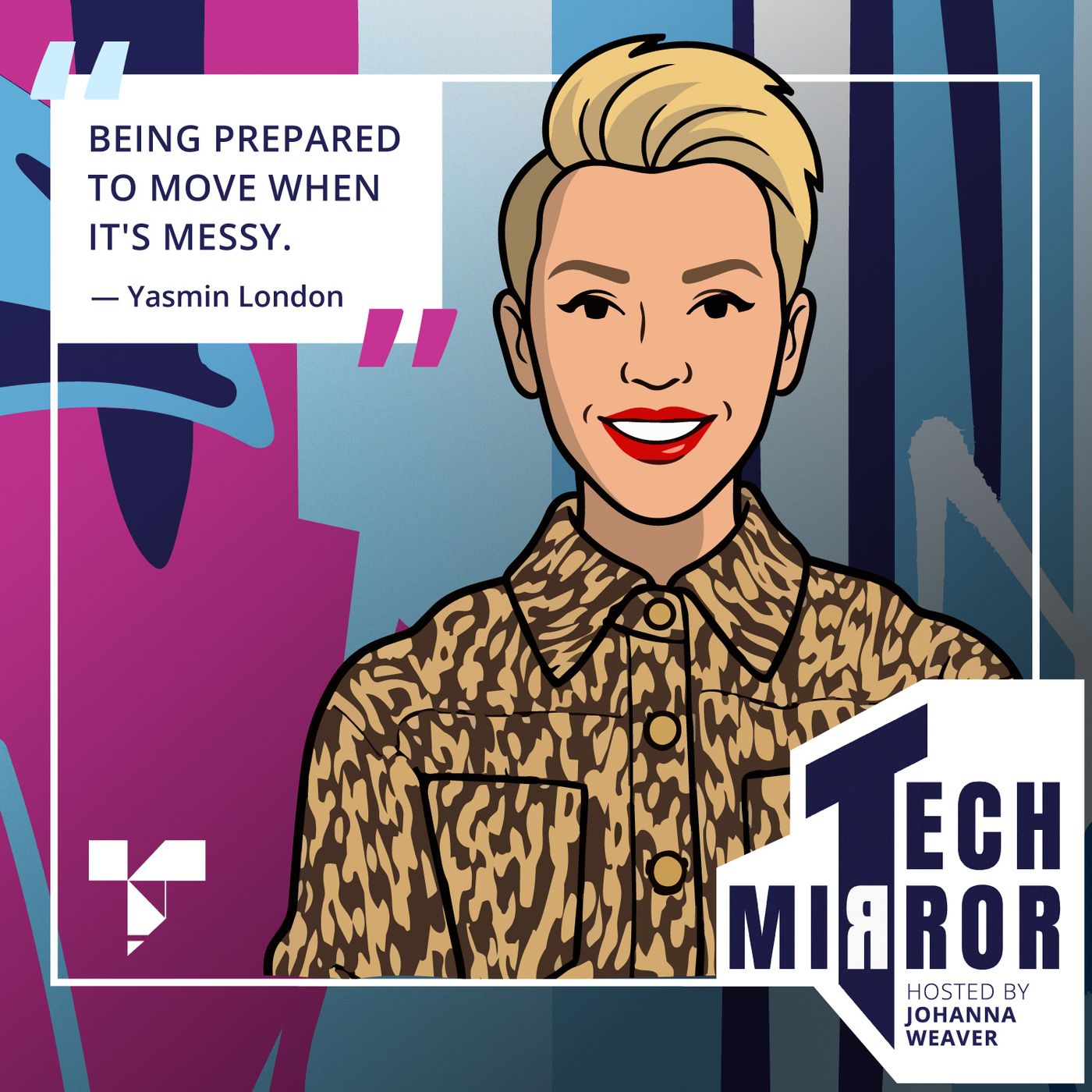
As AI becomes more embedded in our lives, how do we make sure we retain the capabilities, connections, and agency that make us human, and how do we find the courage to shape what comes next?In this episode of Tech Mirror, Johanna Weaver speaks with Yasmin London, former professional athlete and NSW police officer, tech executive, entrepreneur, and founder of First Movers. Her new book, First Movers: Courageous Leadership for a Human Future in the Era of AI, explores what it means to step forward and act, even when the path ahead isn’t certain.Together, they explore the disproportionate impact of technology on women and girls, bias and whose voices shape our technological future, and why we all have a role to play. Yasmin also shares her three priorities for staying human in the AI era: protecting the human, preserving the mind, and powering human connection.Content warning: This episode includes discussion of suicide. If you or someone you know needs support, contact Lifeline on 13 11 14.Links:First Movers: Courageous Leadership for a Human Future in the Era of AI | Yasmin LondonVictorian Women's Trust research: Gender and AI: Where's the Harm? | Victorian Women’s Trust Latest study on chatbot use in Australia shows people are using chatbots in increasingly personal ways | YouGovWorld Economic Forum Global Risks Report 2025 | World Economic Forum Meta shelves fact-checking in policy reversal ahead of Trump administration | ReutersAdd blood, forced smile’: how Grok’s nudification tool went viral | The GuardianA Digital Duty of Care for Australia—Developing a duty of care framework for online services used by Australians | Australian GovernmentAustralia's Social Media Minimum Age legislation | Australian Government\Controversial Sydney data centre project pulled amid community anger | ABC NewsDigital Duty of Care Policy Spotlight | Tech Policy Design InstituteJoint Select Committee on Artificial Intelligence | Tech Policy Design InstituteThis episode includes AI-generated content.
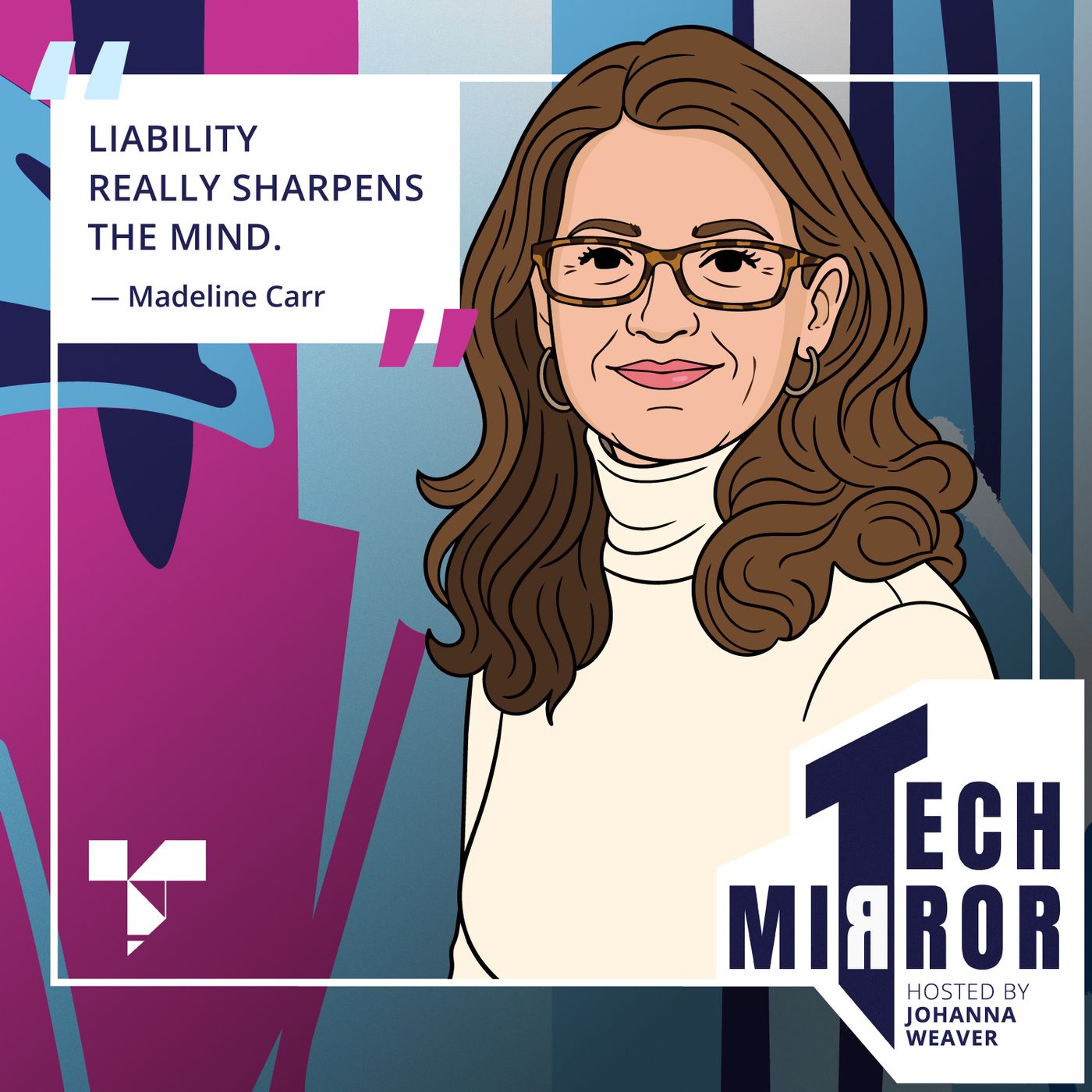
China has been regulating artificial intelligence for years, challenging the assumption that technology is evolving too rapidly to regulate. As concerns grow over tech company accountability, what lessons (if any) can Australia and other democracies take from China?In this episode of Tech Mirror, Johanna Weaver speaks with Professor Madeline Carr, Professor of Global Politics and Cybersecurity at University College London and visiting chair of technology at Schwartzman's College at Tsinghua University in Beijing.Together they explore China’s evolving approach to AI regulation. From recommender algorithms and synthetic content to generative AI and safety frameworks, Madeline shares insights from on the ground in Beijing. They unpack the differences between US and Chinese approaches to innovation, the importance of liability in holding technology companies accountable, and consider how middle powers could govern foreign technologies in a world where the best innovative tech isn’t necessarily coming from a major ally.LinksUS tech leaders are urgently calling for rules on AI – China already has them | The ConversationWe Must Pace the Frontier | Dario AmodeiAlgorithmic Recommendation Regulation (Order No. 9) | Cyberspace Administration of China (CAC) Internet Information Synthesis Regulation | Cyberspace Administration of China (CAC)Interim Measures for the Management of Generative Artificial Intelligence Services | China Law Translate AI Safety Governance Framework 3.0 (mandarin)

“I wanted to make a difference, and I wasn’t getting that fulfilment in the private sector anymore,” says Lee Hickin. After decades at some of the world’s largest technology companies, including Amazon, Microsoft and IBM, Lee wanted to shift the impact of his work away from corporate goals towards the broader public good. Now leading Australia’s National AI Centre (NAIC), Lee’s challenge is to help position the nation to seize the opportunities of AI while giving organisations the confidence, skills and agency to navigate a rapidly evolving technology ecosystem.In this episode of Tech Mirror, Johanna Weaver speaks with Lee on a sober perspective in the ‘race for AI’ and how the government's strategy is constantly evolving to keep pace. By taking an intergenerational approach, Lee gives a clear piece of advice: learn how to use AI, but don’t become dependent on it.Links:AI Agency Toolkit Expanding AI Sovereignty to AI Agency | Tech Policy Design Institute ai.gov.au | National AI CentreArtificial intelligence expert Lee Hickin departs Microsoft to become National AI Centre director | Startup DailyAnthropic researcher believes more than 10% chance AI 'could kill all humans' | BBC
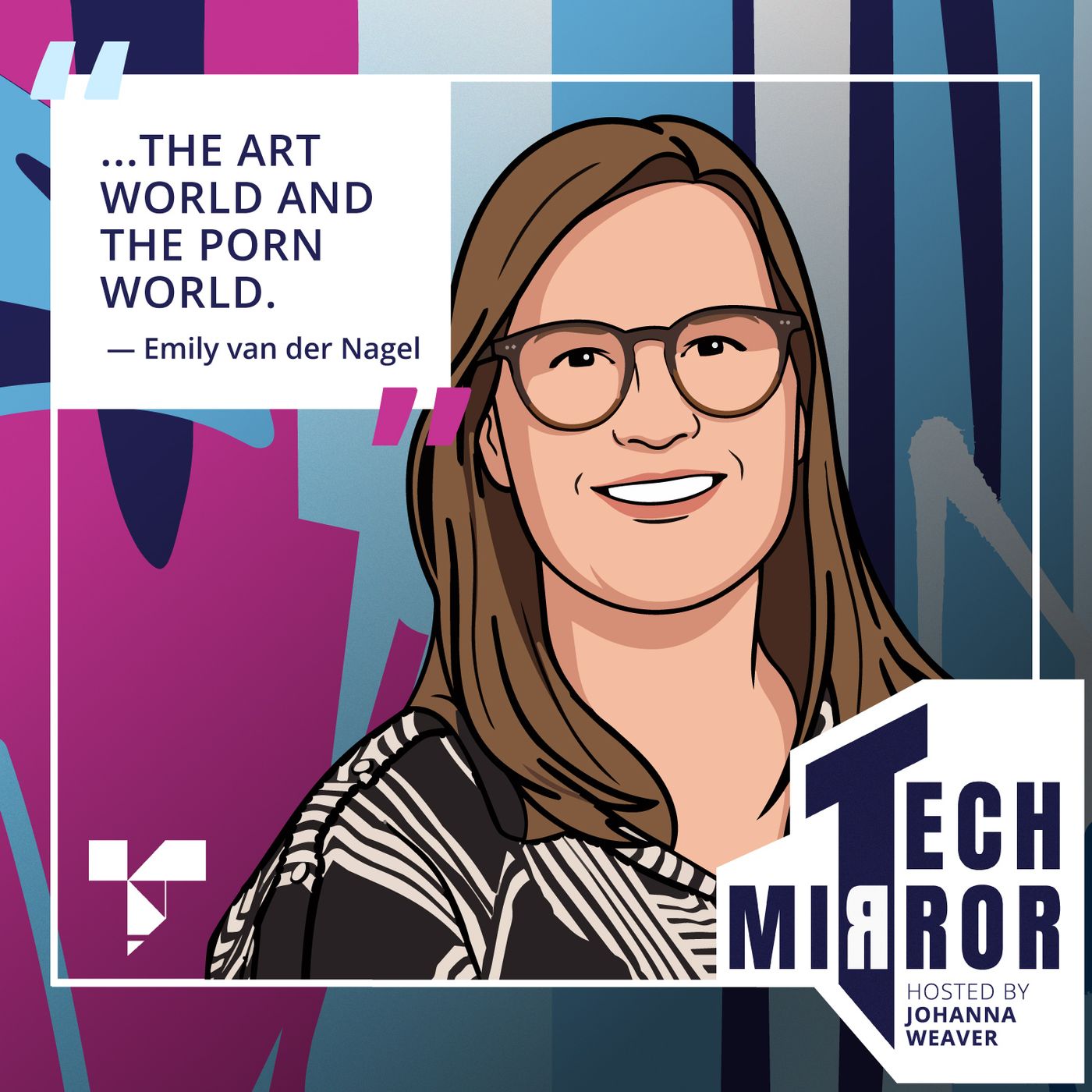
OnlyFans is often immediately recognised as an adult content platform. Yet, according to digital culture scholar Dr. Emily van der Nagel, the company sidesteps embracing the kinds of explicit material that define it. What does this mean for the creators who make their living on the platform, and for its and governments' responsibilities?In this episode of Tech Mirror, host Johanna Weaver and Emily explore how the OnlyFans platform design and corporate strategy shape the experiences of its creators and users. Their conversation examines questions of worker agency, platform power and regulation, copyright, the blurry line between art and porn, and what making a living through platform work can reveal about the broader digital economy and our society. This podcast episode does include adult themes, so exercise your judgement as to if and when you listen to this episode.LinksOnlyFans | Emily van der NagelWhy OnlyFans had second thoughts on banning sexually explicit content | The GuardianCompeting platform imaginaries of NSFW content creation on OnlyFans | Emily van der NagelDigital Economy Strategy | Australian Government, Department of Industry, Science, and Resources

Many believe that Artificial Intelligence will soon be embedded in nearly every aspect of the modern world. But how diverse are the people shaping this technology? In this episode of Tech Mirror, Johanna Weaver is joined by Dr. Gemma Killen and Professor Rashina Hoda to explore how a lack of diversity in AI development is amplifying harms towards women as well as marginalised and vulnerable groups. From biased recruitment, renter prejudices and healthcare systems to deepfakes, they acknowledge the existing challenges with AI’s track record on diversity and suggest some practical steps to improve inclusion and instead use AI to reduce bias and, just maybe, even smash the patriarchy!Links:AI has a woman problem. It could cost us dearly | The Financial ReviewWhat Does a Software Engineer Look Like? Exploring Societal Stereotypes in LLMs | Monash UniversityARTIFICIAL INTELLIGENCE and Women's Health | Working with Women AllianceARTIFICIAL INTELLIGENCE, Gender and Equality Economics| Working with Women AllianceAI Safety Forum: Session Videos

Comments

Download from Google Play

Download from App Store
 United States