



 Claim Ownership
 softmax
softmaxSubscribed: 1Played: 2
Subscribe

© Mark Redito
Description
softmax is a podcast about AI, emerging technology, creativity and culture hosted by artist and technologist, Mark Redito.
redito.substack.com
redito.substack.com
14 Episodes
Reverse

Sacha Krstulovic breaks down the fundamental realities of AI in music that cut through the hype and fear dominating current discourse. As someone who’s spent decades building AI systems for audio—from speech recognition to environmental sound detection—he offers a grounded framework for understanding what AI actually does versus what we imagine it does.The conversation explores why pressing a button to generate a complete song misses the point of creative tools, how data ownership remains the unresolved ethical crisis of the AI era, and why human agency at both input and output stages determines whether we’re witnessing automation or artistry. Sacha shares insights from his work building AI research teams at Music Tribe, where they discovered the real use cases musicians want: evading the blank page, compensating for missing skills, and gaining time—not replacement.Particularly compelling is his framework for thinking about AI as automation, complexity, data-driven programming, and always a function with inputs and outputs. This perspective helps practitioners navigate the difference between assistive mixing tools that teach you about conventions while giving you power to break them, versus generative systems that claim to “make music” while obscuring the human curation required at every step.For anyone building tools for creative-tech professionals or working at the intersection of machine learning and music, this conversation offers rare perspective from someone who’s seen the evolution from unit selection speech synthesis to transformer-based generation—and maintains healthy skepticism about what actually serves human creativity.Episode Chapters[(2:25) Sacha’s Journey: From Speech Recognition to Audio AI Leadership(13:21) Demystifying AI: Four Core Principles(23:32) Beyond Generation: The Full Landscape of Audio AI(28:30) Real Use Cases: What Musicians Actually Want from AI(33:38) The “Press Button, Get Song” Problem(40:44) Breaking the Machine: Creative Exploration with AI(51:04) Data Ethics and the Copyright Crisis(57:49) Digital Hangover and the Return to Real Life Experience(1:03:30) Closing: Finding Sacha and Understanding AIPractical TakeawaysFramework for Understanding AI:* AI is automation with extreme complexity (billions of parameters)* It’s data-driven programming, not hand-coded rules* Always has inputs and outputs—it’s a function, not an entity* Mimics patterns without consciousness or independent agencyDesign Principles for Music AI Tools:* Present outputs as editable parameters, not black boxes* Let AI act as teacher showing conventions you can consciously break* Focus on use cases: blank page stimulation, missing skills, time efficiency* Preserve human agency at input (what to explore) and output (what’s good enough)Data Ethics Standards:* Traditional ML practice: own or license all training data* Current lawsuits challenge the “scrape everything” approach* Ed Newton-Rex’s Fairly Trained advocacy as alternative modelThe Live Music Economy:* Musicians increasingly earn through concerts, not recordings* Local, human interaction offers what algorithms can’t deliver* Fandom culture, tangible experiences, and vinyl collecting as counterweights to digitalResources & LinksConnect with Sacha:* LinkedIn: https://www.linkedin.com/in/sacha-krstulovic-3505544/* Personal website: sacha.today (includes essay on creativity and entrepreneurship)* Consultancy: understand-ai.todayMentioned:* AES International Conference on AI and Machine Learning for Audio* Ed Newton-Rex - Fairly Trained advocacy* Dadabots* Max Cooper - Electronic music artist* Audio Analytic - Environmental sound recognition (acquired by Meta)* Music Tribe - Audio equipment manufacturer (Behringer, Midas, TC Electronics)* Giada Pistilli - Should we be afraid of becoming attached to machines?* Documentary - Re-learning to listen to musicGuest BioSacha Krstulovic is an AI researcher who spent two decades at the intersection of machine learning and audio, from early speech recognition work accounting for vocal tract physics to building the first large-scale environmental sound recognition system. As Director of AI Research at Music Tribe, he led a team of 15 exploring applications for audio equipment manufacturers. His career spans academia (PhD in speech recognition), industry giants (Toshiba, Nuance), successful startups (Audio Analytic, acquired by Meta), and now independent consultancy helping companies structure practical AI applications. He brings rare perspective on the evolution from “machine learning” to “AI” terminology—and maintains focus on what actually serves human creativity versus what captures attention.Related This is a public episode. If you would like to discuss this with other subscribers or get access to bonus episodes, visit redito.substack.com
Guest: Jordan Davis, solo founder of TensorPunk with 15 years of music industry experience spanning performance, recording, and sync licensing. Musician-technologist building AI tools from a producer's perspective.Topics: AI music tool development, Mace generative sampler, Anvil model training platform, DAW integration, dataset curation, performance-focused AI instruments, hacker ethos in music techAboutJordan Davis represents the emerging wave of musician-technologists who are building AI tools from the perspective of actual producers rather than data scientists. His company Tensor Punk has created Mace, a generative sampler that runs natively in DAWs, and Anvil, a tool for training custom models. This conversation reveals hard-won insights about product development, model training challenges, and the philosophical tensions shaping AI music tools.Key InsightsBuilding for Real Workflows: Jordan emphasizes that most AI music tools fail because they live in web browsers, disconnected from producers' actual creative environments. Mace runs as a VST plugin directly in DAWs, allowing seamless integration into existing workflows. This seemingly simple decision reflects deeper understanding of how musicians actually work.The Art of Model Training: Jordan shares fascinating technical details about his journey from TensorFlow to PyTorch, discovering that high-frequency content like hi-hats trains faster and produces better quality than low-end samples. He deliberately chose "grittier, grainier" results over pristine fidelity to create genuinely experimental sounds rather than polished imitations.Accessibility Without Compromise: TensorPunk tools run on CPU when GPU isn't available, supporting everything from Windows 7 to modern systems. Jordan developed much of the initial code on an old Windows 7 machine, demonstrating commitment to democratizing access to AI music tools.The Performance Future: Rather than focusing on one-click generation, Jordan envisions AI tools as performance instruments. He describes frustration with traditional DJ equipment and imagines knobs controlling "live neural samplers" that morph genres in real-time, freeing performers to explore "radically different sonic territory."Notable PerspectivesOn AI Music's Identity Crisis: "There's going to be really cool and interesting instruments that haven't even been invented yet... I see the future of there being really, really cool and interesting instruments."On the Hacker Ethos: "The branding behind Tensor Punk is that maybe there can be a company that has that hacker ethos and spirit, and is there supporting the creative and the artists. It's creative first, hacker and punk mentality first."On Controllability: "A lot of producers that might be hesitant with AI tools... want more control of the outcome and less black box results. I think there's a lot right now that just needs to be re-engineered and can have amazing results."Practical Takeaways* Dataset Quality Over Quantity: Focus on curated, labeled datasets using producer vocabulary rather than generic metadata* Platform Integration: Build tools that live inside existing creative workflows rather than isolated web applications* Community-Driven Development: Engage with actual users to discover unexpected use cases and workflows* Performance-First Design: Consider AI tools as instruments for live manipulation rather than just generation enginesFollow Jordan and TensorpunkTensorpunk DiscordTensorpunk IGTensorpunk WebsiteMusicMemory States - ȶʀǟɨռɨռɢ ɖǟȶǟ [12] - mini_epRelated This is a public episode. If you would like to discuss this with other subscribers or get access to bonus episodes, visit redito.substack.com
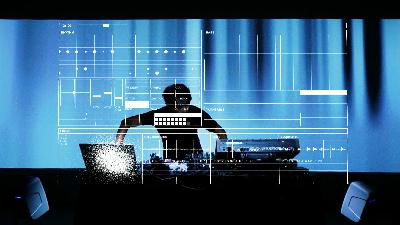
Guests: CJ Carr and Zack Zukowski, Dadabots founders, AI music researchers since 2012, known for intense neural metal streams and frontier AI music researchKey Topics: Live AI performance, prompt jockeying techniques, real-time music generation, cultural implications of AI training data, future of music interfacesMust-listen conversation with Dadabots founders CJ Carr and Zack Zukowski, who've evolved from their legendary 24/7 neural metal streams into live "prompt jockeying" - performing with tracks that don't exist until they're generated on stage. These creative technologists break down their journey from 2012 SoundCloud remix bots to performing at the UN, revealing the virtuosity behind real-time AI music generation that pushes far beyond typical button-pushing stereotypes.Key SegmentsThe Art of Live AI PerformanceCJ and Zack unpack "prompt jockeying" - their term for DJing with AI-generated tracks created in real-time. Using Jupyter notebooks as their interface, they generate tracks in seconds while performing, creating everything from "twinkle trap" (children's music fused with trap beats) to "ghost pepper salsa" (Afro-Cuban percussion meets New England hardcore). The process requires riding "the edge of chaos" - mixing tracks they've never heard while reading crowd energy and venue acoustics.Technical Innovation Beyond the HypeThe duo explains how diffusion models now generate full 3-4 minute tracks in seconds (versus the hour-per-minute of early sample RNN), enabling live performance. Their approach includes multi-step generation processes, where tracks are fed back through models for layered complexity, and context-aware prompt chaining that creates coherent musical narratives throughout sets.Research Meets PerformanceDadabots exemplifies the creative technologist archetype - building the very AI tools they perform with while maintaining roots in metal and punk virtuosity. Their 10+ page process documents for the AI Song Contest reveal the technical depth behind seemingly simple outputs, from custom RVC voice models to neural synthesis parameters that achieve timbres "halfway between guitars and synths."Cultural Implications of AI MusicFascinating exploration of how AI music reflects "the collective consciousness through a hall of mirrors" - training data becomes warped reflections of human culture. Their UN performance, taking genre requests from international diplomats, demonstrates how AI models enable unprecedented cultural fusion while raising questions about attribution and musical authenticity.Practical Takeaways* Live AI Performance Setup: Combine DJ software (DJ Pro with Neural Mix) with Jupyter notebooks running diffusion models locally* Prompt Engineering: Use BPM constraints for seamless mixing; develop signature techniques like multi-step generation* Venue Adaptation: AI generation enables real-time genre switching based on space, sound system, and audience energy* Technical Approach: Prioritize local models for performance reliability; build custom tools rather than relying on consumer appsNotable Insights"We're music hackers in a band slash hackathon team slash research lab... Code is this other frontier of music.""It's like DJing, but harder because the tracks don't exist. And so we're going back to back on beats, but we don't know where the beat goes.""The history of music is influences upon influences upon influences... it is a hall of mirrors."The Bigger PictureThis conversation captures a pivotal moment in creative technology - the shift from "using AI tools" to "performing with AI" as a creative partner. Dadabots represents the vanguard of human-AI collaboration, where technical skill becomes performative art and code itself becomes an instrument. Their approach signals what's coming for all creative fields: real-time, context-aware AI systems that enable entirely new forms of artistic expression.For creative technologists across disciplines, this offers a template for authentic AI integration - not replacing human creativity but amplifying it through deep technical understanding and performative mastery. The implications extend far beyond music: imagine live coding visual art, real-time AI-assisted writing, or dynamic design generation that responds to environmental context.Most significantly, Dadabots demonstrates how the next generation of creative professionals will need to be fluent in both artistic tradition and AI systems architecture - true creative technologists who can build their own tools rather than simply consume them.MentionedMusic and Artificial Intelligence: Artistic TrendsAlgoravehttps://tidalcycles.org/Reductive, Exclusionary, Normalising: The Limits of Generative AI MusicMusic for ComputersPrompt MeAI Song ContestLil Internet Mix (NTS)https://everynoise.com/Magenta RTPrompt Jockey DocumentaryFollow Dadabotshttps://dadabots.com/https://www.youtube.com/@dadabots_https://x.com/dadabotsPrompt Jockey DocumentaryMusicR. Tyler - raise ValueError()Related This is a public episode. If you would like to discuss this with other subscribers or get access to bonus episodes, visit redito.substack.com
Guest: Ezra, Founder of AudioCipher TechnologiesTopics: AI Music Workflows, Creative Tech Stacks, Film Scoring, Industry EthicsAboutMusicians wrestling with AI's place in their creative process will find practical frameworks here. Ezra breaks down how serious producers are building "tech stacks" with Suno, Udio, and ElevenLabs—moving beyond one-click generation toward intentional creative workflows. This isn't about replacing musicians; it's about understanding how AI tools fit into existing production pipelines.Key Insights & Practical TakeawaysThe Creative Tech Stack Approach* Suno excels at style transfer: Upload your rough ideas, transform them across genres with sophisticated prompt engineering* Udio dominates extension work: Superior at maintaining musical timbre and creating film score-style dynamic compositions* ElevenLabs offers licensed alternative: Text-to-music with commercial licensing, though less control than competitorsWorkflow Innovation in PracticeSophisticated production techniques: generating ambient loops in Udio, then conditioning Suno with unrelated prompts to create unexpected hybrid outputs. This "cross-pollination" approach demonstrates how creative professionals are developing personal AI methodologies beyond basic prompting.The Licensing Landscape Reality CheckThe ethical debate is evolving faster than anticipated. While UMG's lawsuits against Suno/Udio created initial friction, ElevenLabs' partnerships with Cobalt and Merlin are establishing new industry standards. The question shifts from "is this ethical?" to "how much are artists actually earning from these licensing deals?"Film Scoring: The Creative FrontierAI music's future lies in multimedia storytelling, not pop music generation. Film scoring offers creative freedom across multiple styles within single projects—exactly what AI tools enable. Ezra demonstrates how composers can leverage AI's stylistic range while maintaining the deep musical literacy that drives meaningful narrative scoring.Notable PerspectivesOn AI Music in Public Spaces: "I've been in dozens of cafes running 12-hour Suno playlists. It's functional music with no care given to sonic branding—this is where AI music risks poisoning public spaces."On Creative Authenticity: "There's a silent minority of serious producers actually experimenting with these tools, not just clicking 'generate' but investing time to understand where AI fits their artistic mission."On The Matrix Score Easter Egg: The film's composer embedded 12-tone serial music matrices within the soundtrack—the music literally reflects the movie's mathematical reality concepts, demonstrating the depth possible in multimedia storytelling.The Bigger PictureThis conversation cuts through typical AI music discourse by focusing on practical application rather than existential concerns. For creative technologists, the value lies in understanding these tools as part of broader production ecosystems—not replacement technologies, but specialized instruments requiring the same musical literacy and taste-making skills that have always defined great music production.Essential listening for anyone building creative workflows with AI tools, particularly those interested in multimedia storytelling and film scoring applications.Mentioned* Futureproof episode with Ezra* AI Song Contest * Music for Computers* Udio Prompt Guide* Tools: Stable Audio Open, Suno, Udio, Eleven Music, Veo3, Midjourney* the AI-Generated Ripoff Songs That Got Udio and Suno Sued* N. Korea’s AI Nukes* Twelve Tone Matrix* AudioCipher’s Ad* Feltzine Instagram* Music and Artificial Intelligence: Artistic Trends (Paper)Follow Ezra Sandzer-BellLinkedIn: https://www.linkedin.com/in/ezra-sandzer-bell/AudioCipher: https://www.audiocipher.com/MusicR. Tyler - raise ValueError() This is a public episode. If you would like to discuss this with other subscribers or get access to bonus episodes, visit redito.substack.com
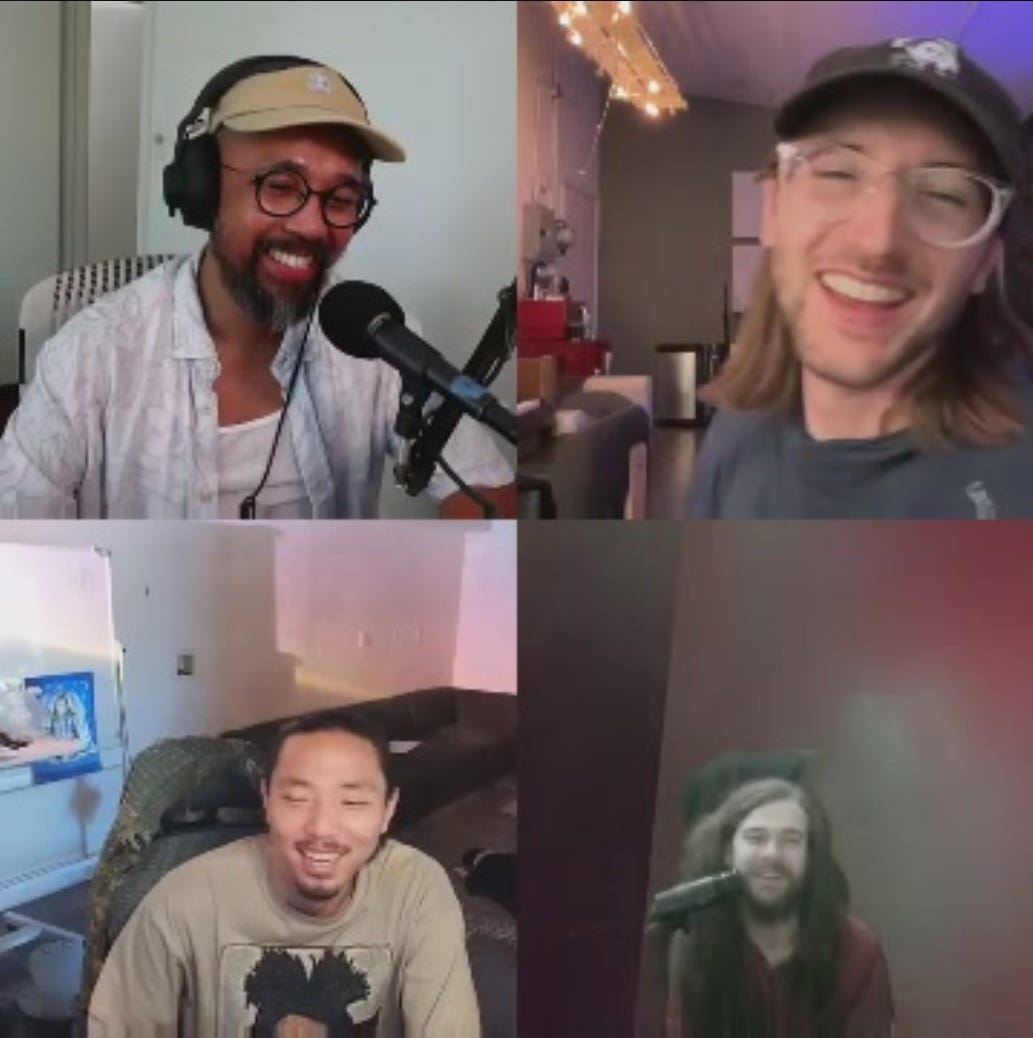
In this episode of softmax, I invited my good friends for a roundtable discussion. Joining me are Shamanic, a multidisciplinary creative technologist; Levi, a musician and founder of on-chain co-op Amerge; and Alex, a community organizer, spiritual explorer, and founder of Mothership, a creative accelerator. We dive into some fascinating topics that have been on our minds lately, starting with Shamanic's insights into the burgeoning world of VR raves and virtual music culture. It's amazing to see how these digital spaces are creating new opportunities for artists and fostering a sense of global community.We then explore the intersection of AI and creativity, sparked by Levi's mention of Brian Eno's generative documentary. This led us to discuss the potential and challenges of AI in music, including the ethical principles proposed by AI4music.info. Alex shared an intriguing concept for a new type of social network powered by personal AI models, which got us all thinking about data sovereignty and the future of online interactions.Throughout our conversation, we touched on themes of human creativity, technological advancement, and the importance of maintaining our humanity in this rapidly evolving digital landscape. As always, I'm grateful for these opportunities to chat with such insightful friends and explore these complex topics together. This episode is a great example of the kind of Discord conversations we have - deep, wide-ranging, and full of parallel tangents. I hope you enjoy listening to our discussion as much as we enjoyed having it!Links:VR Chat: https://hello.vrchat.com/VRC Party hub: https://twitter.com/vrchatpartyhubVRC Rave Schedules: https://vrc.tl/Brian Eno Generative Documentary: https://www.theverge.com/24197153/eno-documentary-generative-film-gary-hustwit-interviewPrinciples for Music Creation in AI: https://aiformusic.info/GuestsShamanic:https://twitter.com/shamanic_artshttps://objkt.com/@shamanicartsLevi Downey:https://www.instagram.com/levi.downey/https://x.com/levidowney?lang=enhttps://www.amerge.xyz/Alex Park:https://www.instagram.com/alex.park/?hl=enhttps://www.mothership.wtf/softmax:Join our discord! https://discord.gg/3zTywUX9BYMark Redito:https://x.com/markreditohttps://www.instagram.com/markredito/MusicR.Tyler - raise ValueErrorPurchase on Bandcamp: Podcast ArtworkShamanic: https://objkt.com/tokens/KT1MoBFWosexpEkoCuXimxzrcffGANr7Twi7/1 This is a public episode. If you would like to discuss this with other subscribers or get access to bonus episodes, visit redito.substack.com
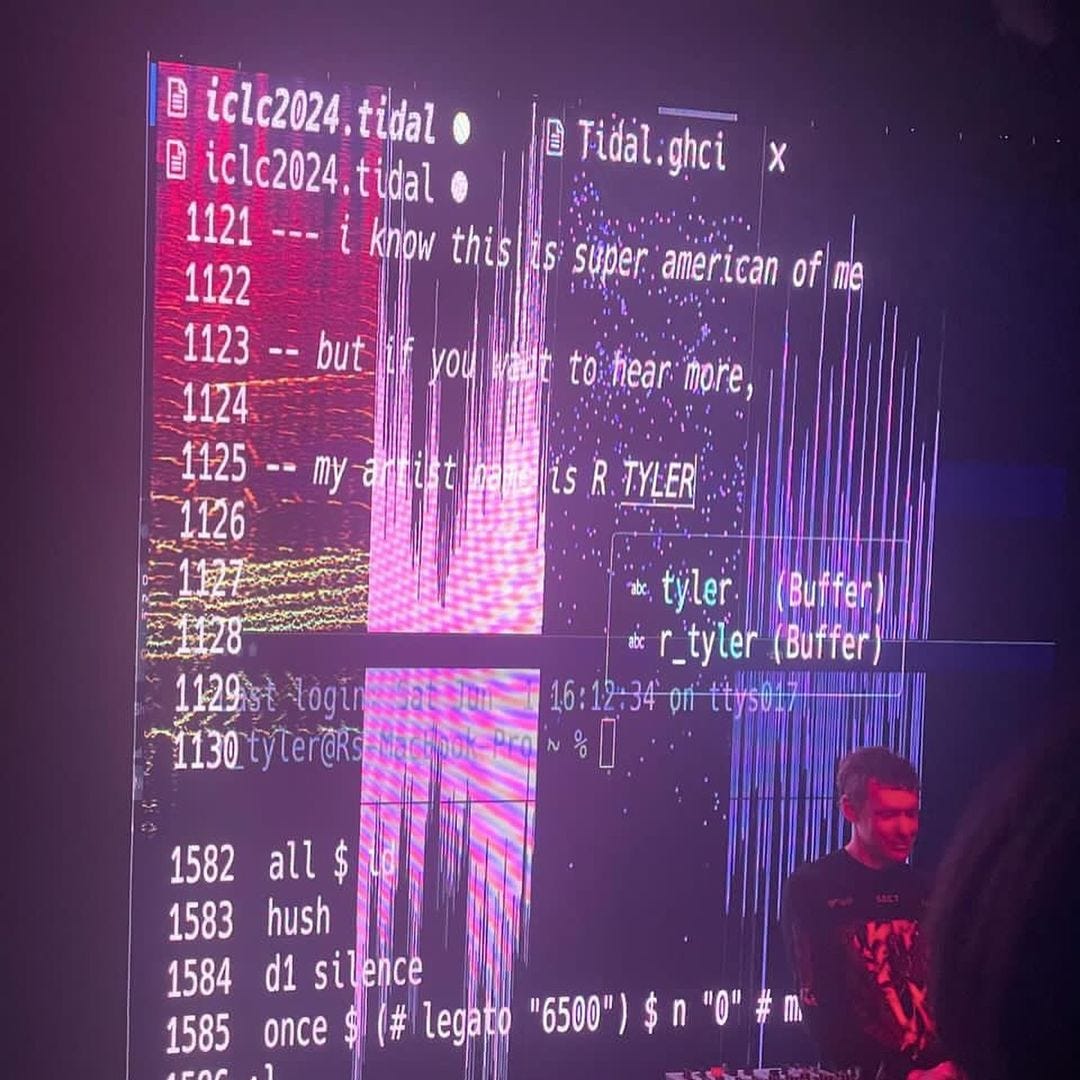
In this episode of softmax, I had the pleasure of sitting down with R. Tyler, a fascinating artist who straddles the worlds of music production, live coding, and computational biology. Our conversation dove deep into the realm of algorithmic music-making and the vibrant Algorave scene. R. Tyler shared his unique approach to creating music with code, offering insights into how this method differs from traditional DAW-based production and how it opens up new avenues for musical exploration.We explored the concept of microtonality and its potential to push the boundaries of electronic music, a topic that R. Tyler is particularly passionate about. Our discussion also touched on the evolution of electronic music, debating whether it's still as forward-looking as it once was or if it's becoming more nostalgic. R. Tyler's experiences performing at international events, including in Shanghai, provided a global perspective on the growing Algorave movement.As we looked towards the future of electronic music, we pondered the impact of AI and machine learning on music production. R. Tyler shared his thoughts on how these technologies might influence creativity and the importance of human input in pushing musical boundaries. His insights into the democratization of music-making tools and the potential for new sounds and techniques left me inspired and excited about the future of electronic music.Timestamps00:00 Introduction11:37 The Algorave Movement15:14 Handling Bugs and Challenges20:41 Exploring Music Creation Through Code26:46 Joining the Algorave Community29:39 The Power of Community31:50 Exploring New Frontiers41:58 Pushing Boundaries with Microtonality48:47 The Freedom of Live Coding50:41 The Multidisciplinary Nature of Electronic Music56:36 The Nostalgia and Homogenization in Electronic Music63:17 The Potential of AI-Assisted Technologies in Music Production64:23 Exploration and Pushing Boundaries in Electronic Music65:04 The Democratization of Music-Making Tools66:16 The Future of Electronic MusicLinks:R Tylerhttps://linktr.ee/rtyl3rhttps://www.instagram.com/1000instamilligrams/https://avclubsf.com/softmaxhttps://www.instagram.com/_softmax/https://www.instagram.com/markredito/https://twitter.com/markredito This is a public episode. If you would like to discuss this with other subscribers or get access to bonus episodes, visit redito.substack.com
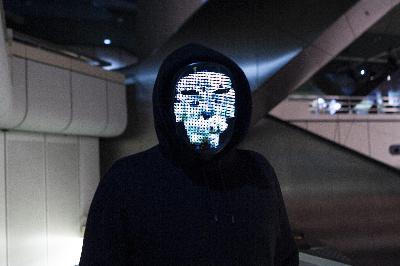
In this episode of softmax, I sit down with Moises Horta Valenzuela, aka Hexorcismos, an innovative artist and technologist based in Berlin. Moises has been pushing the boundaries of electronic music and AI since the 2010s. His journey from the experimental sound music scene in Tijuana to the forefront of generative AI in music is something I found very inspiring. We dive into his early work with ambient music and his band Los Macuanos, exploring how these experiences have shaped his current projects.Moises shares fascinating insights into his most recent works, including the album “Okachihuali”, the neural synthesizer “Semilla”, and the collaborative project “Mutualismx”. He explains how he uses generative AI to reinterpret traditional music forms, create new sonic textures, and expand the creative potential of musicians. We discuss the conceptual and philosophical frameworks behind these projects, emphasizing the importance of community and collective intelligence in leveraging AI's creative possibilities.We also dive into the technical aspects of Moises's work, such as latent space interpolation and the use of neural networks in music synthesis. His approach to blending traditional musical influences with cutting-edge AI technologies provides a unique perspective on the future of music creation. This episode is packed with valuable insights for anyone interested in the intersection of music, technology, and AI. Enjoy this deep dive into the wonderfully stochastic world of Hexorcismos!https://semilla.ai/https://awal.ffm.to/mutualismxhttps://linktr.ee/hexorcismoshttps://twitter.com/hexorcismoshttps://www.instagram.com/hexorcismos/Music used: This is a public episode. If you would like to discuss this with other subscribers or get access to bonus episodes, visit redito.substack.com
Welcome to the very first podcast episode of Softmax! I'm Mark Redito, and today I have the pleasure of speaking with Nao Tokui, an electronic music producer, DJ, surfer, and CEO of Neutone, a groundbreaking startup that is building next-generation AI tools for musicians. In our conversation, we delve deep into the intersection of creativity, art, and technology, exploring how AI is not just a tool, but a "mind mirror" that can reflect and enhance our creative processes. Nao's insights into redefining creativity in the age of AI are truly thought-provoking and offer a fresh perspective on how we can push the boundaries of our artistic endeavors.Nao and I discuss his fascinating AI DJ project, where he uses AI to mimic and reflect his DJing style, revealing new facets of his creative process. He shares how AI, with its unique logic, can sometimes choose the perfect song for a DJ set or push him out of his comfort zone, leading to unexpected and inspiring results. "Through the interaction with AI, you can notice your own bias and taste," Nao explains. This idea of AI as both a mirror and a tool is central to our conversation, as we explore how these technologies can introduce novel insights and expand the creative search space.We also address common misconceptions about AI, such as the fear that it will replace human musicians, and discuss the difference between consumer-oriented AI tools and those designed for music makers. Nao emphasizes the importance of making AI tools accessible and customizable, allowing artists to experiment and discover new sounds. "I don't want to be in a world where big companies govern what you can do with AI," Nao says. Our discussion highlights the potential of AI to not only automate but also augment and elevate our creative capabilities. Join us as we explore these fascinating topics and more in this compelling first podcast episode of Softmax!Note: to compensate for audio quality, AI tools were used to enhance the recordings. You may hear some audio imperfections in the episode. Thanks for understanding!Links:https://twitter.com/naotokui_enhttps://qosmo.jp/en/publication/naotokui-bookhttps://neutone.ai/ This is a public episode. If you would like to discuss this with other subscribers or get access to bonus episodes, visit redito.substack.com
“I think culture always lives [on] … I don't believe that it doesn't matter what the artist believes that their music should be. That's really, really important. But if it's good, if it resonates with people, it's going to be more [than that] because people are gonna sing along to it… maybe people are gonna play around with it…. People are gonna think like, “oh, this song really matches with that [song].” And they're gonna try to mix it or create a mashup. I mean, release is a beautiful word for it because you have to let it go. “ - Bas Grasmayer Join us in this thought-provoking episode as we welcome music innovator, thinker, and writer Bas Grasmayer of COLORS and Music X. Delve into the captivating future of recorded music and its connection to culture and technology. In this stimulating discussion, we cover:Envisioning the future for recorded musicThe impact of developments in other industries on music consumption and cultureHow music evolution intertwines with technological innovationEmbracing the unpredictability of musical innovationsComparing static vs. dynamic music experiencesMusic as memesExploring new formats and mediums for musicUnderstanding the lifecycle of a songThe concept of scaled social creativity (participatory/multiplayer creativity)Get ready to challenge your perspectives on the music industry and its ever-changing landscape.Tune in now to discover what lies ahead for recorded music and stay informed on the latest trends and innovations!Don't forget to subscribe to our podcast and share it with fellow music enthusiasts, so they too can be part of this insightful conversation! Bas Grasmayerhttps://twitter.com/basgrashttps://colorsxstudios.com/https://community.colorsxstudios.com/https://www.musicxtechxfuture.com/ Bas Recommends:Hilarious volume UI: https://twitter.com/0xDesigner/status/1642554817590566915?s=20https://www.waterandmusic.com/https://zine.zora.co/https://www.exponentialview.co/ho99o9IC3PEAKBob Vylan Songcamp:https://twitter.com/songcamp_songcamp.band Mark Redito:https://twitter.com/markreditomarkredito.com Music Credits:00:00 - “Nodes” - Mark Redito55:40 - “Echoes of a future” - cc0lab (dontmesswithjuan, Conor Dalton)https://cc0lab.songcamp.band/mixtapehttps://beta.catalog.works/cc0lab/echoes-of-a-future This is a public episode. If you would like to discuss this with other subscribers or get access to bonus episodes, visit redito.substack.com
Punk, indie, emo, hip-hop, jazz, electronic music… pretty much every modern genre has gone through through these kinds of growing pains, and pretty much every dedicated music fan over the age of 25 has seen a genre they loved morph into something they no longer recognize or fully identify with. These shifts are normal and natural, and yet people’s primary response to them is usually one of anger and dismissal, an endless parade of eye rolls and “these kids have no idea what they’re talking about.” - Shawn Reynaldo, Who’s in charge of Culture?Join host Mark Redito as he sits down with veteran music journalist and music aficionado Shawn Reynaldo, the mind behind First Floor, a publication dedicated to electronic music culture and the industry surrounding it. In this engaging episode, we discuss:The origins of First Floor and its focus on electronic music cultureAssessing the current state of music journalism and mediaIntergenerational tensions: old fans vs. new fansIs there still a place for underground or indie music in today's landscape?Algorithmic curation and the influence of the "big green machine"Raving as a form of folk artDelving into the impact of nascent technologies like Web3 and AI on the future of art and musicThe Skrillex-Green Day connectionShawn's vision of 21st-century creativityEmbark on this wide-ranging conversation with Shawn Reynaldo, exploring the evolving landscape of music culture and the uncertain direction it's heading towards.Tune in now to gain insights into what's ahead in the ever-changing music landscape!Don't forget to subscribe to our podcast and share it with your fellow music enthusiasts, so they too can be part of this fascinating discussion!Shawn Reynaldo:https://twitter.com/ShawnReynaldohttps://velocitypress.uk/product/first-floor-volume-1/https://firstfloor.substack.com/ Shawn Recommends:https://whyisthisinteresting.substack.com/https://timgoodman.substack.com/https://martyn3024.substack.com/Skee Mask - https://scntstlab.bandcamp.com/album/bDoc Sleep - https://docsleep.bandcamp.com/Simo Cell - https://simocell.bandcamp.com/Last Night a DJ saved my life - https://a.co/d/5OAlfTWPlease Kill Me: The Uncensored Oral History of Punk - https://a.co/d/1UxybYmGirl in a band - https://a.co/d/dStuWbu Songcamp:https://twitter.com/songcamp_songcamp.bandhttps://twitter.com/markredito Music Credits:00:00 - “Nodes” - Mark Redito55:40 - “Echoes of a future” - cc0lab (dontmesswithjuan, Conor Dalton)https://cc0lab.songcamp.band/mixtapehttps://beta.catalog.works/cc0lab/echoes-of-a-future This is a public episode. If you would like to discuss this with other subscribers or get access to bonus episodes, visit redito.substack.com
“When you think about the artistic creative heroes of the last century, they're all individual people's names. And for the next century to be less of this myth of the lone heroic genius and more of thinking about groups of people that did stuff together.” - Austin RobeyDive into the future of the creative ecosystem in this insightful episode featuring Austin Robey (Metalabel/Ampled), as we explore the world beyond solo creatorship. Together, we discuss:What is a Metalabel?Navigating the pitfalls of the creator economy in solo player modePioneering the next version of the creative ecosystemEmbracing the new alternative: collaborating in multiplayer modeReinventing the definition of a RecordUnderstanding platform risk and its impact on creatorsAmpled, an artist- and worker-owned platform cooperativeBootstrapping a cooperative: the ins and outsWeighing the benefits and challenges of running a cooperativePondering the question: is community the product?Examining the NOUNS DAO Model and its implicationsImagining a world where we collectively own SpotifyAustin's vision of the 21st-century creativeDon't miss this fascinating conversation with Austin Robey that will open your eyes to the possibilities of creating in multiplayer mode.Austin recommends:Gel - Live set at a Sonic Drive-in https://youtu.be/lbls_5hdYXgTaking long walksLinks:https://twitter.com/austinrobey_https://www.metalabel.xyz/https://www.metalabel.xyz/magazine/features/reinventing-the-recordhttps://www.metalabel.xyz/magazine/features/r07-quality-dropshttps://www.metalabel.xyz/magazine/features/whats-after-the-creator-economyhttps://www.ampled.com/https://www.fwb.help/editorial/what-co-ops-and-daos-can-learn-from-each-other Songcamp:https://twitter.com/songcamp_songcamp.bandhttps://twitter.com/markredito This is a public episode. If you would like to discuss this with other subscribers or get access to bonus episodes, visit redito.substack.com
Darby Trash is a highly talented artist with a diverse set of skills that includes being a guitarist, tattoo artist, and DIY punk web3 enthusiast. As one of the key members of the highly prolific collective Lexicon Devils, Darby has played an integral role in the production of their virtual show series known as Forming.During the course of our conversation, we delved deep into the fascinating world of Lexicon Devils and Forming. We explored the origins of the collective and their virtual show series while discussing the challenges and realities of putting on both virtual and in-person shows. We also touched on the artist's sentiments on Web3, creative sustainability, analog vs digital debates and more, all through the lens of the DIY and punk ethos.Our chat with Darby was incredibly fun and insightful, and we hope that you, too, find something valuable to take away from our conversation. Follow Darbyhttps://twitter.com/darbytrashhttps://www.instagram.com/darbytrashtattoos/ Lexicon Devils + Forminghttps://twitter.com/lexicon_devilshttps://web.lexicondevils.xyz/https://twitter.com/forming__https://forming.lexicondevils.xyz/https://www.youtube.com/@lexicondevils5793 Songcamp:https://twitter.com/songcamp_songcamp.bandhttps://twitter.com/markredito This is a public episode. If you would like to discuss this with other subscribers or get access to bonus episodes, visit redito.substack.com
This lengthy conversation with CJ Carr, of the extreme music AI research lab Dadabots, covers a lot of cool topics. We discuss Dadabots' origins, history, and their avant-garde creative process. We also touched on neural synthesis and its applications in music, as well as the role of curation in music generation. Additionally, we dive into their creative collaborations in AI and Web3, the convergence of Web3 and AI technologies, and “dangerous NFTs”. Finally, we explore the role of the artist in this new world, with a special focus on the "genre knob" that CJ is currently exploring. This jam-packed episode is a must-listen for anyone interested in AI and its applications in music! Follow Dadabots:https://dadabots.com/https://www.youtube.com/@dadabots_https://twitter.com/dadabots Links:Generating Black Metal and Math Rock (2017) http://dadabots.com/nips2017/generating-black-metal-and-math-rock.pdfFake Feelings (2022) https://dadabots.medium.com/fake-feelings-ai-emo-93e77918b21Compressorhead https://www.youtube.com/watch?v=9gMX_hR-RoM Dadabots recommends:https://musicautobot.com/https://magenta.tensorflow.org/coconethttps://openai.com/blog/musenet/https://sites.research.google/tonetransferhttps://neutone.space/https://github.com/acids-ircam/RAVEhttps://huggingface.co/riffusion/riffusion-model-v1https://www.aisongcontest.com/ Songcamp:https://twitter.com/songcamp_songcamp.bandhttps://twitter.com/markredito This is a public episode. If you would like to discuss this with other subscribers or get access to bonus episodes, visit redito.substack.com
We are thrilled to have the opportunity to feature Neesh Chaudhary (@losingmyego) on the inaugural episode of CONVO! Neesh is a highly talented artist who has been working in a variety of mediums, including film, photography, design and coding. This episode gave us a chance to find out more about her fantastic project The Doom Generation, gain an insight into her creative approach, her vision and philosophy, as well as her ideas about web3 and what she believes is the endless potential of creativity. It was a great pleasure to talk to her, and we are so excited to share her story with the community.Follow Neesh:https://doom.losingmyego.xyz/https://www.losingmyego.studio/https://twitter.com/losingmyegohttps://www.instagram.com/losingmyego/ This is a public episode. If you would like to discuss this with other subscribers or get access to bonus episodes, visit redito.substack.com
Comments

Download from Google Play

Download from App Store
 United States