


 Claim Ownership
whistlekick Martial Arts Radio
Subscribed: 714Played: 30,207
Subscribe

© All episodes are copyright Whistlekick, LLC, All Rights Reserved.
Description
whistlekick Martial Arts Radio is the only bi-weekly podcast devoted to the traditional martial arts in all forms. We dig into what makes martial artists tick, their history and experience… and tell some great stories in the process. It's all about bringing martial artists together and learning from one another. Our guests include the famous and the unknown, from taekwondo, karate, hapkido, capoeira, kungfu, FMA, HEMA and everything else you can imagine.
1158 Episodes
Reverse
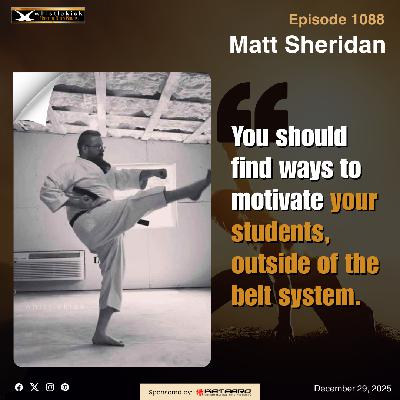
SUMMARY In this conversation, Matt Sheridan shares his journey through martial arts, starting from his childhood influences like the Teenage Mutant Ninja Turtles and Shaolin monks, to his experiences in Taekwondo and Karate. He discusses the challenges he faced, including financial constraints and personal struggles, as well as his commitment to maintaining integrity and high standards in martial arts training. The conversation also touches on the importance of myth-busting within the martial arts community and the evolution of his training philosophy over the years. He also shares his experiences and insights regarding the politics of martial arts ranks, the myths surrounding belt systems, and the cultural nuances of titles. He discusses the evolution of martial arts uniforms, the impact of cognitive dissonance within the community, and the importance of motivation in training. Matt emphasizes the need for integrity and personal connection in martial arts, while also advocating for a reimagined rank system that prioritizes personal growth over titles. Matt and Jeremy Lesniak also delve into the complexities of rank and titles in martial arts, discussing the impact of ego, the importance of accountability, and the need for continuous training and learning. They explore innovative approaches to martial arts belts and emphasize the significance of intent and humility in practices. The dialogue culminates in a call for high standards and good choices within the martial arts community, highlighting the balance between training and discussion. TAKEAWAYS Matt's early influences in martial arts were shaped by pop culture. He emphasizes the importance of integrity in martial arts training. Matt believes in maintaining high standards for rank and training. He has a strong interest in the history and lineage of martial arts. He actively engages in myth-busting within the martial arts community. Matt's journey reflects a deep passion for martial arts and personal growth. The black belt was introduced before the white belt. Cognitive dissonance leads to backlash in the martial arts community. Titles and ranks can negatively impact identity and respect. Motivation should come from personal connection, not just belts. The original belt system was much simpler than today's. Cultural nuances in titles are often misunderstood in the West. The rank system in karate maxed out at fifth dan before 1945. Ego in martial arts can be mitigated by removing unnecessary ranks and titles. Training should be prioritized over rank and titles. Instructors must continue their own training to effectively teach students. Discussion outside the dojo is essential for cultural growth in martial arts. Intent behind actions in martial arts practices is vital for humility. The best martial artists are those who remain students at heart. High standards and good choices should guide the martial arts community. This episode is sponsored by Kataaro. Please check out their site at Kataaro Custom Martial Arts Products for your holiday gift giving needs. Be sure to check out their Martial Arts Belt Pagoda Display! And use the code WK10 to save 10% off your first order. And be sure to ask them about a wholesale account for school owners! Join our EXCLUSIVE newsletter to get notified of each episode as it comes out! Subscribe — whistlekick Martial Arts Radio
WARNING: This episode is funny, silly and spontaneous! SUMMARY In this episode, the hosts engage in a light-hearted discussion about creating a unique holiday for the martial arts community. They explore various themes such as the significance of horse stance, the importance of community celebration, and the fun challenges that could be included in the holiday festivities. The conversation also delves into the role of a mascot, Garyll the Horse, and how it can enhance the holiday experience. Overall, the episode is a creative and humorous take on bringing the martial arts community together through a shared celebration. In this episode, the speakers brainstorm and develop the concept of 'Ambitioning Day,' a martial arts-themed event aimed at fostering community, motivation, and reflection among practitioners. They discuss the importance of planning, naming the event, incorporating fun activities, and establishing traditions that encourage participation and social interaction. The conversation highlights the significance of creating a welcoming atmosphere for both new and returning students, culminating in a unique celebration that emphasizes training and camaraderie. TAKEAWAYS The martial arts community deserves its own holiday. Horse stance is a key element of the proposed holiday. Celebration can foster community among martial arts practitioners. The holiday can be a social event rather than a training session. Traditions can be flexible and vary by school. Fun challenges can engage participants and create memorable experiences. The mascot, Garyll the Horse, adds a whimsical touch to the holiday. Activities should be enjoyable and accessible to all ages. The holiday can be celebrated at different times by different schools. Creativity and humor are essential in developing the holiday's lore. The event is designed to re-energize New Year's resolutions. Reflection on training can be a powerful component of the event. Creating a fun atmosphere is essential for engagement. Traditions can enhance the experience and foster community. Food plays a significant role in social gatherings. Activities should cater to all skill levels and encourage participation.
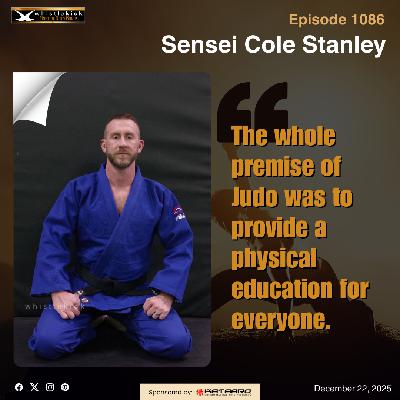
SUMMARY In this episode, Sensei Cole Stanley shares his journey in martial arts, focusing on Judo and its philosophical aspects. He discusses the importance of competition, the influence of Brazilian Jiu-Jitsu, and the current state of Judo in the United States. Cole also highlights the significance of grassroots marketing for Judo and the opportunities available in martial arts. The conversation wraps up with insights from Cole's podcast, 'The Well-Rounded Grappler,' where he aims to spread knowledge and inspire others in the martial arts community. TAKEAWAYS Philosophy in martial arts is crucial for personal growth. Cole started Judo at 17 due to lack of wrestling options. Competition in Judo can be both beneficial and detrimental. Judo's marketing needs to focus on grassroots participation. Brazilian Jiu-Jitsu has helped popularize grappling arts. The podcast aims to spread knowledge about martial arts. Opportunities arise when you ask and pursue your passions. Judo is for everyone, regardless of age or ability. This episode is sponsored by Kataaro. Please check out their site at Kataaro Custom Martial Arts Products for your holiday gift giving needs. Be sure to check out their Martial Arts Belt Pagoda Display! And use the code WK10 to save 10% off your first order. And be sure to ask them about a wholesale account for school owners! Join our EXCLUSIVE newsletter to get notified of each episode as it comes out! Subscribe — whistlekick Martial Arts Radio
SUMMARY In this conversation, the hosts discuss the troubling incident involving a student named "Maria", who faced disciplinary action after defending herself against an aggressor at school. They explore the implications of zero tolerance policies in educational institutions, the importance of community awareness, and the need for a more nuanced approach to self-defense in schools. The discussion emphasizes the necessity of empowering students to protect themselves and the role of parents and communities in advocating for change. In this conversation, the speakers discuss the implications of zero tolerance policies in schools, particularly regarding bullying and violence. They explore the complexities of defining violence, the consequences of these policies on victims, and the role of schools in addressing bullying. The discussion emphasizes the need for community engagement and transparency in school policies to ensure the safety and well-being of students. TAKEAWAYS "Maria" did everything right in trying to deescalate the situation. Zero tolerance policies often fail to consider context. Self-defense should not be punished in schools. School administrators need to be held accountable. Students should be empowered to defend themselves. The presence of video evidence can change narratives. Parents must advocate for their children's safety. Indoctrination against self-defense can have dire consequences. Open discussions about violence and safety are necessary. Schools may inadvertently breed victimhood through their policies. Community engagement is crucial in addressing school safety issues. Parents should demand transparency regarding school policies. The consequences of bullying are often not adequately addressed by schools. Self-defense should not be punished in the context of zero tolerance policies. Schools often prioritize their image over student safety. Educating communities about school policies can lead to positive change. Real consequences for bullying and violence are necessary to change school culture.

SUMMARY In this conversation, Steve Pearlman discusses the principles of martial arts, emphasizing the importance of understanding Newton's third law of motion and how it applies to martial arts training. He shares his experiences of training, the joy of community, and the role of humor in martial arts. The discussion also covers the evolution of training perspectives, the significance of confidence over mere skills in self-defense, and the philosophical approach to avoiding fights. Pearlman reflects on his journey from being a technique collector to understanding deeper principles and theories in martial arts, highlighting the impact of cross-training on his understanding of the art. Pearlman also discusses the journey of writing about martial arts, the need for a comprehensive martial arts canon, and the significance of community within the martial arts world. The dialogue highlights the unique nature of martial artists as individuals who engage in selfless acts for the growth of others, fostering a deeper understanding of their craft. TAKEAWAYS Newton's third law of motion applies to martial arts. Training should be enjoyable and community-oriented. Early training can be serious, but it evolves over time. Training should focus on principles, not just techniques. Cross-training reveals universal principles across martial arts. Understanding body movement is crucial in martial arts. Theoretical knowledge must translate into practical skills. Depth in training is more beneficial than surface-level exposure. Finding a good teacher and system is essential for growth. Principles should guide martial arts practice rather than just styles. The martial arts community lacks a definitive text akin to 'The Art of War.' To purchase the books discussed in todays interview, please visit: Martial Theory: Pearlman Ph.D., Steve: 9781735942223: Amazon.com: Books This episode is sponsored by Kataaro. Please check out their site at Kataaro Custom Martial Arts Products for your holiday gift giving needs. Be sure to check out their Martial Arts Belt Pagoda Display! And use the code WK10 to save 10% off your first order. And be sure to ask them about a wholesale account for school owners! Join our EXCLUSIVE newsletter to get notified of each episode as it comes out! Subscribe — whistlekick Martial Arts Radio
Join our EXCLUSIVE email newsletter to get notified of each episode as it comes out! https://www.whistlekickmartialartsradio.com/subscribe
SUMMARY In this episode of Whistlekick Martial Arts Radio, Jeremy Lesniak and Andrew Adams delve into the complexities and issues surrounding traditional martial arts titles. They explore how titles like 'Sensei' and 'Hanshi' vary in meaning and significance across different schools, emphasizing that these titles often hold little value outside their specific contexts. The conversation highlights the importance of understanding the role of titles in teaching and the potential pitfalls of placing too much emphasis on them. Ultimately, the hosts advocate for a more human approach to martial arts, where titles do not create barriers between instructors and students. TAKEAWAYS Titles in martial arts often lack universal meaning. The significance of a title can vary greatly by school. Understanding the context of titles is crucial. Titles should not create barriers between instructors and students. Rank does not necessarily correlate with teaching ability. Students often work harder to achieve a rank than to maintain it. Titles can lead to unhealthy hierarchies in martial arts. It's important to ask 'why' regarding titles and ranks. Martial arts should foster connection, not division. Join our EXCLUSIVE newsletter to get notified of each episode as it comes out! Subscribe — whistlekick Martial Arts Radio
SUMMARY In this Thanksgiving episode of Whistlekick Martial Arts Radio, Jeremy Lesniak and Andrew Adams explore the theme of gratitude in martial arts, sharing responses from the audience about what they are thankful for. The conversation delves into the importance of community, personal growth, the role of instructors, and the impact of martial arts on life. The hosts emphasize the connections made through martial arts and the significance of giving back to the community, while also reflecting on personal journeys and the continuous learning that martial arts offers. TAKEAWAYS Martial arts fosters a sense of gratitude and community. Good instructors play a crucial role in personal development. Personal growth is often linked to the challenges faced in training. The martial arts community provides support and friendship. Gratitude can lead to a desire to give back to others. Martial arts can serve as an anchor during difficult times. Connections made through martial arts can be life-changing. Reflecting on progress helps maintain motivation. The journey in martial arts is never-ending and always evolving. Martial arts offers valuable life lessons beyond the dojo.
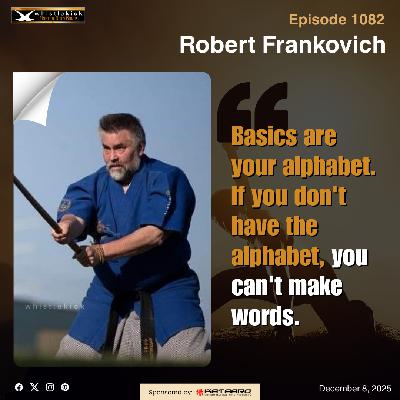
SUMMARY In this episode, Robert Frankovich shares his extensive journey through martial arts, beginning with Taekwondo and transitioning to Aikido and sword training. He discusses his teaching philosophy, emphasizing the importance of problem-solving in martial arts and adapting techniques to suit students' abilities. Robert reflects on the demographics of his students, the purpose behind teaching martial arts, and how his methods have evolved over time. He also shares insights on the social aspects of martial arts training and the significance of community within the practice. This conversation explores the multifaceted world of martial arts, focusing on the importance of socialization, the application of Aikido principles in everyday life, and the evolution of teaching methods. The speakers discuss how creating a fun and engaging training environment can enhance retention and learning, while also looking towards the future of martial arts training and the preservation of its heritage. TAKEAWAYS Teaching philosophy emphasizes blending techniques from different martial arts. Robert believes in teaching everything, even techniques he struggles with. Adapting teaching methods is crucial for accommodating students' abilities. Applying martial arts principles can aid in problem-solving in daily life. Training should be enjoyable and engaging for students. The importance of socialization among martial arts practitioners. Basics in martial arts serve as the foundation for advanced techniques. Creating a community around martial arts fosters deeper learning. Future training should focus on practical applications rather than rote memorization. Preserving martial arts heritage is crucial for future generations. Teaching methods should evolve to meet the needs of students. Less is often more when it comes to teaching forms and techniques. Join our EXCLUSIVE newsletter to get notified of each episode as it comes out! Subscribe — whistlekick Martial Arts Radio This episode is sponsored by Kataaro. Please check out their site at Kataaro Custom Martial Arts Products for your holiday gift giving needs. Be sure to check out their Martial Arts Belt Pagoda Display! And use the code WK10 to save 10% off your first order. And be sure to ask them about a wholesale account for school owners!
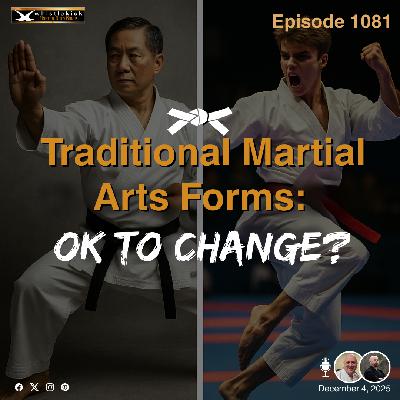
SUMMARY In this episode, Jeremy and Andrew discuss the nuances of traditional martial arts forms, exploring whether it's acceptable to modify these forms for competitions or personal expression. They delve into the variations of forms across different styles, the impact of competition on form adjustments, and the authority that dictates how forms should be performed. The conversation emphasizes the importance of celebrating differences in martial arts while recognizing commonalities across various styles. The hosts encourage listeners to reflect on their own experiences with forms and share their thoughts. TAKEAWAYS Changing traditional forms can be a topic of debate. Forms can vary greatly between different martial arts styles. Competition may necessitate adjustments to forms. Authority in martial arts can influence how forms are taught and performed. Personalizing forms can enhance individual performance. Celebrating differences in martial arts fosters growth and learning. Commonalities exist across various martial arts forms. Feedback from listeners is valuable for future discussions. Understanding the reasons behind form variations can lead to deeper insights. Join our EXCLUSIVE newsletter to get notified of each episode as it comes out! Subscribe — whistlekick Martial Arts Radio
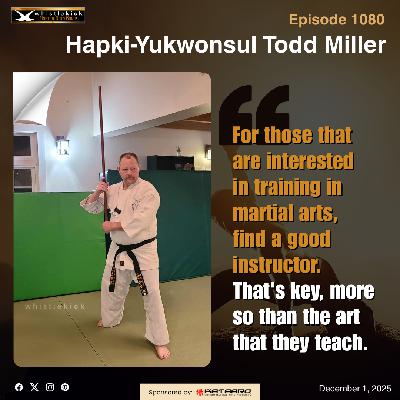
SUMMARY In this episode, Kapki-Yukwonsul Todd Miller shares his extensive journey in martial arts, spanning nearly 40 years. He discusses his early influences, including martial arts films, and how he began training in Taekwondo before transitioning to Hapkido. He reflects on his transformative experiences training in Korea, the challenges he faced in teaching during economic downturns, and the importance of character and discipline in martial arts. He emphasizes the value of continuous learning and the camaraderie found within martial arts communities. Lastly, he also shares his aspirations for the future and encourages others to embrace their own martial arts journey. TAKEAWAYS Todd Miller has been training in martial arts for almost 40 years. His journey began with a fascination for martial arts movies like Billy Jack and Bruce Lee films. He started training in Taekwondo before transitioning to Hapkido. Training in Korea was a life-changing experience for him, exposing him to a different culture and training style. Todd emphasizes the importance of character and discipline in martial arts training. He faced challenges in teaching during economic downturns but remained resilient. Todd believes in the importance of continuous learning, even after decades of training. He values the camaraderie and kindness found in martial arts communities. Todd's current focus is on Hapkido and sharing his knowledge with students. He encourages martial artists to walk their own path and embrace the journey. To connect with Todd Miller: hkdtodd@gmail.com Join our EXCLUSIVE newsletter to get notified of each episode as it comes out! Subscribe — whistlekick Martial Arts Radio This episode is sponsored by Kataaro. Please check out their site at www.kataaro.com for your holiday gift giving needs. Be sure to check out their Martial Arts Belt Pagoda Display! And use the code WK10 to save 10% off your first order. And be sure to ask them about a wholesale account for school owners!
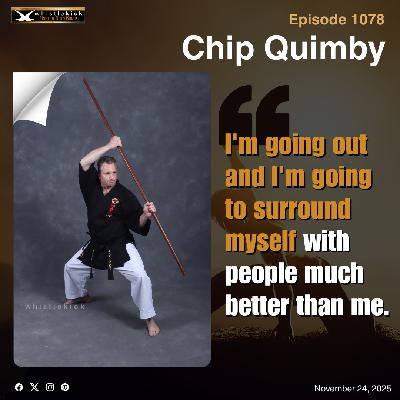
SUMMARY In this episode of Whistlekick Martial Arts Radio, host Andrew Adams speaks with Chip Quimby about his journey in martial arts, starting from his childhood training to becoming a successful martial arts instructor. Chip shares insights on the impact of martial arts on personal growth, the challenges of teaching, and the importance of cultural understanding in martial arts training. He emphasizes the need for a well-rounded curriculum that empowers students and fosters a love for martial arts. The conversation also touches on the differences between training in the U.S. and Japan, and the evolving nature of martial arts education. TAKEAWAYS Chip started training at 12, seeking courage. His stepfather became his martial arts instructor. High school training was intense and dedicated. College introduced him to various martial arts. Transitioning to a martial arts career was challenging. Building a successful school required adaptability. Curriculum development is crucial for student engagement. Incorporating other arts enhances training effectiveness. Empowering students is key to their success. Cultural differences significantly impact teaching methods.
SUMMARY In this episode of Whistlekick Martial Arts Radio, Andrew Adams, Dennis Campo, and Nick Taber discuss the enriching experiences gained from attending martial arts gatherings. They explore the importance of networking, building relationships, and learning from diverse instructors. The conversation emphasizes the value of open-mindedness and the ripple effect of teaching, while also addressing common insecurities that prevent instructors from participating in such events. The episode concludes with reflections on personal growth and the importance of continuous learning in martial arts. TAKEAWAYS Gatherings break you out of your bubble. Martial arts events foster camaraderie and relationships. Networking is a key benefit of attending gatherings. Learning from diverse instructors enhances teaching skills. Open-mindedness is crucial for personal growth. Teaching is about creating ripples that can change lives. Insecurity can prevent instructors from seeking new experiences. Continuous learning is essential in martial arts. Attending events can lead to lifelong friendships. The benefits of gatherings are often priceless.
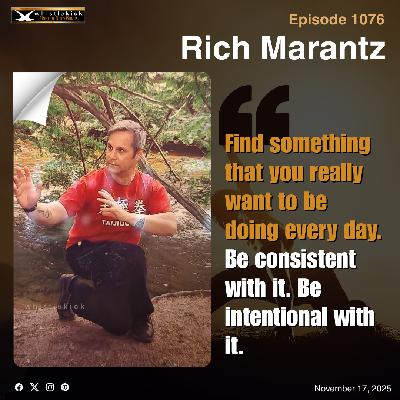
SUMMARY In this conversation, Rich Marantz shares his extensive journey through Tai Chi and martial arts, detailing his experiences with various teachers and the profound impact they had on his life. He discusses the philosophy behind Tai Chi, emphasizing its dual role as a martial art and a healing practice. Rich elaborates on the three pillars of Tai Chi: its martial aspect, its health benefits, and its application in daily life. He also reflects on the importance of finding peace and personal growth through practice, ultimately conveying a message of peace and connection with others. TAKEAWAYS Rich's journey into Tai Chi began with a search for healing. He has studied under multiple teachers, each contributing to his growth. Tai Chi is not just a martial art; it's a way of life. The practice of Tai Chi can lead to significant health benefits. Rich emphasizes the importance of being a seeker and a finder in life. He believes in the duality of Tai Chi as both a martial art and a healing practice. The principles of Tai Chi can be applied to everyday life situations. Rich's philosophy includes being unhurried, intentional, and steady. He encourages others to find their passion and connect with like-minded individuals. The message of peace is central to Rich's teachings and personal journey.
SUMMARYIn this conversation, Andrew Adams and Nick Taber discuss the misconceptions surrounding physical limitations and the unique challenges faced by students with disabilities. They emphasize the importance of practice and gradual improvement, as well as the need for understanding and support in educational settings. TAKEAWAYS The limitations that individuals perceive may not reflect their true capabilities. Practice can lead to gradual improvement in physical abilities. Students with disabilities often face unique challenges in traditional educational settings. Understanding the reasons behind academic performance is crucial for student development. No one achieves perfection immediately; it's a process of growth. Encouragement and support can help students overcome their challenges. Each student has unique strengths that can be harnessed for improvement. Education should be tailored to meet the diverse needs of all students. Recognizing small victories can motivate students to keep trying. Aiming for perfection may hinder personal growth and learning.
SUMMARY In this engaging conversation, Jeremy Lesniak is joined by Adam Kifer to explore his evolution of martial arts training, emphasizing the importance of personal growth, curriculum design, and setting high standards in martial arts schools. They discuss cultural shifts within the martial arts community, the significance of honest feedback, and the necessity of adapting to modern challenges. Adam shares his journey in martial arts, highlighting the impact of resistance and the value of cross-training. The discussion culminates in a call to action for martial arts school owners to empower themselves and their students, fostering a culture of continuous improvement and excellence. TAKEAWAYS Martial arts can provide life preparation and mental toughness. Cultural shifts in martial arts schools can enhance student engagement. Curriculum design should focus on quality over quantity. Personal growth is essential for effective leadership in martial arts. Resistance in training is a sign of growth and progress. Setting high standards can improve student performance and retention. Honest feedback is crucial for personal and professional development. Cross-training in different martial arts can enhance overall skill. Martial arts schools should adapt to modern challenges and student needs. The journey of martial arts is about continuous learning and improvement.
SUMMARY In this episode of Whistlekick Martial Arts Radio, Andrew Adams is joined by Stephen Watson and Tommy Given. They delve into the concept of self-defense without causing harm. They explore the use of force spectrum, the philosophy of non-violence in martial arts, and the complexities involved in teaching techniques that prioritize de-escalation over aggression. The conversation emphasizes the importance of communication, conflict resolution, and the need for martial artists to reflect on their motivations and the impact of their actions. TAKEAWAYS Self-defense can be taught without causing harm. The use of force spectrum is crucial in martial arts. Martial artists often struggle with their ego in conflict situations. Teaching non-violent techniques is essential for instructors. Conflict resolution should be prioritized over aggression. Understanding the motivations behind martial arts training is important. Communication plays a key role in de-escalating situations. The philosophy of non-violence can enhance martial arts practice. Complexity in training can lead to deeper understanding. True healing occurs when both parties walk away changed.

SUMMARY In this engaging conversation, Bridgett Riley shares her unique journey from gymnastics to martial arts, detailing her transition to karate at a late age and her subsequent rise in the kickboxing world. She discusses the challenges she faced, including overcoming fear and the pressure of competition, as well as the support from her family and mentors. Bridgett's passion for martial arts shines through as she recounts her experiences training at the Jet Center and her determination to become a world champion. In this conversation, Bridgett shares her journey from being a Power Ranger, a cast member of WMAC Master and to a successful stunt performer and boxer, detailing the challenges she faced along the way, including her battle with cancer. She emphasizes the importance of hard work, resilience, and the support of her community in overcoming obstacles and pursuing her passions. TAKEAWAYS Bridgett transitioned from gymnastics to karate at age 15. She found a sense of belonging in martial arts. Competitive spirit drove her to excel in karate tournaments. Bridgett's first professional fight was against a seasoned champion. She faced challenges in her early fights but remained determined. Training at the Jet Center was a pivotal moment in her career. She developed a passion for kickboxing and wanted to go pro. Bridgett's journey highlights the importance of resilience and support. She emphasizes the thrill of competition and the camaraderie in martial arts. Bridgett's experience as a Power Ranger shaped her career. Transitioning from acting to stunt work opened new opportunities. The camaraderie among stunt performers is vital. Hard work and persistence are key to success in martial arts. Bridgett faced significant challenges, including injuries and career setbacks. Her journey through cancer taught her resilience and gratitude. The importance of community support during tough times. Bridgett's passion for boxing reignited her fighting spirit. She emphasizes the power of prayer and hope in healing.
SUMMARYIn this engaging conversation, Andrew Adams is joined by Jason Brick and they explore various themes related to martial arts, including the importance of humor, the challenges of teaching, and the significance of context in self-defense. They discuss how public speaking and high-pressure situations can enhance martial arts training, as well as the role of everyday items as practical self-defense tools. The conversation emphasizes the need for instructors to understand their students' contexts and the benefits of gamification in learning. TAKEAWAYS Humor can enhance the learning experience in martial arts. Public speaking skills are valuable for martial artists. High-pressure situations can improve performance in martial arts. Teaching martial arts requires understanding different contexts. Everyday items can serve as effective self-defense tools. Gamification can make learning more engaging and effective. Being observant is crucial for personal safety. Self-defense training should consider the context of the students. The difference between self-perfection and self-preservation is important in martial arts. Instructors should adapt their teaching to the needs of their students.

SUMMARY In this episode, Kat Connor shares her extensive journey through martial arts, from her childhood beginnings in karate to her current pursuits in bare-knuckle boxing. The conversation explores the importance of focus and mindfulness in martial arts, the evolution of training styles, and the cultural aspects of competition. Kat emphasizes the philosophical insights gained through her experiences and the significance of community and teaching in martial arts. The discussion also touches on the realities of competition preparation and the mindset required for success in the ring. TAKEAWAYS Martial arts can provide a unique focus and mindfulness experience. Many martial artists share traits like introversion and ADHD. The journey through martial arts can lead to personal empowerment. Historical context enriches the understanding of martial arts. Transitioning to combat sports can be a natural progression. Bare-knuckle boxing offers a new frontier for fighters. Competition culture varies significantly across martial arts. Philosophical insights deepen the martial arts experience. Teaching and sharing knowledge is a vital part of martial arts. Community support enhances the martial arts journey. This episode is sponsored by Kataaro. Please check out their site at Kataaro Custom Martial Arts Products - Kataaro. The month of October is Breast Cancer Awareness Month and Kataaro is donating 50% of profits from all breast cancer awareness products to breast cancer research! And use the code WK10 to save 10% off your first order. And be sure to ask them about a wholesale account for school owners!


Download from Google Play

Download from App Store
 United States
love everything your doing with the arts brother! But on a real note why with all the brands are there no tall sizes?! I'm a 6'9" practitioner, and wear between a 3xlt to a 4xlt but no marital arts brand has any! including yours help us bigger ones out!
I really enjoyed this episode as I am big MMA fan who does Taekwon-Do. I think your view of UFC fighters is slightly jaundiced however, despite my sharing your opinion on McGregor's antics (I'm also from Ireland). Dustin Poirier, his last opponent, is a complete contrast who has his own charitable foundation. The vast majority of UFC fighters are also very respectful post-fight but the WWE like behaviour of people like McGregor and Colby Covington drags them all down.
Dillman is a snake oil salesman the martial arts world is better without his BS.
Great episode!