


120 | Indonesia is Still Moving its Capitol, and Nobody Cares?
Description
In this episode of Bionic Planet, we delve into the pressing issue of climate change and its profound impact on coastal ecosystems, particularly focusing on blue carbon. We kick off the discussion by highlighting Indonesia's monumental decision to relocate its capital from Jakarta to Borneo due to the city sinking under the dual pressures of climate change and land subsidence. This serves as a stark reminder of the urgent need to address climate change, which is reshaping our world in ways that often go unnoticed.
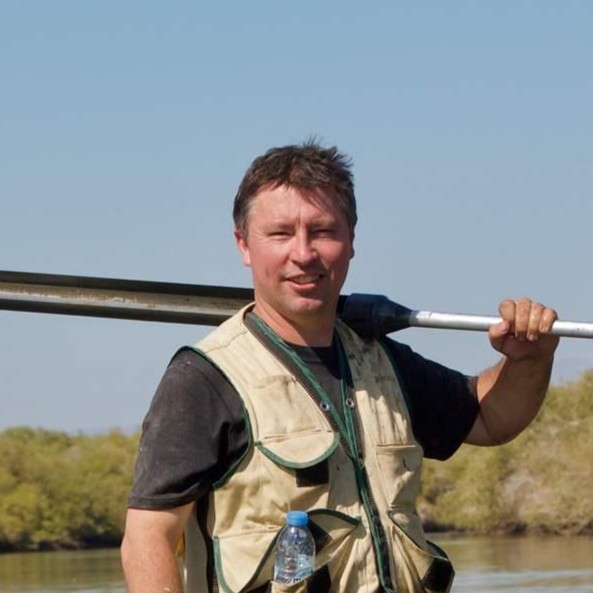
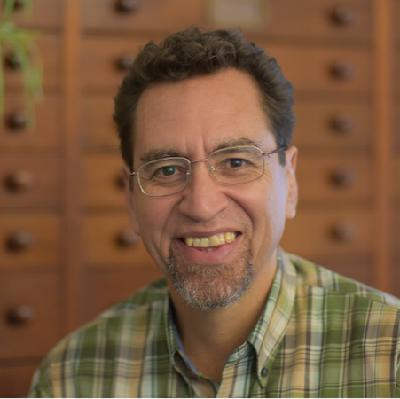
Our guest today is Dr. Steve Crooks, a leading expert in coastal ecosystems and blue carbon. He shares insights into the critical role that mangroves, salt marshes, and seagrasses play in mitigating climate change by sequestering carbon and acting as natural buffers against rising sea levels. We explore the unique characteristics of mangrove forests, which can sequester up to four times more carbon per hectare than traditional forests, and discuss the importance of preserving these ecosystems to combat climate change.
Dr. Crooks also provides an overview of the blue carbon system, a term that has gained traction over the past decade. He explains how coastal ecosystems have historically been overlooked in climate discussions, with a predominant focus on terrestrial forests. However, recent developments, including the recognition of blue carbon in international climate agreements like the Paris Agreement, have opened new avenues for conservation and management.
Throughout our conversation, we touch on various projects aimed at restoring and managing coastal ecosystems, including the Indus Delta Red Plus mangrove project in Pakistan, which aims to restore 350,000 hectares of degraded mangrove forest. Dr. Crooks emphasizes the importance of using verified methodologies to ensure the success of such initiatives, contrasting them with less rigorous tree-planting efforts that may not yield lasting benefits.
As we navigate through the complexities of blue carbon, we also discuss the challenges and opportunities presented by marine protected areas and the potential for mariculture to contribute to carbon sequestration. Dr. Crooks highlights the need for integrated management strategies that consider both adaptation and mitigation in the face of climate change.
In the second half of the episode, we take a virtual flyover of the Indus Delta project, where Dr. Crooks shares insights from his experiences and observations. We discuss the delicate balance between local livelihoods and environmental conservation, as well as the importance of community involvement in these initiatives.
This episode serves as a call to action, urging listeners to recognize the significance of coastal ecosystems in the fight against climate change and to support efforts aimed at their preservation and restoration. Join us as we explore the interconnectedness of our planet's ecosystems and the vital role they play in creating a sustainable future.
Timestamps
00:00:00 - Indonesia's Capital Relocation and Climate Change
00:01:17 - Vulnerability of Coastal Cities
00:02:55 - Importance of Coastal Ecosystems
00:04:10 - The Anthropocene and Climate Change
00:05:38 - Introduction to Dr. Steve Crooks
00:06:52 - The Indus Delta Red Plus Project
00:08:27 - Overview of Blue Carbon
00:09:49 - Support for the Podcast
00:10:02 - Revisiting the Meeting with Steve Crooks
00:12:20 - The Katoomba Meeting and Blue Carbon
00:14:13 - Challenges in the Red River Delta
00:16:09 - Comparing Red River and Indus Delta Projects
00:17:40 - Focus on Oceans at COP25
00:20:28 - Emerging Concepts in Blue Carbon
00:22:08 - Mangrove Carbon Storage Dynamics
00:24:38 - Differentiating Coastal Ecosystems
00:30:10 - Impact of Thawing Peatlands
00:32:08 - Carbon Storage in Coastal Ecosystems
00:35:17 - Lateral Movement of Carbon
00:40:23 - Interventions in Coastal Ecosystems
00:43:56 - NDCs and Blue Carbon Integration
00:50:45 - Virtual Flyover of the Indus Red Plus Project
Quotes
-
"Indonesia is literally moving its capital out of Jakarta." - 00:00:11
-
"Mangroves are coastal woods, like those in Florida's Everglades, Kenya's Ghazi Bay, and all along the coasts of Indonesia." - 00:02:02
-
"Saving mangroves is key to reversing climate change." - 00:03:37
-
"Earth. We broke it, we own it. And nothing is as it was." - 00:04:47
-
"The emissions part of the curve is much steeper than what it is the gradual sequestration under a natural system." - 00:28:10
-
"Mangroves account for something like 0.7% of all forests, but at 1.10% of all emissions associated with deforestation came from mangroves." - 00:29:45
-
"Coastal ecosystems are a continuum, and it's a mosaic of habitat that goes down from the terrestrial." - 00:30:10
-
"If we don't deal with keeping things, temperatures under control, we're just going to have this massive outflow of both methane as the soils warm." - 00:33:05
-
"The first thing we can do is manage them more holistically." - 00:41:58
-
"The important thing is to continue to make progress." - 00:50:35









 United States
