


Christianity's Parable Problem
Description
Ever wondered why all the horrific stories in the Christian bible are considered parables?
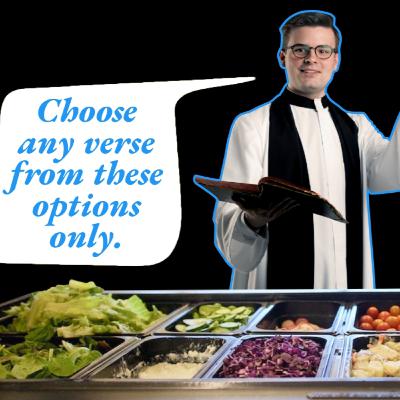
Have you noticed that your church picks and chooses the verses to read you...like it's a salad bar?
This episode gives a fast, clear overview of what a parable really is, where the concept originated, and—most importantly—why Jesus and Christian teachers lean on them so much. Whether you’re curious about biblical symbolism, seeking spiritual insight, or just want answers to age-old questions, get the basics on parables in every Christian tradition. Perfect for ex-fundamentalists, seekers, and anyone questioning church narratives.
Drop your experience in the comments.
Join the conversation: cogpodshow@gmail.com
\\ DEFINITIONS //
Apologetics:
Apologetics is the reasoned defense of a particular set of beliefs, most commonly religious ones like Christianity. It involves using systematic argumentation, logic, and evidence to address challenges and questions, with the goals of strengthening believers' faith and helping to persuade non-believers.
Cognitive Dissonance:
A psychological state in which a person experiences discomfort or tension from holding two or more conflicting beliefs, attitudes, or values at the same time. This tension often motivates individuals to resolve the inconsistency, either by changing their beliefs or behaviors.
Cognitive Alignment:
A mental state where a person’s beliefs, attitudes, and actions are consistent and in harmony with each other, reducing internal conflict and promoting psychological comfort. Cognitive alignment is the opposite of cognitive dissonance, reflecting a well-integrated sense of self and worldview.
#Parables #Christianity #BibleStudy #atheist #cogpod #atheistpodcast #cognitivedissonance





















 United States
