


Going Beyond ‘Hurt People Hurt People’: Rethinking Narcissism and Personality Disorders
Update: 2025-12-01
Description
In this episode, I speak with Peter about his work on narcissism and its place within the broader spectrum of personality disorders. He shares that when he was in graduate school for literature, he was required to participate in a course of psychotherapy—an experience that sparked his interest in the field and eventually led him to pursue clinical training. Peter explains that he became increasingly interested in personality disorders, especially after having his own personal encounter with someone exhibiting narcissistic traits. This experience helped shape his focus in this area of study. He notes that the field of psychotherapy often views narcissism through the lens of “hurt people hurt people”—the idea that harmful behavior stems from unresolved trauma. While that framework can sometimes be useful, Peter believes it may also lead people to remain in harmful dynamics for too long because they extend too much empathy and assume the behavior is unintentional. He discusses meta-analytic research on twins showing that roughly 50% of psychological traits are heritable; in some studies, narcissistic traits have been found to be up to 79% heritable. Peter emphasizes the importance of clinicians and clients understanding that, in many cases, narcissistic individuals do know their behavior is harmful and continue it because it benefits them. This runs counter to the prevailing idea that such behavior is purely unconscious or trauma-driven. He acknowledges that this perspective is controversial and that he has received criticism for challenging long-standing therapeutic assumptions. When working with clients, Peter helps them navigate the cognitive dissonance between their painful or abusive experiences and their belief that the narcissistic individual “didn’t mean it” or was simply reacting from trauma. The belief that someone is merely “wounded” and reacting can keep people in unhealthy relationships far beyond what is safe or reasonable. We also discussed the differences between narcissism and antisocial personality disorder. Peter explains that one way to determine whether a person is workable is to assess their collaborative capacity—and, importantly, for therapists not to assume there is mutual agreement on collaboration or shared responsibility. He underscores the importance of validating victims of these relational dynamics, reminding them that no matter how much self-work they do, they may not be able to improve the relationship because the problem may not be about them at all. Part of his work involves helping clients reconnect with their sense of self, especially when an invalidating environment has led them to doubt their own perceptions, question their reality, or even wonder whether they are a “good” person.
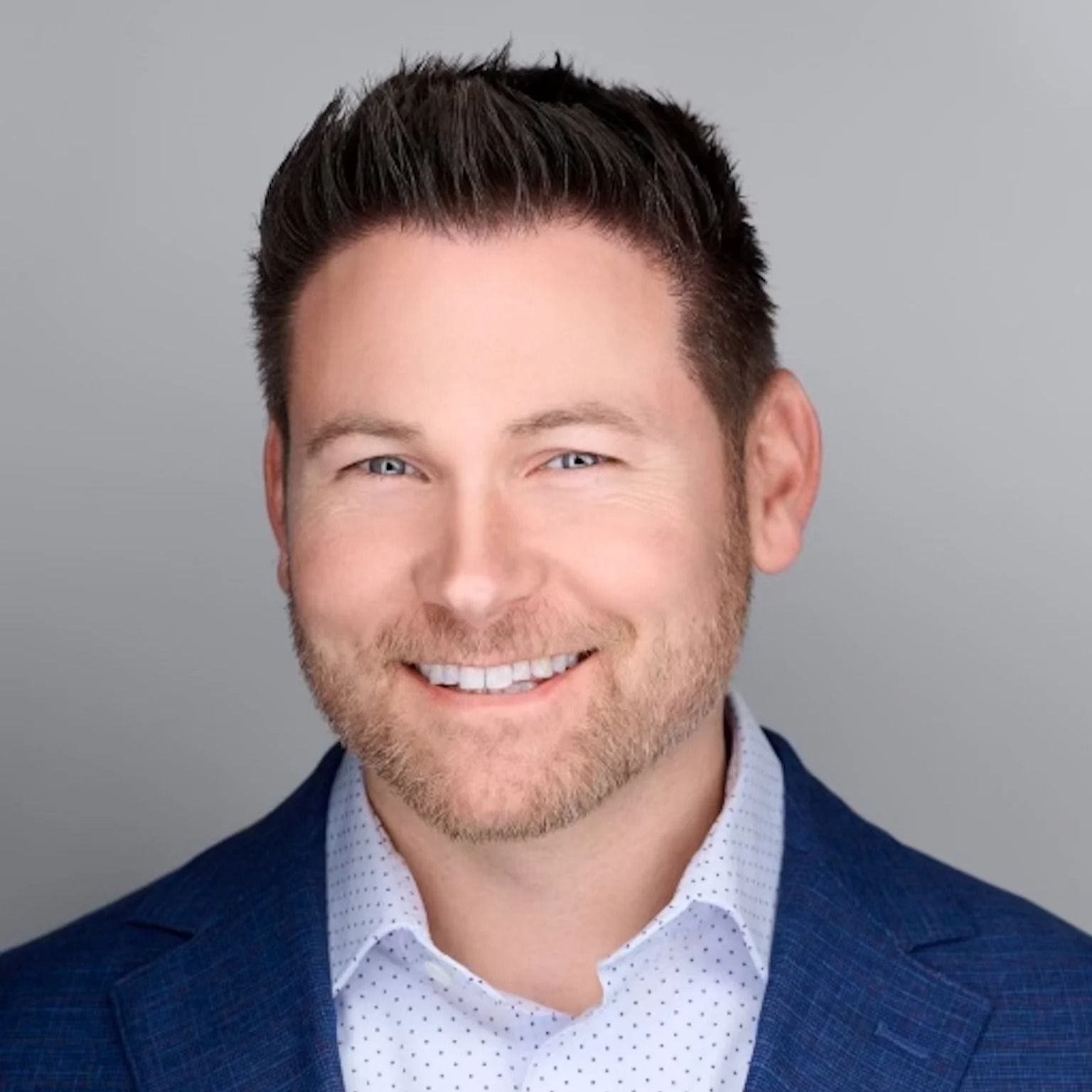
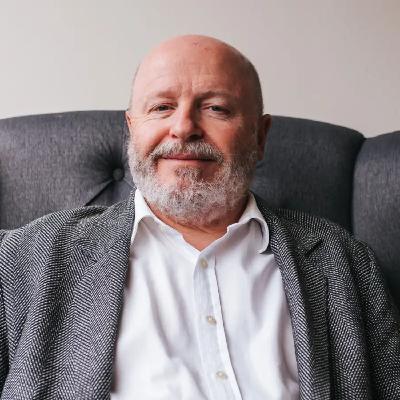
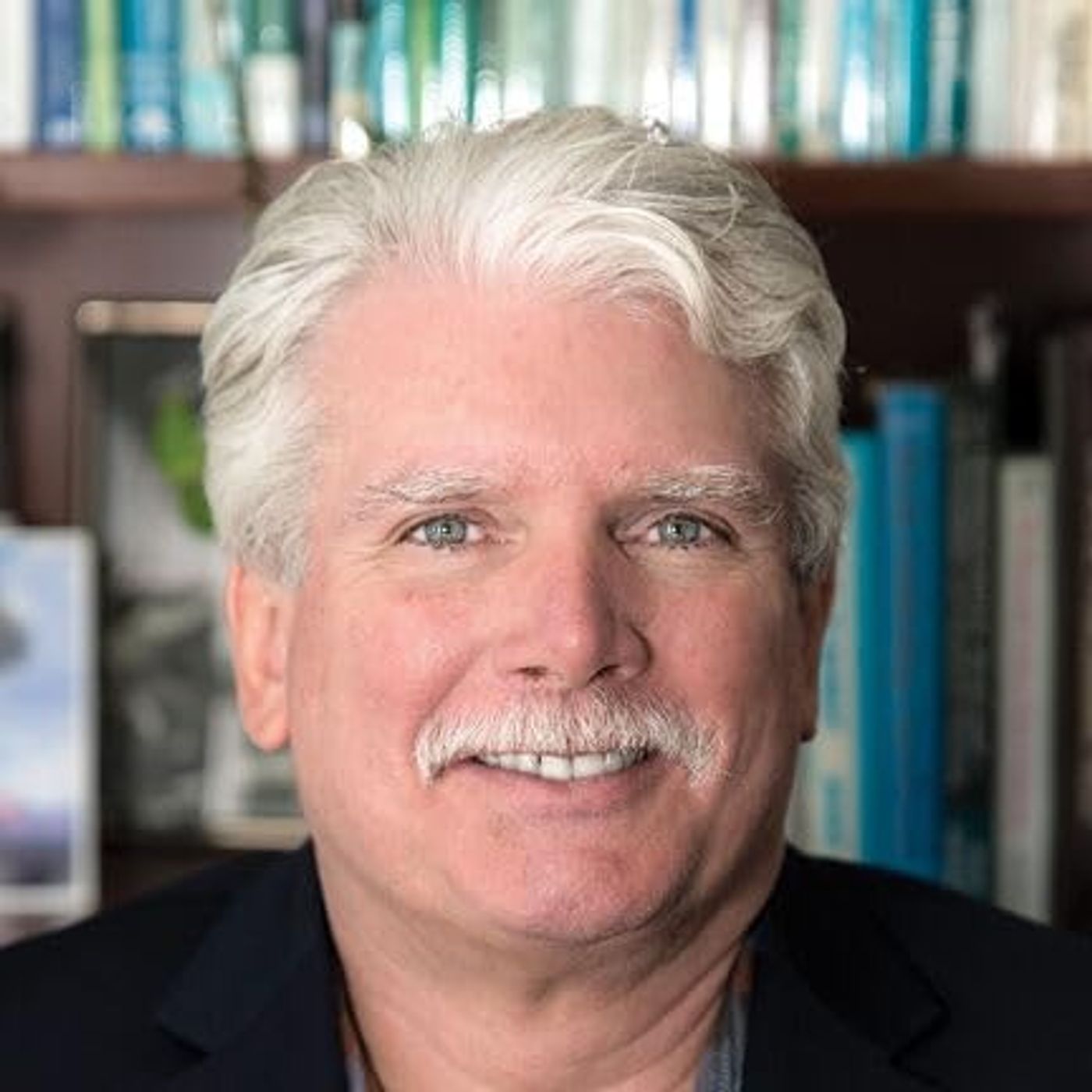
Peter Salerno, PsyD, is a Doctor of Psychology, retired licensed psychotherapist, and nationally recognized expert on personality disorders and pathological relationships. Over the course of his career, he has specialized in personality disorders, family trauma, complex trauma, and pathological abuse. He was trained and qualified to administer the Hare Psychopathy Checklist–Revised (PCL-R), the gold standard for identifying psychopathy in clinical and forensic settings. He was also a featured expert in the docuseries Ted Bundy: Dialogue with the Devil, streaming on Hulu and Disney+. His work has always been driven by a passion for understanding the human mind and helping people make sense of some of its most challenging and misunderstood conditions. Today, he uses that expertise to help people around the world understand painful, confusing, and often manipulative relationship dynamics. While he no longer practices traditional therapy, he offers remote consultations focused on clarity, insight, and practical decision-making—not treatment.
Peter Salerno, PsyD, is a Doctor of Psychology, retired licensed psychotherapist, and nationally recognized expert on personality disorders and pathological relationships. Over the course of his career, he has specialized in personality disorders, family trauma, complex trauma, and pathological abuse. He was trained and qualified to administer the Hare Psychopathy Checklist–Revised (PCL-R), the gold standard for identifying psychopathy in clinical and forensic settings. He was also a featured expert in the docuseries Ted Bundy: Dialogue with the Devil, streaming on Hulu and Disney+. His work has always been driven by a passion for understanding the human mind and helping people make sense of some of its most challenging and misunderstood conditions. Today, he uses that expertise to help people around the world understand painful, confusing, and often manipulative relationship dynamics. While he no longer practices traditional therapy, he offers remote consultations focused on clarity, insight, and practical decision-making—not treatment.

Comments
In Channel








Download from Google Play

Download from App Store
 United States
00:00
00:00
x

