


Major Shifts in Bacterial Transcription (CMB part 6)
Description
Bacteria undergo significant shifts in transcription patterns during various processes, such as phage infection or sporulation, and have evolved multiple mechanisms to facilitate these changes. For instance, the transcription of phage SPO1 genes in infected B. subtilis cells follows a temporal sequence, where early genes are transcribed first, followed by middle genes, and finally late genes. This transition is regulated by phage-encoded sigma factors that associate with the host's core RNA polymerase and alter its specificity from early to middle to late genes. The host sigma factor is specific to the phage early genes, while the phage gp28 protein changes the specificity to middle genes, and gp33 and gp34 proteins direct specificity to late genes.
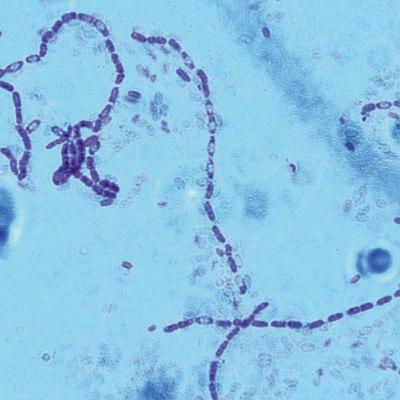
When B. subtilis undergoes sporulation, an entirely new set of sporulation-specific genes is activated, while many vegetative genes are turned off. This switch primarily occurs at the transcriptional level and is mediated by several new sigma factors that displace the vegetative sigma factor from the core RNA polymerase, redirecting transcription to sporulation-specific genes. Each sigma factor recognizes its own preferred promoter sequence.
Certain prokaryotic genes must be transcribed under conditions where two different sigma factors are active. These genes are equipped with dual promoters, each recognized by one of the sigma factors, ensuring their expression regardless of which factor is present and enabling differential regulation under varying conditions. For example, in E. coli, the heat shock response and responses to low nitrogen and starvation stress are regulated by alternative sigma factors—sigma32 (σH), sigma54 (σN), and sigma38 (σS)—which replace the primary sigma factor sigma70 (σA) and direct RNA polymerase to alternative promoters. Additionally, many sigma factors are regulated by anti-sigma factors that bind to specific sigma factors and inhibit their interaction with the core RNA polymerase. Some of these anti-sigma factors are further regulated by additional mechanisms.







 United States
