


Markets Shudder Despite Nvidia's Bullish Outlook, Signaling Rising Risk
Description
The Week in Short
Jensen Huang’s AI exuberance not enough for Wall St. Crypto losses reach $1 trillion. Index, Sequoia see potential returns shrink as IPOs give back gains. Anthropic’s promiscuous alliances show Google’s strength. AI applications give Europe hope. Jeff Bezos enters the foundation model race with Project Prometheus. Lambda & Luma AI lead big funding week. Meta antitrust win could boost M&A. AI giant Yann LeCun & VC marketing star Shernaz Daver move on. Trump targets state AI regs. Cook, Benioff celebrate MBS at the White House as Trump insults murdered journalist Jamal Khashoggi.
Even Jensen Huang & AI Can’t Juice Equities Forever. Crypto Underscores the Uncertainties Ahead.
After months of unsettling but contradictory indicators, the markets this week sent a pretty clear signal that the long AI-driven run-up is over. We’re not going to say that a bubble is bursting — regular readers know that we don’t find the B-word to be a very helpful moniker — but soaring public equity markets can no longer be counted on to drive tech valuations.
With private markets now the new public markets, that has implications for all investors.
A lot of risk gauges are flashing red.
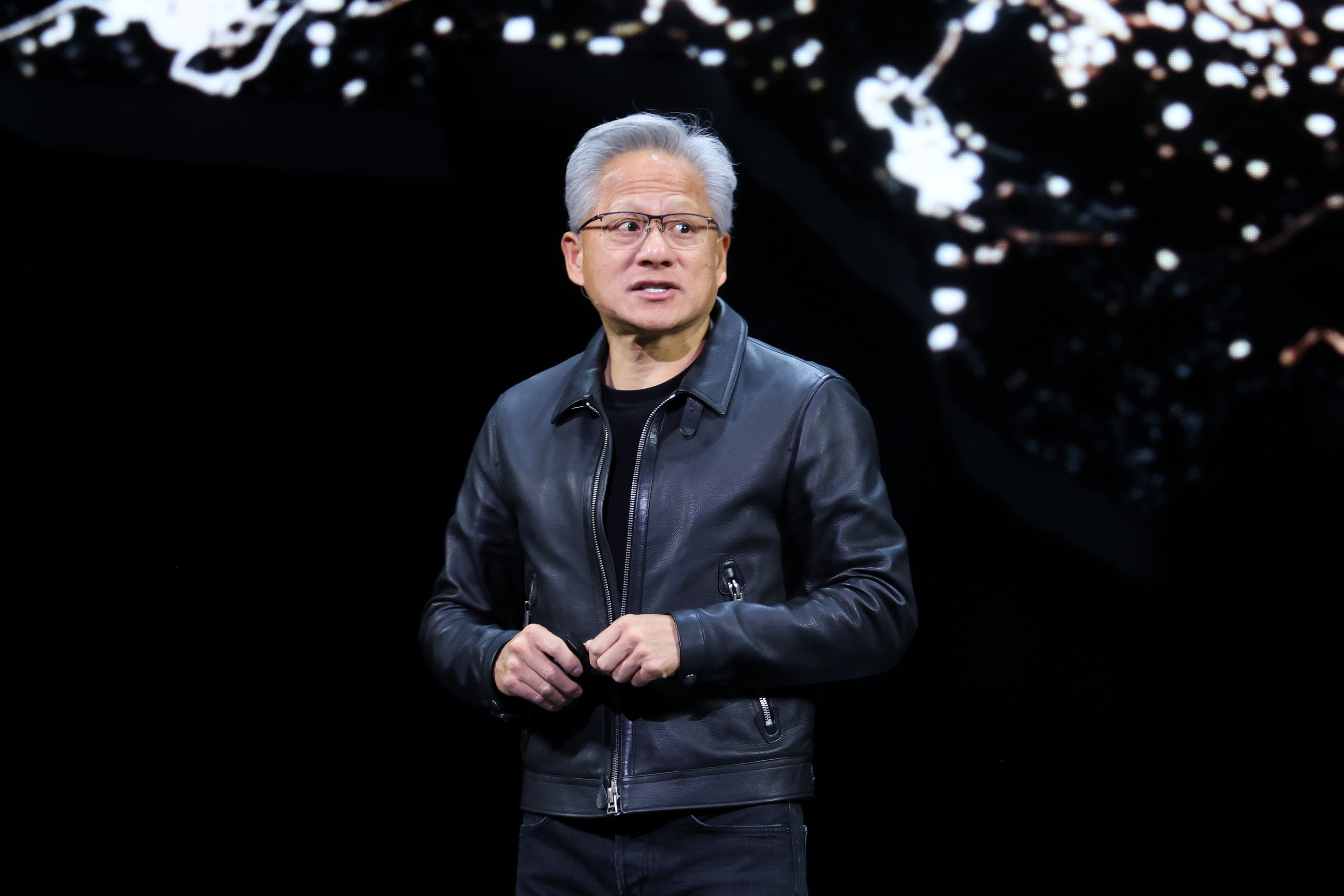
The week began with the S&P posting a four-day losing streak, its longest in a while, only to be rescued for a moment by Nvidia’s spectacular earnings. Yet even though the AI bellwether’s forecast was as bullish as they come, stocks on Thursday quickly resumed their slide — suggesting there is no kind of good news that will shift market sentiment anytime soon.
Big increases in corporate VC investing, exemplified by Nvidia’s aggressive moves to finance its customers, tend to signal a market top, per an interesting piece from Reuters. That’s even aside from the question of whether it’s distorting the picture on underlying demand.
Bitcoin’s slide is accelerating; you know there’s trouble when its defenders resort to talking about “fundamentals.” This wouldn’t have mattered much outside of crypto circles a few years ago, but it now poses problems for a range of investors. The crypto-treasury trade, which gave rise to publicly traded companies whose only business was owning crypto, is probably done for good. And the vaporization of $1 trillion in paper wealth will surely have ripple effects.
Private-credit markets, which have been taking a lot of the lending business once controlled by big banks and have been central to the AI data center build-out, are bracing for defaults. Relatedly, debt-heavy companies like CoreWeave are seeing their stocks sink.
The burst of IPOs earlier this year seemed to be laying the groundwork for investors to get some liquidity from the over-valued unicorns minted in 2021 and 2022. That is now in doubt, especially in light of the correction in the big IPO run-ups of the spring and summer. (More on that below.)
There are a few caveats here. Some of the sell-off is surely due to signals that the Fed will not in fact deliver another interest-rate cut this year. Consumer spending and the job market appear to remain resilient. The major AI companies show few signs of pulling back. Big Tech earnings continue to be extraordinary by any historical measure. The big promise of AI, measured by consumer uptake, revenue growth, and enterprise enthusiasm, remains intact.
But this moment is a reminder of a lesson learned many times before: new technologies that fulfill their promise of changing the world usually create many epic fortunes — and sometimes epic losses too.
This post is sponsored by MongoDB



 United States
