



Partial Take Profits Changed Everything—How Lit Solved What TradFi Couldn't
Update: 2025-12-03
Description
What if the tools you use to trade could actually match the speed and sophistication of Wall Street?
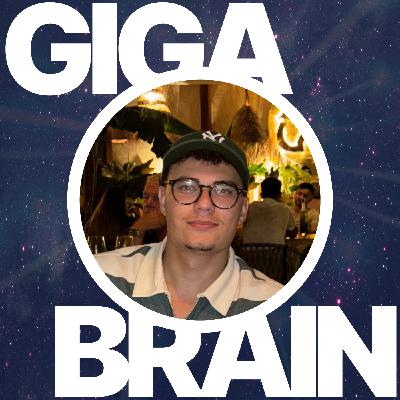
In this episode of Giga Brain, host Joao Simoes sits down with Osama, co-founder of Lit, a desktop trading terminal built on Hyperliquid that's reshaping how power users execute trades on-chain. Discover why advanced traders are abandoning basic interfaces for drag-and-drop limit orders, multi-leg take profits, and wallet tracking features that rival traditional finance—plus gain insider insights on Hyperliquid's roadmap, the emerging HIP3 asset revolution, and why decentralized perpetual trading is about to outpace centralized exchanges. Whether you're a day trader seeking edge or a DeFi enthusiast curious about the next generation of on-chain infrastructure, this conversation reveals the UX innovations and technical strategies positioning Lit as the MetaTrader of decentralized trading.
What You'll Learn:
In this episode of Giga Brain, host Joao Simoes sits down with Osama, co-founder of Lit, a desktop trading terminal built on Hyperliquid that's reshaping how power users execute trades on-chain. Discover why advanced traders are abandoning basic interfaces for drag-and-drop limit orders, multi-leg take profits, and wallet tracking features that rival traditional finance—plus gain insider insights on Hyperliquid's roadmap, the emerging HIP3 asset revolution, and why decentralized perpetual trading is about to outpace centralized exchanges. Whether you're a day trader seeking edge or a DeFi enthusiast curious about the next generation of on-chain infrastructure, this conversation reveals the UX innovations and technical strategies positioning Lit as the MetaTrader of decentralized trading.
What You'll Learn:
- How to design UX that traders will actually adopt by involving them directly in the build process
- Why partial take profit and stop loss placement is the killer feature no one else has tackled
- The infrastructure advantage of co-locating servers in Tokyo next to Hyperliquid's core infrastructure
- How to leverage Hyperliquid's permissionless asset listing to capture traders searching for tail-end coins that centralized exchanges won't touch
- Why builder codes and self-funded models align incentives better than VC backing
- The political reality of insider trading in crypto markets and how transparent whale tracking flips the power dynamic
Osama is a Co-founder of Lit, a high-performance trading terminal built on Hyperliquid designed for power users and day traders seeking institutional-grade tools. With a software engineering background from the University of Waterloo and prior experience at Bigo (a major institutional custody firm) and SeatGeek, Osama has deep expertise in building sophisticated trading infrastructure and DeFi products. In this episode, Osama shares critical insights on advanced order execution, professional trading UX design, and how decentralized perpetual exchanges are reshaping the landscape of on-chain trading. His work at Lit which pioneered features like drag-and-drop SL/TP orders, wallet tracking for whale monitoring, and multi-asset on-ramping demonstrates how thoughtful product design can bridge the gap between traditional finance workflows and decentralized trading. For DeFi enthusiasts with technical acumen seeking to level up their trading capabilities, this conversation offers actionable strategies on leveraging Hyperliquid's infrastructure and understanding the competitive dynamics between centralized and decentralized derivatives platforms.

Comments
In Channel










Download from Google Play

Download from App Store
 United States
00:00
00:00
x

