


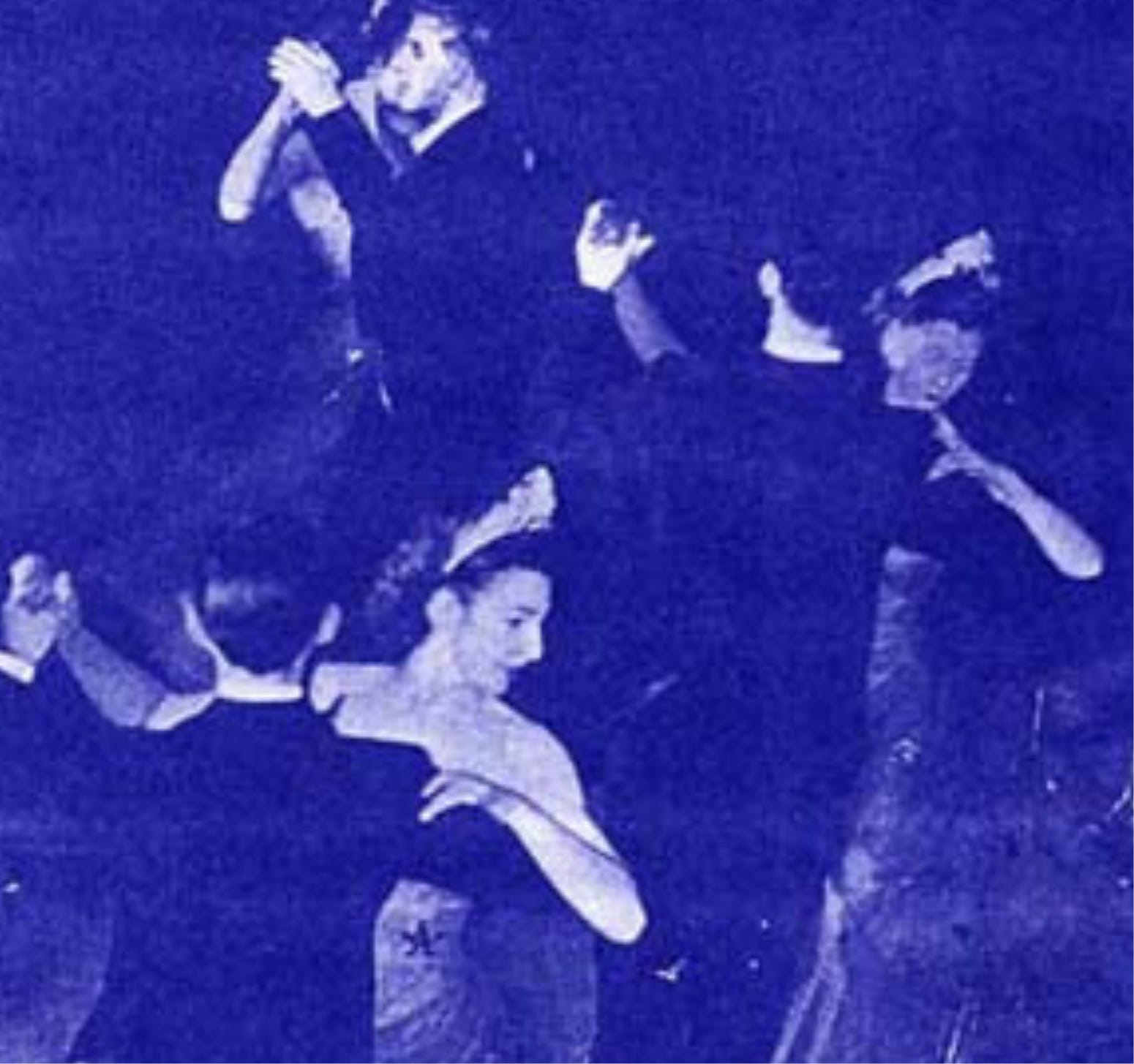
Revisiting Hauntology, or the sound of lost futures
Description
CUJO is a podcast about culture in the age of platforms. Episodes drop every other week, but if you want the full experience, we recommend signing up for a paid subscription.
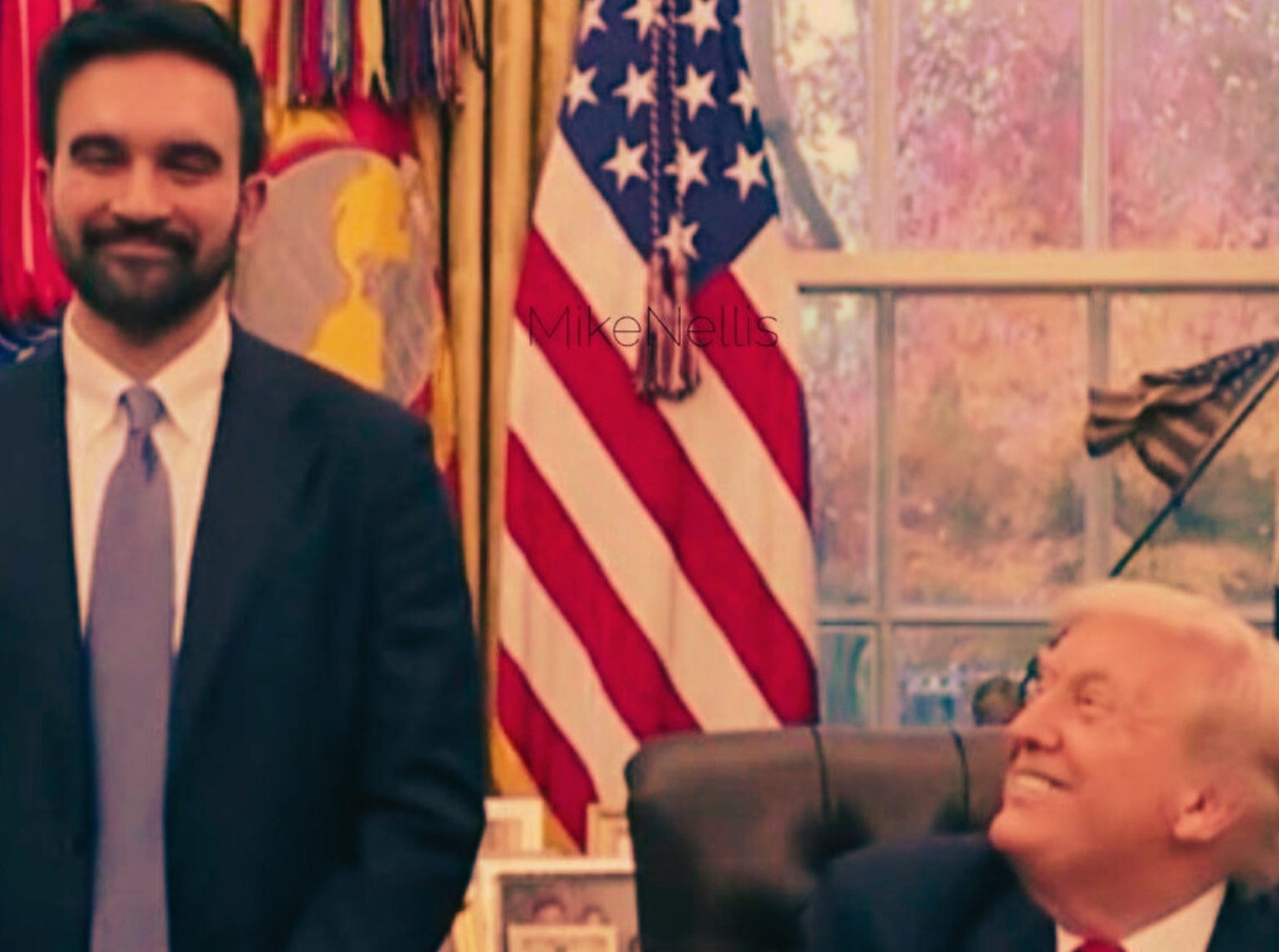
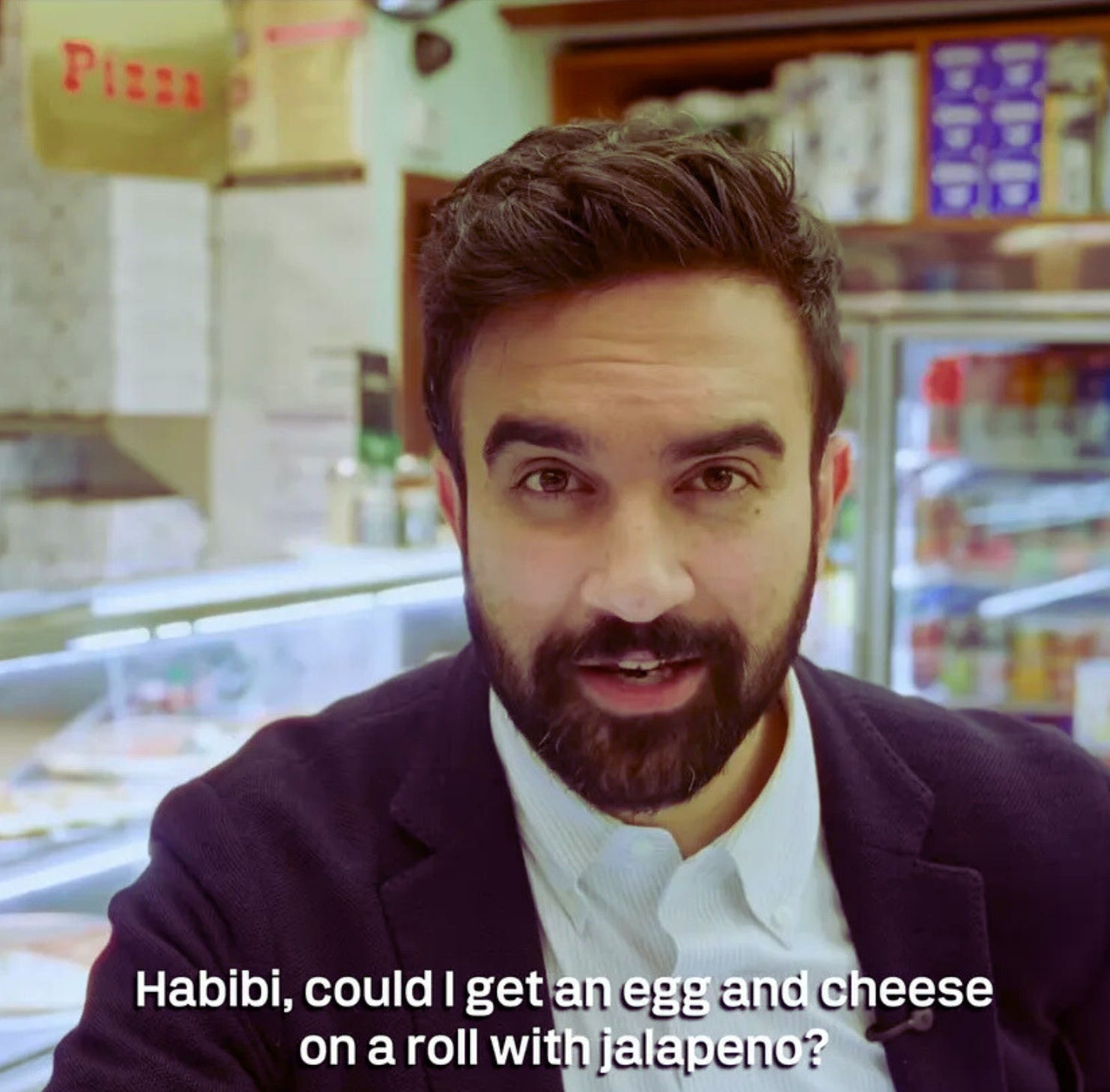
Paid subscribers also get access to our CUJOPLEX Discord and The Weather Report, a monthly episode series where we take stock of where the cultural winds are blowing and tell you what’s rained into our brains. On our latest installment, filmmaker and Zohran Video Guy Anthony DiMieri joins us to talk to tell us about the wild twists and turns of his career as an indie filmmaker turned key contributor to the Zohran & SubwayTakes cinematic universes, dark woke, and why everyone is obsessed with Geese. We’re removing the paywall for the next week so you can give it a listen.
You’ll also get an invite to our second reading group meet-up: a discussion of Richard Barbrook and Andy Cameron’s seminal 1995 year essay, “The Californian Ideology,” and Fred Turner’s recent article for The Baffler, “The Texan Ideology.” That’s going down on Sunday, January 11.
In 2005, the music and culture critics Simon Reynolds and Mark Fisher (RIP) began using the term hauntology — a riff on “ontology” — to describe an emergent genre in UK music, built from archival recordings from post-war England, vinyl crackle, and haunted, elegiac atmospherics. (Think: Burial, The Caretaker, and the eerie catalog of the label Ghost Box.) They borrowed the term from Jacques Derrida, who used it to describe a present haunted by futures that had never arrived; Reynolds and Fisher heard that idea vibrating through a generation of musicians excavating Britain’s cultural memory.
Fisher explored hauntology’s political dimension, rooting the movement in a longing for Britain’s pre-Thatcherite social democratic past and an affection for cultural touchstones like the BBC Radiophonic Workshop, Brutalist architecture, and films like The Wickerman. Reynolds, meanwhile, mapped its musical lineage—back to ’90s hauntology predecessors like Boards of Canada and Broadcast, and across the pond to J Dilla-era hip-hop and underground movements like freak folk, hypnagogic pop, and chillwave.
A recent CUJO reading group on the topic inspired us to invite Simon—the author of books like Rip It Up and Start Again, Retromania, and Futuromania (listen to our ep about it!)—to help us mark the 20th anniversary of hauntology and explore what it has to teach us about mobilizing the culture of the past in a way that feels meaningful and even forward-looking
Simon joins us to dig into the cultural factors that gave rise to hauntology, the 21st-century fetish for obsolete media, and the differences between hauntology and simple nostalgia or “retro.” We also talk about the pasts that continue to haunt us—from rave culture to Marxism—and he gives us a sneak peek at his forthcoming book, Still in a Dream: Shoegaze, Slackers and the Reinvention of Rock, 1984–1994, arriving in 2026.
Listen to our HAUNTOLOGY PLAYLIST on Apple Music and YouTube
Read more of Simon on hauntology in Retromania: Pop Culture’s Addiction to Its Own Past and over at ReynoldsRetro
Keep up with Simon and his writing on blissblog
Follow Simon on X
Additional reading:
Jacques Derrida, Specters of Marx, The State of the Debt, the Work of Mourning and the New International, 1993.
Mark Fisher, “October 6, 1979: Capitalism and Bipolar Disorder,” 2005.
Simon Reynolds, “Haunted Audio, a/k/a Society of the Spectral: Ghost Box, Mordant Music, and Hauntology,” director’s cut of an article in the November 2006 issue of The Wire.
Mark Fisher, Ghosts of My Life: Writings on Depression, Hauntology, and Lost Futures, chapter 2, 2014.
This is a public episode. If you'd like to discuss this with other subscribers or get access to bonus episodes, visit theculturejournalist.substack.com/subscribe












 United States
