


The Government's 'Integrity Gap' Is Leaving the Door Open for Nigel Farage
Update: 2025-12-08
Description
Read our Digital & Print Editions
And support our mission to provide fearless stories about and outside the media system
SUBSCRIBE TODAY
Downing Street's electoral strategy is no longer a mystery. Labour's leadership has decided the safest route to power is to narrow politics to the smallest possible space: mimic just enough of Reform UK's rhetoric to neutralise them, reassure the bond markets, and run out the clock.
This is not a strategy of renewal. It is crisis management masquerading as competence. And the public can already see through it.
The latest polling from More in Common makes that unmistakably clear. When voters were asked which party they are most likely to vote against, Labour came first. For a governing party at the start of a term, this should set every alarm bell ringing. Voters are not rejecting bold reform or ideological ambition. They are rejecting the absence of it. They see a party that promised a decade of national renewal, but is offering a programme indistinguishable from managed decline.
The Autumn Budget only confirmed the problem.
In Parliament, I welcomed the necessary steps: ending the two-child limit, modest moves towards taxing wealth, a rise in the minimum wage. But these are tactical concessions, not a governing strategy. They do not confront the structural drivers of Britain's crises: monopoly extraction, climate-driven inflation, a decade of stagnant wages, and an economic model where unelected financial markets hold more authority over national policy than Parliament itself.
As I said in the Commons, repainting the wallpaper does not fix the walls. And this Budget did not even acknowledge the foundations.
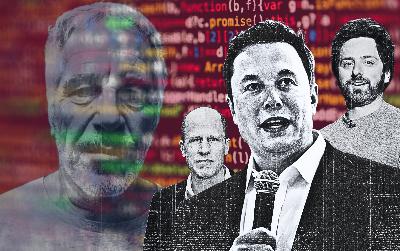
The Integrity Gap: How We Built the Authoritarian Future We Fear
Labour MP Clive Lewis argues that the collapse of public trust in Government is the product of corporate power being wired into the architecture of the state
Clive Lewis MP
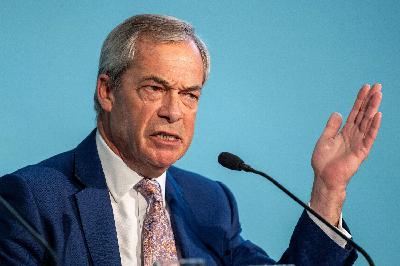
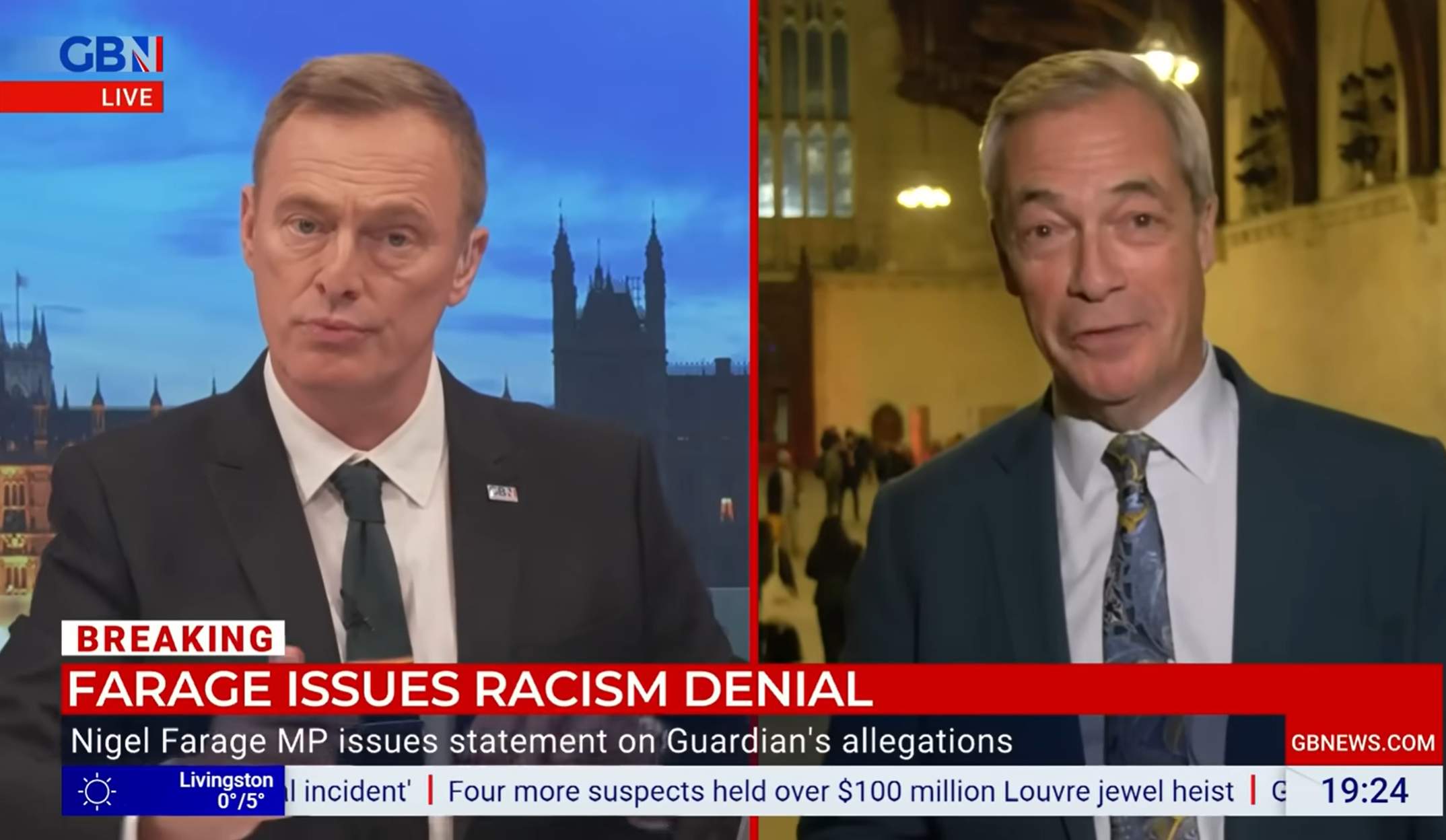
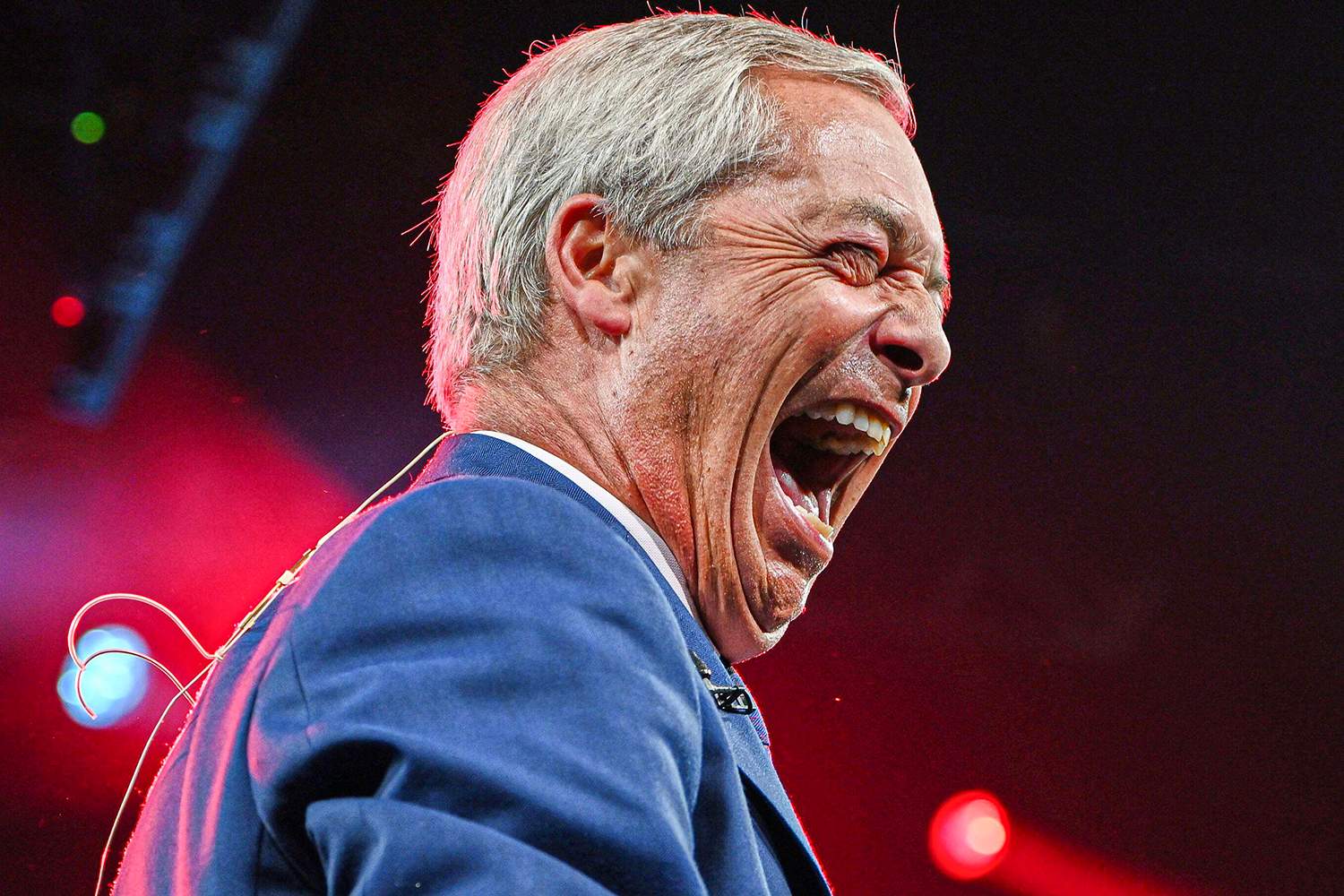
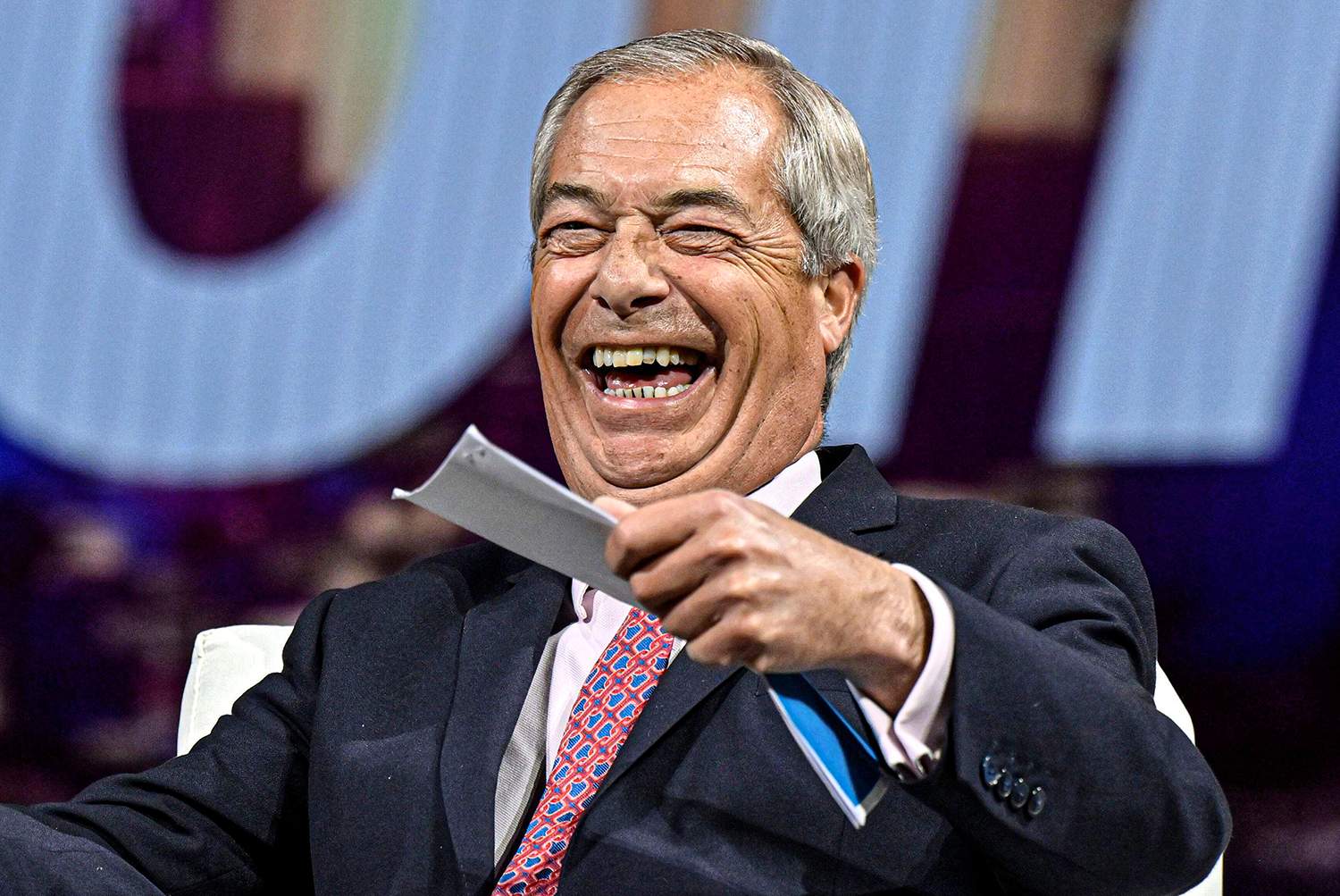
Meanwhile, the political landscape is shifting beneath Labour's feet. For the first time in years, Nigel Farage's carefully crafted public image is cracking. Former classmates describe not a momentary lapse in judgement, but a pattern of racist bullying so severe it shaped the culture of their school. Indeed, these accounts reveal a man whose teenage cruelty seems less like a phase and more like a blueprint for his future-self.
This should be an open goal. A moment to expose the gulf between Farage's performative plain-speaking and the worldview beneath. A chance to persuade those Reform-curious voters who feel abandoned by an economic system that extracts from them while political elites swap places and call it change.
But Labour's leadership cannot seize this moment - because it cannot credibly speak to the failures it has chosen to imitate.
You cannot call out Farage's divisive politics while borrowing his language on migration and asylum.
You cannot promise economic dignity while refusing to challenge the extractive model that keeps millions in insecurity.
You cannot build trust with disillusioned voters while clinging to the very managerialism they believe has failed them.
This is Labour's integrity gap - and it is now a structural weakness.
People feel something deep is wrong in Britain. They feel their wages stagnating while prices surge; their rent climbing while housing becomes ever more precarious; their energy bills rising while privatised monopolies post record profits. They watch water companies pollute rivers with impunity. They watch their children's futures shrink. They watch politicians change, but the model that fails them stay exactly the same.
These instincts are not ignorant or extreme. They are rooted in a decade of lived reality. And if Labour does not offer a coherent alternative, others will fill the void.
Because Britain's renewal depends on recognising who actually keeps the economy alive. SMEs, sole traders, co-operatives, family farms, local manufacturers and community enterprises have been crushed between rising costs and ...
And support our mission to provide fearless stories about and outside the media system
SUBSCRIBE TODAY
Downing Street's electoral strategy is no longer a mystery. Labour's leadership has decided the safest route to power is to narrow politics to the smallest possible space: mimic just enough of Reform UK's rhetoric to neutralise them, reassure the bond markets, and run out the clock.
This is not a strategy of renewal. It is crisis management masquerading as competence. And the public can already see through it.
The latest polling from More in Common makes that unmistakably clear. When voters were asked which party they are most likely to vote against, Labour came first. For a governing party at the start of a term, this should set every alarm bell ringing. Voters are not rejecting bold reform or ideological ambition. They are rejecting the absence of it. They see a party that promised a decade of national renewal, but is offering a programme indistinguishable from managed decline.
The Autumn Budget only confirmed the problem.
In Parliament, I welcomed the necessary steps: ending the two-child limit, modest moves towards taxing wealth, a rise in the minimum wage. But these are tactical concessions, not a governing strategy. They do not confront the structural drivers of Britain's crises: monopoly extraction, climate-driven inflation, a decade of stagnant wages, and an economic model where unelected financial markets hold more authority over national policy than Parliament itself.
As I said in the Commons, repainting the wallpaper does not fix the walls. And this Budget did not even acknowledge the foundations.
The Integrity Gap: How We Built the Authoritarian Future We Fear
Labour MP Clive Lewis argues that the collapse of public trust in Government is the product of corporate power being wired into the architecture of the state
Clive Lewis MP
Meanwhile, the political landscape is shifting beneath Labour's feet. For the first time in years, Nigel Farage's carefully crafted public image is cracking. Former classmates describe not a momentary lapse in judgement, but a pattern of racist bullying so severe it shaped the culture of their school. Indeed, these accounts reveal a man whose teenage cruelty seems less like a phase and more like a blueprint for his future-self.
This should be an open goal. A moment to expose the gulf between Farage's performative plain-speaking and the worldview beneath. A chance to persuade those Reform-curious voters who feel abandoned by an economic system that extracts from them while political elites swap places and call it change.
But Labour's leadership cannot seize this moment - because it cannot credibly speak to the failures it has chosen to imitate.
You cannot call out Farage's divisive politics while borrowing his language on migration and asylum.
You cannot promise economic dignity while refusing to challenge the extractive model that keeps millions in insecurity.
You cannot build trust with disillusioned voters while clinging to the very managerialism they believe has failed them.
This is Labour's integrity gap - and it is now a structural weakness.
People feel something deep is wrong in Britain. They feel their wages stagnating while prices surge; their rent climbing while housing becomes ever more precarious; their energy bills rising while privatised monopolies post record profits. They watch water companies pollute rivers with impunity. They watch their children's futures shrink. They watch politicians change, but the model that fails them stay exactly the same.
These instincts are not ignorant or extreme. They are rooted in a decade of lived reality. And if Labour does not offer a coherent alternative, others will fill the void.
Because Britain's renewal depends on recognising who actually keeps the economy alive. SMEs, sole traders, co-operatives, family farms, local manufacturers and community enterprises have been crushed between rising costs and ...

Comments
In Channel









Download from Google Play

Download from App Store
 United States
00:00
00:00
x

