


The Letters of Ignatius of Antioch: The Wheat of God
Description
St. Ignatius of Antioch: The Wheat of God
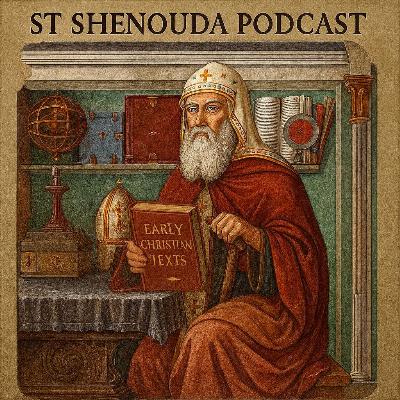
Tune into the St Shenouda Podcast Series on Early Christian Texts for an exploration of the crucial writings of St. Ignatius of Antioch, the highly influential Syrian Bishop. Born around AD 30 or 35, Ignatius was a direct disciple of the Apostles Peter and John. He served as the third bishop of Antioch, a city which was a major centre for early Christianity.
His seven extant authentic letters were written around AD 107 while he was escorted as a condemned prisoner from Antioch to Rome for execution in the arena under Emperor Trajan.
Ignatius’s epistles offer profound insight into the burgeoning structure and theological concerns of the Church in the early 2nd century. The most important theme addressed is Church unity. He strongly advocated for obedience and reverence toward local clergy to maintain concord and prevent separatism:
• The bishop should be honored and obeyed like God himself.
• The presbyters (elders) should be honored and obeyed like the apostles.
• The deacons should be treated with honor as ministers of the mysteries of Christ Jesus.
Ignatius asserted that doing anything apart from the bishop hinders unity, stating clearly: "Let no man do anything connected with the Church without the bishop". He is also credited with being the first in Christian literature to use the term "Catholic Church".
Theologically, Ignatius primarily countered early heresies. He fought against the Docetists (from the Greek dokein, "to seem"), who taught that Jesus was too spiritual to be fully physical, and therefore only seemed to suffer. Ignatius forcefully affirmed the full humanity and divinity of Christ, insisting on His true birth of the Virgin Mary, His true suffering under Pontius Pilate, and His possession of real flesh even after the resurrection. He also cautioned against Judaizing (observing the Sabbath and Jewish law), affirming that Christianity superseded Judaism.
Furthermore, his letters stress the real presence of Christ in the Eucharist, which he called the "medicine of immortality" and the "antidote to prevent us from dying". He noted that those who speak against this gift "incur death".
Perhaps most poignantly, the letters showcase Ignatius's ardent longing for martyrdom, which he viewed as the essential way to attain true discipleship and union with Christ’s Passion. He famously pleaded with the Roman Christians not to interfere with his death, referring to himself as "the wheat of God," which must be "ground by the teeth of the wild beasts, that I may be found the pure bread of Christ".
Join us as we explore how these vital 2nd-century writings shape our understanding of ecclesiastical order, Christology, and the nature of sacrificial discipleship.




 United States
